

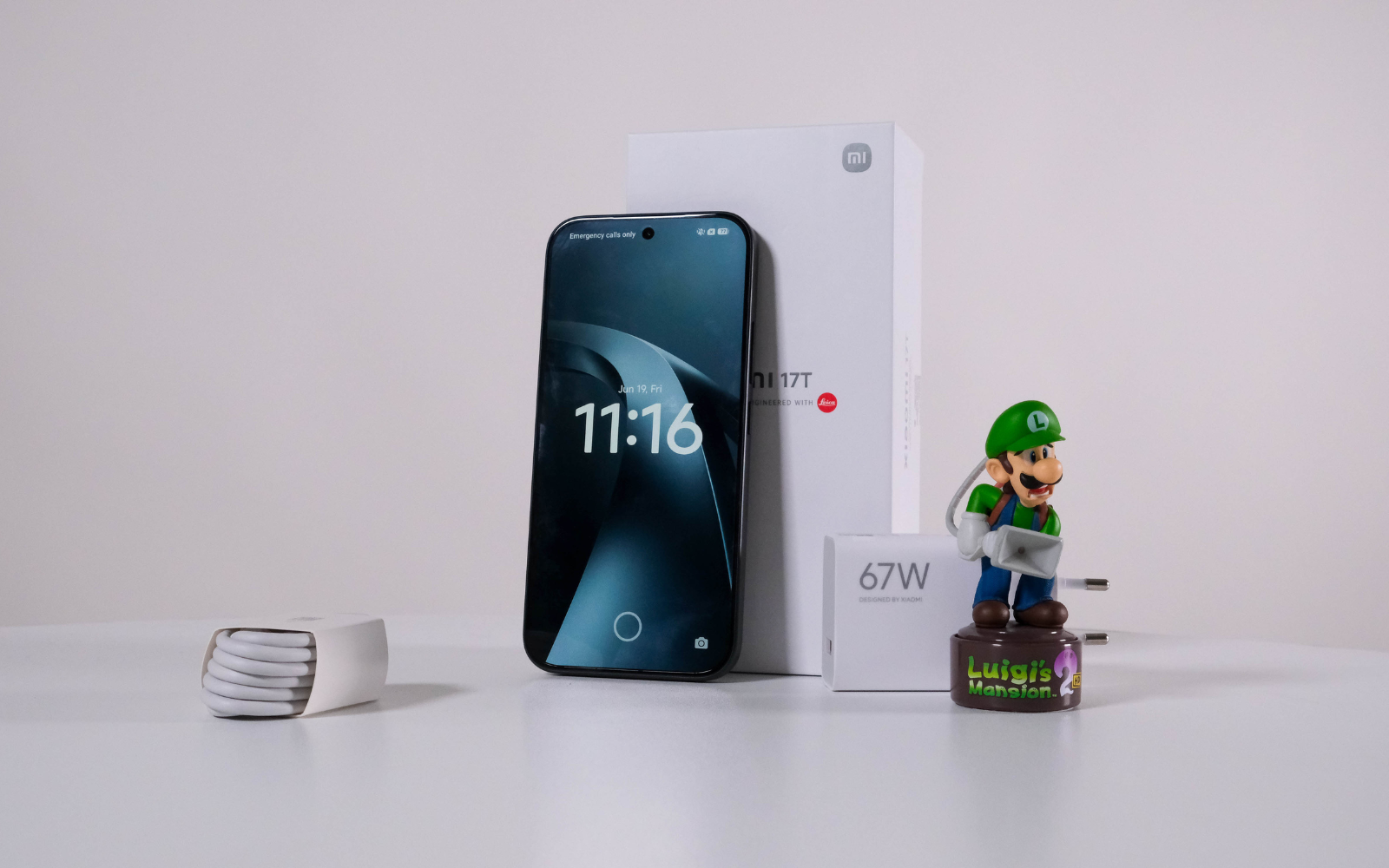
The Xiaomi 17T is an easy phone to like. It delivers a fantastic AMOLED display, dependable performance, impressive battery life, and a Leica-backed camera system that rarely disappointed us. The trouble is that it's priced like a flagship without quite feeling like one. At nearly R20,000, the compromises are harder to ignore, especially when stronger alternatives exist at a similar price.
-
Design
-
Display
-
Performance
-
Battery
-
Value
The Xiaomi 17T is the most recent of the Chinese company’s products to pass through Stuff’s doors. Like most of the company’s products, it’s good. We might even go as far as calling it great. But where it differs from the Xiaomi MO is the price. The cheapest we’ve been able to locate the 17T is a hefty R19,500.
Sure, the sizable 512GB storage does a lot of the heavy lifting here, but when you can pick up an arguably more favourable Samsung flagship (admittedly with half the storage) for the same price, the prospect is no longer exciting. It’s just frustrating. At this price, we expect a flagship product. The Xiaomi 17T comes close, but falls short. It’s equally frustrating to see the Xiaomi 17T Pro turn up for a few grand less as a parallel import.
Is this an iPhone?
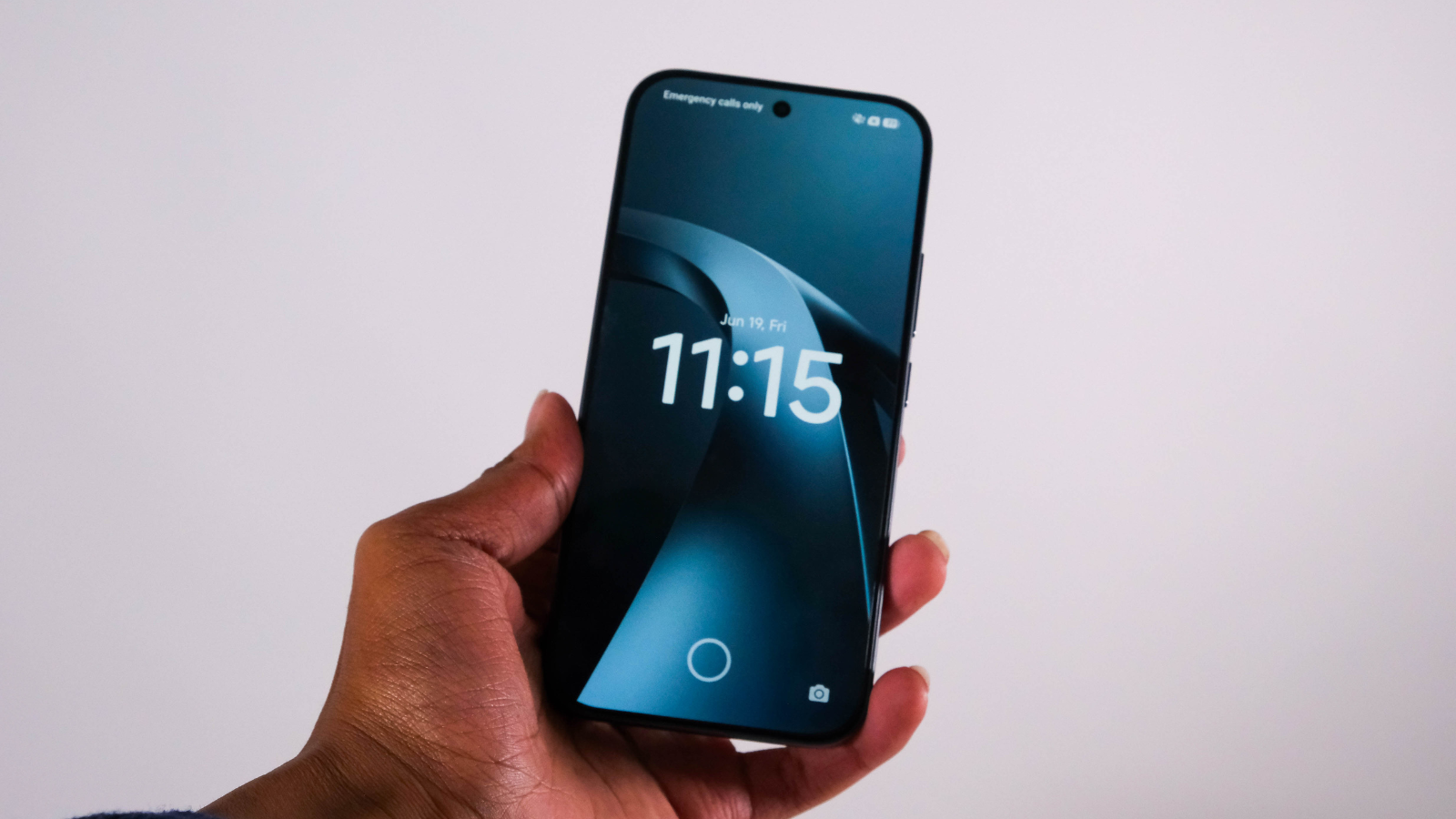
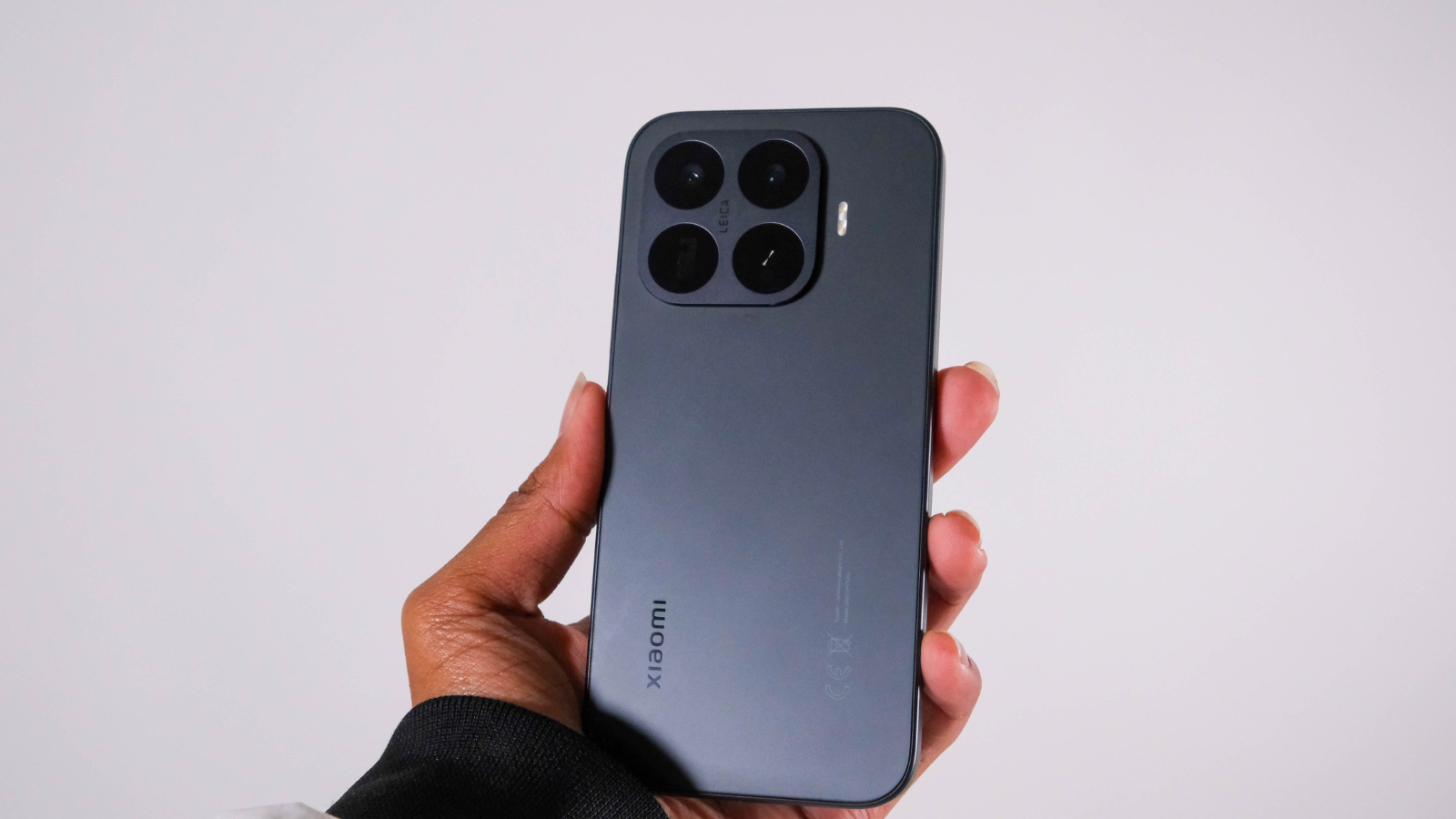
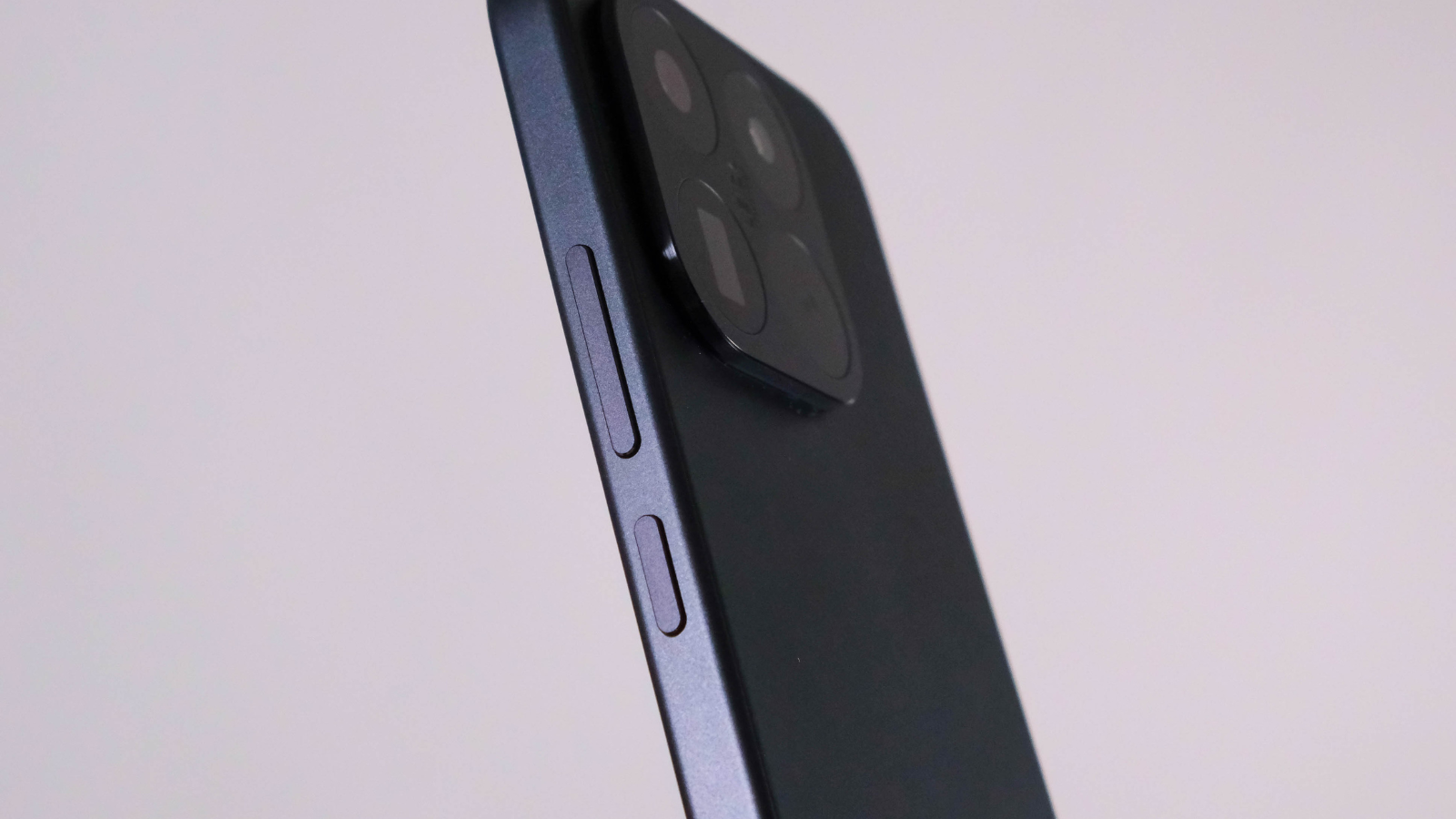
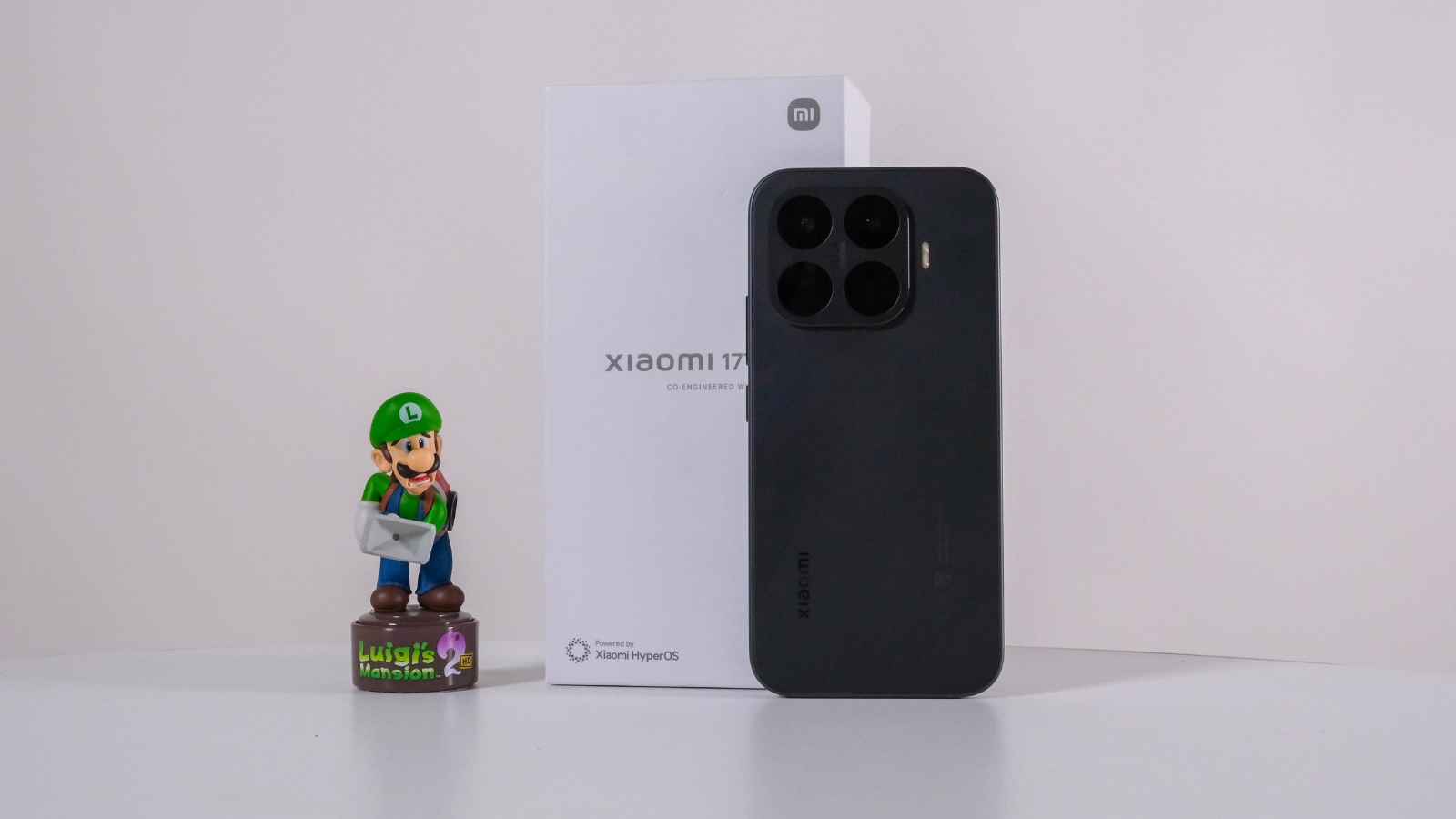
Even if the Xiaomi 17T isn’t technically a flagship, it certainly looks the part. Those rounded corners, the massive camera cluster, its weight, and general dimensions are most reminiscent of an iPhone. Stare hard enough, and you’ll see where Xiaomi has cut corners to bring the price down; notably with the 17T’s all-plastic frame.
Even if it isn’t a hunk of glass, the 17T still does a good job of feeling more premium than it really is. The body is smooth, and we reckon the glass front (Gorilla Glass 7i) can take a knock or two before needing a replacement. Our review model turned up in black, which did bring out the fingerprints a little more than we’d have liked.
No matter, for you’ll likely just whack it in the included black plastic cover and call it a day. We’d still recommend seeking out something a little more premium though. The protector, while doing a good job of absorbing impact on the body, does nothing to keep that camera cluster up top safe. It juts out just enough to be annoying.
There’s no iPhone-like ‘Camera Control’ to back up the 17T’s edges. Instead, it’s got a simple power button and volume rocker on the device’s right, while the bottom is home to the USB-C port, a speaker grille, and SIM slot. There’s no 3.5mm audio jack to speak of, but you already knew that. It’s 2026, folks.
An OLED?
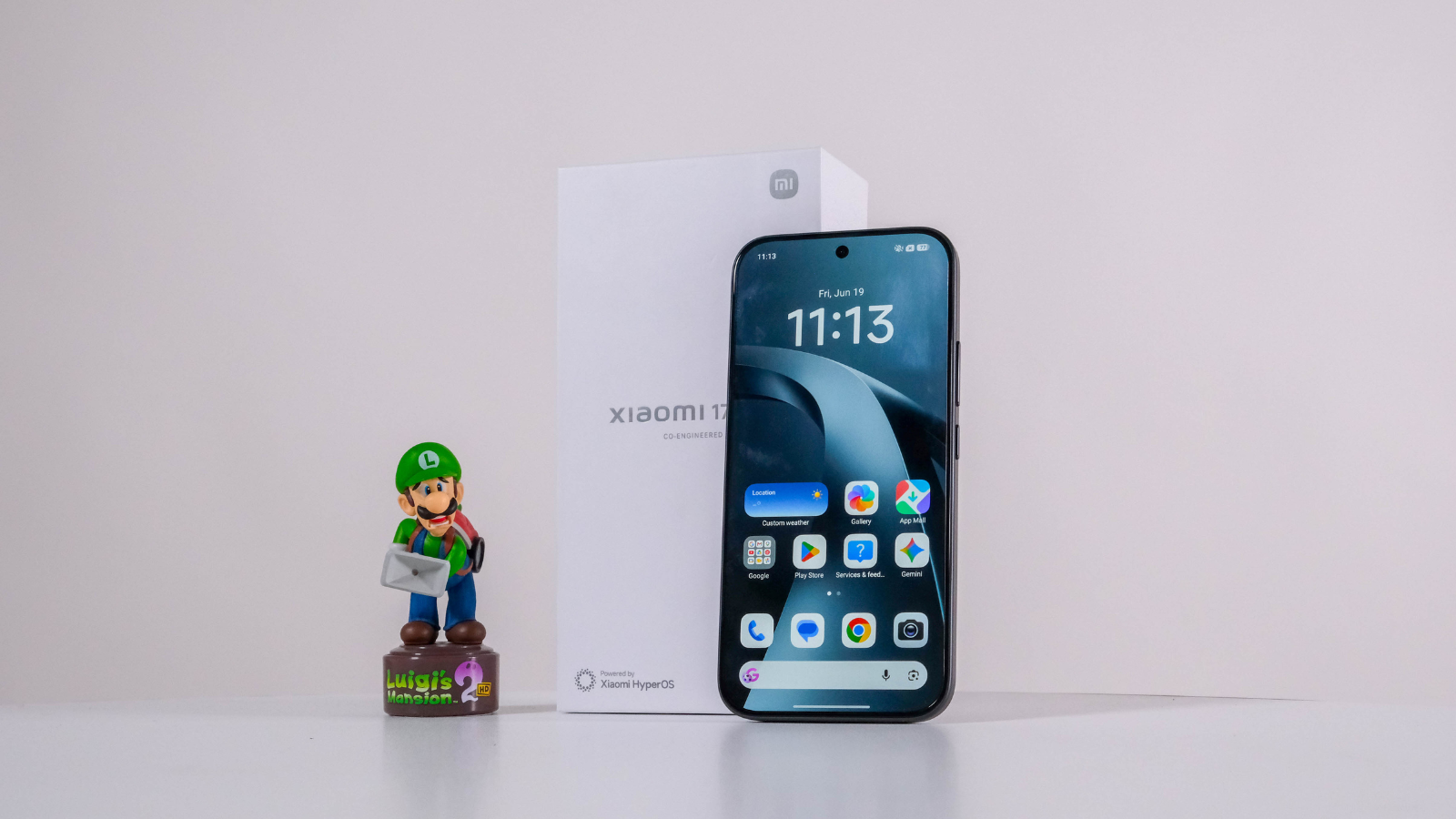
The Xiaomi 17T’s body may look like it’s cosplaying an iPhone, but the phone’s display is the real deal. It’s a 6.59in AMOLED (so, bigger than a base iPhone) with an impressive 1,268 x 2,756 resolution. All the other bits — HDR10+ support, Dolby Vision, and the 120Hz refresh rate are also worth celebrating. So… there you go.
HDR10+ support is the real stand-out here, if only to put the 17T’s 3,500 nits of brightness to good use. Load up something HDR-ified (Netflix is a good choice), and you’ll get to see what the screen is really made of. Everything feels incredibly sharp and vivid — even when you aren’t specifically focused on Stranger Things or what have you.
The 120Hz refresh rate is what really sells the Xiaomi 17T’s display. We took it out of its default state that automatically adjusts the refresh rate on the fly, and stuck it in 120Hz mode full-time. It’s worth the (slight) knock to the battery that the change warranted, if only to see the display keep up as you flit from app to app.
Entering a new Dimensity
Power users may scoff at the 17T’s chosen chipset — the Dimensity Ultra 8500 — but the average buyer will struggle to feel the difference as they zoom ’round the HyperOS. You can thank the 12GB of RAM for that, which kept us chugging along without any issue. 512GB of storage is nice, but we could see the 17T offering better value for money if South Africans could get their hands on the 256GB model. We haven’t located one, anyway.
The 17T had no trouble with any task we threw at it. It loaded apps quickly, and switched between intensive ones without whining about it first. Gaming, too, wasn’t an issue for Xiaomi’s almost-flagship, managing to run games like Asphalt Legends without a hiccup. We didn’t put anything too competitive to the test, but we reckon it’d fare just as well when presented with something like Call of Duty. It may get a tad hot, though.
We ran the Xiaomi 17T through a few benchmarks, and this is what we got:
Benchmarks:
- Geekbench 6 (Single core) avg: 1,736
- Geekbench 6 (Multi-core) avg: 6,928
- 3DMark Solar Bay Stress Test avg: 656
- 3DMark Steel Nomad Light avg: 1,464
- 3DMark Wild Life Stress Test avg: 4,314
Admittedly, we’d have liked to see those figures try a bit harder to reach for the ceiling, but what we got can’t be construed as anything bad. In practise, slightly lower benchmarks aren’t going to make much difference, as we saw when we toyed around with the thing. It’ll even handle a few AI tasks rather speedily, if that’s your thing.
One area the Xiaomi 17T really excelled was battery life. It bloody better, seeing as it’s got a 6,500mAh cell to fall back on. We managed to go the whole day — with a fair amount of usage — without experiencing any massive dips. When it did finally come time to charge the 17T, the 67W put in a decent shift, getting us back to full in a little under an hour.
Straight shooter(s)
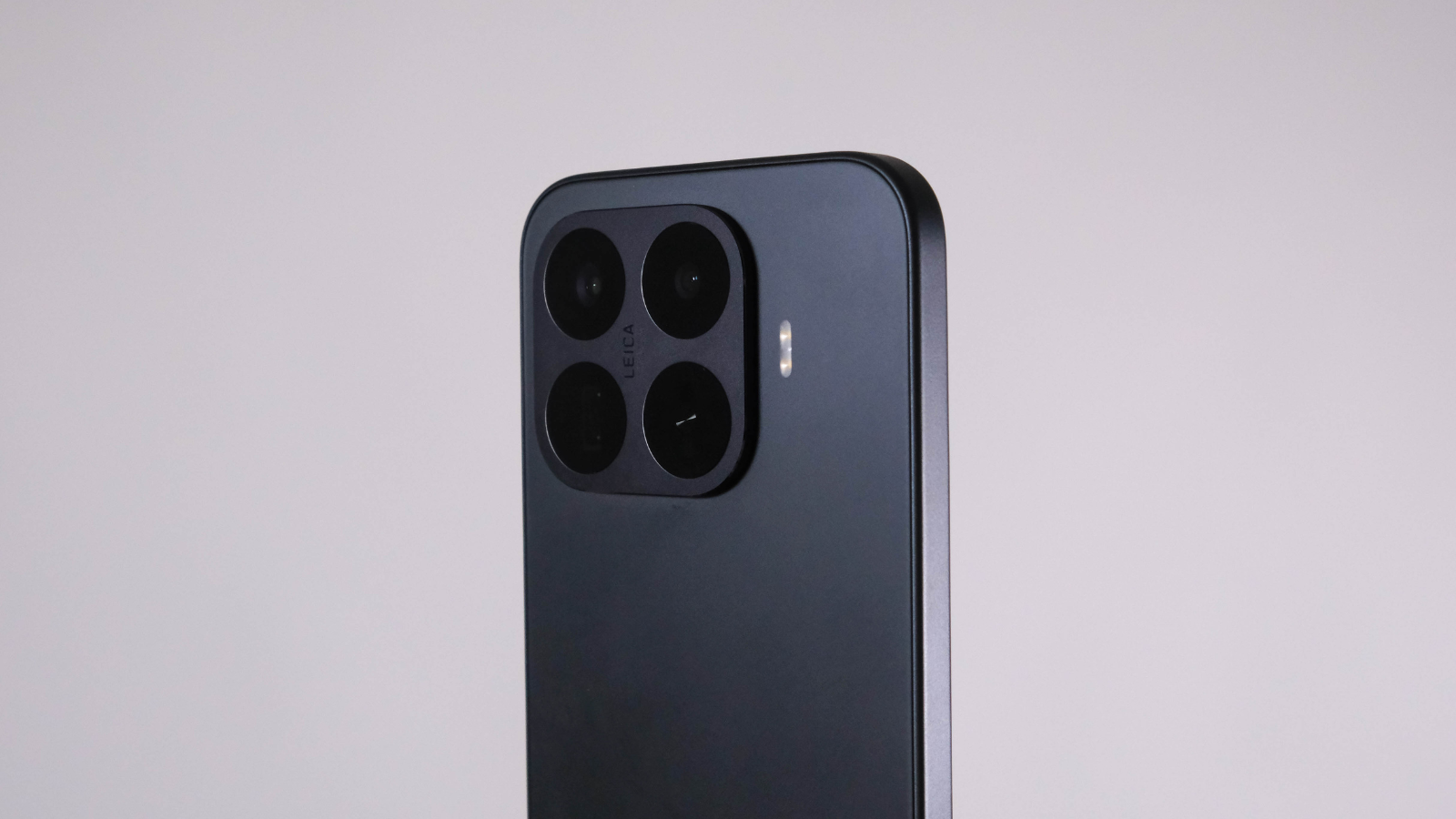
This is usually the bit we’d show you the images the 17T is capable of capturing. That hasn’t happened here, so you’ll just have to take our word that the 17T lives up to the Leica-heavy marketing Xiaomi has pushed. There are three Leica-made cameras to mess around with on the rear. The one you’ll play with most is the 50MP main shooter, but the 50MP telephoto and 12MP ultrawide are still very much worthy of your attention.
It was difficult to take a bad image on the 17T. Even without any tinkering, the returns proved sharp and vivid enough that we’d have happily thrown them up on Instagram. You’ll be rewarded for sifting through the settings, which were easy enough to get to and should definitely be messed around with to get that perfect shot. One of those is a beauty filter that we came out the other side of looking a little too beautiful that we weren’t fond of.
We even managed to get some decent up-close shots using the 17T’s super macro mode, though the loss of detail is noticeable if you keep your eye on it for too long. Anything captured on the 5x telephoto lens came out the other side looking good, but there’s definitely a lack of richness that you wouldn’t find on something more premium.
We didn’t get much mileage out of the 32MP selfie camera, but that’s more to do with our failings than any Xiaomi has implemented. The shots it caught were sufficiently detailed and colourful, and the AI-powered mole remover perhaps a little too much so. It did its job, we guess, and we can’t fault it for that.
Xiaomi 17T verdict
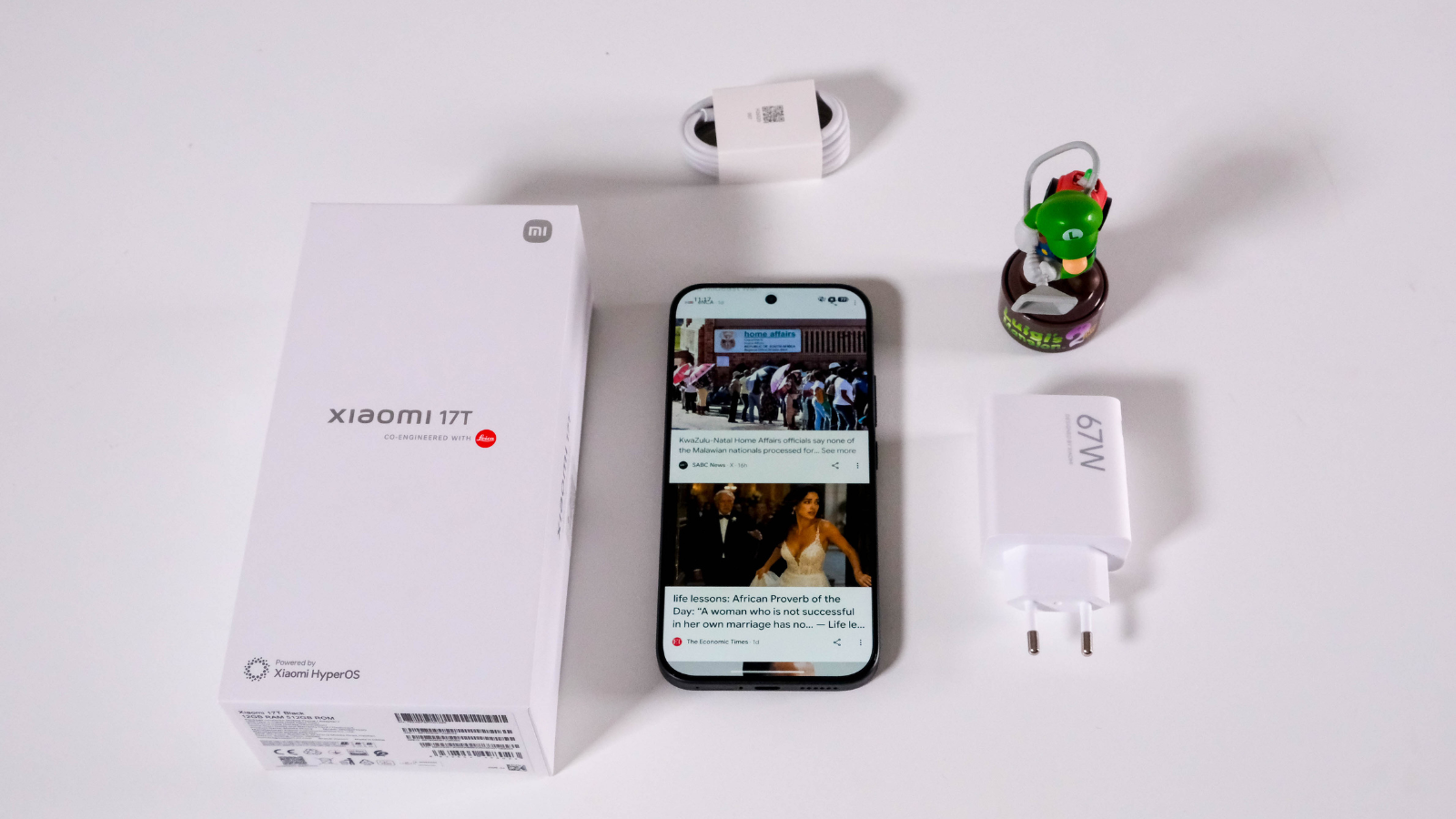
The Xiaomi 17T does nearly everything right. Nearly everything. That AMOLED display is stunning, the battery life is excellent, and the camera line-up will keep everyone but the pickiest photographers happy. There’s enough performance to make the benchmark figures largely irrelevant. Day to day, it’s a pleasure to use. Had Xiaomi slapped a different (read: lower) price tag on it, we’d have very little to complain about.
But that’s the problem. At around R19,500, the 17T finds itself in flagship territory without quite offering a flagship experience. The plastic frame is easier to forgive at R14,000, and the perfectly capable Dimensity chip just falls short of justifying the asking price when similarly priced rivals are packing faster hardware. As it stands, the Xiaomi 17T is easy to like, but harder to recommend.




1 Comment
That pricing is ridiculous. You can get the 17T Pro as a parallel import for R15k, which is much closer to where it should be priced.