
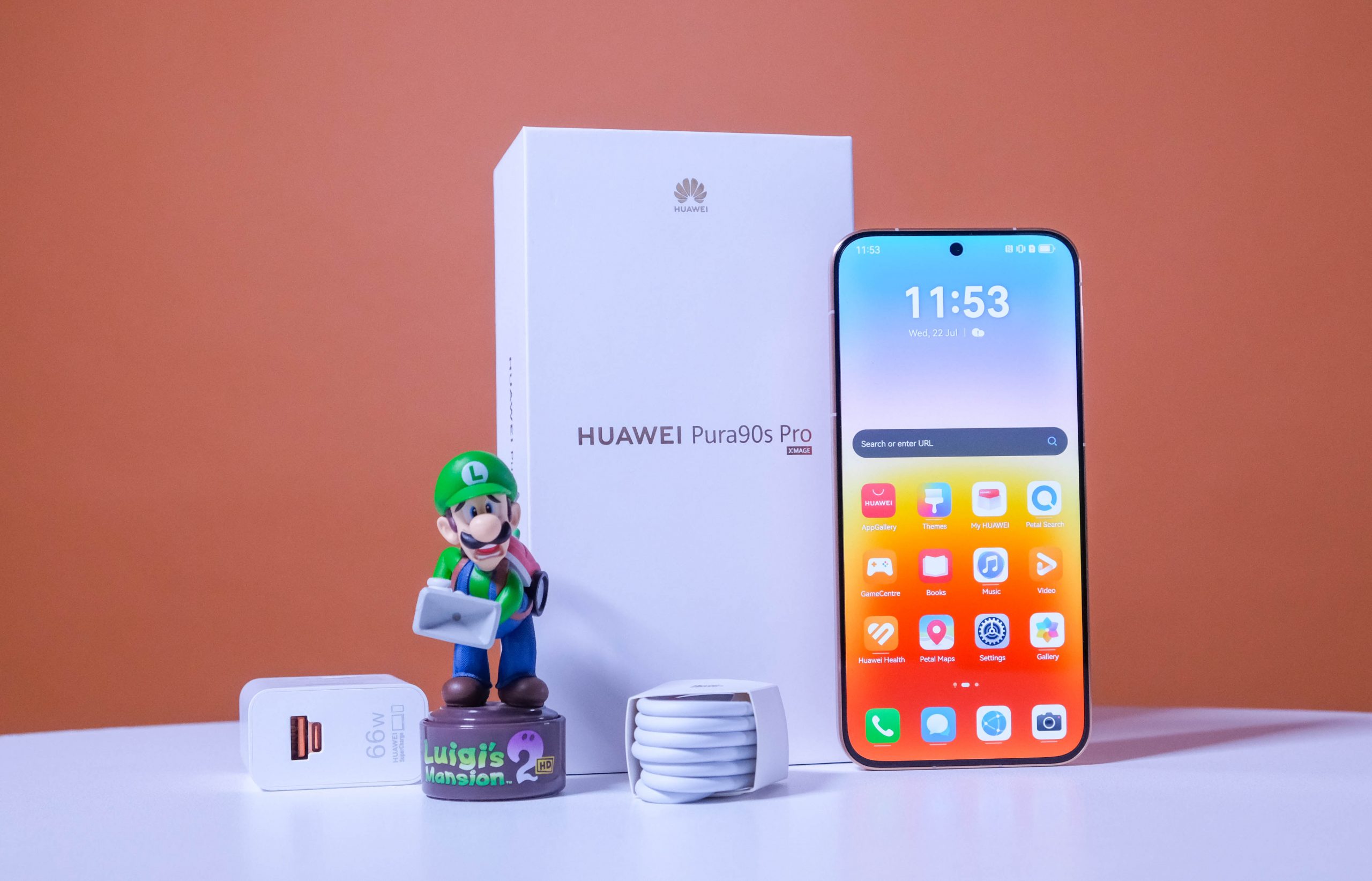
Huawei's Pura 90s Pro makes small but significant changes. Not all of these are for the better, but those that don't add much also don't take much away. The new, sharper external design sorts out one of the issues we had last year, but Huawei hasn't gone quite as hard on its camera tech this time around. The reasons why are obvious (the AI-created semiconductor shortage, in case you missed it), but the 90s Pro has emerged from the other side mostly unscathed.
-
Design
-
Display
-
Performance
-
Battery
-
Camera
-
Value
The Huawei Pura 90s Pro both closely resembles and looks nothing like its immediate predecessor, the Pura 80 Pro. The older phone included rounded corners and a generally more curved design than this year’s model. There also wasn’t a lowercase ‘s’ on the box.
But this year, you can expect more angles and a blockier presentation. Whether it’s been nicked from the iPhone’s design rather than Samsung, that just seems to be the way folks are going these days. But what you will get is a decently powerful smartphone (this time with 5G) that is laser-focused on delivering an excellent camera experience.
Premium orange
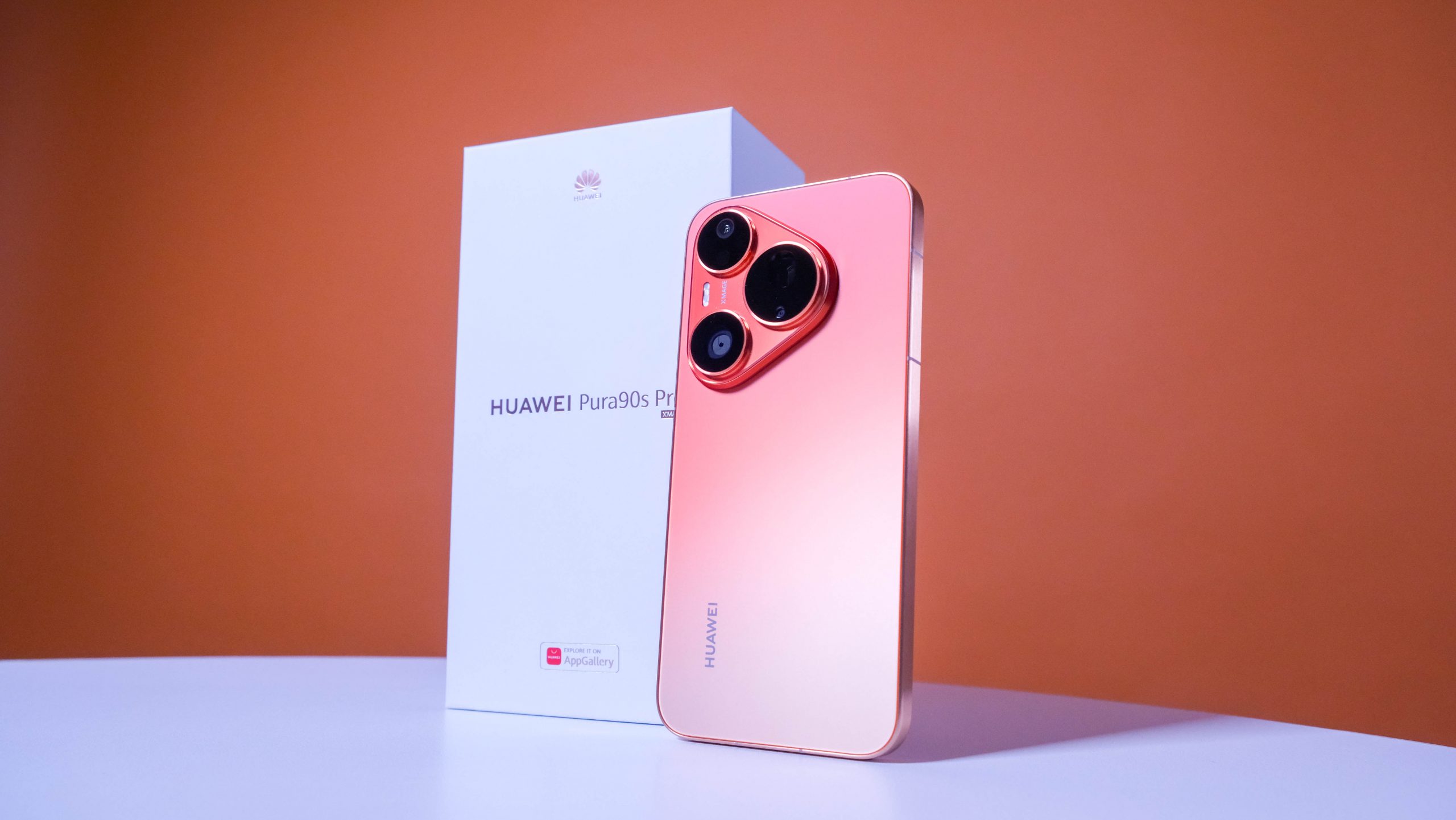 The Pura 90s Pro’s attempt to look more modern means that there’s little to set it apart from the current crop of smartphones. Everyone is doing rigid edges, cleaner lines, and bulky camera bumps. At least Huawei has kept its sideways triangle. That at least looks distinctive. It’s also a bugger to handle without the company’s included clear case.
At 8.2mm thick, the Pura 90s Pro isn’t auditioning for the role of ‘thinnest smartphone ever’. That works in its favour, as it happens. The thickness, 213-gram weight, and brushed metal frame all mark this R20,000 smartphone as something premium. The metal Orange Soda backplate (different from Honor’s Sunrise Orange) only reinforces this impression.
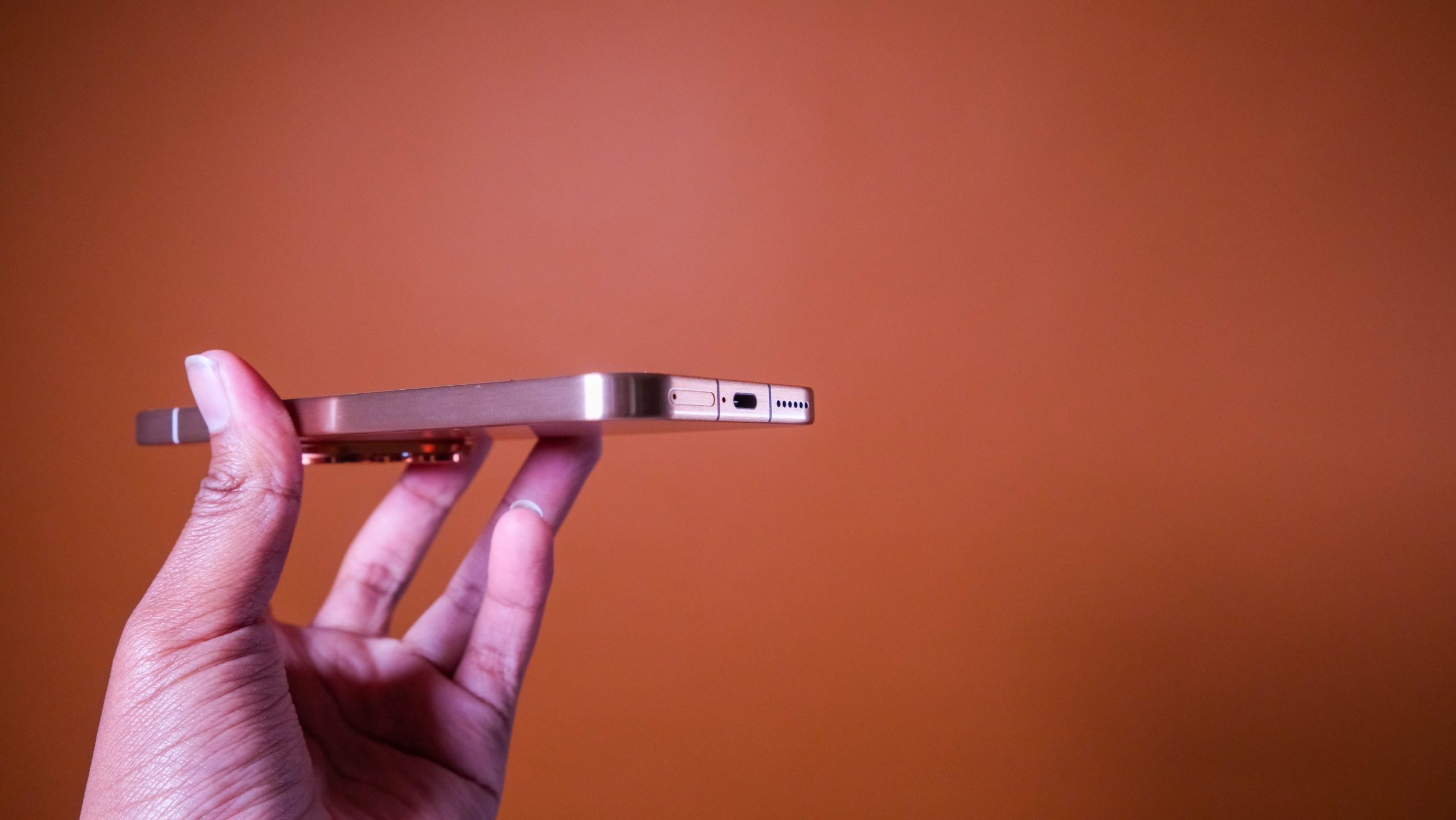
Otherwise, it’s impressively streamlined. Almost everything is centred on the bottom edge. The charge port, SIM tray, and major speaker vent are there. The only other accent is the physical key layout for volume and power. Huawei hasn’t gone for an extra physical button, like so many other brands of late. Most of what’ll interest you lives inside the phone.
Performance indicator
 On paper, there isn’t much difference between this phone and the Pura 90s Pro Max (R27,000 in SA) as far as performance goes. The bigger phone is… well, bigger. The 90s Pro features an excellent 6.6in OLED display, with a resolution of 1,256 x 2,760. The switch from the curved display simplifies multitasking, and there are fewer mispressed prods. Huawei has continued with its display quality in general, and you’ll struggle to complain about how images look on-screen.
Huawei’s own Kirin 9030S chipset ships with the phone, a slight upgrade on last year’s Kirin 9020. 12GB of RAM and 256GB of storage continue the trend of barely upgrading flagships, but there was plenty of power last time. It’s still there, but don’t expect much of a performance leap. You’ll still avoid stutter and slowdown, just as Huawei has somehow avoided (so far) kicking the price tag up by several thousand Rands.
One tricky aspect of our review — Stuff had one of the European Pura 90s Pro handsets. Those feature a slightly smaller battery than the 6,000mAh unit that lands in retail in South Africa. We didn’t notice any issues with the 5,500mAh version, so you’re unlikely to be disappointed with something larger.
Partner bloat
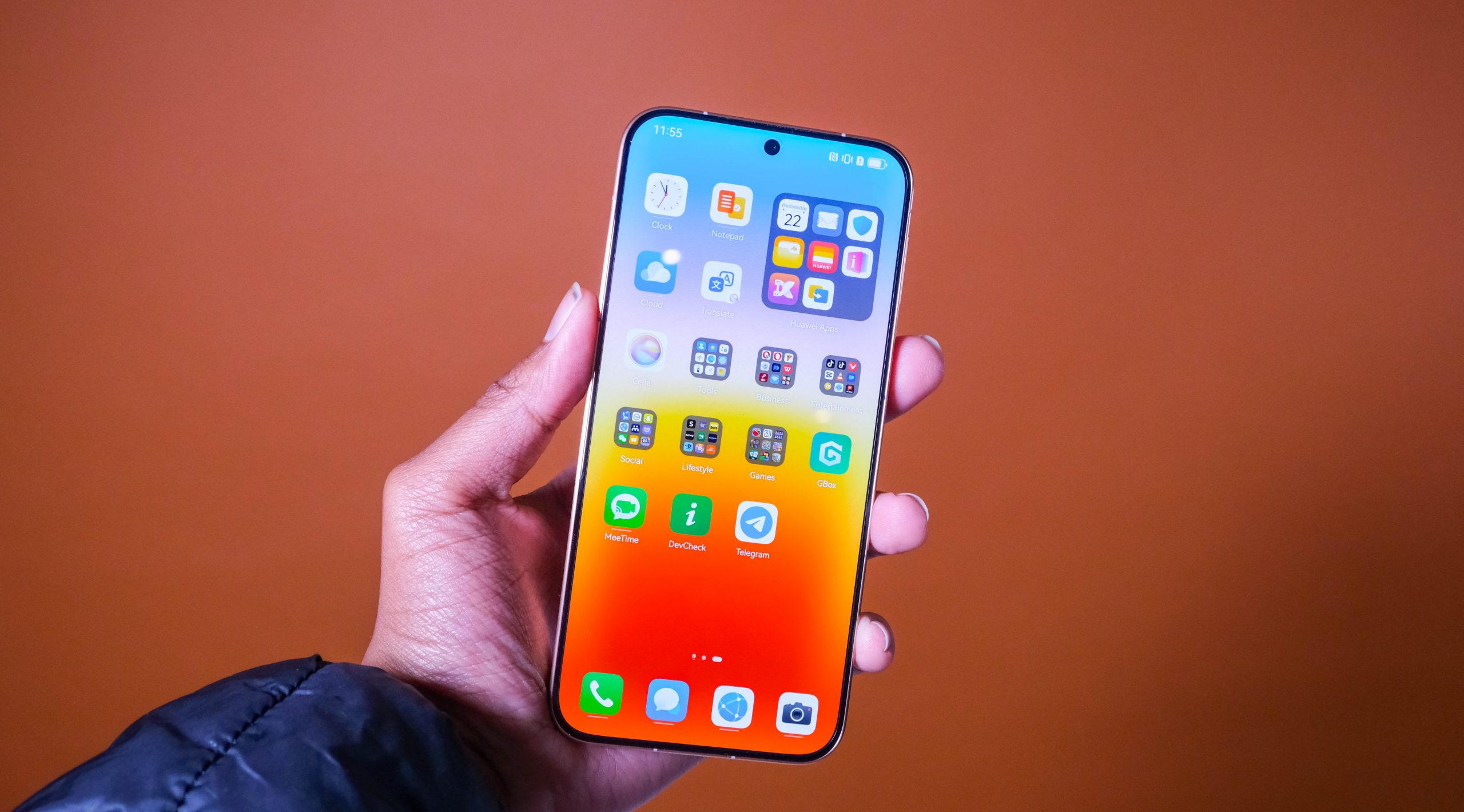 Less desirable, but also somewhat understandable, was the presence of bloat. Lots and lots of bloat. Several folders’ worth, but almost none of it was pre-installed. Huawei’s software sometimes makes finding decent versions of otherwise easy-to-acquire apps difficult, so having a list of them ready for quick download makes… a kind of sense.
That said, there’s not really any excuse for the sheer volume of crap collected in the folders. No excuse that’ll sound good to users, anyway. Huawei’s accountants have likely arranged extensive placement partnerships, which might help to keep costs down for the phone itself. It’s not like other smartphones haven’t ever had similar tendencies. At least these aren’t installed. They’re still an annoyance to get rid of, though.
The reason we’re all here
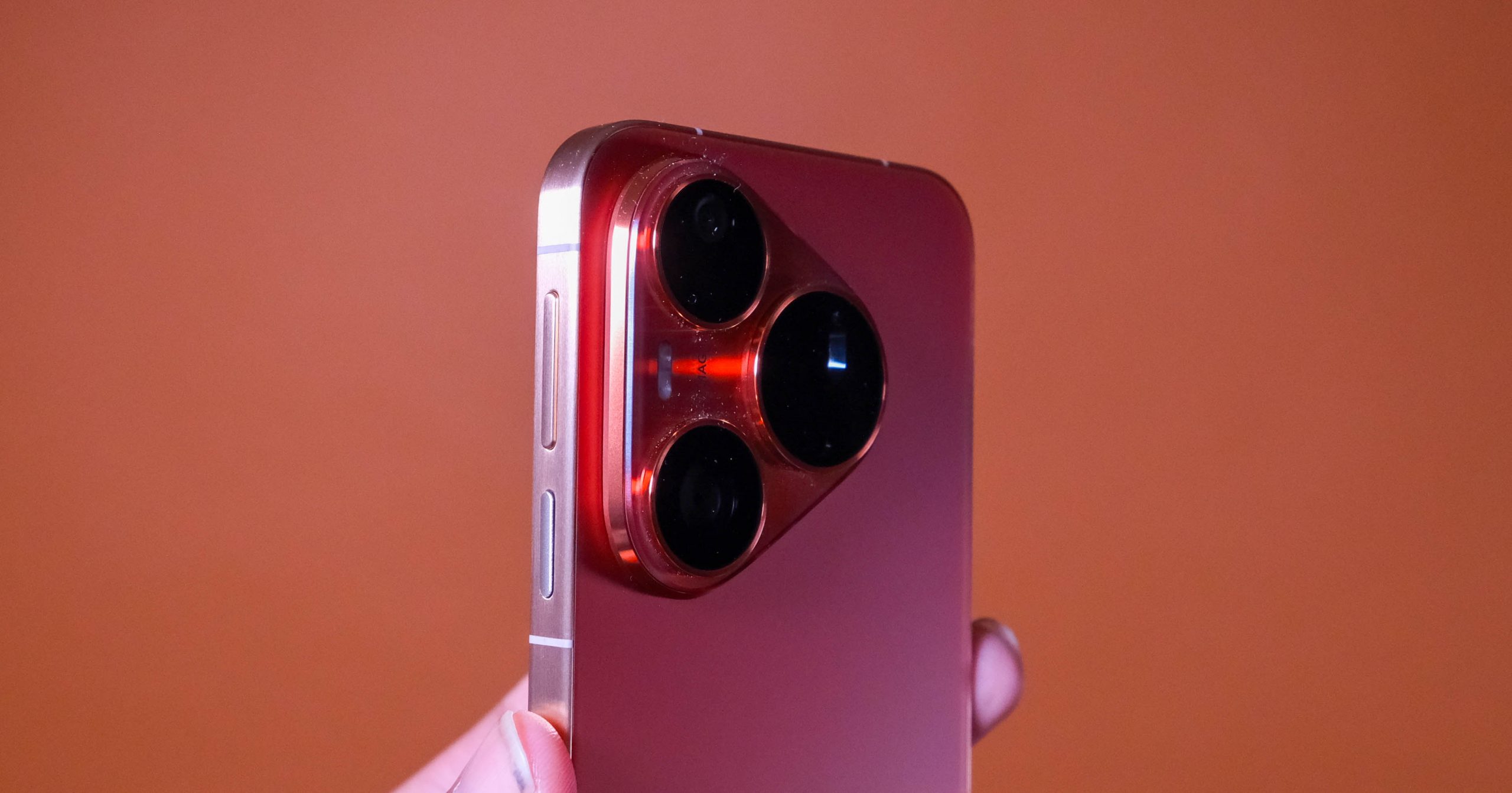 As with the Pura 80 Pro, it’s the 90s Pro’s camera setup you should really be eying if you’re looking for a mobile camera replacement. There are some changes to this year’s release beyond the tweaked name. If you’re a fan of pure numbers, those changes are a step back. The main variable aperture camera sensor is still there and still stocks 50MP of image capture in your hands. The 1in sensor has departed, which is a pity, but it’ll go a little wider this year, from f/1.4 to f/4.0. The telephoto gains a couple of megapixels, while the ultrawide… loses close to 30MP, for a final total of 12.5MP.
If it’s Huawei’s best camera performance you’re after, jump right into the Pura 90s Pro Max’s 50/200/40MP array. The 90s Pro won’t disappoint on the image front, supplying sharp, detailed images via the Chinese company’s lens and sensor tech. Dynamic range is fantastic, colour rendition is just as good, and it’ll handle itself well at nighttime. That covers pretty much everything you could point the 90s Pro at. The R20k price tag is justified by the setup here. Huawei’s software steps in to clean up most issues that the rear camera array might generate.
Huawei Pura 90s Pro verdict
 Many smartphones are making concessions this year. The Huawei Pura 90s Pro is no different, but in this one’s case, the sacrifices are small and very hard to notice unless you’re nitpicking. The cameras will still outperform their R20,000 price tag, and the cash price is attractive too. There’s a slight performance bump on last year’s model, but little else has changed besides the exterior design. Flattening the screen is actually a welcome difference, as it makes everything else easier to navigate. The worst thing about Huawei’s newest? Four folders filled with links to apps you’ll probably never use.