
Avengers: Doomsday is nearly upon us. But “nearly upon” doesn’t really help you right now. To hold you over between Marvel’s last big outing — Spider-Man: Brand New Day — the comic conglomerate has brought about an end to the WandaVision trilogy (duology, if we’re being real) in the form of the Disney+ VisionQuest.
Now that VisionQuest has wrapped up all eight episodes, we spent the weekend diving in to not only catch up ahead of Avengers, but also to put pay to one of the better arcs that Marvel has conjured up in the Disney+ era. The conclusion pits two of the MCU’s greatest to do it (Paul Bettany and James Spader) against one another.
Tunnel Vision
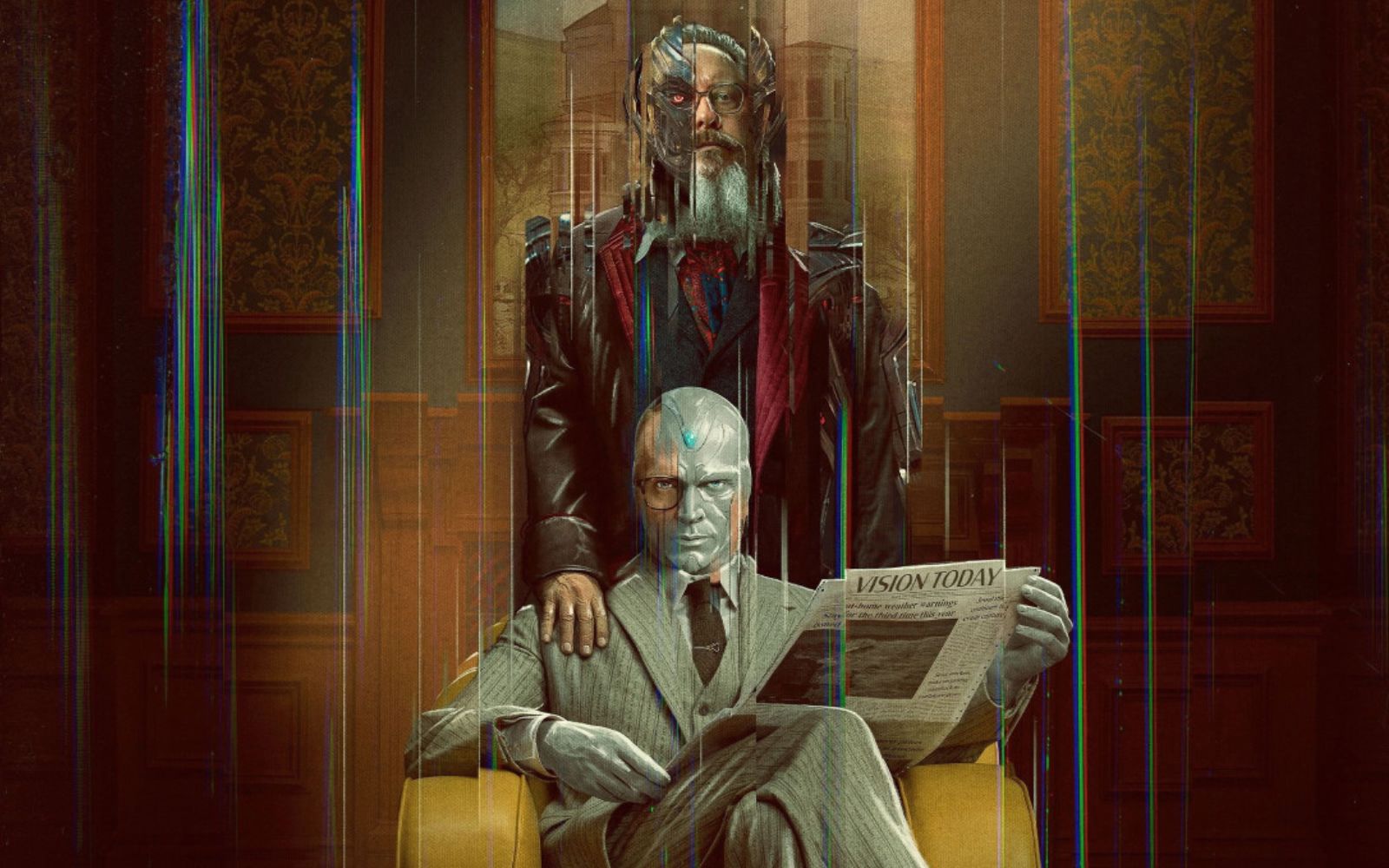
You read that right. James Spader is back in the MCU, more than a decade after his tenure in Age of Ultron. That’s not a spoiler. If you somehow missed the trailers, press, and even the poster revealing Spader’s return, the show itself doesn’t waste time getting to the point. This isn’t some one-off cameo appealing to your nostalgia.
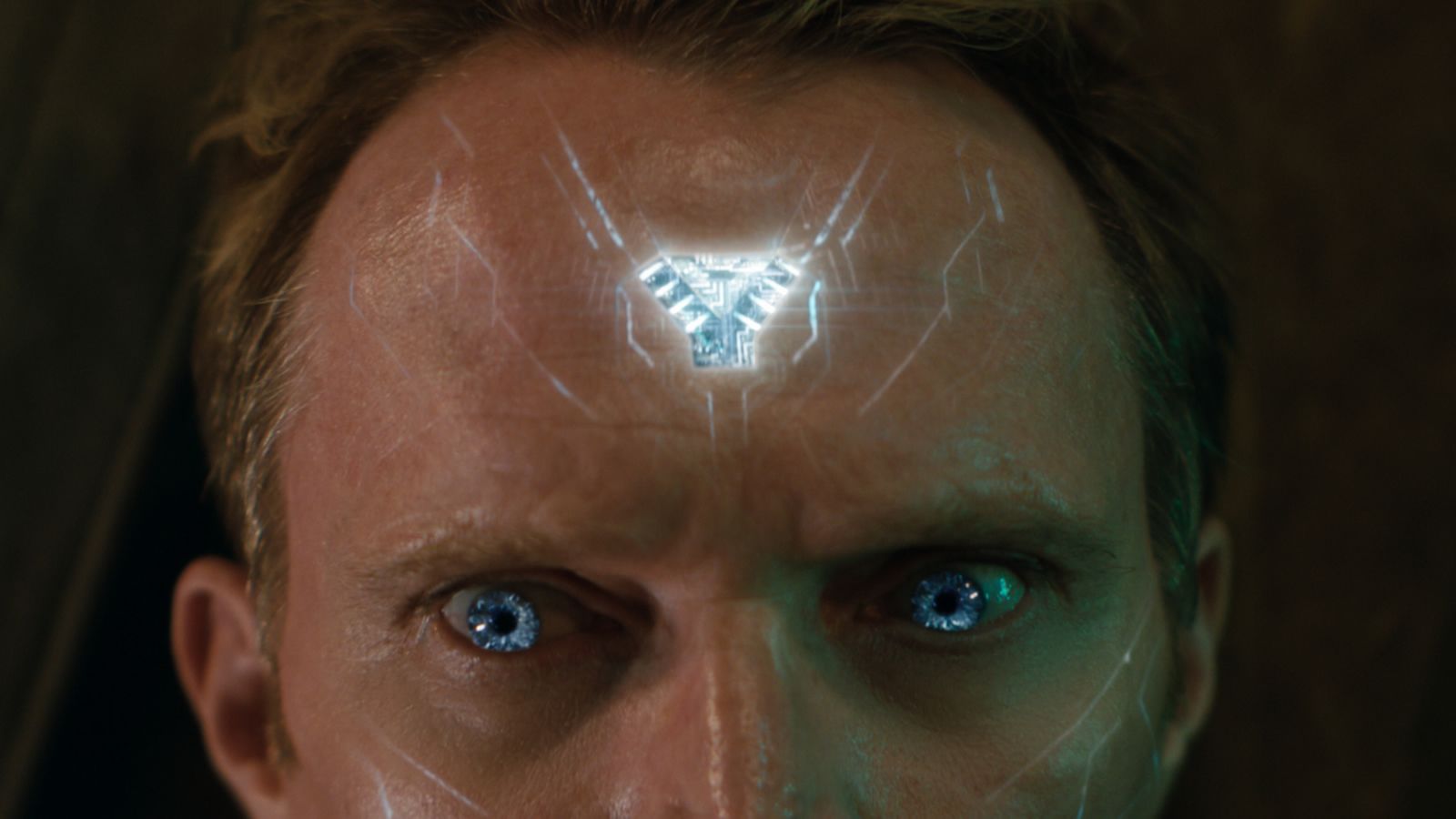
The Vision, if you’ll remember, is no longer around as of the end of WandaVision. Technically. The Vision conjured up by Wanda’s witchy hex said goodbye to the mortal world, while the corpse of real Vision™, blessed with all of his former memories, disappears to who knows where for some soul-searching.
VisionQuest picks up with Vision living a quiet life in Scotland, following a convoluted trail of memories he can access, but never truly feel. He’s staying low, in the place he once hoped to live out his life with Wanda, in an attempt to try and become human, as far as that’s possible. One of the ways he’s doing that is by personifying all of the various AIs throughout the MCU inside his very head. Jarvis, Edith, Friday, and… Ultron.
The promise of two greats going head-to-head — not necessarily striking metal against metal — but seeing them duke it out through dialogue was, and still is, an intriguing premise. VisionQuest does slightly overstay its welcome, evidenced by the continual focus on the ‘human plot’ that also bogged down WandaVision. We’re not talking about Tommy [redacted], but rather Paladin, a human, who serves as the early antagonist in the series.
That Philomena punk
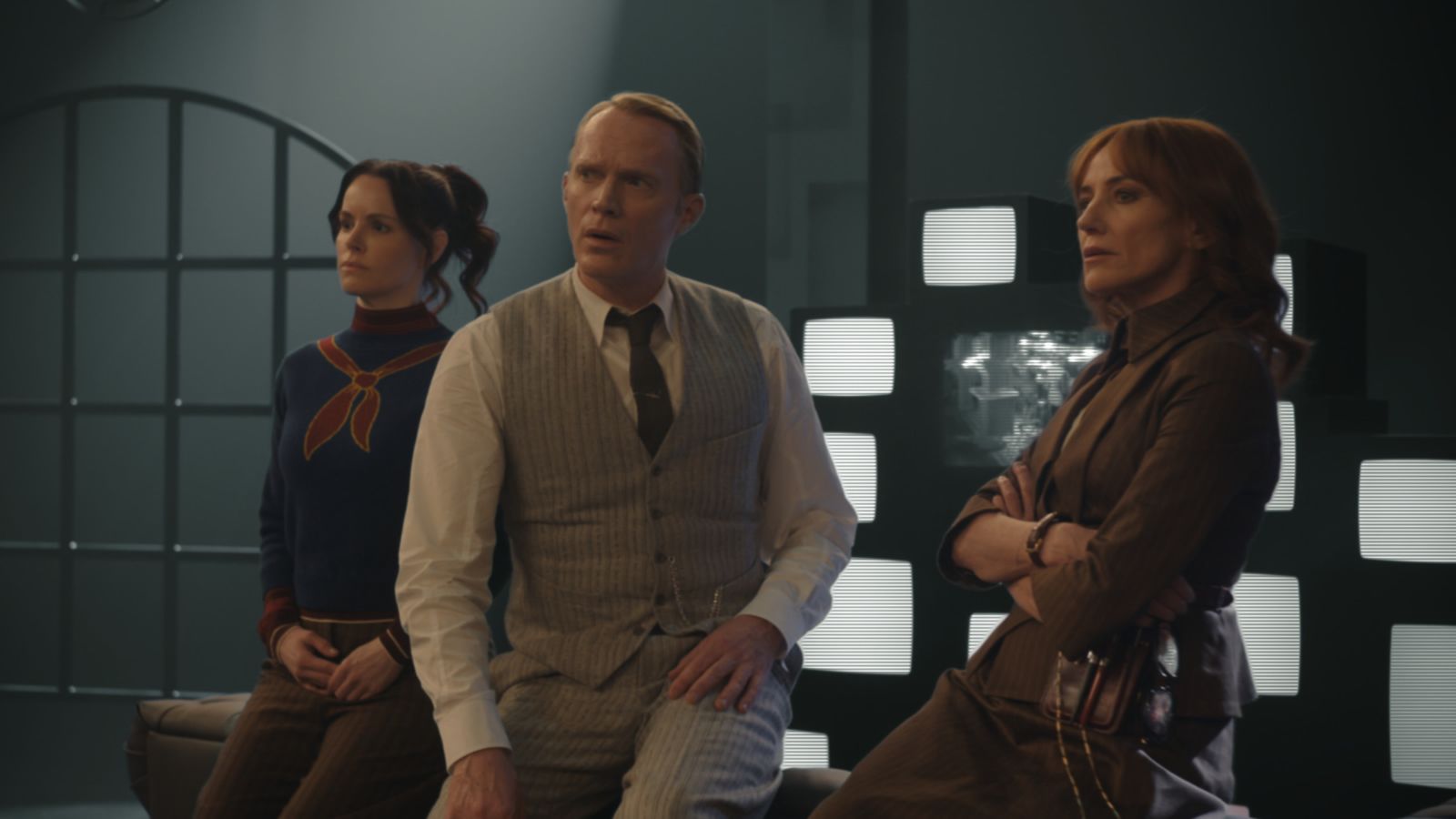
VisionQuest is at its best when it centres on Vision interacting with his collection of AIs — with the chosen crew all playing their bumbling human personas convincingly (James D’Arcy and Orla Brady are the standouts). But the higher-ups at Disney+ can’t let a good idea pass by without heaping mediocrity in; viewers will have to put up with the presence of Todd Stashwick and the loathsome Diane Morgan, though admittedly only in short bursts.
Neither inclusion is quite as egregious as Ruaridh Mollica’s performance, however. While Stashwick and Morgan at least have the decency to keep their screen time to a minimum, Mollica plays a pivotal part in weaving together this VisionQuest narrative. It’s such a baffling blemish on an otherwise great show, only because Mollica is so hit-or-miss. In one scene, he’s holding his own against Bettany and in others, being upstaged by the extras.
That inconsistency isn’t entirely on Mollica. Just as much of the blame lies with the writers who, like us, were searching for excuses to make this series as long as it is. Spader and Bettany, the real heart of the show, manage to act through the erratic writing and make it work, while the newbies here let it bring down their performance.
For the majority of VisionQuest’s eight-episode runtime, however, it knocks its premise out of the park. It’s disconnected enough from the wider MCU to stand on its own two feet, but still leaves our favourite characters’ arcs — Vision and Ultron — ambiguous enough to keep you guessing. Combine that with the fabulous set dressing, decent score, and that added post-credit scene, and you’ve got a recipe for something great.