

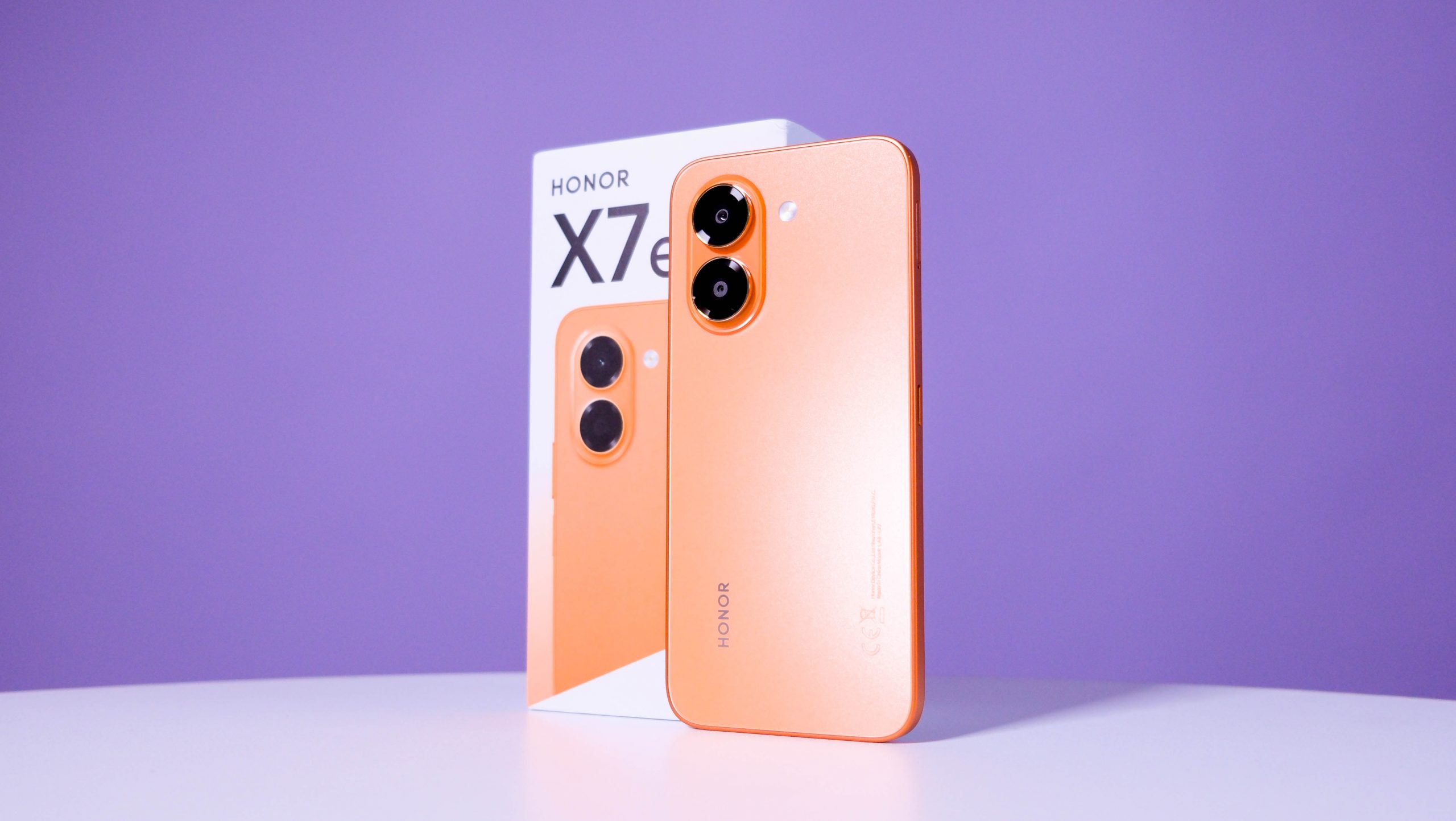
Honor's newest budget phone is a solid use of your money if you're looking at it alone, but if you're coming from the X7d, you might as well stay there. The X7e coats its collection of minor downgrades in a shiny cosmetic layer. You're supposed to be distracted by how it looks (and its freebies) for long enough to buy one. The camera and large battery are the best performers. Everything else, Honor's lineup has done better elsewhere.
-
Design
-
Display
-
Performance
-
Battery
-
Camera
-
Value
Honor’s budget X7 smartphone lineup has, inevitably, resulted in the X7e making landfall in South Africa. As you might expect in 2026, it’s a touch more expensive than last year’s model. It’s also quite an attractive-looking phone.
Honor’s offering, via Vodacom at any rate, makes itself more attractive by supplying some wristwear and earbuds. Bought alone, the price increase is a little more obvious. Whether there’s much benefit beyond the visual overhaul remains to be seen. You’ll see before you get to the bottom of this page. Or you could cheat and read the summary before deciding to buy/not buy one.
Visual learner
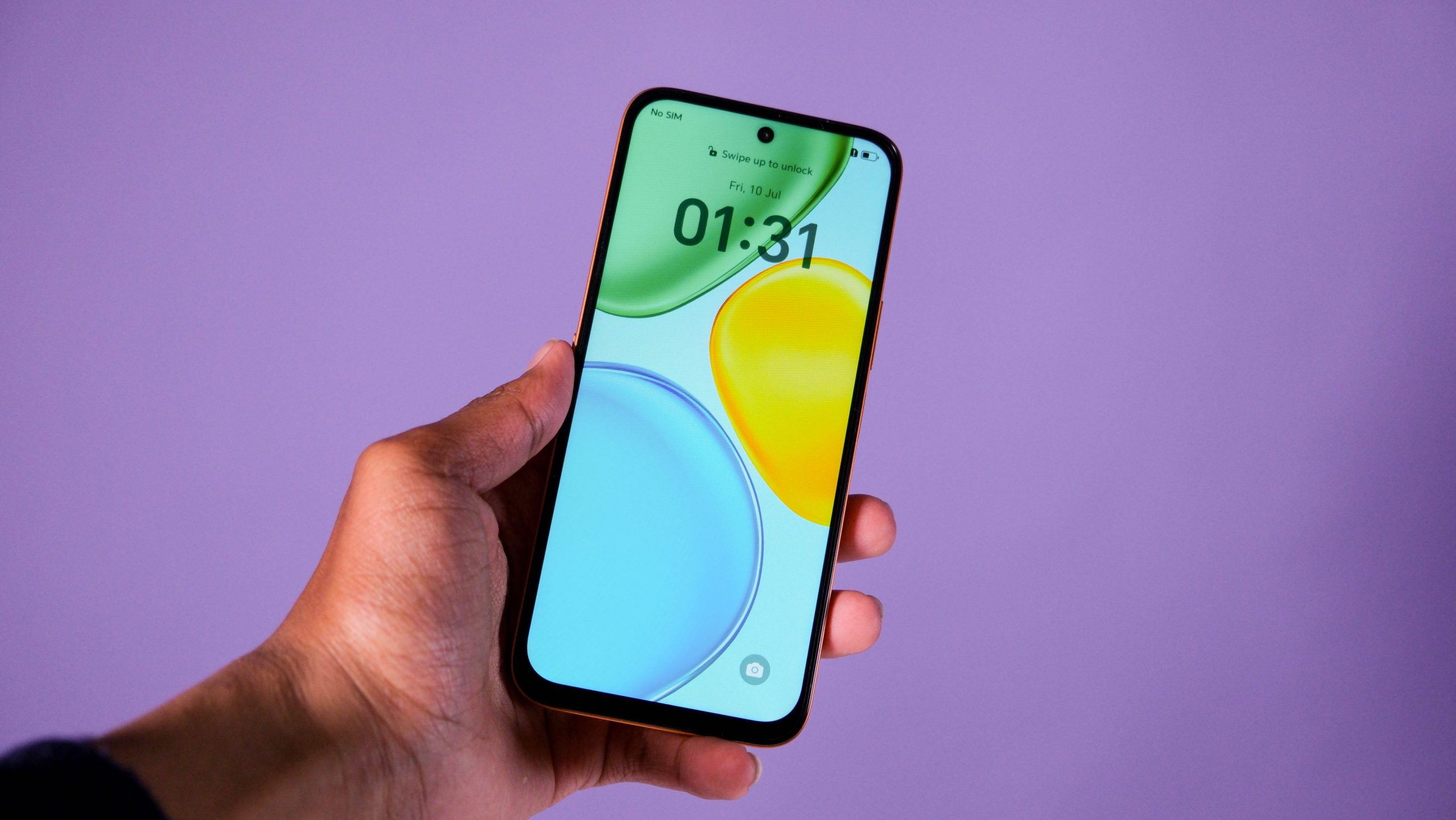
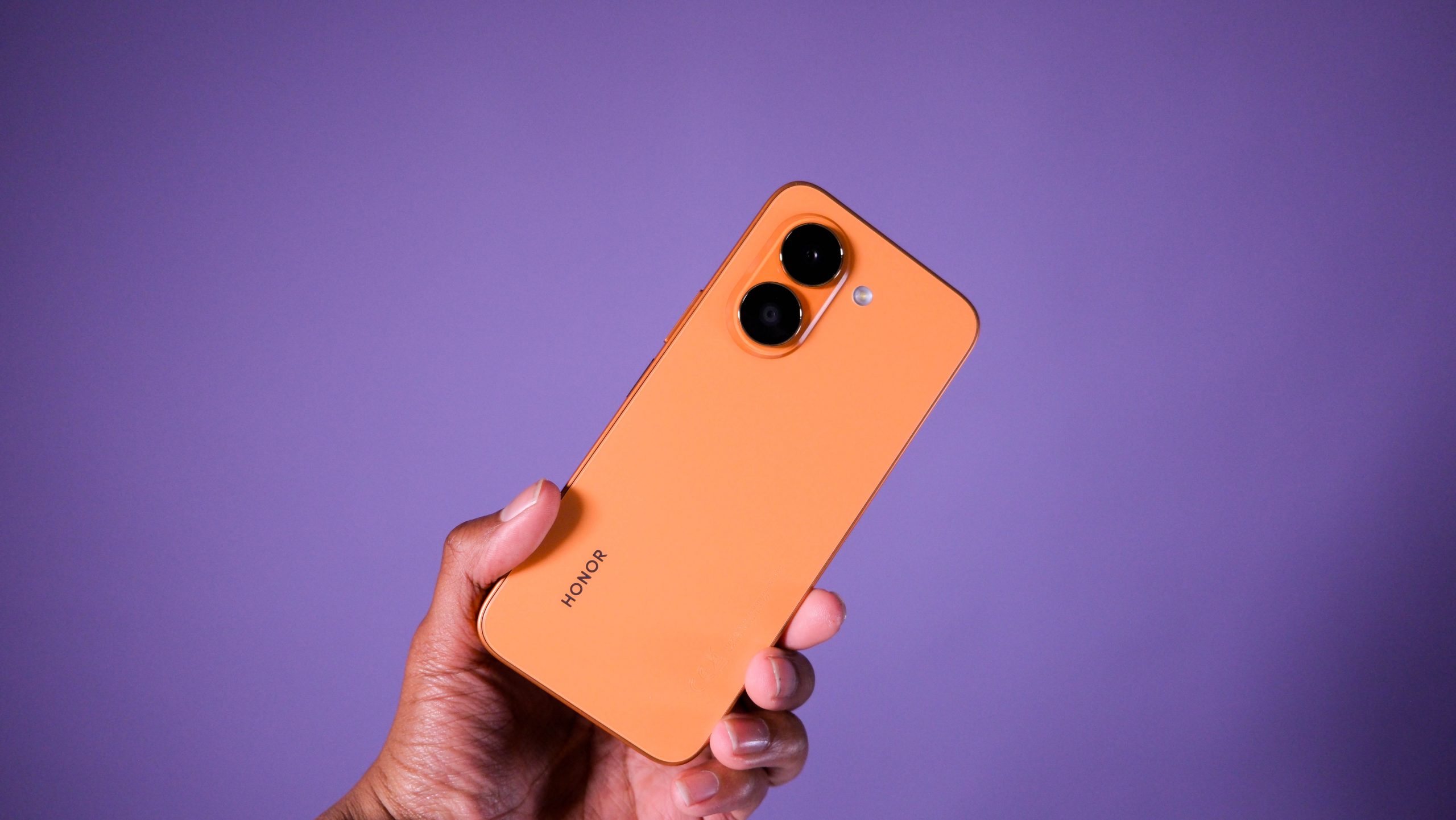
There’s no denying that Honor’s newest budget phone is a looker. We were sent the Sunrise Orange version, because Honor knows that’s the best-looking one. There is one other shade — Midnight Black, we think — but it’s far more conventional in appearance. Whichever you select, it’ll look more expensive than it actually is. For some folks, that’s the entire point.
Otherwise? It’s a conventional smartphone. There are crisper edges and a flatter display than previous models in the lineup. The back panel is begging to wear the clear plastic case Honor provides in the box, if only to mitigate the size of the camera bump. The physical elements are all where you’re expecting them — the volume and power on the upper right, a single button midway up the left edge (below the SIM tray), and the power port on the base of the phone. There’s even a 3.5mm headphone jack on the top edge, something we don’t often see these days.
Inside the box, below the phone and case, are a cable and a 45W charger block. Given how large the Honor X7e’s battery is, you’re going to want to make friends with those two items. It’s almost a pity that the Chinese brand didn’t splurge on some wired headphones.
Semiconductor shortage
 We suspect Honor has favoured external attractiveness (and a few freebies) to distract everyone from the fact that not much has changed from the X7d to the X7e. If anything, it’s a slight step back, hardware-wise. Previously, Qualcomm’s 6nm Snapdragon handled processing. Now it’s MediaTek’s 12nm Helio G81 Ultra. RAM and storage haven’t changed, though Honor has dropped the 8GB/256GB model from its lineup. And there are steps back in the camera department, but we’ll get there.
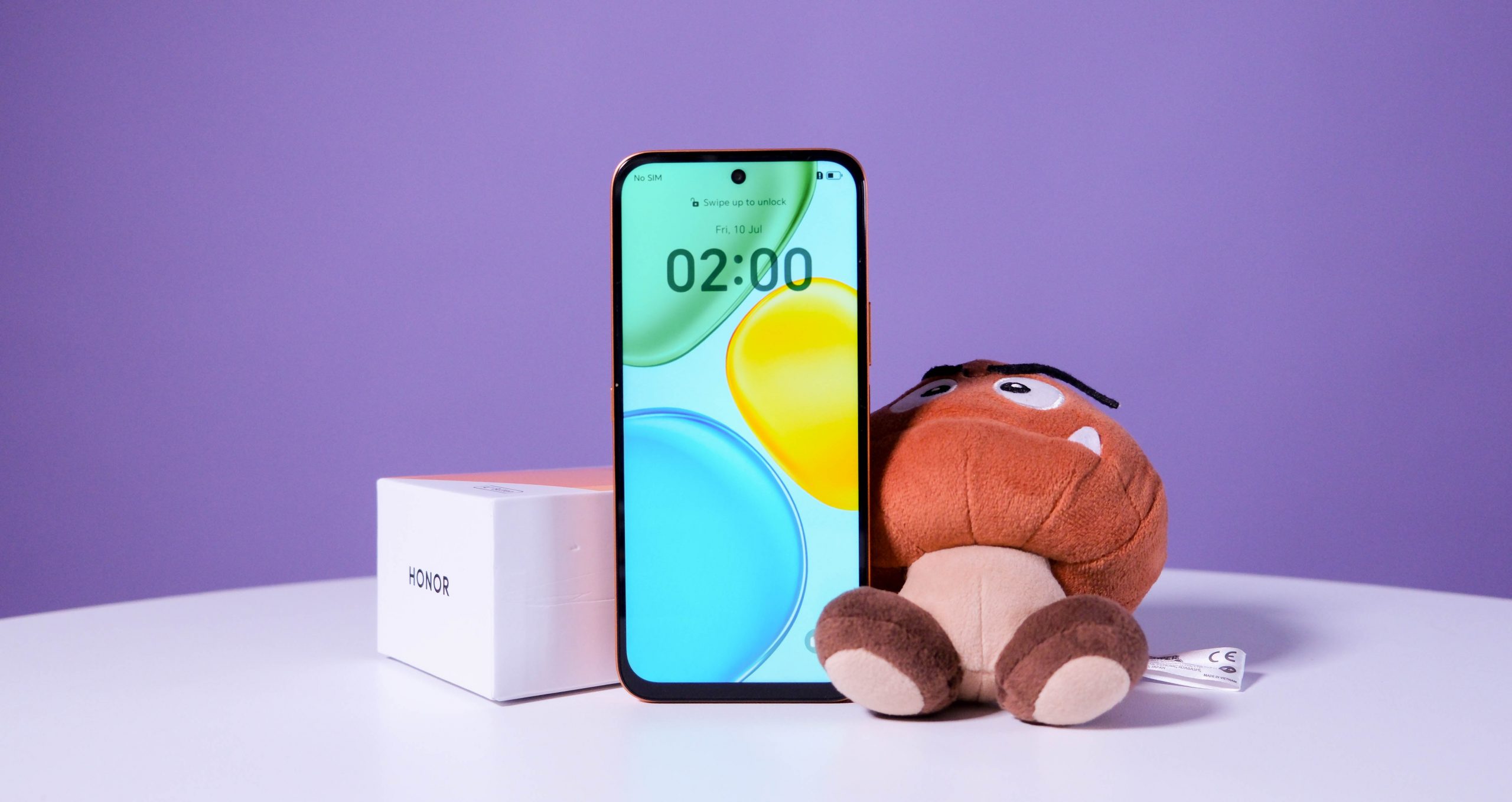
The 6.6in LCD display is still bright enough to blind you in total darkness (keep the adaptive setting on and hope it works fast enough), but it’s smaller than last year’s 6.77in screen. It lacks the punch you get from AMOLED, but it also lacks the price tag. Honor’s default colour scheme also won’t make your eyes bleed quite as much as Samsung’s design choices. Going from one to the other makes the X7e feel a little washed out at first glance. That’s just your brain readjusting to something more sensible. It’s still not true-to-life, with a little too much white balance in the mix, but it’ll do.
Performance-wise, there’s not much to complain about if you’re sensible. Multitasking is possible, but with just 6GB of RAM in your pocket, you don’t get to go overboard. We noted some slowdown when the X7e is processing stuff in the background, just with general tasks. If you’re a one-at-a-time sort of user, you shouldn’t encounter anything like this. If you’re hoping to swap between tasks — even though the software permits it — you’ll run into the odd bit of stutter. That’s less lag present in the camera than we’d feared, at least.
Turning 50 on its head
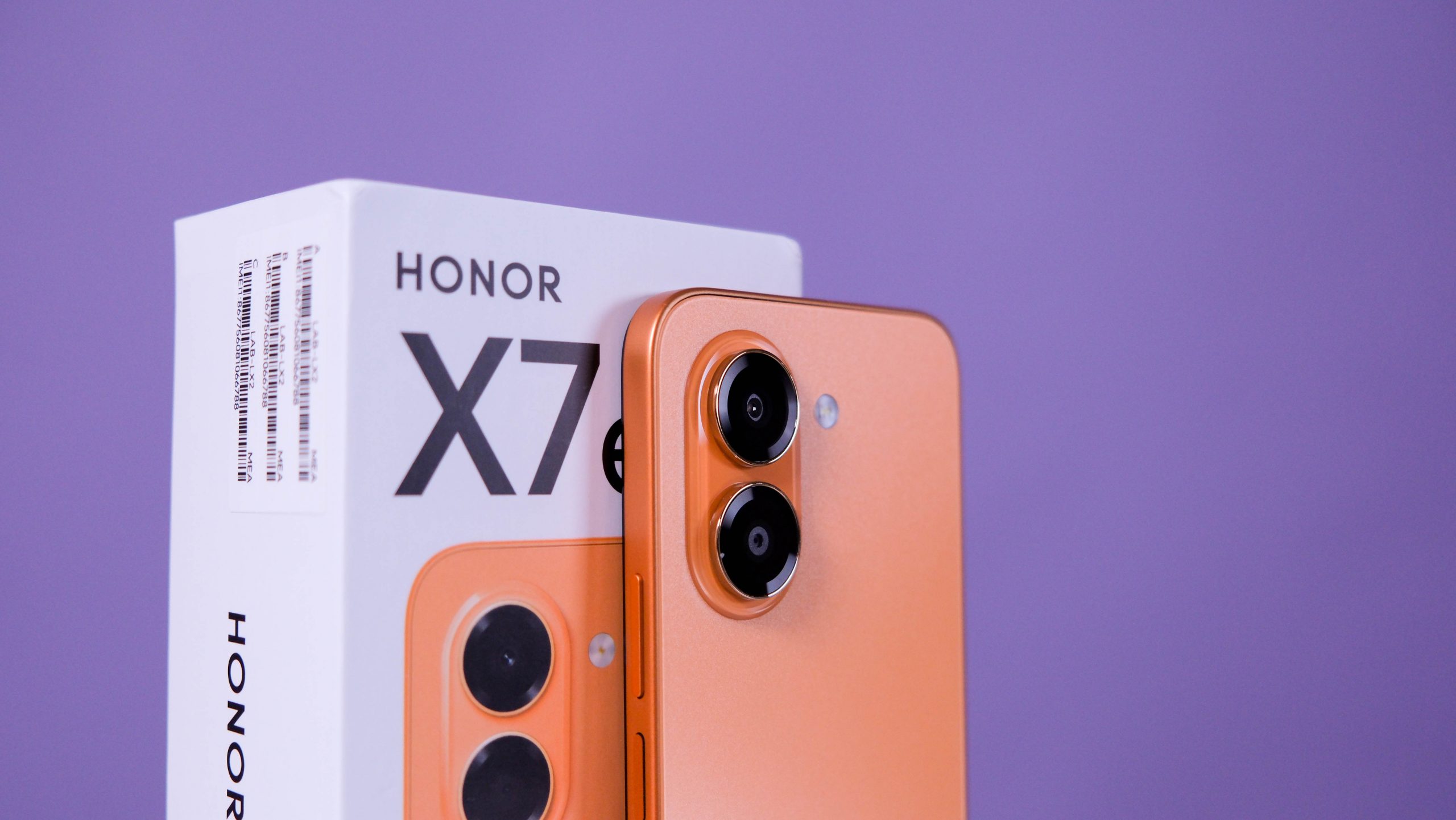 It might look like there’s a dual camera on the back, but even Honor isn’t impressed with the secondary. The company calls it an “auxiliary lens” and then refuses to elaborate. The star of the show is the AI-assisted 50MP main sensor, which isn’t dissimilar to last year’s phone. We suspect the cameras are actually identical, with just software turning up any improvements.
The level of detail in shots is impressive, given that there’s just a 50MP main sensor to really play with. Honor’s software does much of the work, but the camera hardware isn’t a slouch. Standard and portrait shots offer crisp, clear images in most conditions. You won’t trouble camera systems that include RAW support, but other phones in the R5,000 to R6,000 price bracket will struggle to compete. Even pricier handsets might struggle to match up with the Honor X7e’s performance. It’s just a shame that this, and the 7,500mAh battery, are able to overshadow every other feature the phone has.
Honor has stepped back from its waterproofing. The X7d featured an IP65 rating. The X7e turns up with an IP64 certification, but it’ll also supposedly handle a 1.8-metre drop without dying on you right away. The case may be instrumental. We’d hate to see those lovely edges chipped by concrete (though we’d give it a drop test if Honor was okay with it).
Honor X7e verdict
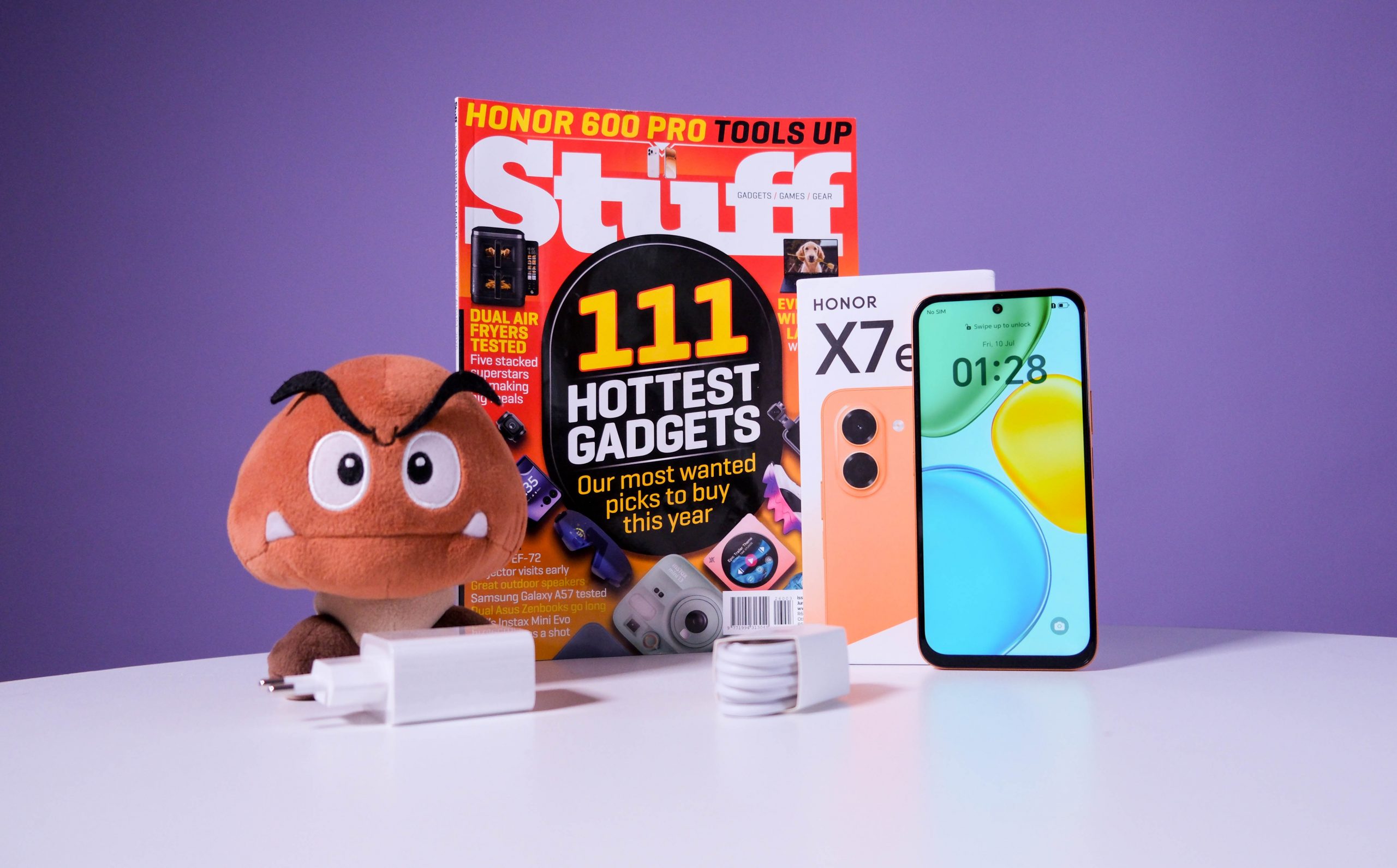 Honor’s X7e, taken on its own, is a very decent smartphone for its price. Compared to last year’s model, though, it’s a less well-rounded take on the brand’s budget lineup. You can still locate the X7d, with a similiar camera, 6,500mAh battery, 8GB of RAM, and 256GB of storage for less than you’ll pay for the X7e. If you favour balance over specific features — this one’s stonking big battery and excellent camera come to mind — it’s a better idea to nab an older model.
If you’d rather favour images and uptime, with a bit of basic artificial intelligence thrown in (you don’t really need it on a budget phone, but it’s nice to be able to brag), the Honor X7e might prove more attractive to you. Attractiveness seems to be Honor’s main aim, this time around, with the performance feeling a little secondary. That obviously doesn’t work for us, but sometimes it’s about how a thing looks rather than what it does.



1 Comment
Huawei’s Nova 15 Max too is less impressive than 2025’s Nova 14 & slightly upgraded but not worth the price, 14 Pro. Makers hope buyers will be distracted by a larger screen & display or other cosmetic changes not to notice the new device is not worth the increase over last year’s. Samsung Galaxy A27 another example. It’s a problem not confined to technology products, though, but everything on the shelves. (PS. I’m shopping for the Nova 14 but it’s only available online now, half price and less from its original R13K, a very good deal for what it is.)