
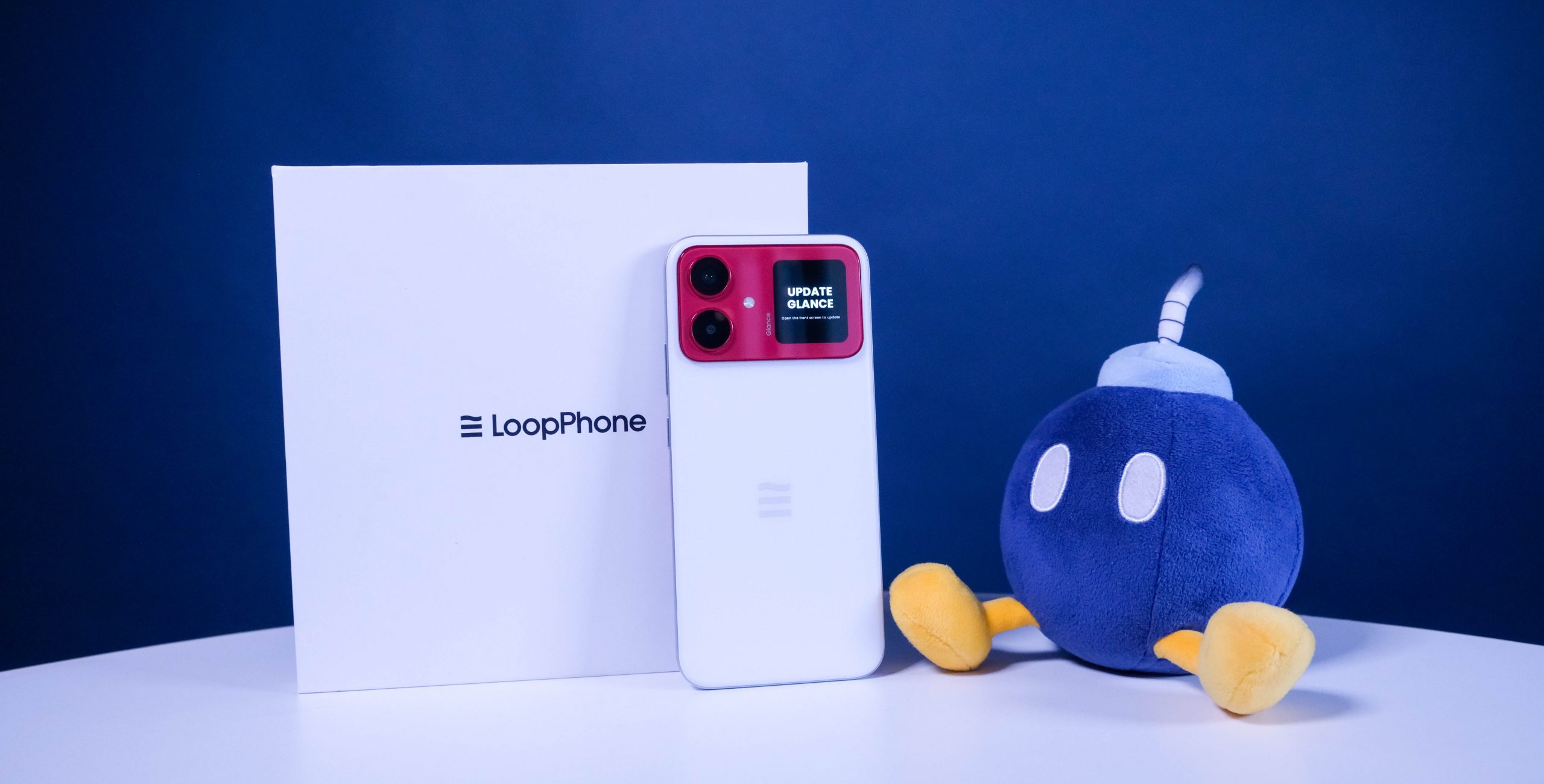
Rain's LoopPhone won't cause too much trouble for the bigger brands on the planet, but it also won't disappoint the folks who nab this one on the ISP's month-to-month offering. All of the biggest stuff is well handled. There's also basically zero bloatware, something we didn't see coming. If you stream everything and save your life to the cloud, then the LoopPhone will suit you extremely well.
-
Design
-
Display
-
Performance
-
Battery
-
Camera
-
Value
South African wireless internet provider Rain has had phone offerings for some time, but the LoopPhone is the company’s first real smartphone offering. It’s a bit tricky to review, too. Not because it’s substantially different from other smartphones. It’s more because it’s only available from one source. Or the second-hand market, we suppose, but it’s way too soon for that to be an option.
Any review of the LoopPhone as a device — and it is a good device — is tied to Rain’s monthly packages and network. If you’re not happy with what the company is offering, you probably won’t buy this phone. If, on the other hand, you’re keen on unlimited… everything, really, even when it’s confined geographically (more on that in a sec), then the LoopPhone makes a decent case for being your next smartphone.
Purple Rain
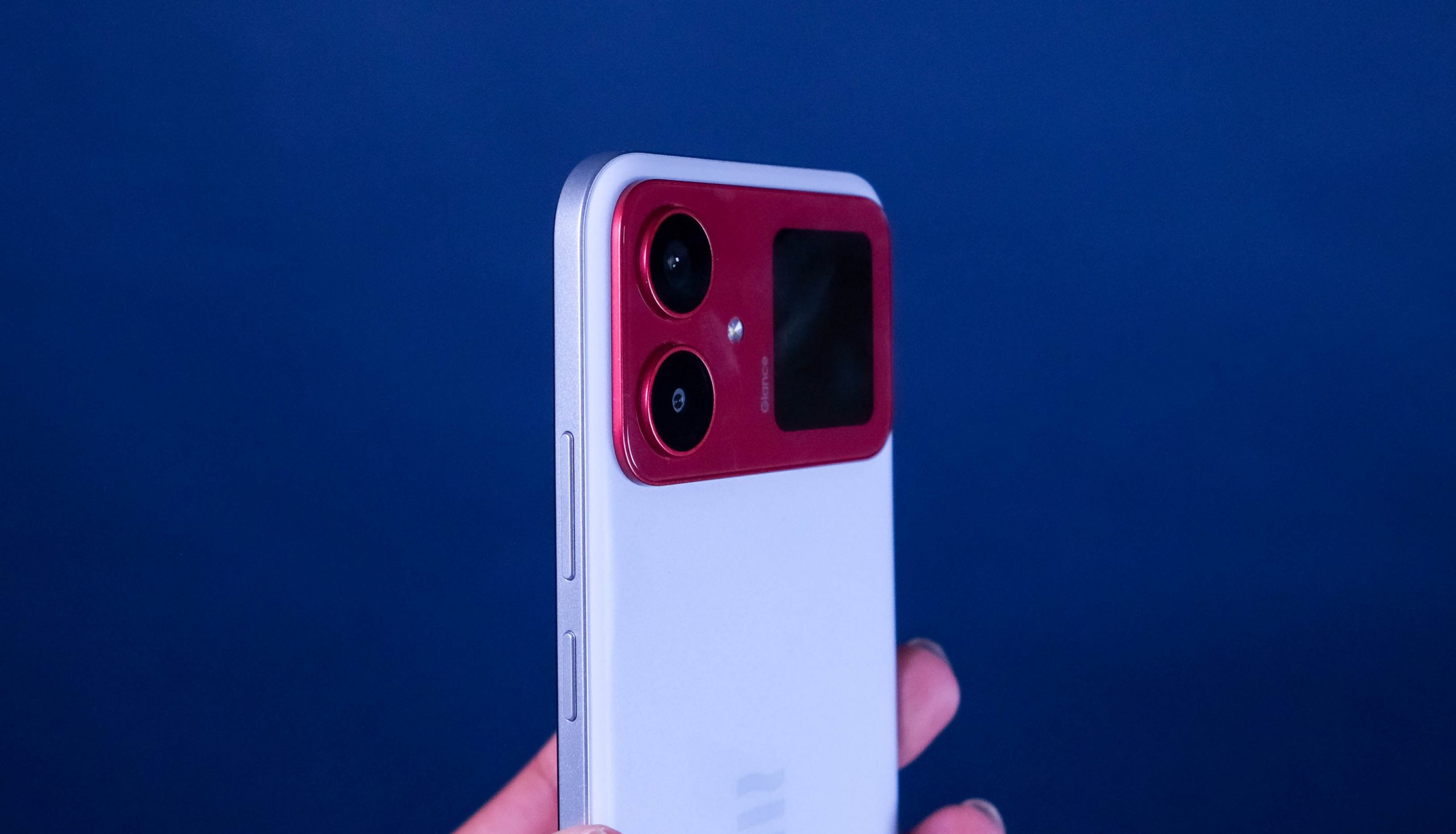 Okay, fine, the review handset we got from Rain is more of a magenta. That’s no excuse not to reference Prince whenever possible. All of Rain’s various shades use the same glass-backed design, with the camera island and included case giving them their final form. It’s unusual to encounter a phone that looks, and feels, better with its case on. In this er… case, the included protection is a soft plastic shell with a textured back. At a glance, it’d be easy to confuse it with Alcantara. You know, the stuff Microsoft used to stick on its Surface range?
The LoopPhone does look better with its case on. Otherwise, though? It mostly looks like every other smartphone. Until someone starts making them in different shapes, that’s something every mobile device has to contend with. The display is prominent, the physical buttons are where you’d expect them to be (top right edge), and there’s a USB-C port on the base of the phone.
There are also speaker vents on the top and bottom edges. No SIM tray, though. It’s going to be eSIM all the way. You’re also stuck with the default storage, because there’s just no way to cram any more in there. The frame looks nice and sturdy as a result, though.
A centimetre of Rain
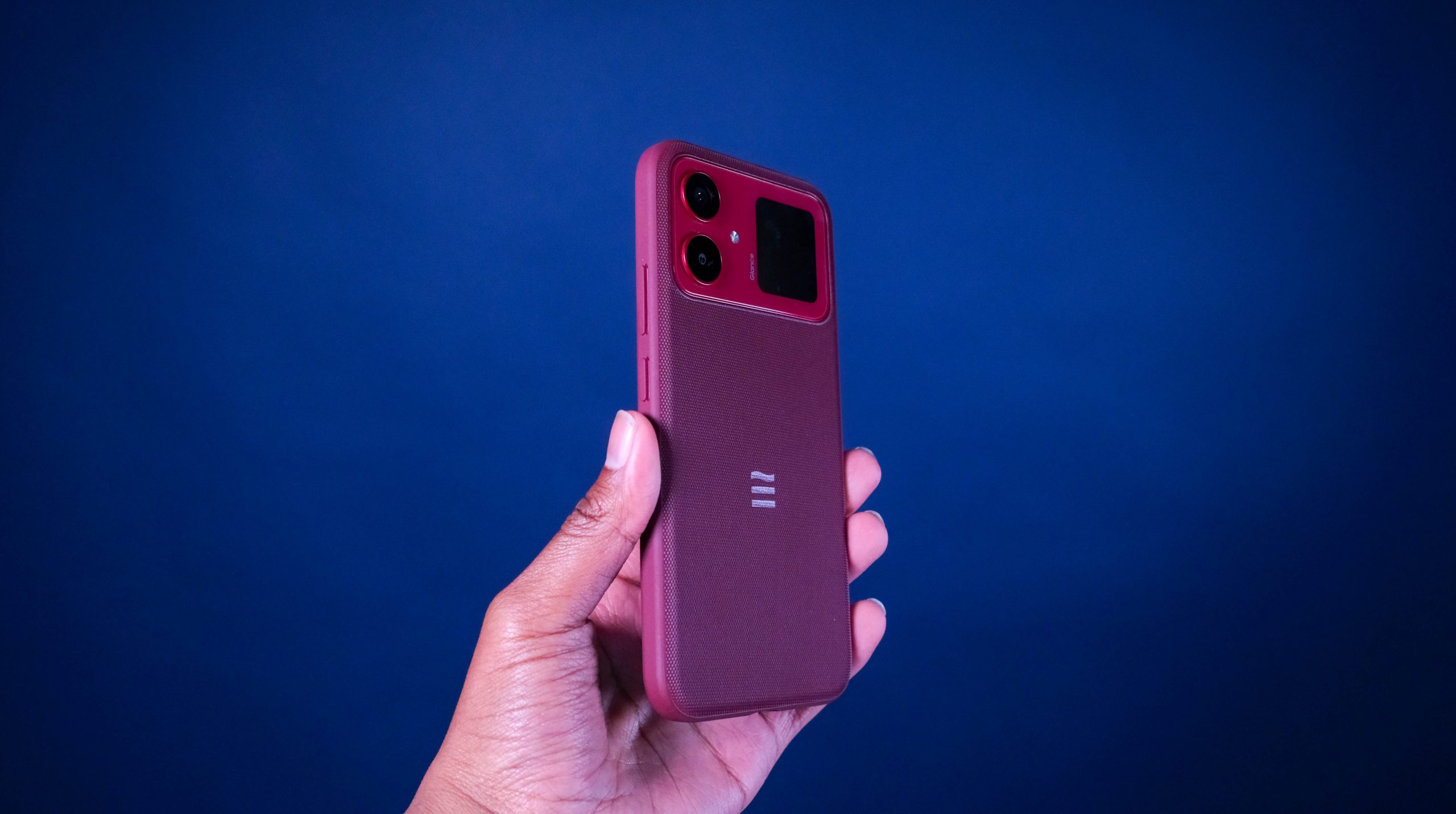 One thing you might notice, and it’s not that noticeable no matter what tech companies think, is the LoopPhone’s thickness. It measures in at almost a full centimetre. The thinnest smartphone ever is about half that, but most will clock in between 7.5mm and 8.7mm. This one’s a tad bulkier, and that’s fine. Taken along with the rest of the build, it’s reassuringly stocky. The LoopPhone isn’t a heavy phone, for all its size, either. It’ll occupy space in your pocket just fine.
We’ve poked and prodded at the phone’s general specs before, but it’s worth restating them here with a little more context. The 6.83in AMOLED is cleanly executed. We’ve seen screens that look better on first glance — the LoopPhone seems to have the brightness turned up by default — but browsing media and watching videos will show you what the display can really do. It’ll also handle itself well in direct sunlight. There’s not much of that about right now, but summer is coming.
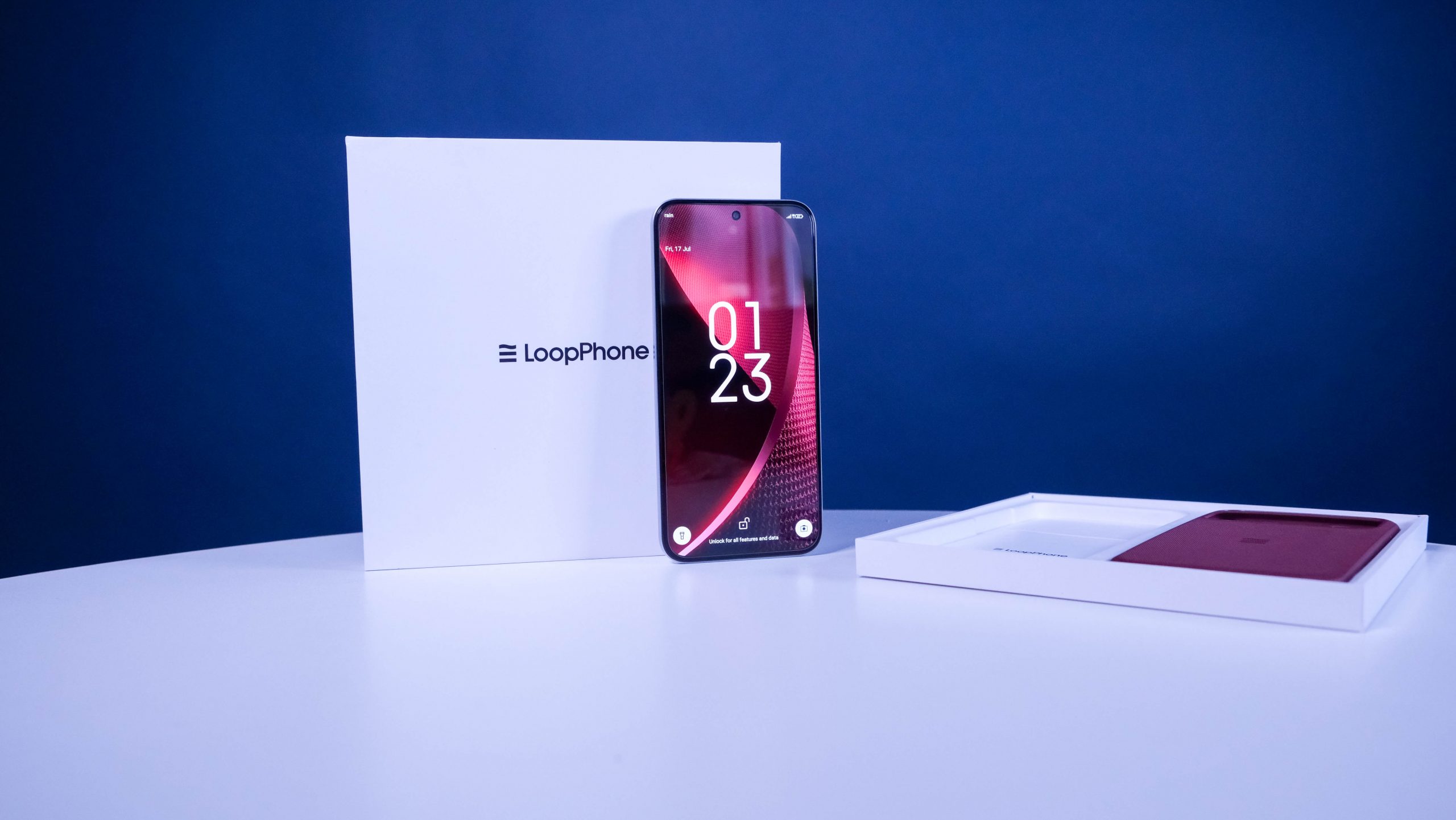 The internals are similarly well-executed. There’s 8GB of RAM and 128GB of storage, backstopped by MediaTek’s Dimensity 7100 chipset. More is always better when it comes to performance, but Rain’s phone doesn’t feel underpowered at all. If you’re fond of hoarding files on your smartphone, you’ll have to find another way (cloud services are popular), but other than that, there’s no reason to believe you’re being short-changed.
Part of this is the operating system. There doesn’t seem to be anything like a skinned OS here. The LoopPhone may have the least bloatware we’ve ever seen. There are exactly three apps that aren’t Google’s default software. One is LoopKey, which does… something. We’re not exactly sure what, but it’s active. The others are the LoopPhone app, which helps to manage your Rain account as well as the device’s details. Finally, there’s Glance. That handles the secondary display in the camera island around the back. It’s easy to customise. This makes the device almost as useful when face-down as it is in your hand. It’s also got plenty to do with the phone’s cameras.
Rain of snaps
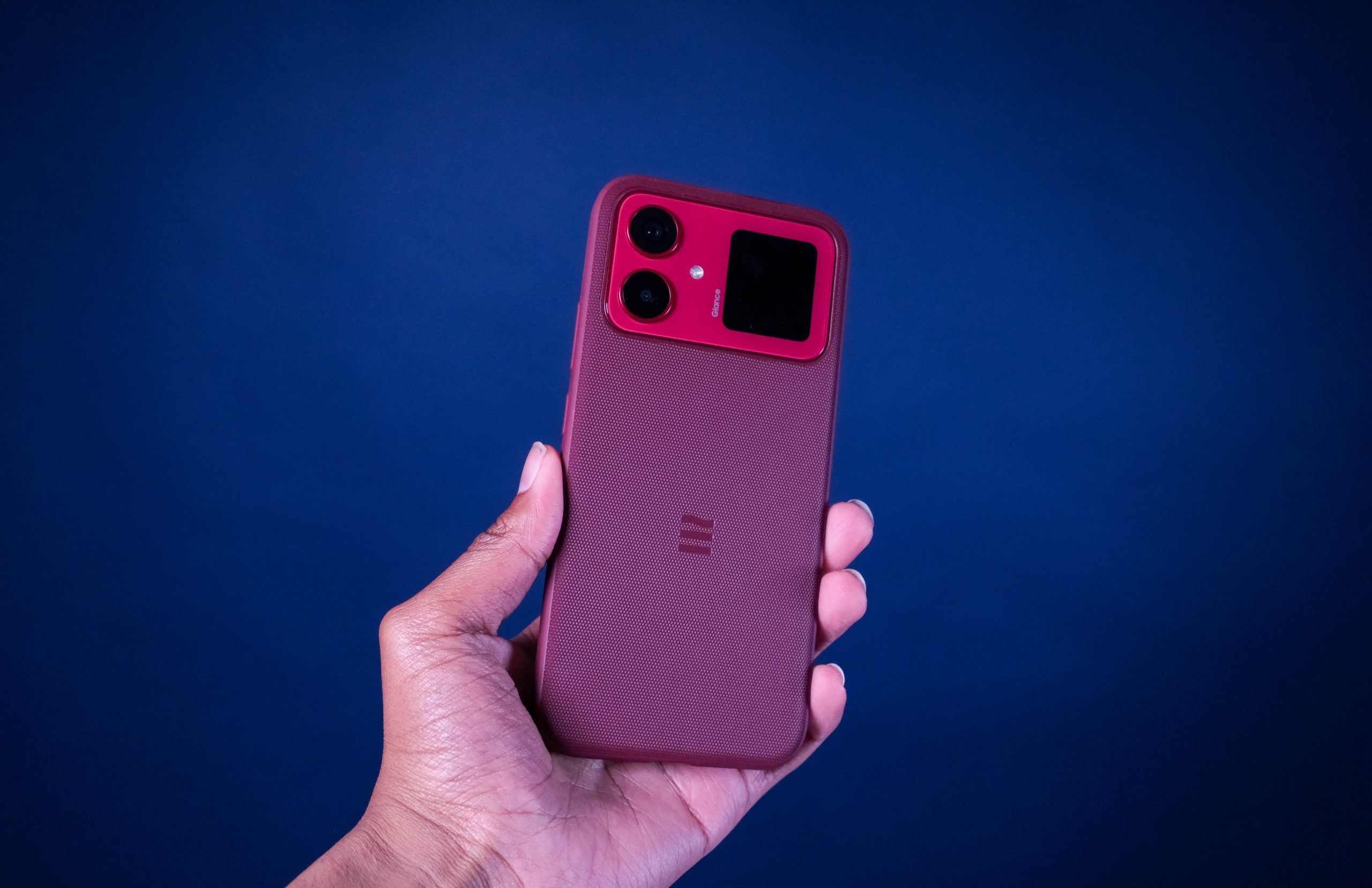 There’s only really one camera sensor that you should concern yourself with. That’d be the main rear one, a massive 200MP effort that does most of the work. The front-facing 32MP is no slouch, if you’re a traditionalist. Even so, the 1.6in Glance screen makes avoiding that one entirely a decent option. Except for video calls. You’ll probably want to stare at the LoopPhone’s main display for those.
Photographs with the LoopPhone are decent-to-excellent. The main sensor does all of the heavy lifting and all default shots are crisp enough for immediate upload. Much depends on your skill and a steady hand, since optical image stabilisation is absent here. You’ll nab plenty of detail in daylight and even more when you switch over to UHD shots. But that’s where you’ll have to be mindful of the phone a little.
The highest-resolution images that Rain’s phone can nab all look good. But capturing (and viewing) them leads to the only occasions of lag we encountered with the phone. There’s a touch of processing time, both when capturing and looking at the biggest shots. It’s not a problem if you know it’s there. It just means you’re not going to shoot an F1 race with this phone. Most things moving at regular human speed should hang about long enough to stay in the frame.
Glancing at Rain
The rear screen is an interesting beast. It’ll only work when the Glance app is fully updated but when it is, a single swipe left will bring up the rear camera via. If you need a 200MP selfie, that’ll do it. Otherwise, the panel can be used to display the time, weather, sports results (that you’ve chosen), games, or a timer. Some of these are more useful than others, so it’s fantastic that you can pick and choose what to display. If you don’t want something, a toggle will shut it down until you change your mind. Mostly, though, it’s an excellent way to spend as little time as possible facing your Endless Social Media Feed of Doom™. You really should stop doing that.
LoopPhone verdict
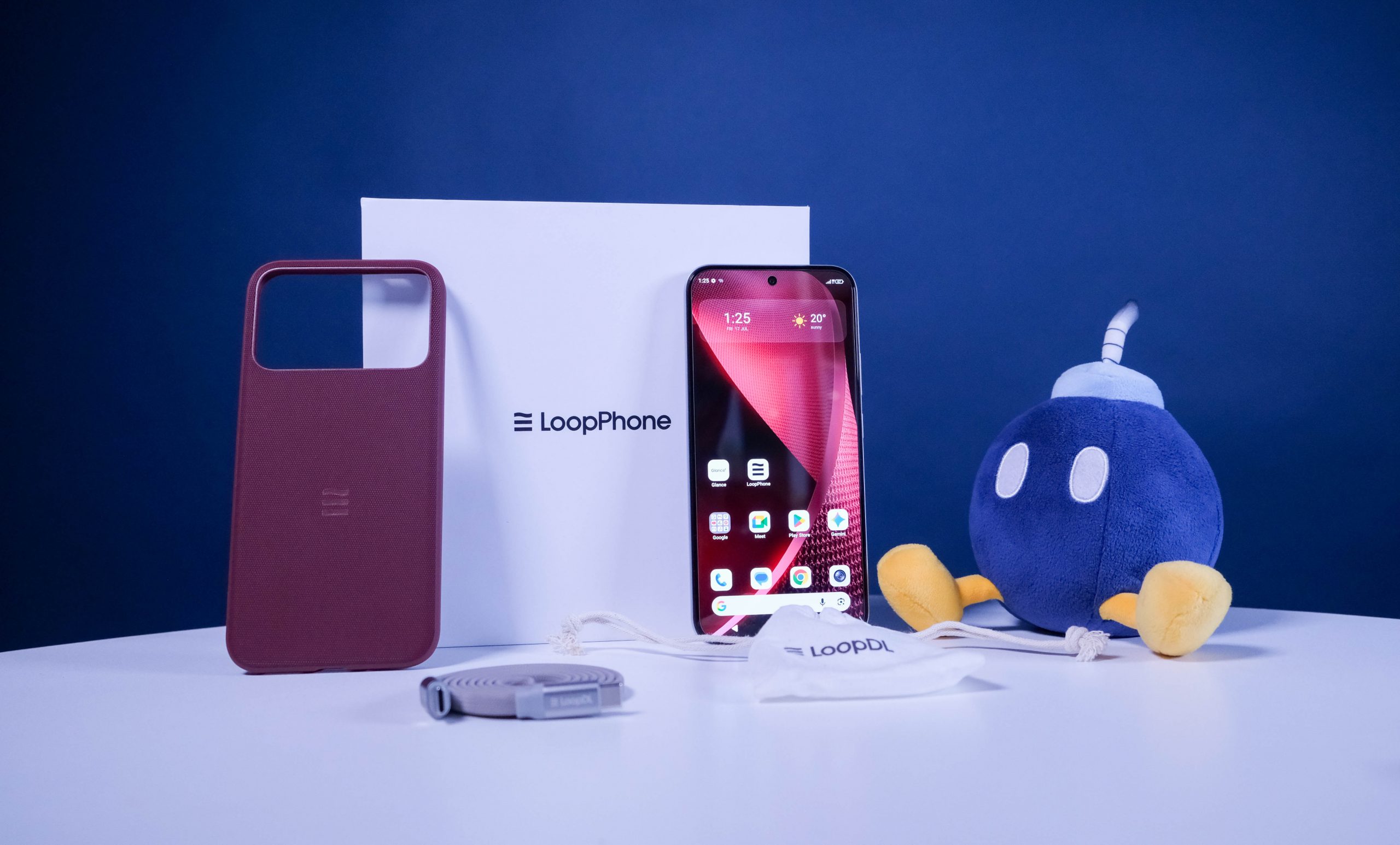 Rain’s LoopPhone is annoying in one specific way — it’s only available from Rain. We’d be thrilled to stick one of these onto another network too. It doesn’t matter which one. The LoopPhone handles pretty well on the ISP’s system as it is. But there’s something about being able to hand over cash without needing to register a new SIM that appeals. Plus, it does look pretty good in-hand. It’d be awesome to wave it around without immediately confirming which internet provider is handling your home internet. Maybe one day.
Until that day, R595/m for unlimited calls and messages (if you stick to your city), or R695/m if you’re regularly roaming your province, isn’t a bad price to pay when this device comes with it. Rain’s terms are month-to-month, so it’s not like you’re locked in for three years at a time. And, if you don’t want to mess around with possibly limited internet access outside of your comfort zone, the company also offers countrywide access for R995/m.