
With an asking price of R9,000, we can't give the Bang & Olufsen Beosound A1 3rd Gen a full endorsement in good conscience. That's despite us enjoying every moment with this exceedingly well-built, ultra-portable, high-end Bluetooth speaker. Like most products from the company, it struggles in the 'best value for money' argument against the competition. But like every B&O product, that doesn't make us want one any less.
-
Design
-
Performance
-
Features
-
Value
We had some idea of what to expect when we heard Bang & Olufsen’s Beosound A1 3rd Gen was on its way for review. It’s a high-end Bluetooth speaker that looks like an oversized hamburger bun and costs R9,000 locally.
Even as B&O’s cheapest product, we expected a world-class design and build quality, premium audio, and the kind of environmental consciousness that would make Greta Thunberg beam with pride. It delivered on all our expectations, although we felt the audio presentation could’ve used a little more oomph behind it. That said, we didn’t expect to like it as much as we did, despite its drawbacks.
Should you run out and buy one right away? No, not unless you fall into the specific shopper category that B&O has in mind. But if you can survive the blow to your net worth, you won’t regret getting one.
That B&O feel
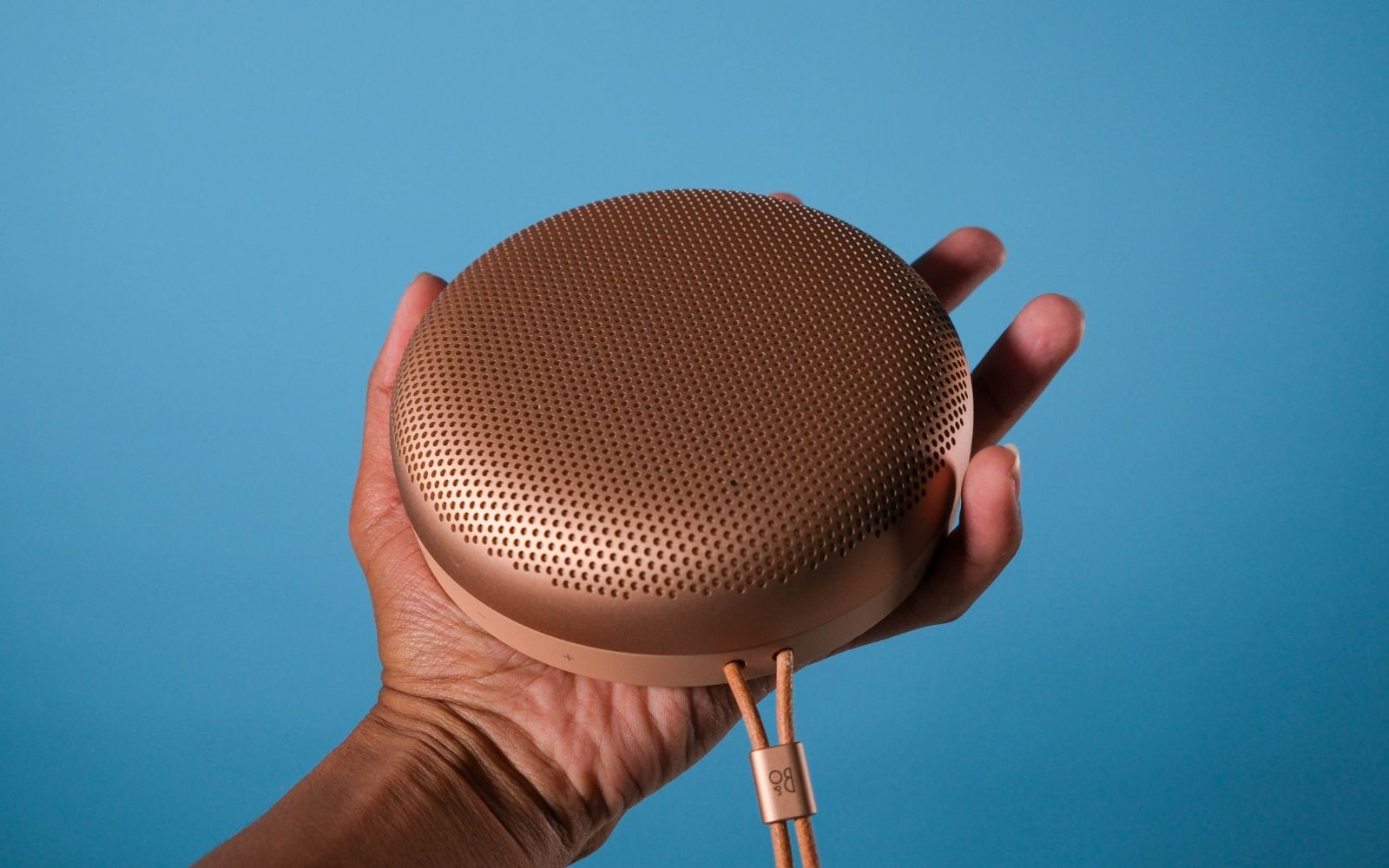
In classic B&O fashion, the Beosound A1 3rd Gen exudes sophistication. We’d have no trouble believing that each of the 2,173 holes of the pearl-blasted aluminium top cover was milled by an artisan by hand, and it only took us one feel of the riempie strap to know it was real leather. We’ve yet to encounter a better-looking portable speaker. That’s not going to be true for everyone — ‘beauty is in the eye’ and all that — but if you own at least one coffee table book on architecture or design language, you’ll probably feel the same. For some folks, that’s enough to justify the price, and the only question will be: do you want it in Eucalyptus Green, Honey Tone, Rustic Red, or Natural Aluminium?
Likewise, if you care about the environment and the impact your purchases have on it, you’ll also appreciate B&O’s dedication to its circular design philosophy. This is the first portable speaker to achieve the Bronze Cradle to Cradle certification, joining most of B&O’s other products.
To be eligible, the product has to meet the institute’s rigorous standards across material health, material reutilization or circularity, renewable energy and carbon management, water and soil stewardship, and social fairness. If you make your own toothpaste, this is the speaker for you.
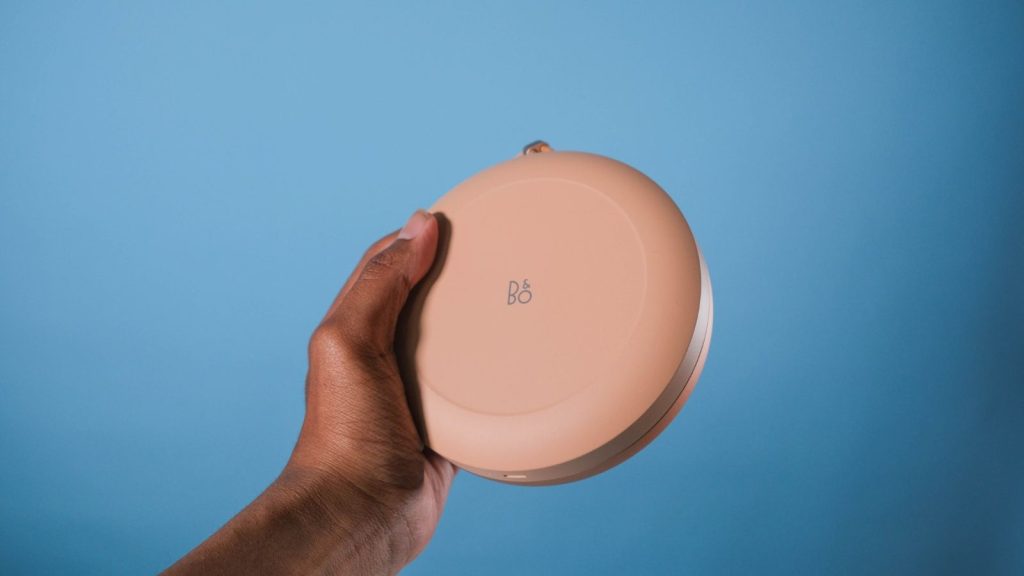 B&O has maintained the Beosound A1’s hamburger bun shape across the three generations to aid its 360-degree sound. While its IP67 rating means it’ll survive a trip to the beach, it doesn’t have the same ‘call an ambulance but not for me’ confidence of JBL’s portable lineup with rubberised edges. You won’t want to throw this speaker around with careless abandon.
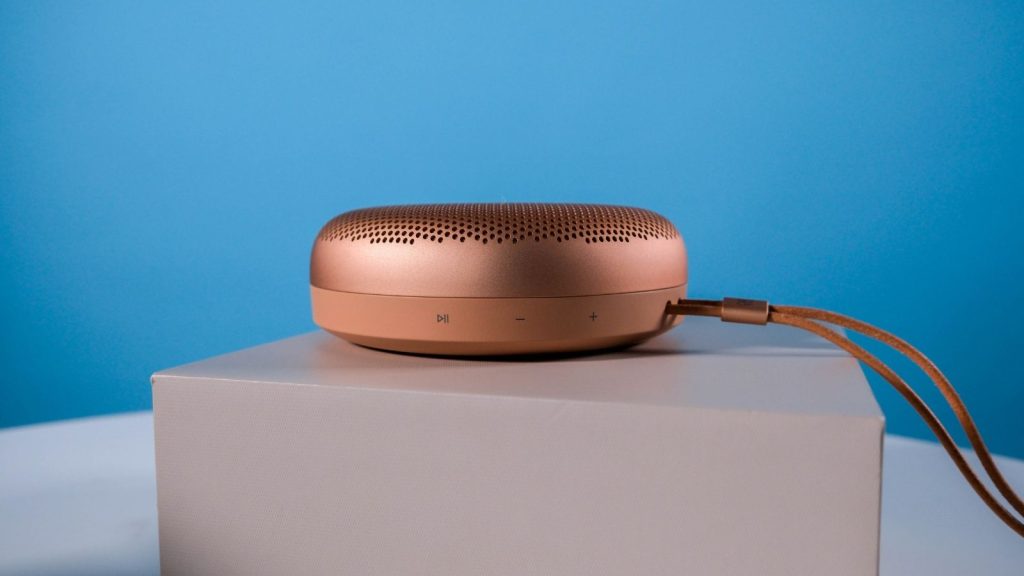
There are six physical controls integrated into the sides of the Beosound A1 3rd Gen’s lower half. The responsive buttons cover play/pause, skipping tracks, and volume control functions on one side. The other side delivers basic power, connectivity, and microphone controls. You’ll find the status LED towards the ‘top edge’ (if you’re hanging it by the strap) and neatly integrated into one of the milled holes. It’s easy to miss until you switch it on.
Any tricks up its sleeve?
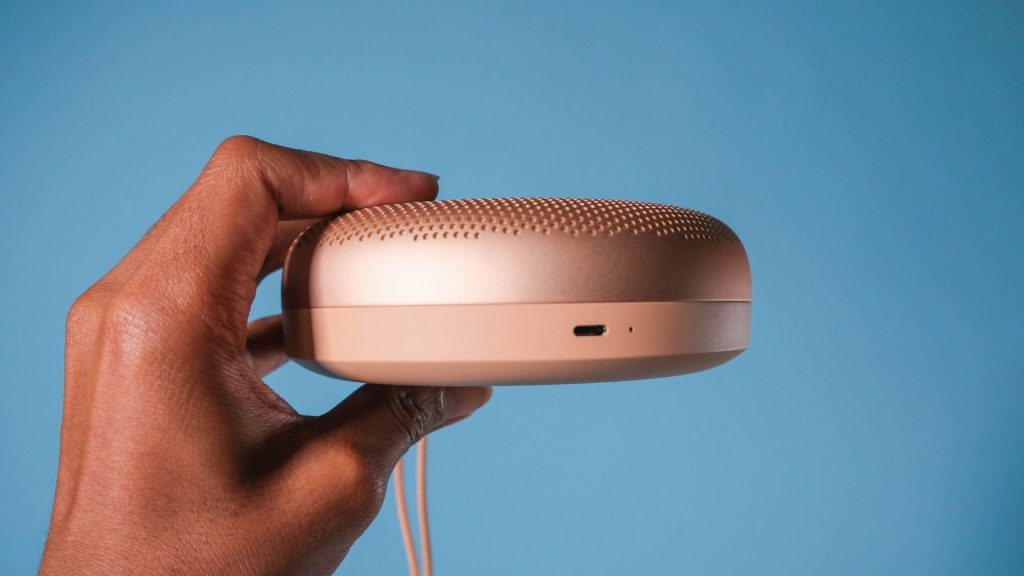 One of the biggest improvements B&O has made over the second-generation Beosound A1 is in battery life. The A1 3rd Gen boasts 24 hours of playback time between charges, over the 2nd Gen’s 18 hours. That’s not really enough of an improvement on its own to justify an upgrade. But if you already own a second-generation Beosound A1, it’s not like you have to trade the old one in. You can create a stereo pair to get even more out of them.
As for codec support, the Beosound A1 3rd Gen will play back the standard SBC and AAC codecs. It is also compatible with the higher-quality aptX Adaptive. Its wireless connection is handled over Bluetooth 5.1, which can make it seem a little outdated compared to some competition supporting later versions. But the older version didn’t impact audio or connectivity, so it shouldn’t be a dealbreaker. Microsoft Swift Pair and Google Fast Pair are both bundled in, so your connections should happen quickly.
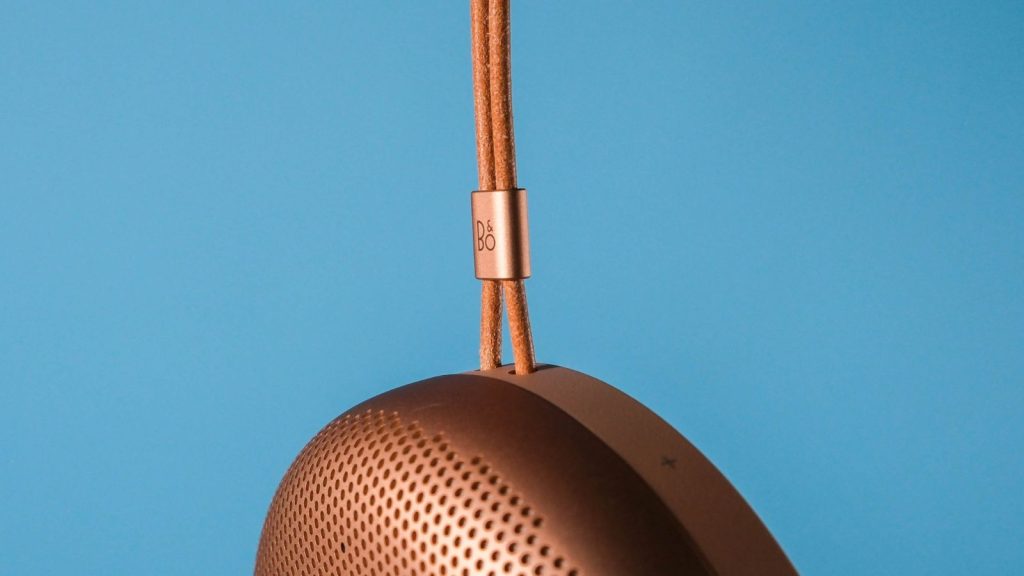 You get a premium USB-C to USB-C fabric cable in the box that you can use to charge the A1 3rd Gen when it calls for it. That could take up to three hours if you’re starting at 0%. You can also use it to charge your phone, with the A1 3rd Gen acting as your 3,300mAh power bank in a pinch. The cable is also useful for connecting the A1 3rd Gen to a wired audio source, a new feature for the Beosound A1 range.
The three onboard microphones mean the Beosound A1 3rd Gen fares surprisingly well as a speakerphone. Your voice should come through crisp and clear (we didn’t get any complaints when we used it for weekly office calls). Similarly, the voice on the other end is handled well enough, with good isolation.
Audio chops, or choppy audio?
A speaker’s power output only tells part of the story, but it’s still worth mentioning. While it has “the largest woofer in its class”, according to B&O, it is only supplied with 30W of power. The 15mm tweeter gets another 30W from the other Class D amp inside, bringing the total to 60W of output power.
In this case, it isn’t enough oomph to produce ‘room-filling’ sound (that depends on the size of the room, obviously). But expecting that from a speaker that will fit in your pocket is a little silly.
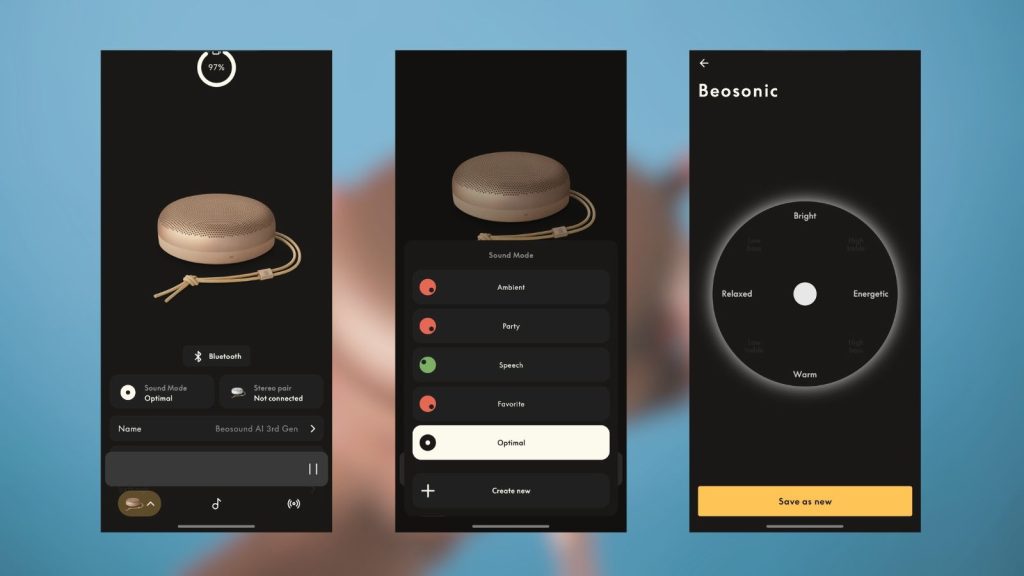
If you want to tweak how it sounds, B&O’s companion app offers the Beosonic EQ-like feature present in other B&O devices. Drag the dot around until you find a spot that works for you, or use one of the presets. We left it in the ‘optimal’ spot during our review.
Despite having “the largest woofer in its class”, the Beosound A1 3rd Gen can come across as a little light in the low end. If you’re looking for tangible thump you feel in your chest, this isn’t the speaker for you. That said, the low end it does produce is tightly controlled. It is never in danger of sounding boomy or bloated. Its capabilities also extend through the high-bass and low-mids, so iconic basslines, like in The Jackson 5’s I Want You Back, will still be present.
The mid-range is where the new Beosound A1 is most comfortable. Any song with a prominent vocal track, or instrumental pieces like Ramin Djawadi’s Light of the Seven, should display this well. Chris Jones’ vocals in Long After You Are Gone, or Caroline Polachek’s in Billions, were what came up and stood out during our testing.
The recessed treble further helps the mid-range shine, while still adding a little sparkle to some mixes. The tinkle and fizz from the mark tree in the opening of Daft Punk’s Lose Yourself to Dance come through like you have your ear to a glass of fizzy rainbow.
This diminutive speaker only has two drivers, and they both point straight up, so we were never going to get an expansive soundstage or much stereo imaging to speak of. That will likely change if you pair two Beosound A1s together.
Those upfiring drivers aren’t good for nothing. If it’s not just you listening, your fellow listeners will probably appreciate its omni-directivity. The Beosound A1 3rd Gen will sound similar no matter your orientation around it.
Bang & Olufsen Beosound A1 3rd Gen verdict
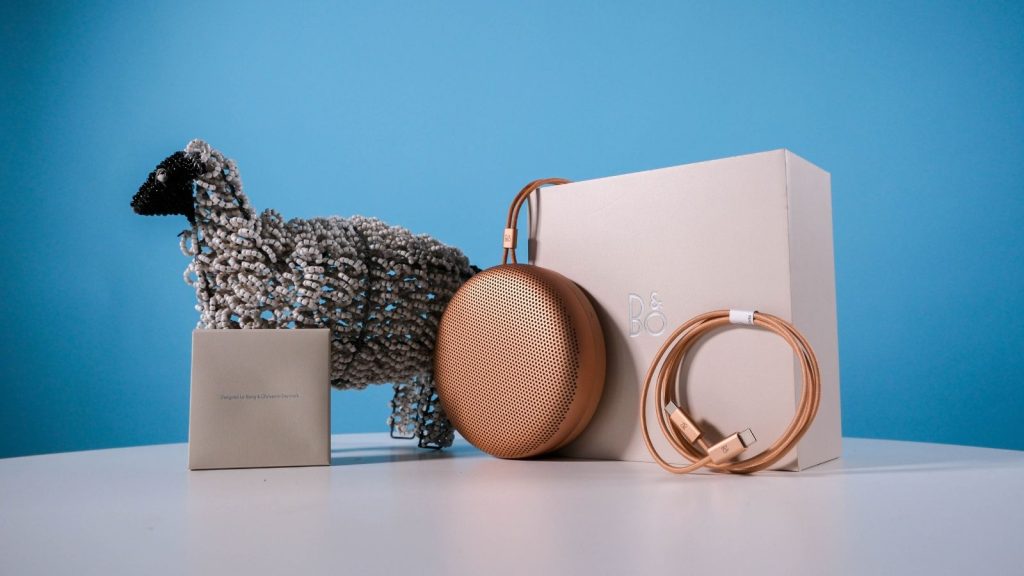
It’s not cheap at R9,000, it’s not the best-sounding Bluetooth speaker available, it doesn’t boast the most battery life, and its design won’t be to everyone’s liking. Evaluating the Beosound A1 3rd Gen through the price-to-performance lens that we usually use in our reviews leads us to the inevitable conclusion that, if you’re working with a strict budget, you’ll get more bang for your buck elsewhere. That will be true for most South African consumers needing a new Bluetooth speaker. But for the few who can afford it, Bang & Olufsen’s 3rd Beosound A1 represents the company’s mantra exceedingly well.