
Rain announced its newest mobile offering two weeks ago. Shortly afterwards, Stuff poked and prodded at the LoopPhone device that comes with it — on paper, at least. At the time, there wasn’t much information on the device, so we went hunting for the closest direct comparison on the market. Shortly afterwards, we got to chat with one of the LoopPhone’s creators — Brandon Leigh from Loop Design Lab.
The device itself turned up in Stuff‘s offices shortly afterwards. Stay tuned for the full review later this week, but the LoopPhone isn’t made by Vivo or one of the usual Chinese white-label companies. It’s an original device, one that has a future beyond South Africa. Exactly how much of a future, we’re not sure we’re allowed to explain. Promises are a bugger, sometimes.
Loop-the-LoopPhone
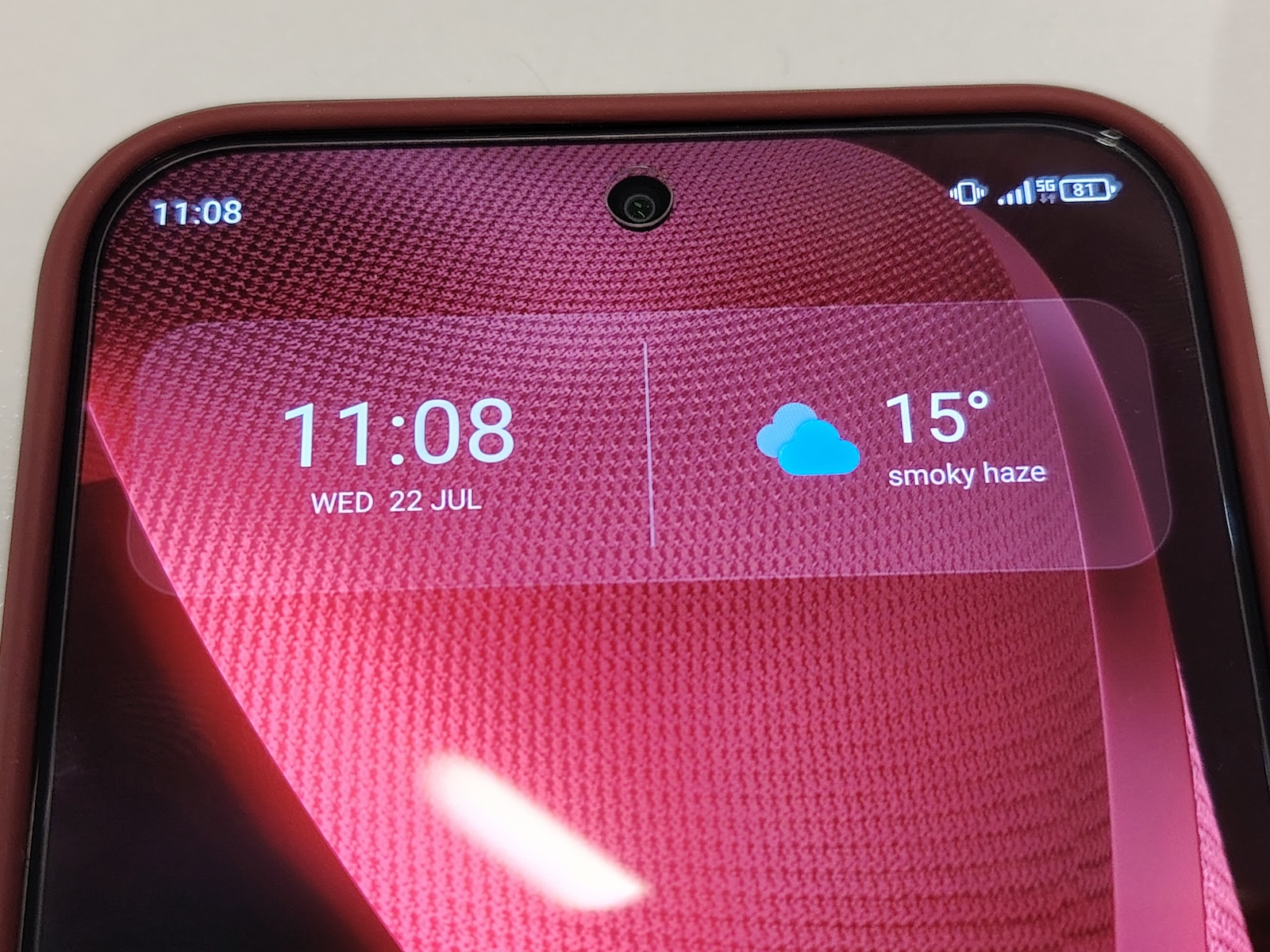
Our conversation with Leigh showed us two things. One, we were not expecting a local company like Rain to use a unique device for its network. Two, everything really is made in China. For example, the 6.83in 120Hz AMOLED display found in Rain’s mobile device really is identical to the one found in the Vivo V70 FE. That’s because both devices have sourced their displays from BOE Technology Group. BOE used to mean Beijing Oriental Electronics, in case you need the history lesson.
It’s true that most smartphones, and tech in general, are sourced from a range of China-based manufacturers. But Loop Design Lab’s gadget was designed in-house. Leigh points out, and it’s easy to agree, that there are only so many ways to assemble a smartphone. There are also only so many available components at any one time, so there’s always some crossover somewhere.
Leigh explains that the components for the LoopPhone were chosen specifically to allow for the best possible display and battery. That’s how we got the BOE-made AMOLED and the 7,000mAh silicone-anode battery pack this one is lugging around. Other design choices were intentional, as well.
Unlimited Loops
 The MediaTek Dimensity 7100 (we were wrong about that Dimensity 7360 Turbo) was selected on an intersection of power/affordability. The storage and RAM capacities (8GB LPDDR5 and 128GB UFS 2.2) are also intentional. The ongoing semiconductor crisis probably also played a role, but the thinking at Loop Design Lab and Rain was that users would (and could, with the ISP’s Unlimited data/calls package) opt more for cloud storage for media. It makes enough sense, in that respect.
More detail also emerged about the rear camera array. The main 200MP sensor helped fuel Stuff‘s earlier comparison. The 2MP f/2.4 rear backup helps to destroy it. The arrangement is similar to other devices we’ve seen where going all-premium everywhere isn’t the best option. We’ll have spent enough time with the camera setup and the 32MP f/2.2 front facer later this week to provide a real-world assessment of the setup’s performance.
The other aspect that makes the LoopPhone its own device is its dimensions. It’s a little thicker than the usual suspects, though it still feels compact and light enough to be handy. The extra thickness (it measures 9.96mm at its thickest) will be noticeable if you’ve been roaming the Air-branded phone trenches, but that’s likely because Loop Design Lab and Rain have some tech inside that facilitates the latter’s Smart Switching features.
Keep (some of) your secrets
Exactly what that system is, Leigh wasn’t too prepared to share. It’s understandable — it sounded, from our conversation, like proprietary tech. The LoopPhone’s network switching happens on-device, without handing data off to an outside source. That sounds like something you’d like to conceal for as long as possible, if you’re Loop Design Lab. It’s also what allows Rain to make its Unlimited contracts… well, unlimited. At least, within a certain geographic area.
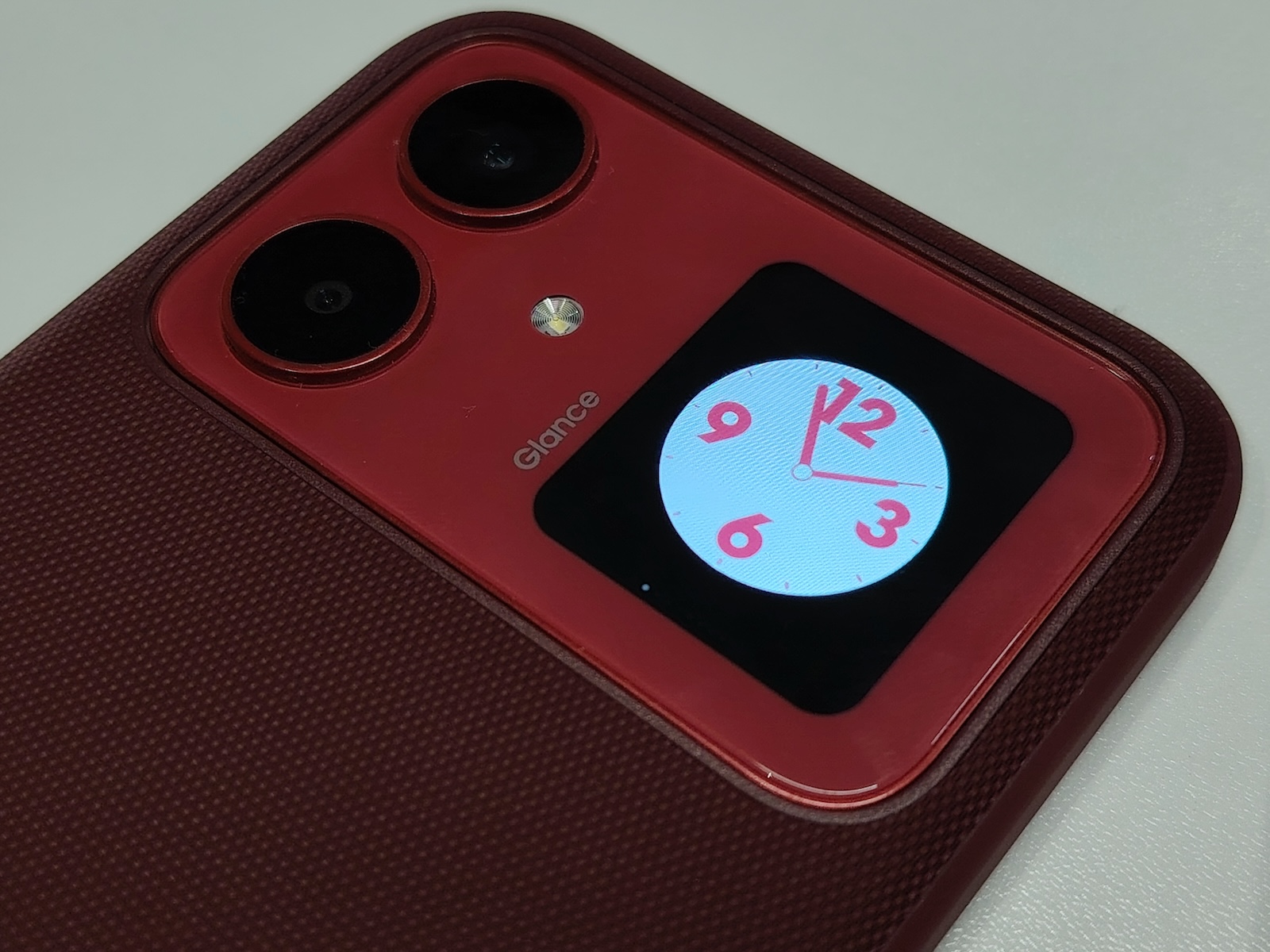
Less secretive is the rear Glance display. The 1.6in touch display offers users a 320 x 360 window into their notifications, widgets, and, of course, selfies using the LoopPhone’s biggest sensor. 600 nits of brightness mean it’ll do better showing your messages when face-down on a desk than on a sunlit picnic table. The 20Hz refresh rate means it shouldn’t be a drain on the device’s 7,000mAh battery.
But, as we said, we’ll have a full review of the Rain LoopPhone’s performance, both in terms of hardware and network, in the next couple of days. We’re also looking forward to what’s coming next from Loop Design Lab. We’d say more, but, again, promises can be a bugger sometimes.