

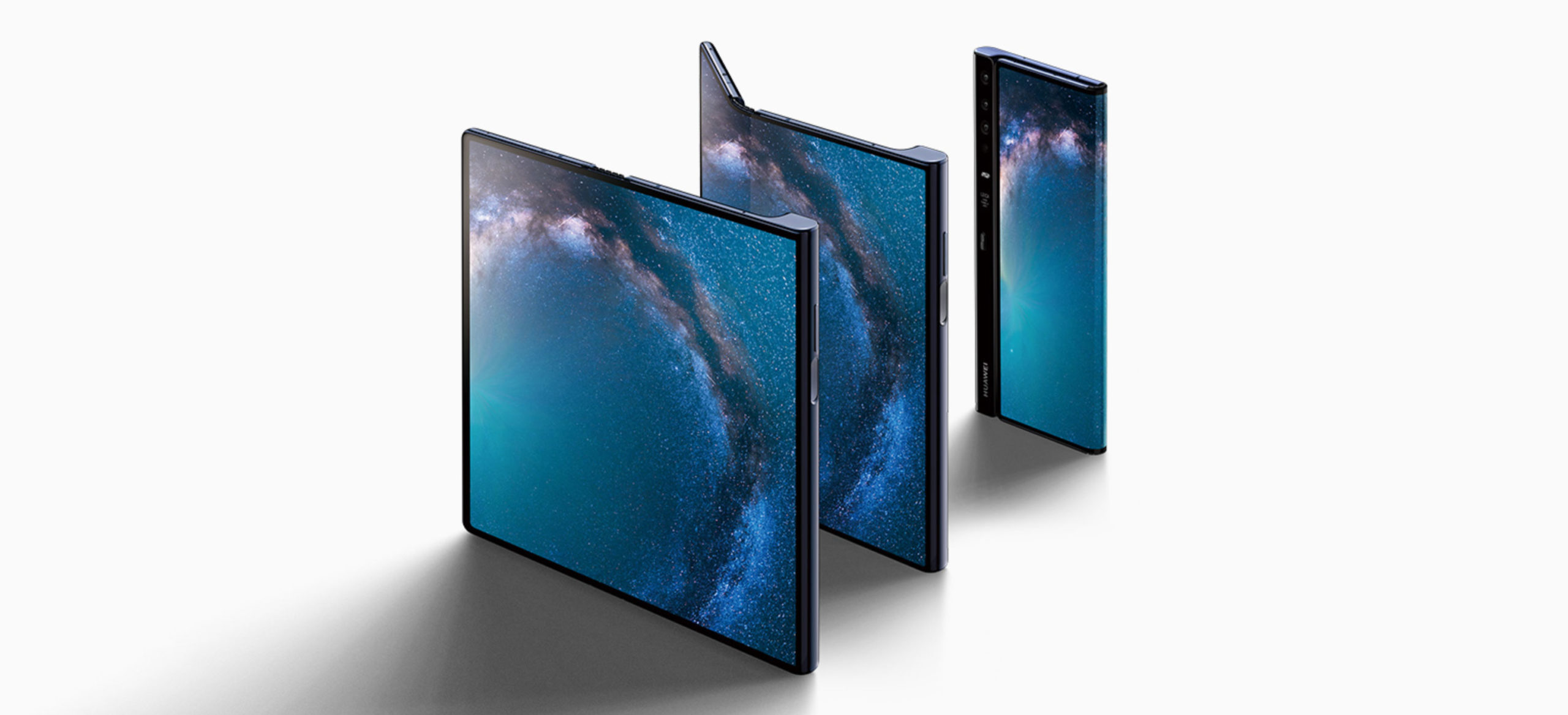
Folding smartphones are often spoken about as if they’re brand-new technology. In a way, they are. The concept of a phone that folds isn’t new. Even a smart device that folds in half isn’t new. The only really novel bit about this still-maturing technology is the idea of a single, flexible display.
Samsung’s Fold series has pioneered the technology so far that its Galaxy Fold range — even its very latest batch — feels boring for the folks who follow each development. Other approaches are being tried, from producing the thinnest foldable phone to adding additional folds for larger screens. Up next, because the stock market only cares about the number on the balance sheet going up, are rollable displays. Or whatever it is Apple is cooking up later this week.
Folding smartphones at home
Cellular phones have only really taken two shapes — the brick (later streamlined into the candybar) and the clamshell. The latter evolved into the modern folding smartphone, because the last time the clamshell was really in vogue was during the age of feature phones. Or dumbphones, as we know them now. But the concept of folding smart tech stretches back before smartphones were a thing.
Edward Furlong’s Atari Portfolio in 1991’s Terminator 2 is the same basic concept as the modern folding smartphone. The only thing missing is the single continuous screen. Swap one of those in, and you’re looking at a 21st-century smart device. One that runs MS-DOS, in the context of the film, but still.
Flip-style phones have been around for even longer. Motorola’s 1996 StarTAC was the first popular model, but the design predates that by around seven years. The form factor lives on, having evolved through to the Motorola Razr V3 and all the way up to Samsung’s Galaxy Flip lineup. Motorola’s current foldable smartphones have exploited the company’s history, retaining the Razr branding.
What’s really new?
There’s little about the folding smartphone that’s really, properly new. Individual technologies have risen to replace others, sure, but the bones have been around for ages. The first true smartphone was (and you can argue about this later if you like) Apple’s original iPhone. 2007 was nigh on twenty years ago. The form factors for the others have been around much, much longer. That isn’t to trivialise what modern foldables are. I’m just pointing out that technological evolution is exactly that — evolution.
Even the newest crop — Huawei’s Mate XT 2 tri-folding smartphone and Xiaomi’s new 18 Fold — bear all the hallmarks of tech that has come before. The Mate XT 2 folds out from two sides, resembling an old Wimpy kiddies menu (but vastly more expensive). It measures just a few millimetres when completely open, offering users a highly pocketable 10.2in display to play with. It’s also vastly more powerful than a Wimpy kiddies menu, because laminated cards don’t have processors.
Xiaomi’s 18 Fold takes a different route, one recently explored by Samsung’s wider Galaxy Fold 8. The Chinese company’s device has a 7.58in inner display, 5.02 millimetres of thickness, and an IP69 waterproof rating. It also runs the company’s own Xiaomi Xring O3 ARM processor, helping to set it apart from everything else using a high-end Snapdragon. And, as with every other advanced foldable on the planet, it’ll be almost prohibitively expensive. Not as expensive as the Mate XT 2, but still costly.
Apple enters the fold
Apple is expected to debut its new iPhone Fold later this week. As usual, the company has been secretive about specifics. Also as usual, Apple is likely to take credit for more or less inventing the folding smartphone. The company does this with everything it does that someone else has already achieved, so Samsung shouldn’t feel bad about this.
Rumours suggest that its iPhone Fold will be closely related to the standard iPhone, only far thinner when opened. And, at a projected starting price of R32,000 in the States, it’ll tear the rear end out of any wallet that doesn’t have a trust fund attached to it. What it will retain is the typical Apple iPhone build, screen tech, and other physical functions. Brand new will be an operating system optimised to the form factor, though there’s no telling what sort of teething trouble this new OS (FoldOS?) might experience. It’s a first for the company, after all.
But it’s worth remembering that, no matter how good Apple’s tech is and what innovations it claims to have made first, nothing is unfamiliar. As the Barenaked Ladies sang in 1998, it’s all been done before. Just… not with Liquidmetal.



1 Comment
An interesting look at how folding smartphones are bringing an old concept back through modern technology. It’s fascinating to see how manufacturers continue to rethink familiar designs and turn them into something new and practical.