
There’s no need to wait for Apple to unveil the next iPad Mini
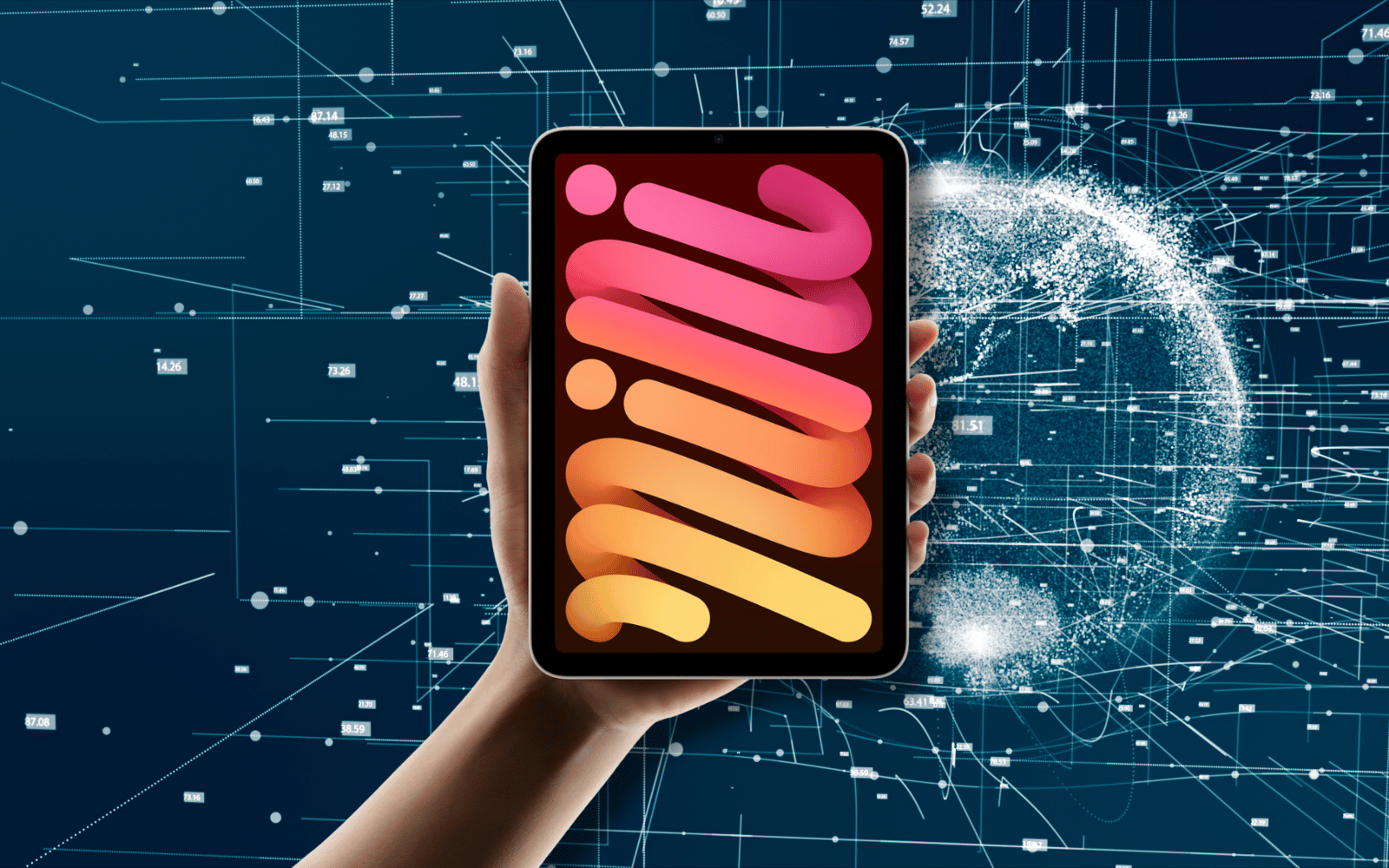
It’s been a minute since Apple has had anything to show off in the iPad Mini line. The last we saw of the adorable little tablet was in 2024, packing the A17 Pro chipset. Now, the Fruit Company is just about ready to give it a good kick up the USB-C port and get it up to speed with the rest of the family. Sooner rather than later, it seems.
Bloomberg’s Mark Gurman reckons the 8th-gen iPad Mini “should go on sale by the end of October.” That tells us that it’ll likely be skipped at Apple’s upcoming ‘Surprise and shine‘ event in September, where the main focus is expected to be Apple’s first-ever foldable. The likeliest course? Apple will unceremoniously dump the new Mini in a press release on a random Tuesday in the middle of October. But will it be worth your time and money?
If you’re still happy with the A17 Pro in the last generation, probably not. But if you need the extra juice, or want to buy into the iPad family with something smaller, this could be that. It’s expected to feature either the A19 Pro or A20 Pro SoC, accompanied by an OLED display. Also on the menu is a new vibration-based speaker system.
The Hisense A10 Ultra adds a second screen into the mix
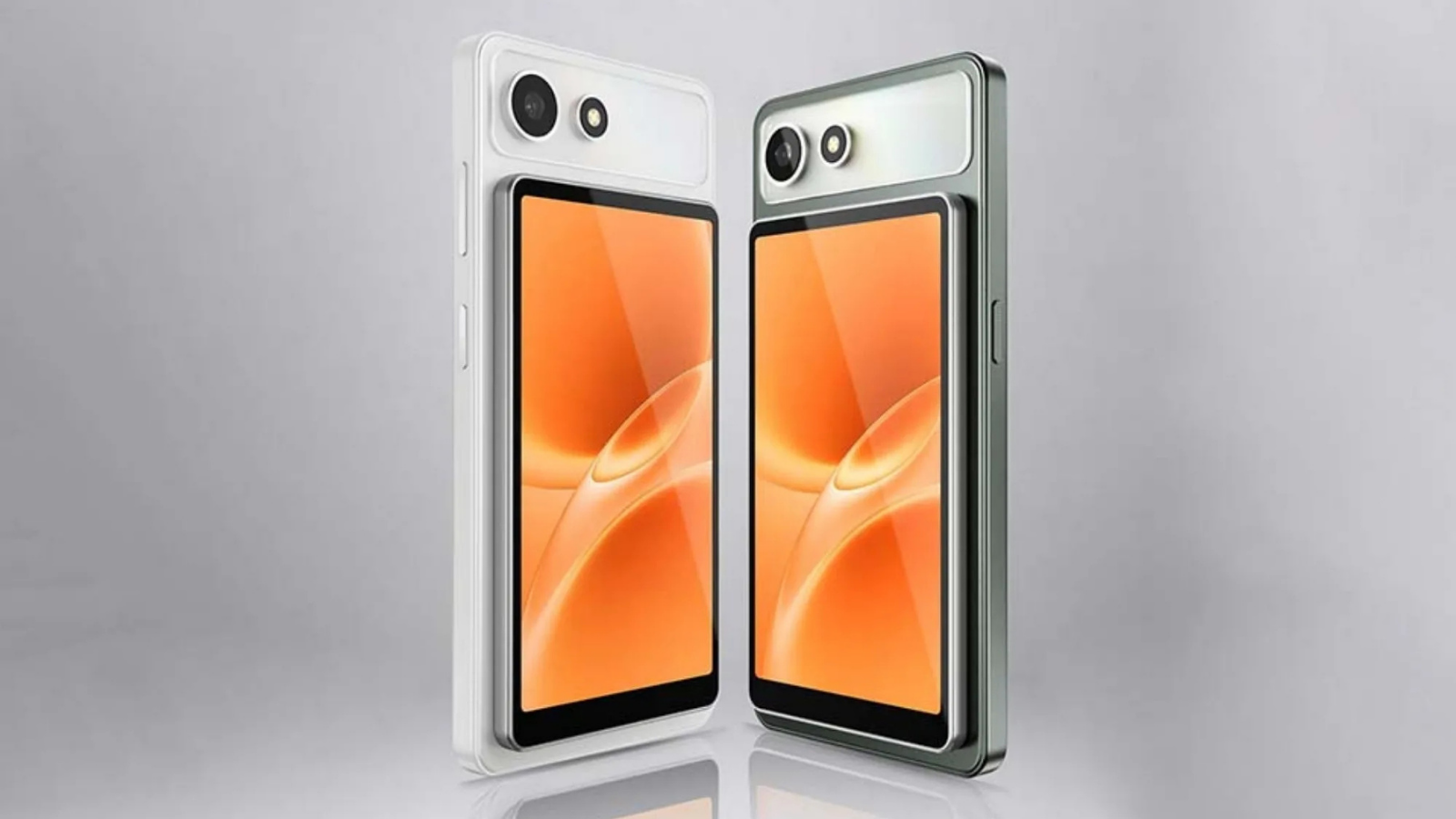
We generally try to avoid getting Saffas’ hopes up when it comes to new products that are limited to only a few countries, or worse, one. We couldn’t help ourselves when it came to Hisense’s new A10 Ultra, currently confined to China at the time of writing. It may look normal, but flip it ’round, and you’ll find a whole second screen.
Not the sort that you’re maybe used to. It’s entirely removable, for one thing, and E Ink for another. If that sounds at all familiar, it’s probably because Hisense has essentially cribbed the idea from Xteink’s X3 and X4, which simply sell a minuscule e-ink display that you attach to your phone yourself. Hisense is just removing a step or two.
The rest of the A10 seems… okay. On the front sits a 6.13in E Ink Carta 1300 panel, while the rear is a smaller 4.96in display. Both of ’em used in tandem will greatly increase battery life — or at least, that’s the idea. Hisense has kept the battery at 4,000 mAh, likely to avoid making the phone too big in your hand.
Whether it’ll catch on remains to be seen. It does have the advantage of being infinitely more interesting than Samsung or Apple’s devices. We doubt it’ll ever get out of China, but we can dream, can’t we? If it does, expect it to cost in the ballpark of R6,713 (¥2,800) for the base model, rising to R8,400 for the 12/512GB model.
Yup, that’s a Tamagotchi Ring
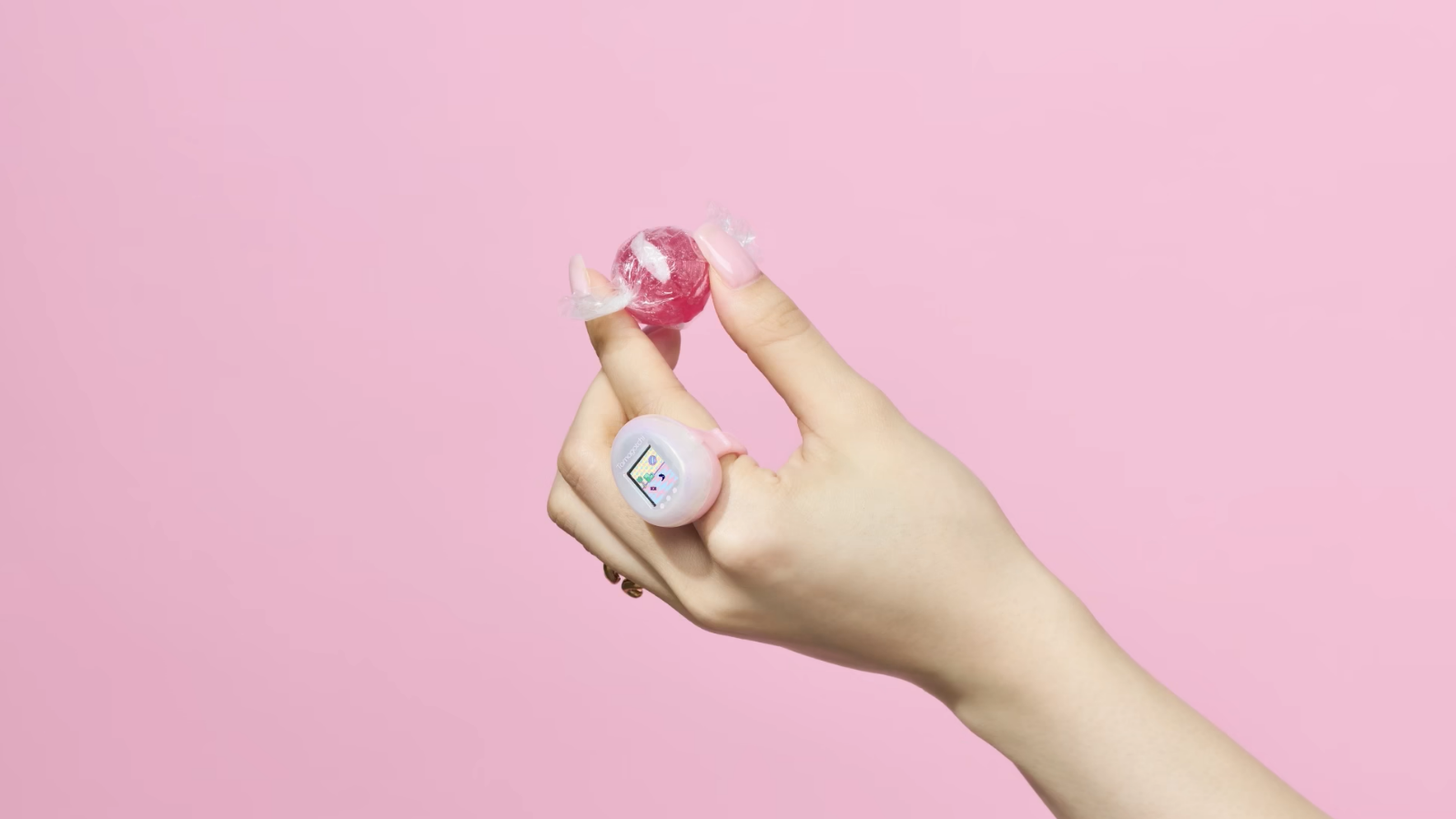
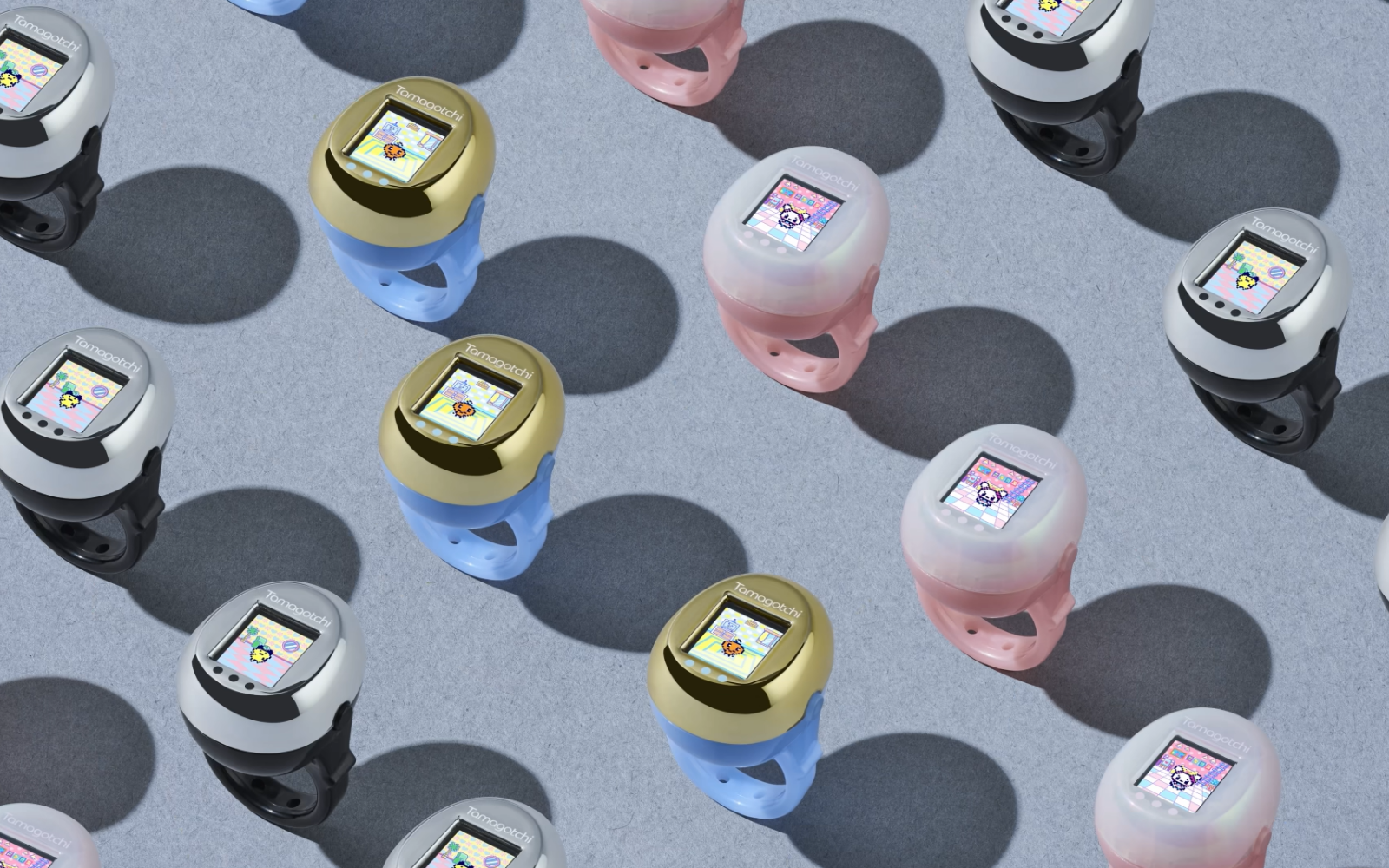
If you can’t go more than a couple of hours without being with your virtual pet, Tamagotchi has cooked up a new player that’ll mean you’re never separated again. It’s the Tamagotchi Ring, officially announced by Bandai last week in the form of this cute little trailer. Pre-orders opened this weekend and were snatched up in record time.
That’s because the Tamagotchi Ring is only available in Japan at the time of writing, with no word on a global launch. There’s always a chance Bandai restocks before pre-orders close on 6 October, allowing the rest of the world to try their luck via a reseller. You’ll probably want to keep your finger hovering over the trigger.
This is the same basic Tamagotchi you’re used to. Just… smaller. Smaller even than the company’s Mini and Nano devices, which befit the name. There are two side buttons you’ll need to bring up the more than 30 characters. It’ll charge when docked into the accompanying charging cradle. Do you need it? No. But you want it, don’t you?
If you do manage to organise a pre-order, you’ll likely only see the device shipped sometime in February 2027. It’ll cost 7,700 yen, converting roughly to R777, which feels about right for a little hunk of plastic on your finger.
Xbox may have more than one next-gen console on the way
It wasn’t all that long ago that new Xbox CEO, Asha Sharma, announced Project Helix, the code name for the next generation of Xbox’s flagship console. Or is it consoles? In a recent interview with BBC News, the CEO stated that the company was developing a “great family of devices” for Helix. That sounds like more than one console to us.
Sharma failed to divulge any more about the device(s), at least on purpose. The question that got us that little tidbit was about whether the next-gen console, Helix, would be disc-less. The move would mimic that of Sony PlayStation, which recently bit the bullet and confirmed it would no longer manufacture physical game discs.
Sharma dodged the question, which in itself feels like an admission. It’d make sense to back off and save a little bit of cash, especially if your biggest competitor goes first. But the move also presents an opportunity for Xbox to lean into the physical side and earn itself a few customers who feel stung by Sony’s wholly anti-consumer moves.