
The iPhone Ultra is a hit, apparently
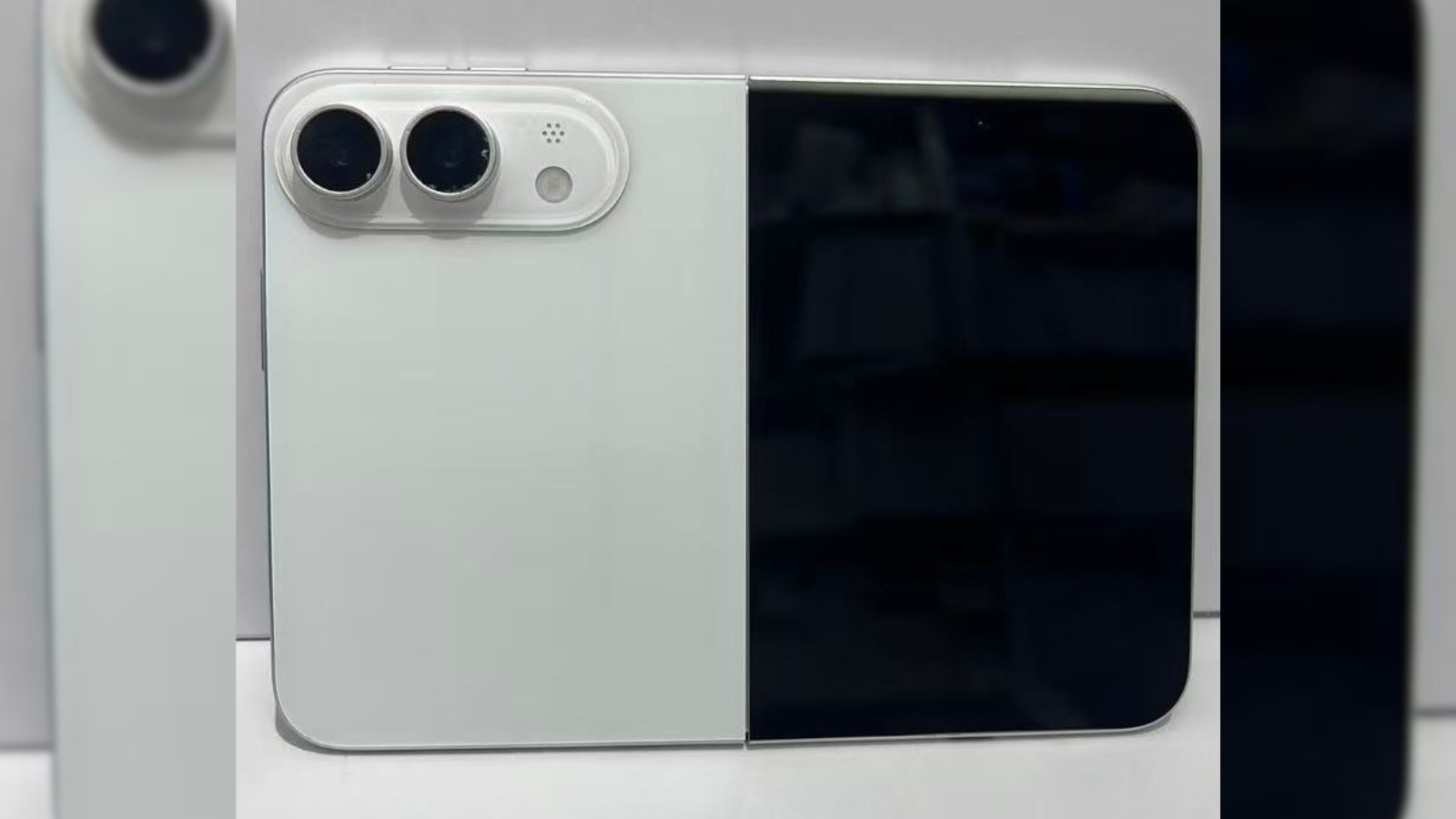
When Apple finally enters the foldable arena with the launch of the iPhone Ultra next month, it needs to be successful to remain relevant. We’ve seen bigger, better, and more innovative products fade into obscurity for less. According to early testers of the first-ever Apple foldable, the device is on track to be a certified hit. Kinda.
For one thing, only a select few testers have gotten their hands on the device, according to Bloomberg’s Mark Gurman. All of ’em praise the phone’s shape, as well as the durability of the hinge system. Those same testers have also expressed doubts about the phone’s camera setup, blasting the lack of a telephoto lens. As it stands, the device is expected to rep a dual-lens system that thrusts a 48MP main shooter into the spotlight.
One change that might disappoint longtime Apple fans is the switch back to Touch ID over the Face ID unlock method that has become an Apple mainstay in recent years. Some might actually appreciate the return to a more formal system, though whether it’s worth dealing with a scanner on the side of the phone remains to be seen. Apple made the sacrifice to ensure the Ultra is still a thing of beauty, measuring 4.5mm thick when unfolded.
Even if testers bemoan the lack of a telephoto lens, it appears the so-called Ultra has more going for it elsewhere. Everything hinges on Apple getting the price right. And by all accounts, it has. The rumoured starting price of $2,000 (∼R32,000) is certainly rough, but it aligns nicely with Samsung’s Galaxy Fold8 starting price.
Ads land on specific ChatGPT tiers from today
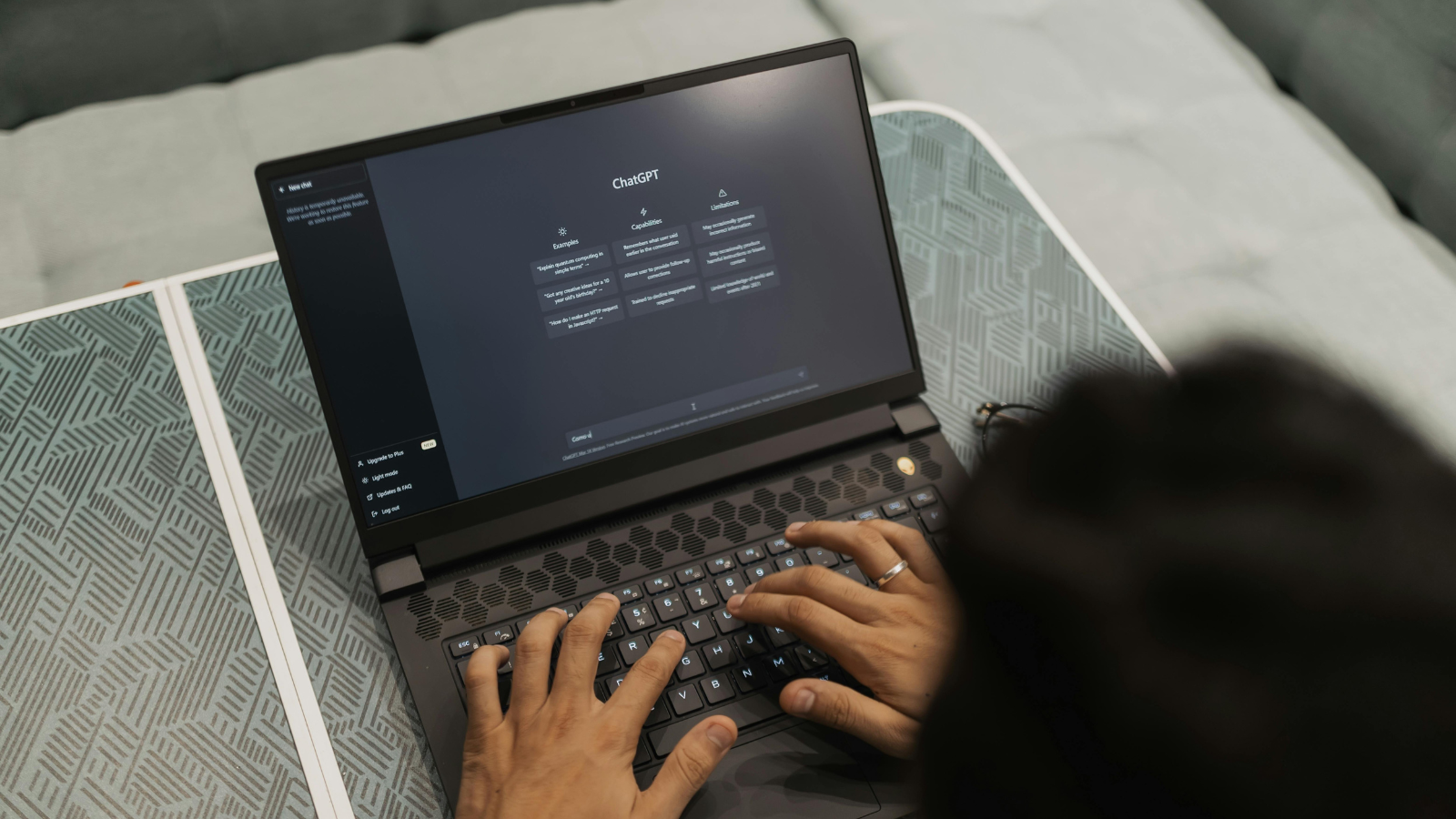
The good news is that South African ChatGPT users are safe for now. It’s less pleasant for users of the LLM in Europe, where OpenAI has started rolling out in-chat advertising. More than 31 countries in the region will see advertising appearing alongside or inside their queries. The only upside, right now, is that these intrusions aren’t personalised. Yet.
These new functions are confined to users of ChatGPT Free and ChatGPT Go. The other paid tiers (and accounts that are identified as belonging to under-18s) aren’t getting marketers dumped in front of them. They should at least be easy to identify, appearing below a response and marked with a ‘Sponsored’ label.
If that’s not for you, and you’re on the Free plan, there’s a way to get rid of advertising for now. In the Ad Controls section of ChatGPT’s settings, there’s an option that lets users “Change plan to go ad-free”. It’s not available for ChatGPT Go users (at all), and it’s not without cost. Removing OpenAI’s ability to generate ad spend from your searches will cost messages and features. Essentially, ChatGPT Free will get less useful and have stricter rate limits without ads turned on.
So far, advertising on OpenAI’s service is limited to the United States and now Europe. Odds are good that the rest of the world will get to join the advertising party sooner rather than later.
Amazon is next to raise prices for devices
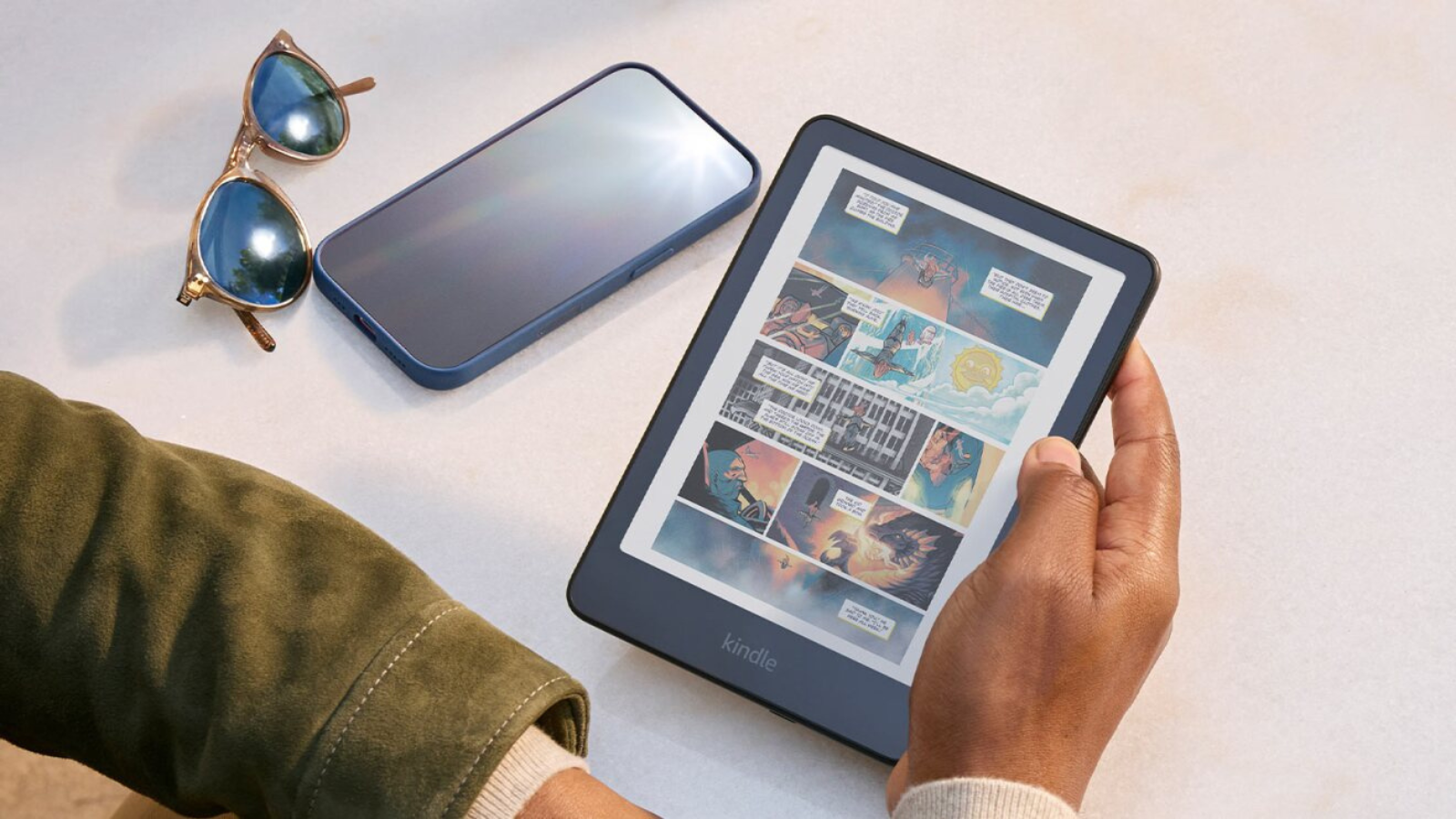
Everyone at the consumer tech table has raised prices, and now it’s Amazon’s turn. If you were waiting for all this madness to blow over before you bought a new Kindle or Amazon smart speaker, we’ve got some bad news.
The e-commerce giant recently hiked prices, and the Echo Dot smart speaker seems to be the hardest hit. It will see a 60% price increase from $50 to $80 (R800 to R1,281, directly converted). The ‘new’ post-hike price is roughly what the grey imports currently cost, so expect those to climb even higher.
Elsewhere, the 16GB Kindle has received a $40 (R640) increase, while the 16GB Paperwhite will now cost $200 (R3,203) in the US. Unfortunately, these prices don’t necessarily reflect what South Africans will now have to pay. We get to pay more.
Here’s the best part. An Amazon spokesperson said the company decided to increase prices due to “significant increases in memory and storage component costs.” You know, the memory and storage components that Amazon is sticking into all of its AI data centres.
Christmas comes late: CRKD’s Nitro Deck 2 finally goes gold
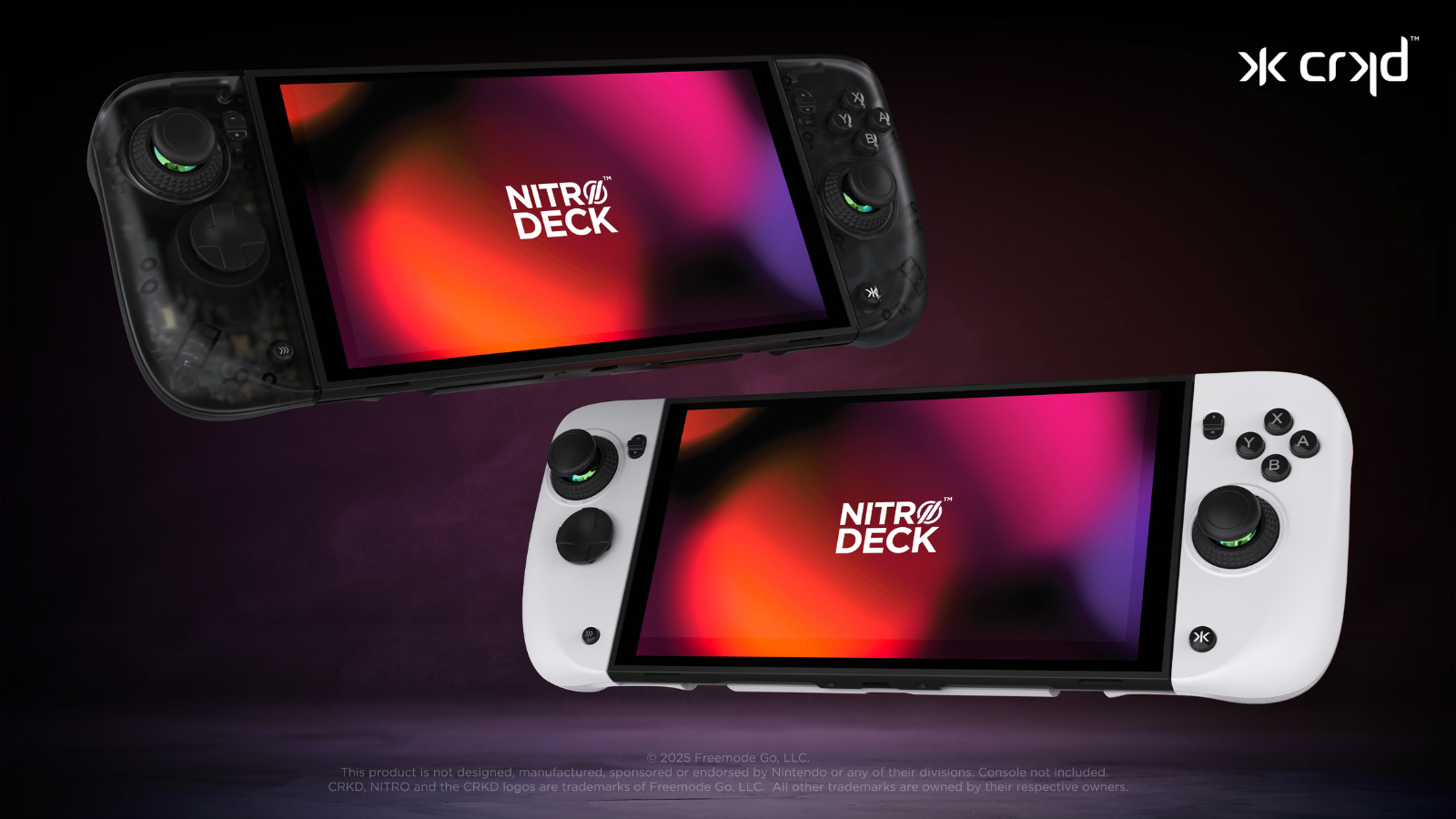
In December 2025, we exclaimed delightedly at the thought of showering our Nintendo Switch 2 with some new swag. Then, the plan was to get CRKD’s Nitro Deck 2 — a sequel to the utterly GOATed Nitro Deck — into the hands of buyers by autumn. That date blew right by, as did the promises of a July 2026 release date.
Third time’s the charm, yeah? It looks that way. In a post on X this weekend, CRKD finally confirmed that the Nitro Deck 2 would make it out of development hell by next week. It didn’t reveal an exact date, but Amazon quickly obliged and confirmed we’d see it turn up on 28 August. Unfortunately, it won’t ship to SA. Yet.
The controller, assuming it doesn’t slip further in 2026, promises to deliver a massive upgrade over the stock Joy-Con 2 controllers that ship with the console. It’s the ‘CaptiStick’ technology we’re most intrigued by, which mimics Hall-effect tech while being immune to “magnetic interference and [using] a zero-contact design.”
Price-wise, expect CRKD’s Nitro Deck 2 to set you back R1,870 — a nearly R200 increase over the announcement price. It’s available on the company’s site in a range of colours, though none that incorporate the GameCube purple we’re holding out for. If you’d rather not wait, it comes in Black Smoke, Pal Grey, LRG Fusion, and White.