
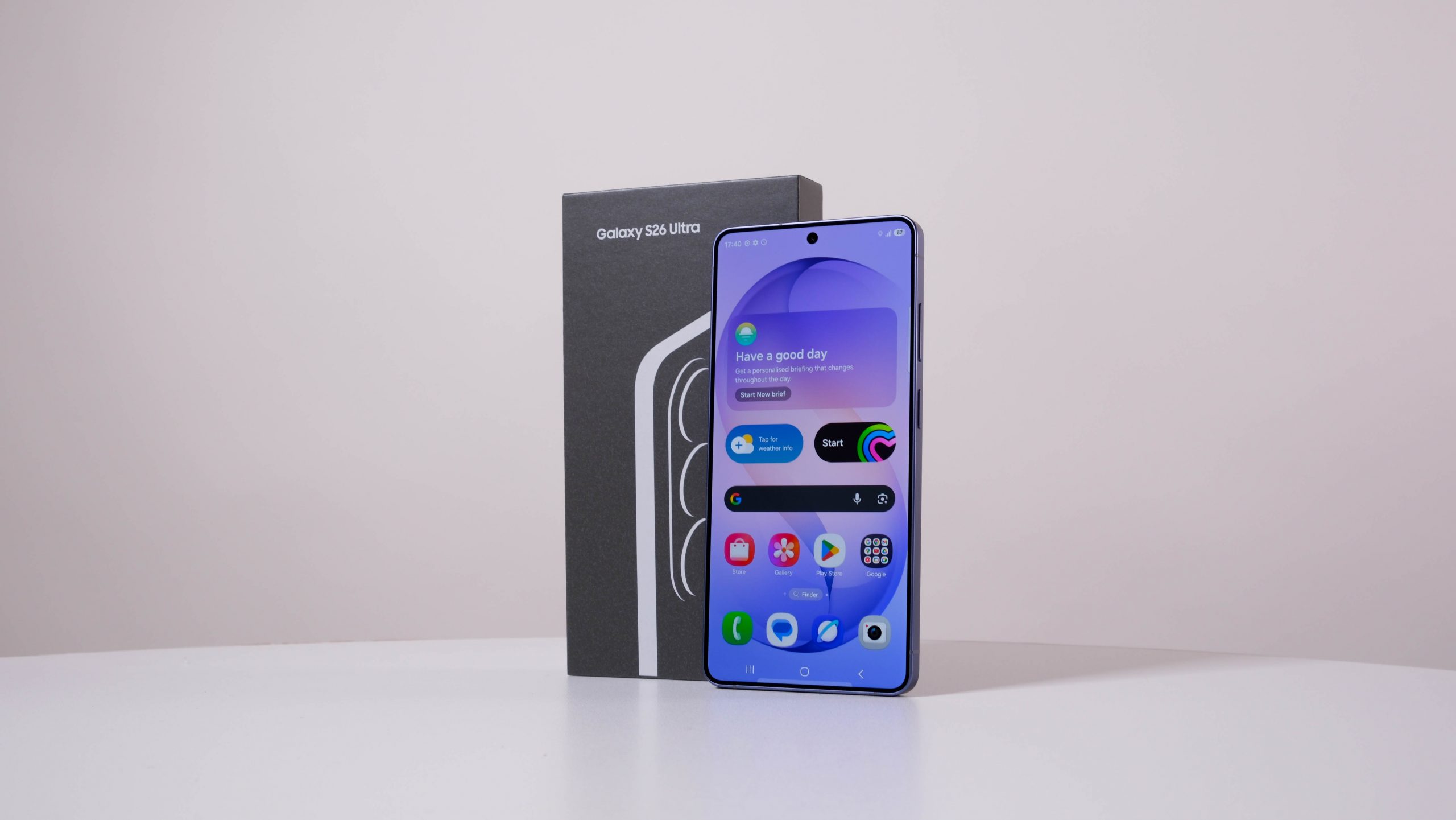
Samsung has done it again, by not doing anything much. This year's phone is, mostly, last year's phone as well, with a couple of extra bits and a new processor crowbarred in. The price point has also increased, but that's not really under Samsung's control. S25 Ultra owners needn't upgrade (at all), but folks looking for the overall best Android of 2026 will likely find everything they're after right here.
-
Design
-
Display
-
Performance
-
Battery
-
Value
There’s no arguing with the fact that Samsung routinely puts out the best Android phone of the year. This year, that’s the Galaxy S26 Ultra. Last year, it was the S25 Ultra. The year before that, it was the S24 Ultra. The clue is in the name. But here’s the tricky bit — all three of those phones… aren’t terribly different.
In terms of pure physics, each handset is the quickest of the year. The cameras are better. But almost everything you’ll encounter is such a minor step down that Samsung might as well be copying its own homework. The big changes are all software-based. It’s the reason the company pushes its AI ecosystem so far — it’s the sexiest way to say ‘we’ve updated the software for you’.
Play it again, Sam(sung)
 Even if the Galaxy S26 Ultra is 80% rerun (it is, we checked), it’s still an extremely attractive phone to hold and look at. Even with four grams of weight trimmed off last year’s model, it’s reassuringly solid. The heft alone tells you that you’ve paid at least R31,000 (the current price of our review model) to put it in your pocket. The broad-but-not-too-broad frame, the excellent glass front, and the rounded corners are all some of Samsung’s best work.
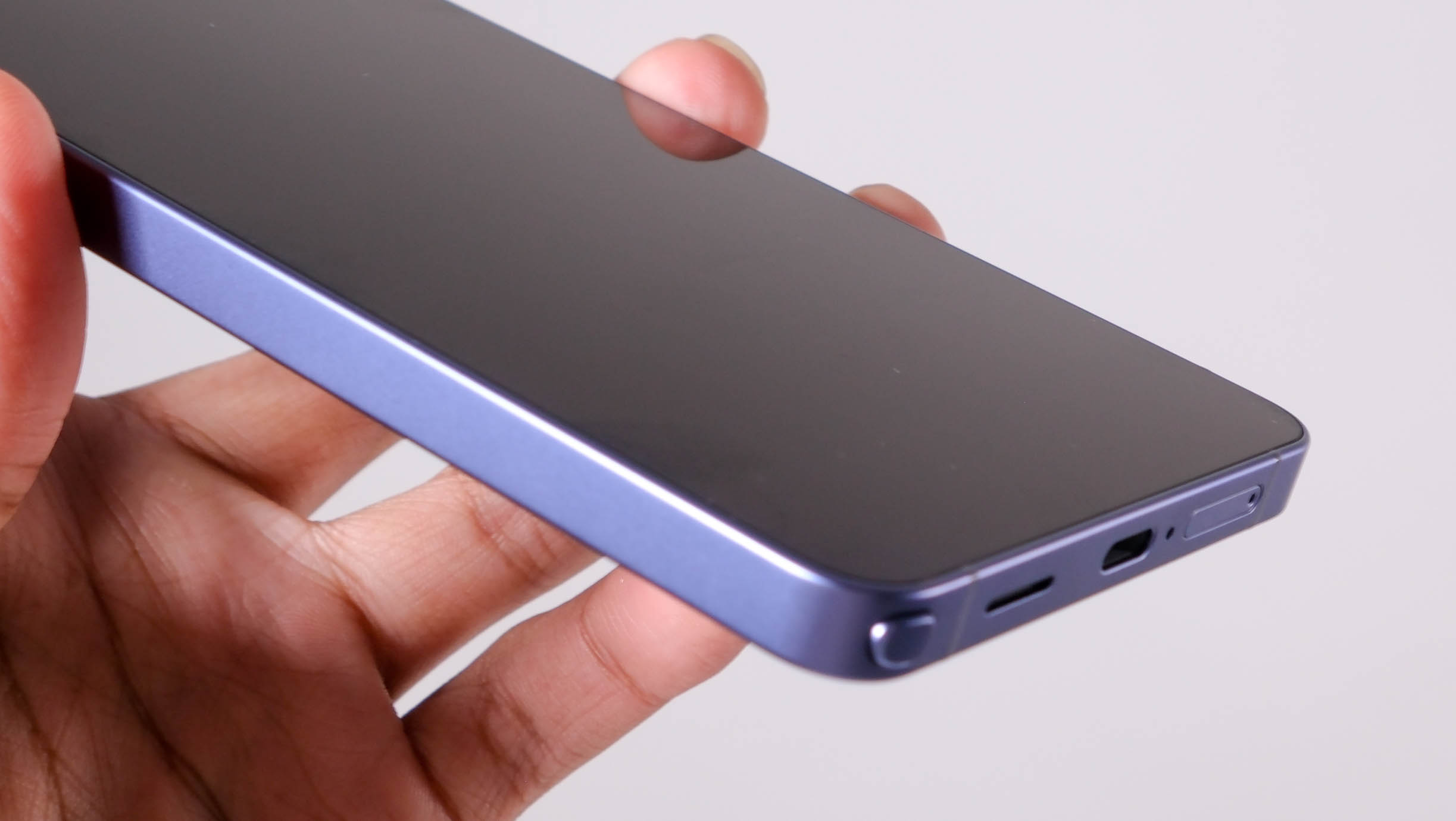
There’s almost nothing to complain about from the rest of the design, either. Physical buttons on the upper right edge and a speaker vent, USB-C port, and SIM tray on the bottom are all as they should be. There’s one issue here, however, and it’s one we were hesitant to test fully.
The bottom left corner of the phone hosts the Galaxy S26 Ultra’s S Pen. It clicks in and out satisfyingly, but it’s only supposed to be inserted one way. The base of the pen, which holds the clicky bit, is shaped to fit that corner. But… there are two ways the S Pen can be stuffed inside. It’s not actually a problem, something that older-model Galaxy Notes encountered, as the peripheral doesn’t seem to jam if you insert it wrong. You may even prefer it that way, since it’s easier to locate the stylus by touch alone. But it still seems like a silly design choice, since placing the phone down wrong will disengage the S Pen from its little home.
Interior design
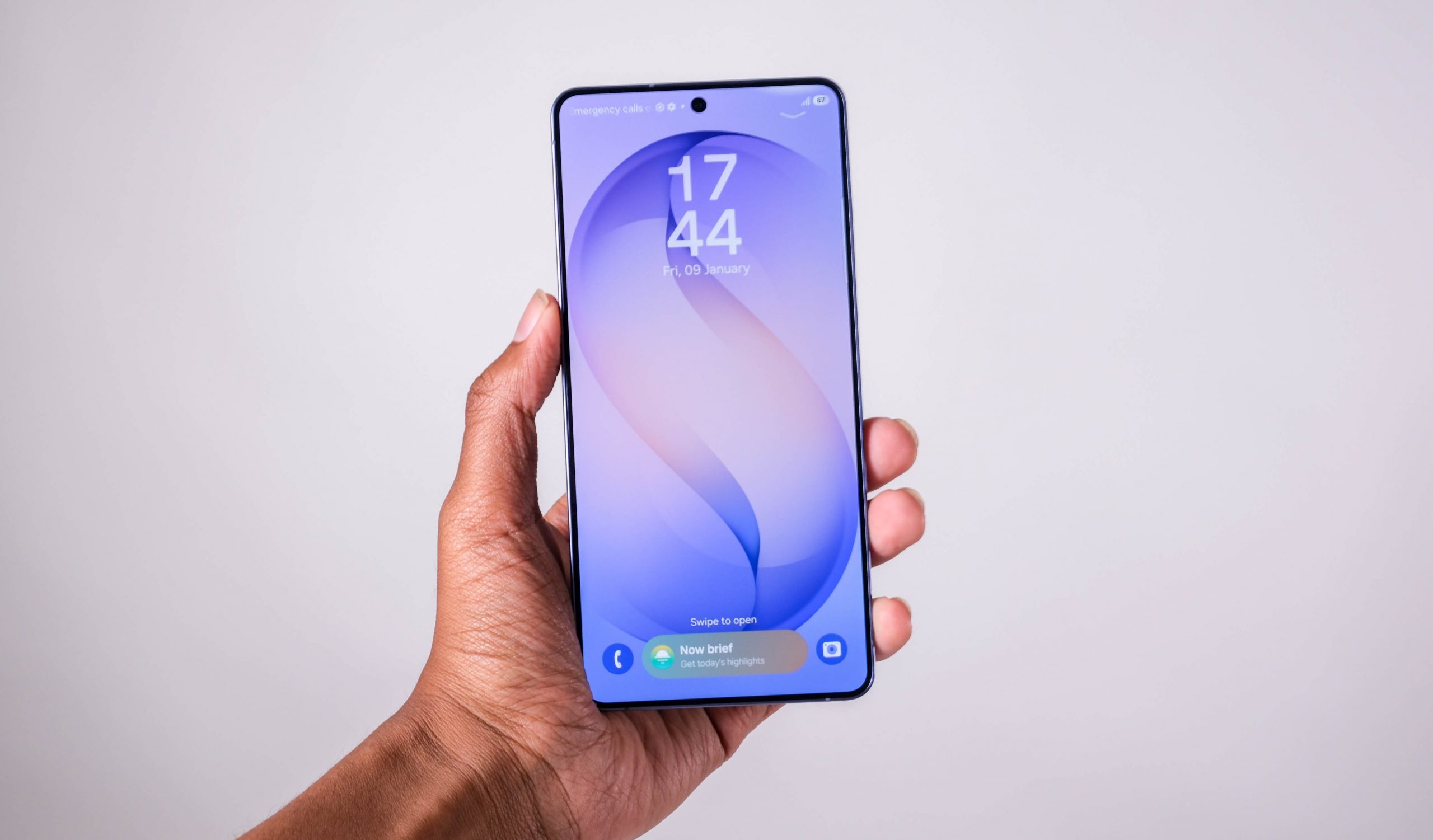 The South Korean company’s internal choices are less ambiguous, perhaps because Samsung has made so many of them in the past. The 6.9in AMOLED display is functionally identical to last year’s phone. Same resolution, same refresh rate, same protection, same brightness (1,440 x 3,120, 120Hz refresh, Gorilla Armor 2, and 2,600 nits of brightness, if you’re lazy), but there’s one new aspect — the privacy display.
This hardware feature lets you restrict all or part of the display, cutting down on viewing angles and restricting who can see your screen. This lets you enter passwords or read messages without exposing them to the world. Whatever your usage (and your reasons), Samsung’s change really works the way the company claims. Execution could be better, and you’ll lose some screen resolution using it, but it’s there if you want it.
Elsewhere, this is Samsung’s best phone of the year. The company finally stepped back the Galaxy S lineup, at least for most of the world, meaning that if you want Samsung’s custom Snapdragon chipset, this is your only option. So far. The lesser phones use Samsung’s Exynos hardware inside. It’s as blistering as we’ve come to expect. Even so, noticing speed differences between the S25, S24, and this one is a tough call.
Our review phone has 12GB of RAM and 256GB of storage. As the Ultra this year goes, this is the base model. More storage is an extra R5,000 (for now), and more RAM and a terabyte of space will run you R12,500 extra. That’s… a lot of money, even for a flagship.
Expanded intelligence
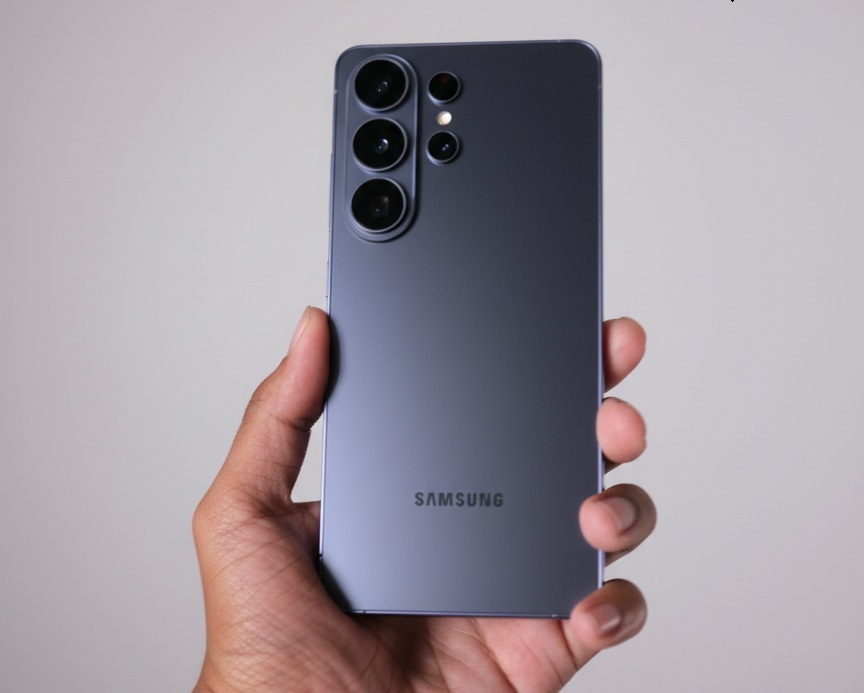 Samsung’s obviously hoping that you won’t bother too much with the carbon copy specs if it throws more artificial intelligence at you. Galaxy AI is this year’s big focus, and it’s everywhere inside the Galaxy S26 Ultra. Presumably, the other models in the range, too, but we haven’t had a chance to fiddle with those yet.
Everything from last year has stuck around. Live translation, transcription, summaries, and image generation have seen minor tweaks and work about as well as they did in 2025. The new stuff varies in its usefulness, with Now Nudge losing some utility if you’re outside of the major markets (we are). It’ll still attempt to organise your life, but automatic bookings are out of reach for the present.
Having the Galaxy S26 Ultra answer unknown numbers is interesting. At least now some of those robocalls can have a taste of their own medicine. You can follow progress on the screen as it happens, prompting some responses if you’d like the illusion of control. Tweaking, editing, and generating new bits of the images you’ve taken is also handy. It’s one way to project a different version of reality than the one you actually occupy. It’s also good for fixing mostly good snapshots caused by human error.
Copied cameras
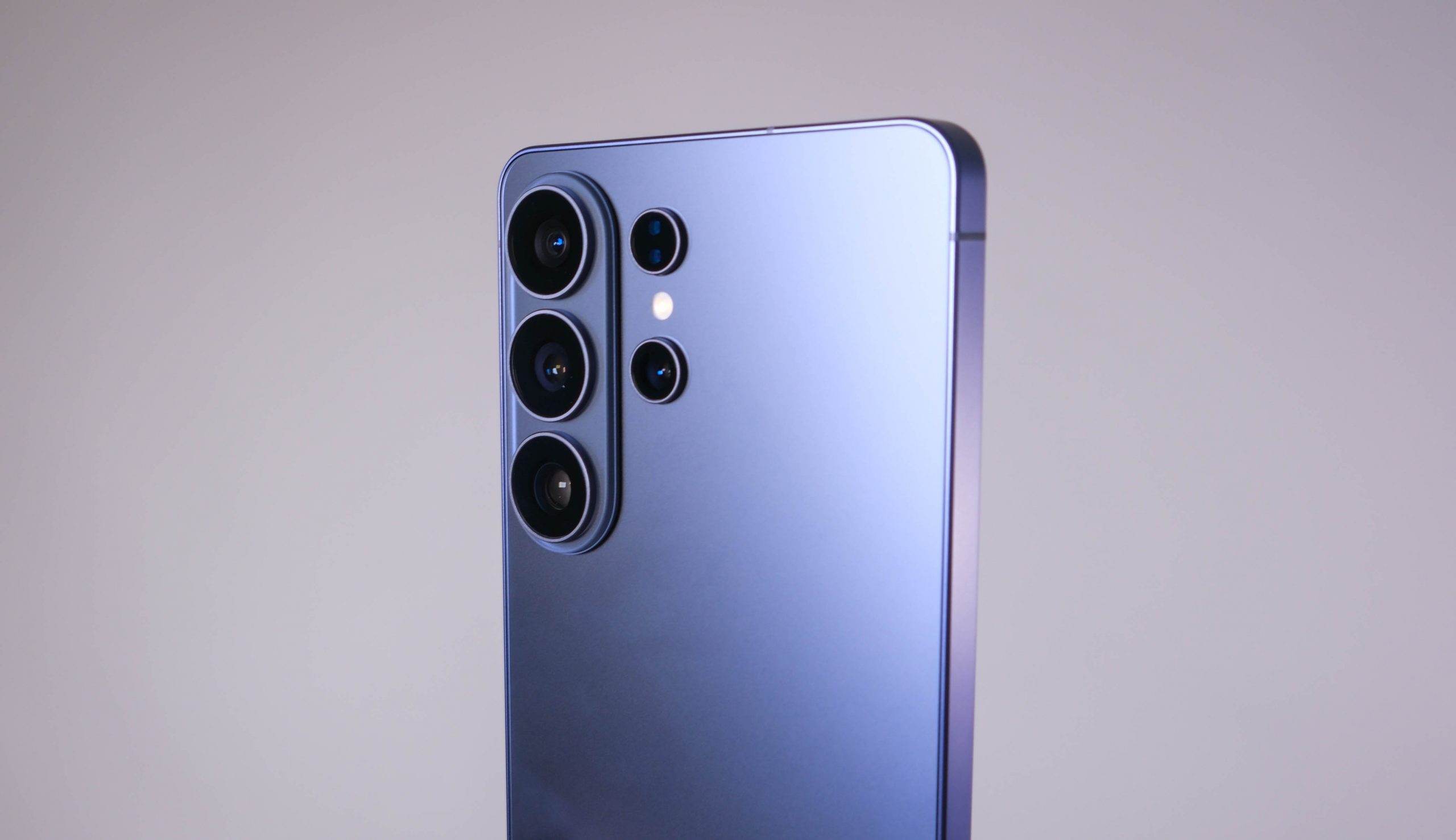 We could rehash last year’s camera setup here and be done with it. The 200MP/10MP/50MP/50MP arrangement in the rear hasn’t changed from 2025. The 12MP front-facer is also identical. There’s nothing new on that front, with advancements coming via Samsung’s AI push.
That’s disappointing if you have the S25 Ultra. It’s similar if you’re using the S24 Ultra. But if you take a more optimistic view, nothing has declined and the cameras were already excellent. They’re not the very best — you’ll have to explore current Chinese smartphones for peak pocketable performance — but they’ll nab everything you want in just about every condition you care to name. It’s just a pity that we’ve seen it all before.
Samsung Galaxy S26 Ultra verdict
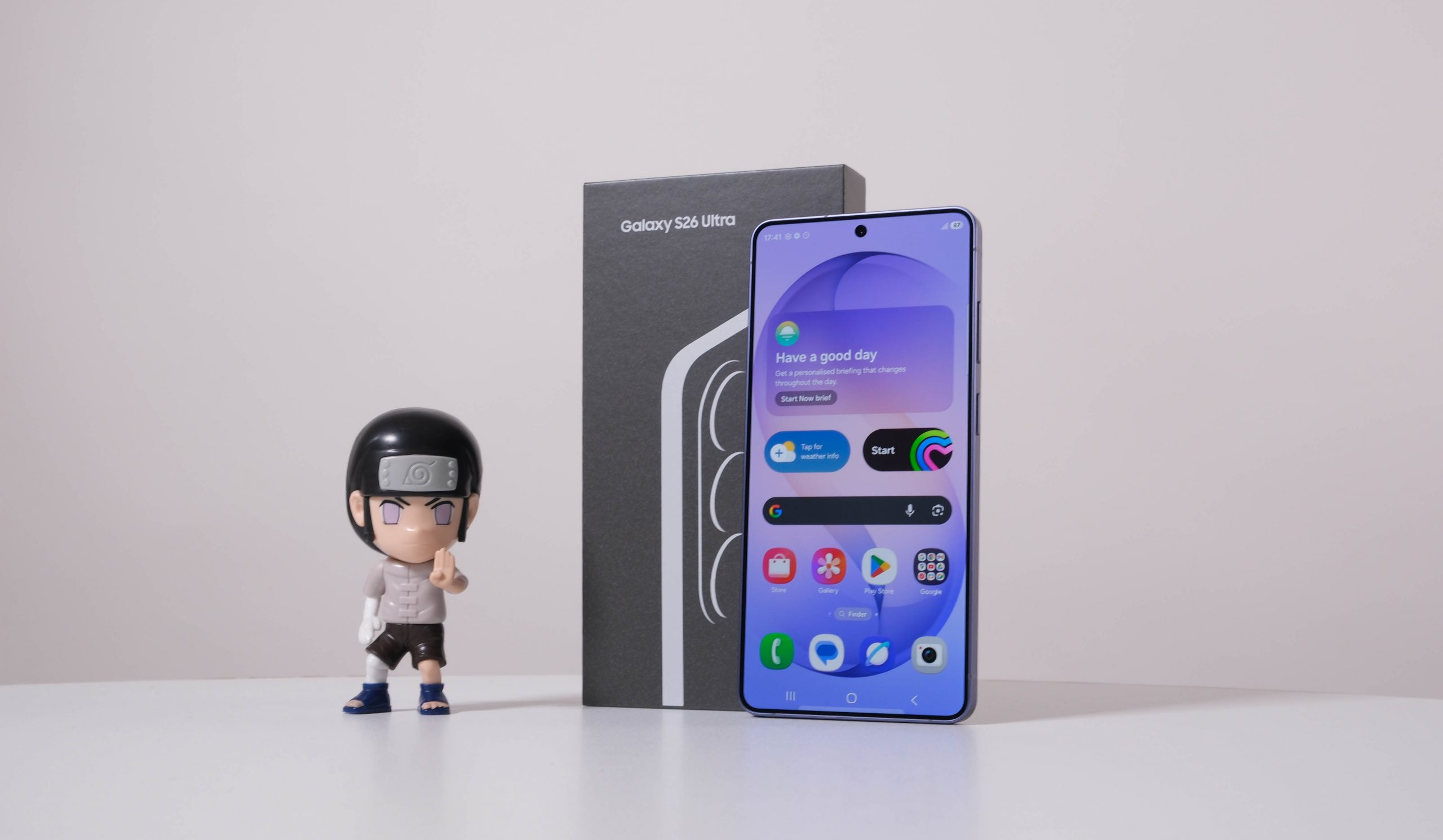 You can’t go wrong with Samsung’s headline products, no matter which department they issue from. The same is true of the Galaxy S26 Ultra, which is the company’s best phone by a decent margin this year. It’s also Samsung’s most expensive for a main-line release, and that’s going to sting. You’ll net similar performance and most of the same features by opting for last year’s model.
Sure, you’ll lose out on the AI improvements and the Privacy screen, but are you really losing that much? We’d argue that you’re not, especially since we expect Samsung to expand its AI features to older models before the end of this year. The quicker processor and clever screen can’t be transmitted OTA, but they’re not massive drawcards to begin with.
However, if you really must own the best overall phone of 2026 (so far, and probably for the rest of the cycle), it’s this one.