

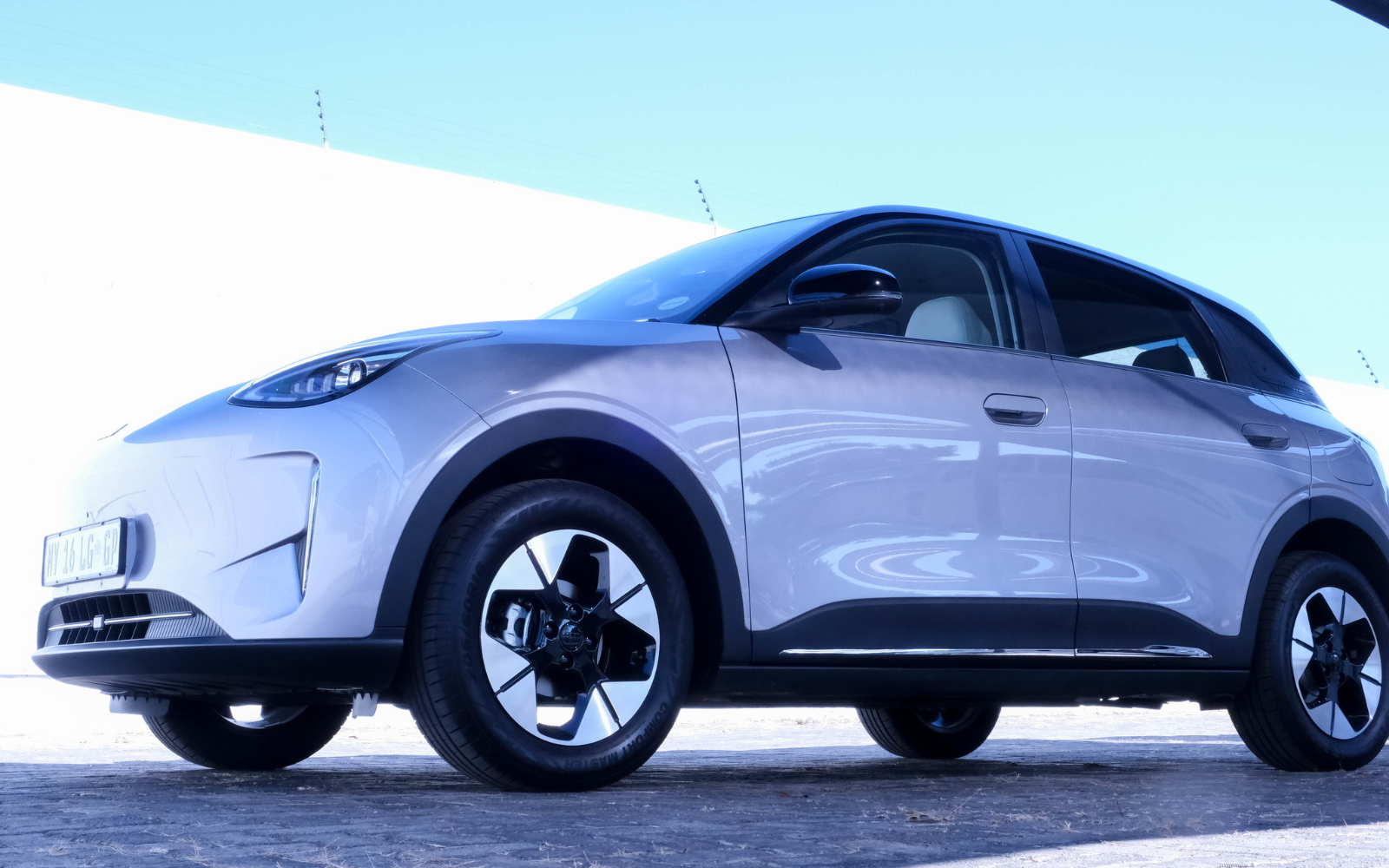
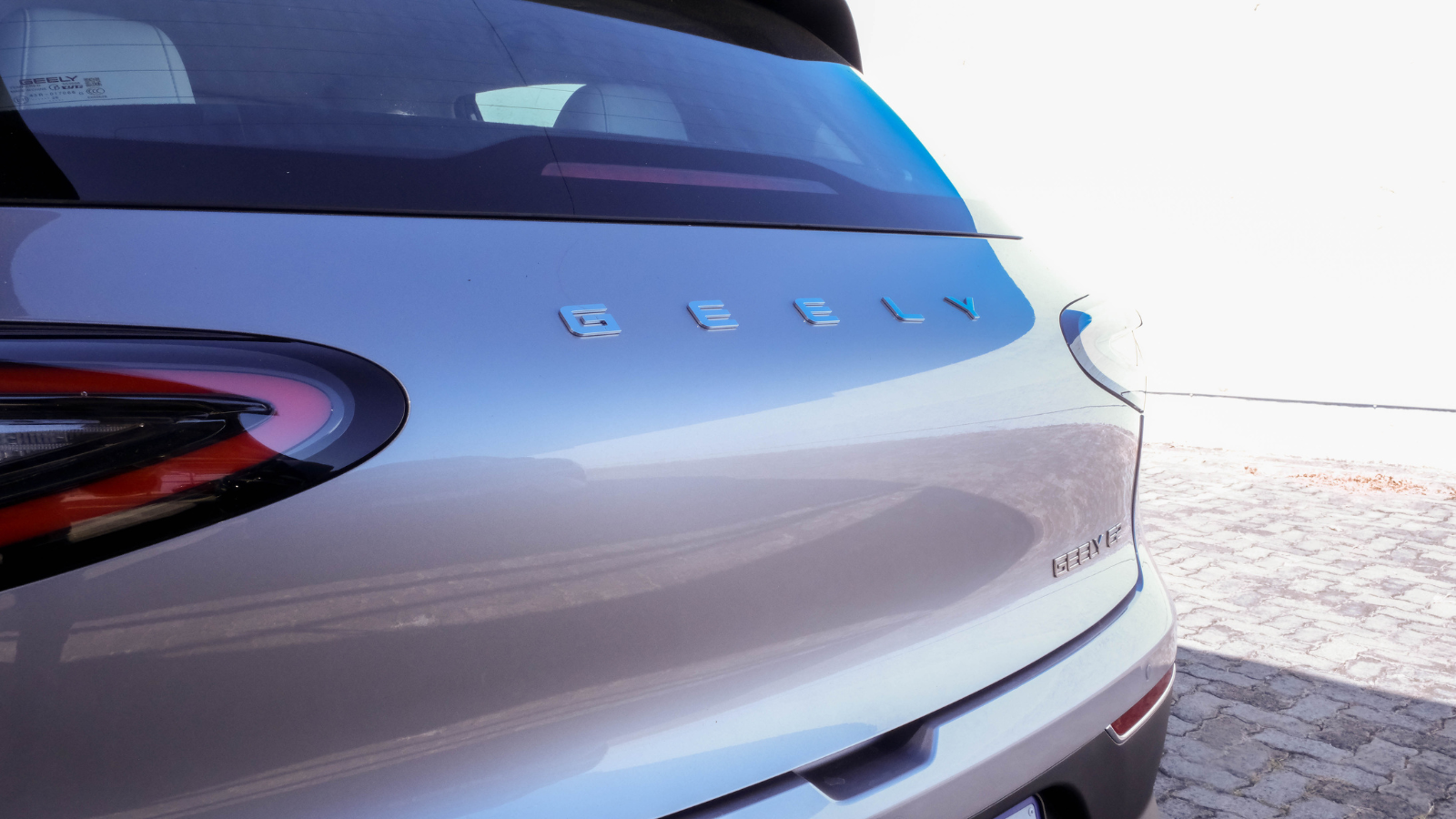
The Geely E2 Apex is proof that affordable EVs don't have to feel like a compromise. It won't wow you with blistering performance or unnecessary gimmicks, but it delivers where it matters most: a pleasant drive, smart packaging, and enough polish to make the switch to electric feel less intimidating. Geely has created a seriously tempting alternative to the usual suspects.
-
Design
-
Performance
-
Infotainment
-
Features
-
Value
“Made in China” is no longer the insult it once was. In fact, in South Africa’s ever-growing EV market, it’s a badge of honour. Brands like BYD and Geely aren’t only catering to the elite, but are bringing decent EVs — like the Geely E2 — to the country at a relatively affordable price, with a few bells and whistles thrown in.
The Geely E2 (Aspire) is one of the cheapest electric cars in South Africa. The Geely E2 (Apex) isn’t. It comes mightily close, however, steering clear of the R400,000 mark and settling on a final price of R390,000 at local dealers. The question is whether the E2 Apex is worthy of that dough.
The not-so-little EV that could
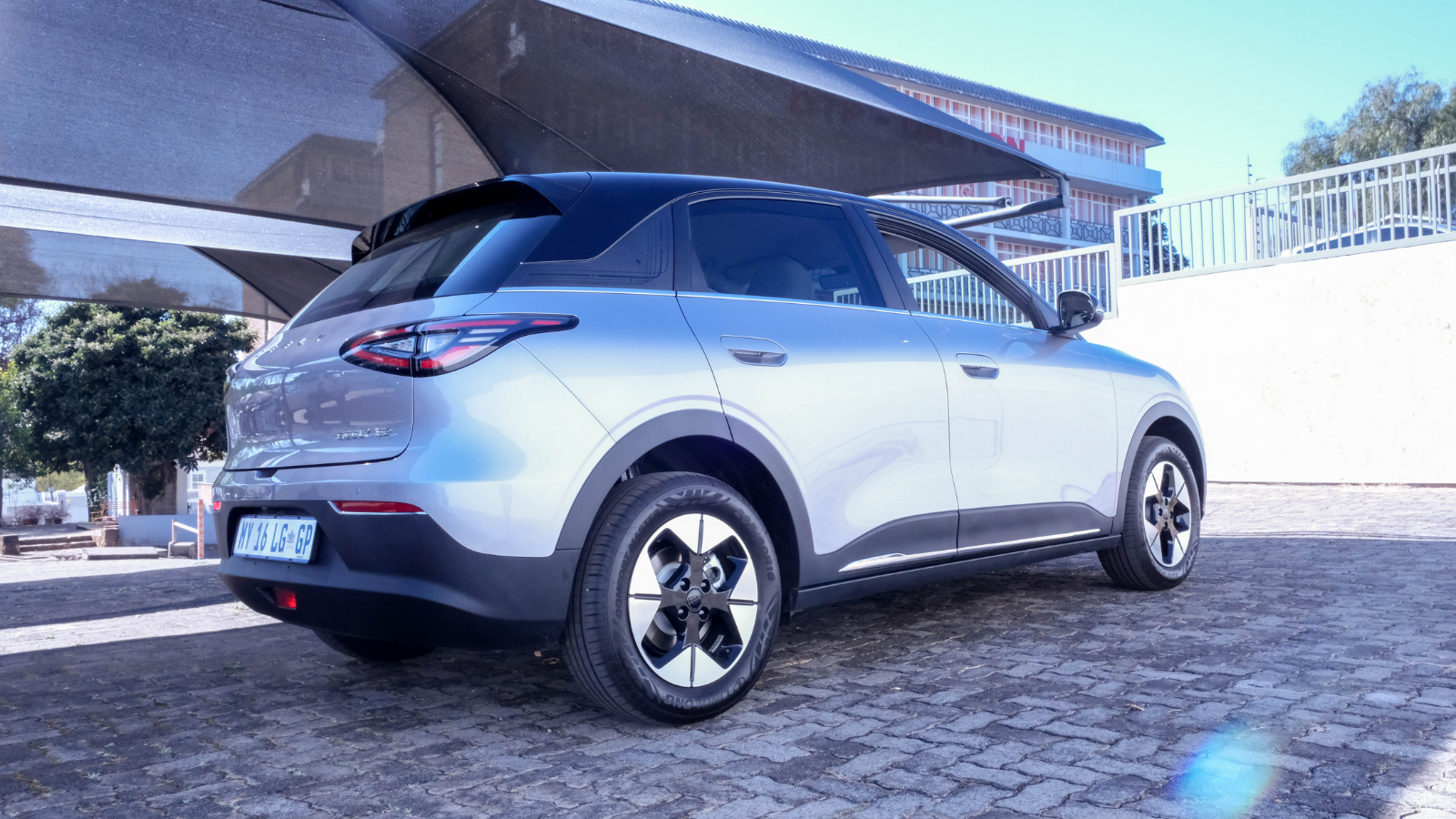
Don’t be deceived by the E2’s compact design. Geely’s managed to make this little hatchback roomier than most EVs of this calibre, while still maintaining a futuristic aesthetic that we greatly enjoyed. From the outside, however, it looks like every other hatchback cruising the streets — albeit with no sharp edges to speak of.
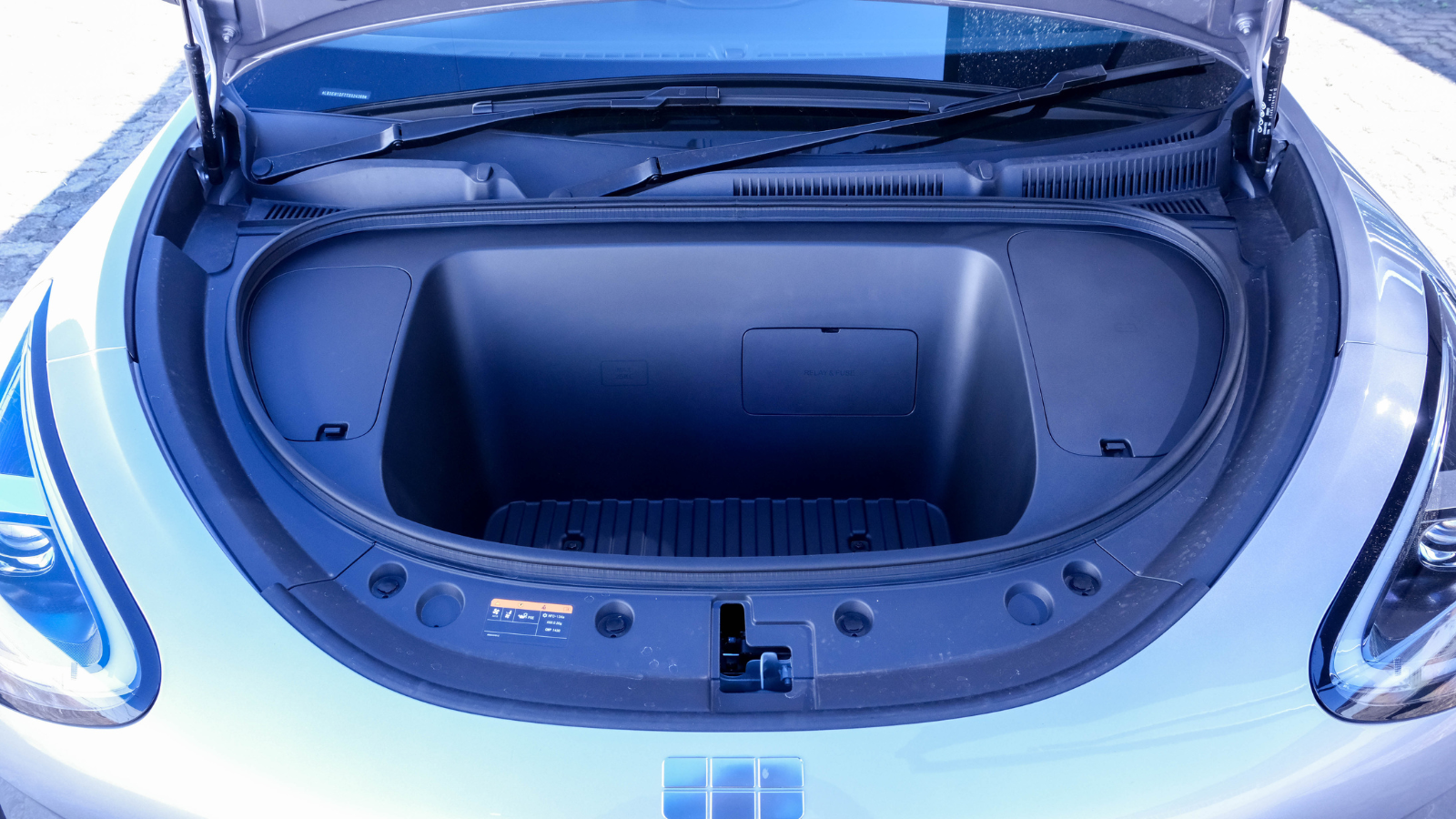
In addition to a driver, three passengers, and a rather capacious boot, there’s also the frunk where you’d normally find an engine. It’s not the largest compartment, with a 25kg rating, but it adds a bit more depth. Inside, the hard plastics remind you where Geely has saved money, but that’s hardly surprising at this price point.
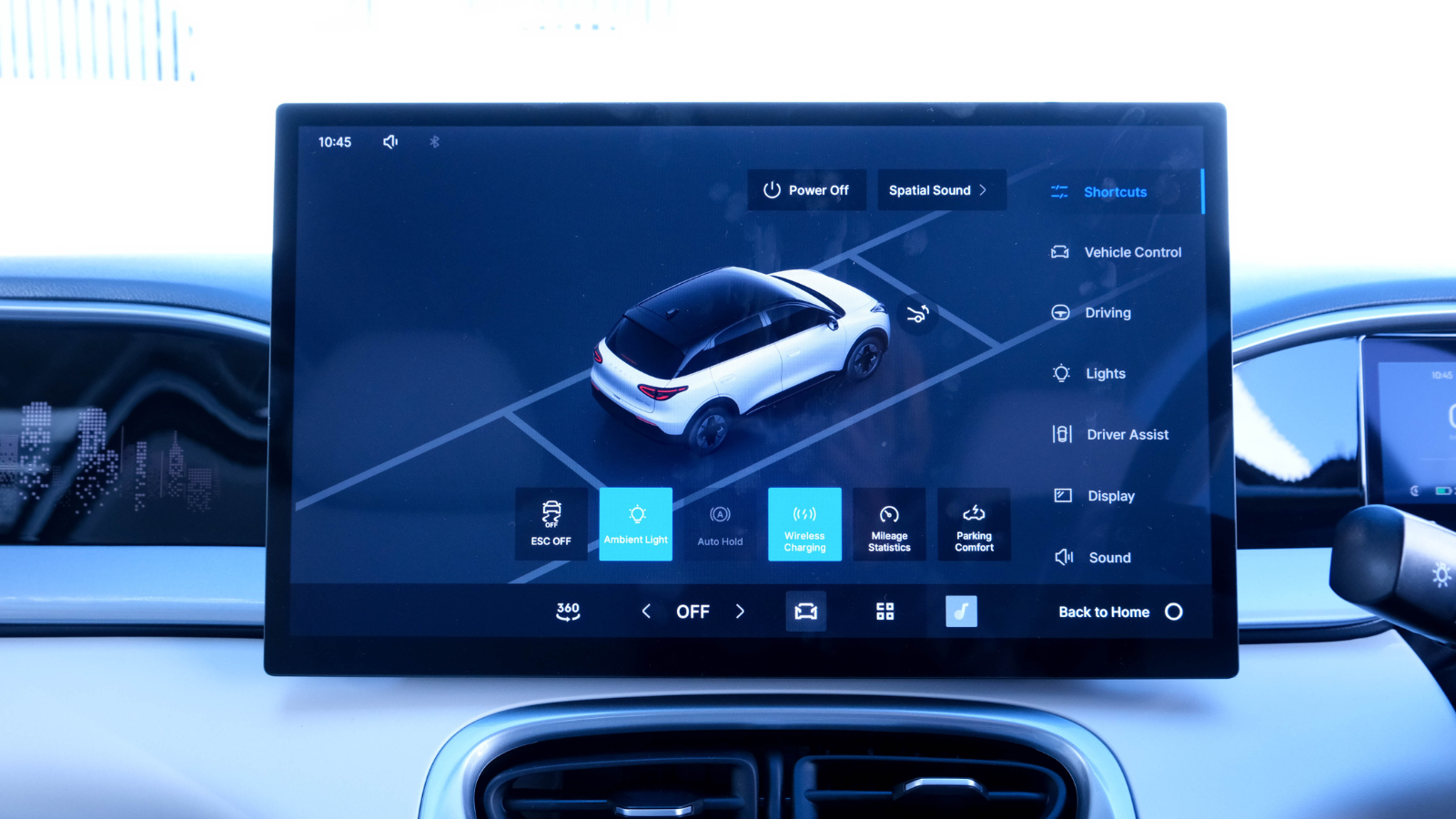
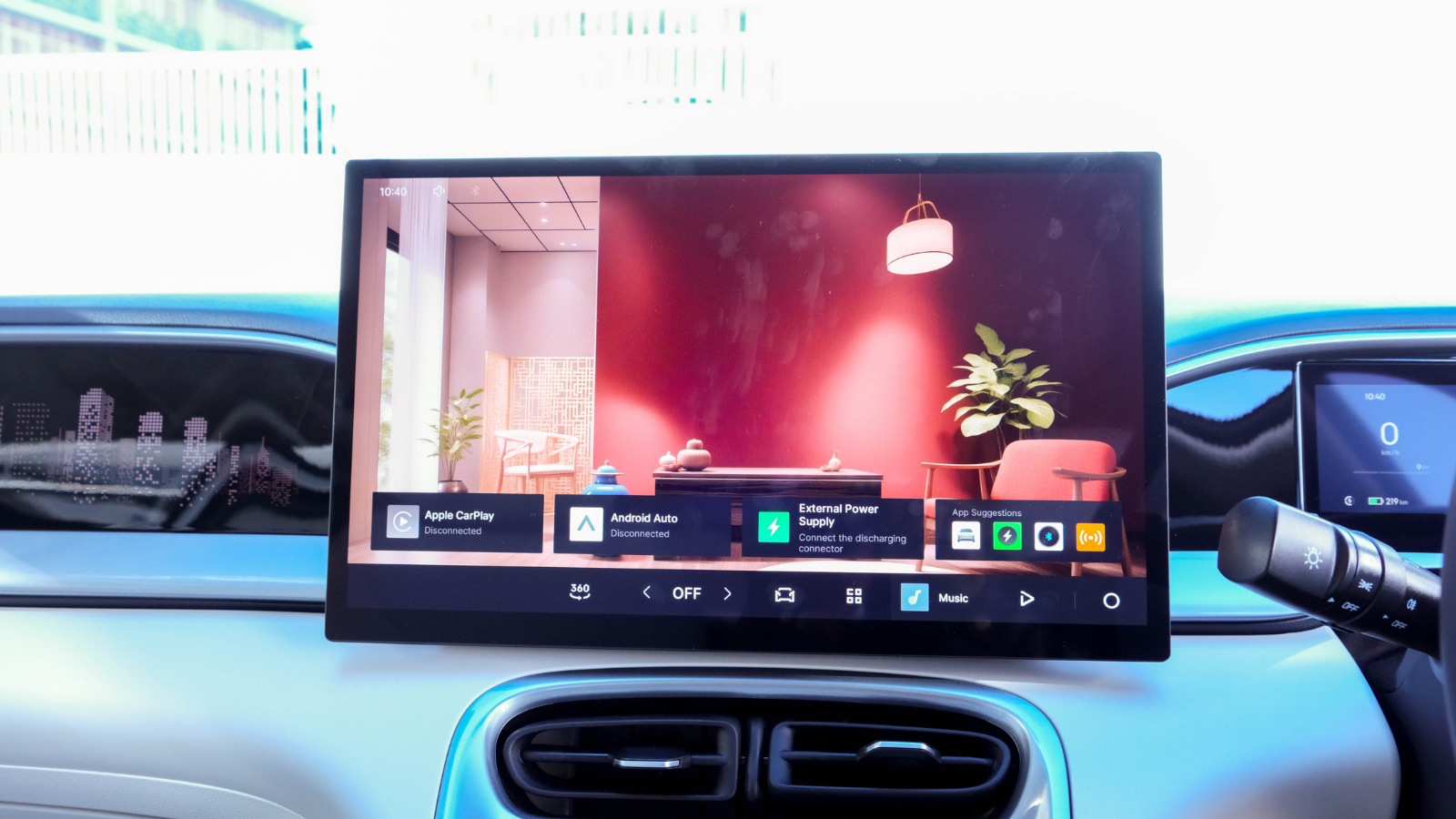
That’s not a knock against the E2. Geely makes up for its shortcomings in other ways. One of those is the generous 14.6in touchscreen that, while a fingerprint magnet, was sufficiently high-res and reacted with no lag to speak of. Better yet, Geely doesn’t sacrifice the important physical buttons to make it happen, leaving AC controls, the park button, and gear shift below the screen. We’d have liked physical volume controls, but what can you do?
Read More: BYD Dolphin Surf review – So long, and thanks for all the charge
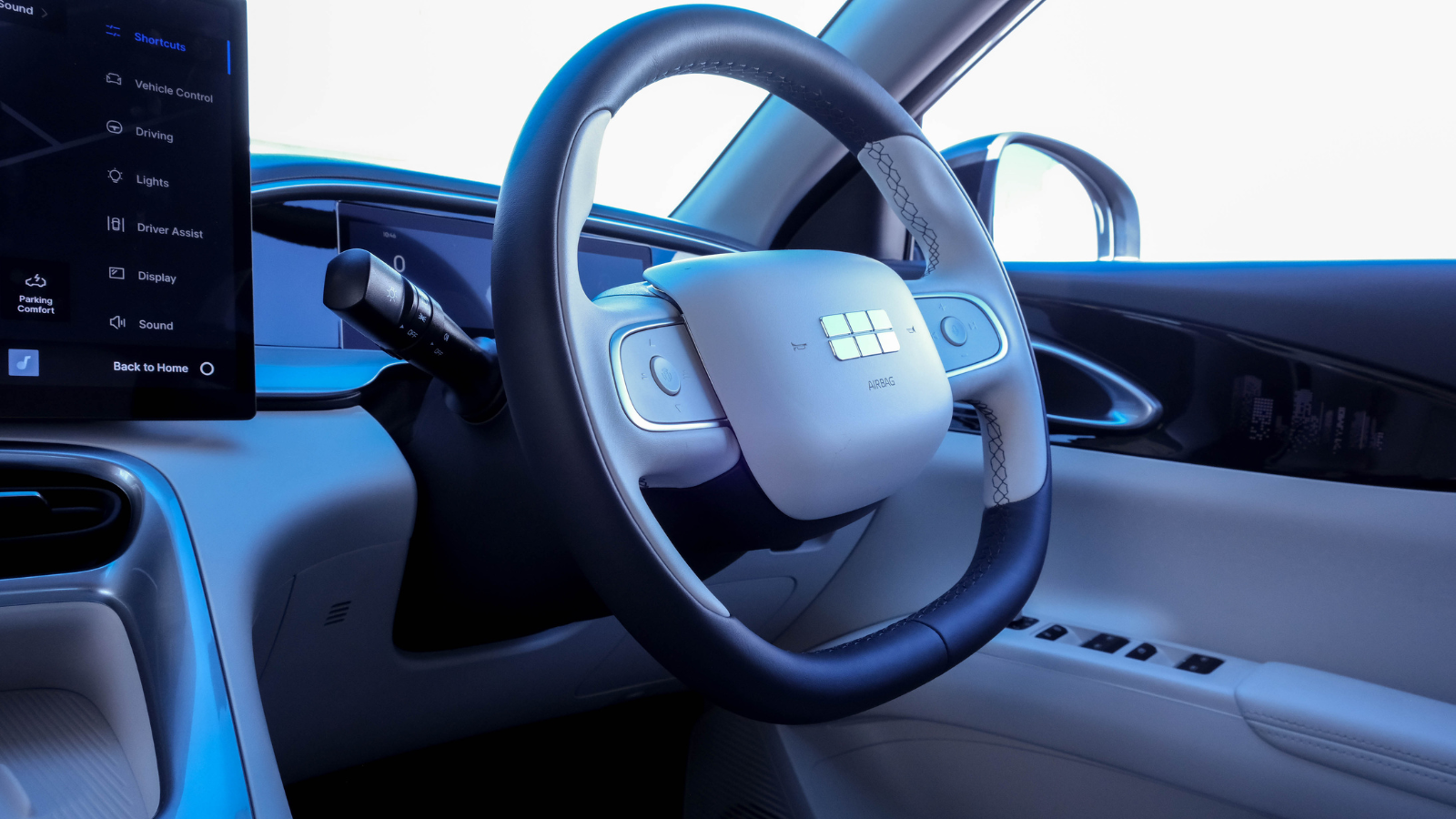
The 8.8in digital cluster behind the vegan leather-wrapped steering wheel was less impressive. It did its job of tracking our speed, remaining battery, and general power consumption. Taller folk like us may find themselves scrunching down to get a proper look at the screen. You win this round, short kings and queens.
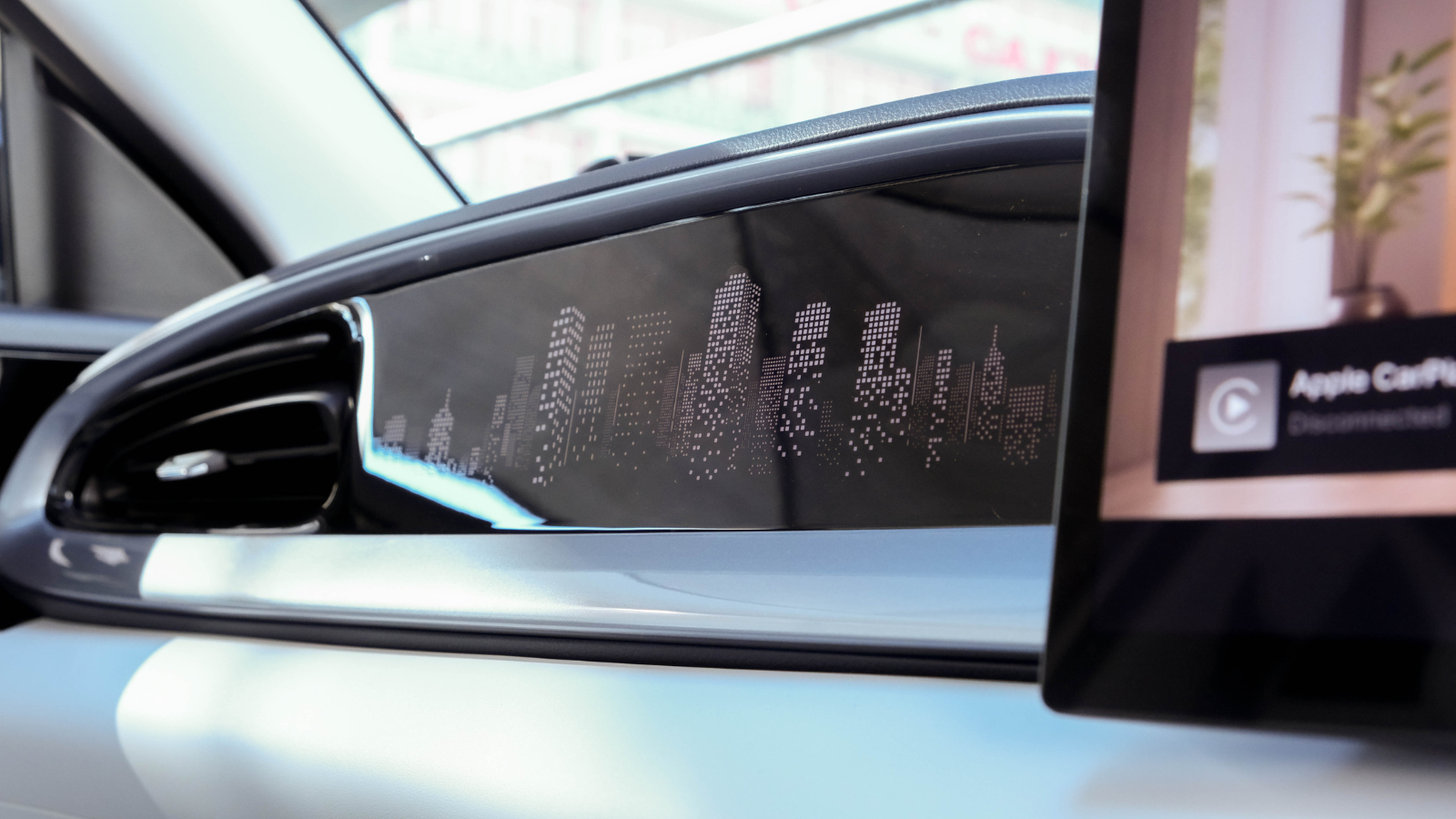
Easily the E2’s most charming aspect is its design. We weren’t overly fond of the ivory white interior, but the ‘Urban Starlight’ mood lights stretching across the dash and side doors were a delight to look at. These can either be turned off if they’re too distracting, or colour-customised to suit the vibe you’re going for inside.
No highway hero
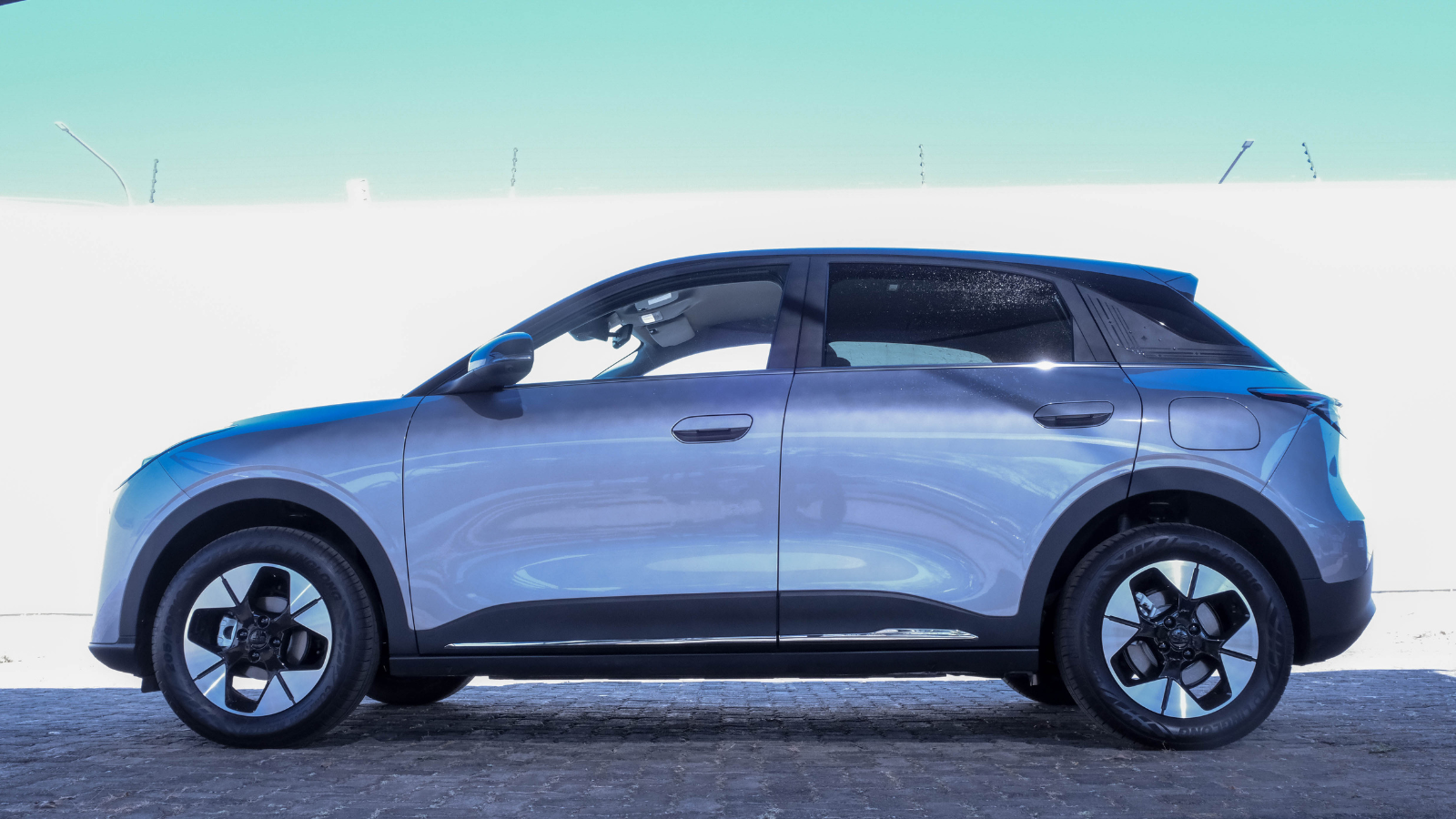
It’s worth mentioning that the R50,000 that set the Aspire and the Apex apart is purely to get all the little extras on your side for a more comfortable and (arguably safer) ride. Stick with the cheaper, and you’ll get the same sort of performance and battery life as its more expensive cousin. And that performance was, well, good. The E2 Apex is powered by a single electric motor, capable of delivering 85kW and 150Nm to the rear wheels.
The result is an exceedingly comfortable and competent drive, regardless of your mode. ‘Eco’ is easily the worst of the lot, significantly kneecapping acceleration — though it’s less noticeable once up to the speed limit. The difference between ‘Comfort’ and ‘Sport’ is less stark, prompting us to leave the E2 in its default state more often than not. Only occasionally did we need that extra spurt of power, which the E2 gladly provided.
Even by the time we got to the highway, the E2 Apex wasn’t showing any signs of giving up. Even in Comfort, we found ourselves able to keep up with the general flow of traffic, and even overtake on a few occasions. Getting it up to the claimed 130km/h speeds does require a lead right foot, and a bit of gravity on your side, however.
Geely reckons it’ll take a little over eleven seconds to get the E2 up to 100km/h. We can attest to that. That might be a dealbreaker for the speed demons out there, but it sounds about right for what the E2 is aiming to accomplish. And that’s being your go-to city-slicker, rather than anything particularly competitive on the road. For the price you’re paying, it’s fair to say the E2 handles better than most other EVs in the range.
We did come away with one gripe: the AVAS system (or Acoustic Vehicle Alerting System for long). Designed to give the traditionally quiet battery a little extra “vroom” (or in this case, weird sci-fi sounds) so that pedestrians have some warning of your approach. It did its job, sure, but at the cost of annoying our eardrums. This is customisable in the settings, but none of the other presets could provide the solace we sought.
Geely takes charge
The year is 2026. Eskom is firing on all cylinders. Range anxiety should be a thing of the past, even when investing a considerable chunk of your income into a ‘budget’ EV like this one. Fortunately, the E2 was more than capable of getting us from A to B without fudging the odometer, thanks to the 39.4 kWh LFP battery pack.
The E2 fell slightly short of the claimed 325km (WLTP) by 20km or so. That was more our desire to put it through its paces, rather than any shortcomings on Geely’s end. Get comfortable with the E2’s handling, and it’ll reward you with a modest battery life, all things considered.
We’ll admit, our doubts began to creep in once we had 21% left in the tank (metaphorically speaking) and arrived only to find the nearby charger out of commission. We made the next location without any issues, but it’s still worth remembering, especially if you’re an EV newbie. Veterans, not so much.
By the time we made it there — with 13% to spare, mind you — we appropriated the DC fast-charger. Once it was all hooked up, we were told it’d take a little under an hour to get it back to full at 50kW. That was fine by us, but busier people than us may have to make do with the far-slower AC charging at home. Price-wise, you’re looking at a little under R300 to fully charge the EV, depending on where you park it. Decent return on investment, that.
Bells and whistles
You’re honestly not missing out on much by opting for the cheaper E2 Aspire. It’s just as capable on the roads, with Geely tacking on a few extras to justify that R50,000 additional asking price. Most of those revolve around advanced driver systems, like adaptive cruise control, automatic emergency braking, and the like.
Most of these systems fade into the background, which is exactly where they should be — apart from one. The automatic emergency brake (AEB) is a mostly silent backseat driver — emphasis on mostly silent. When attempting to overtake a parked car on a deserted street (at a reasonable speed), the AEB decided to step in and put its foot on the brake, despite there being no real danger. We imagine it’d be quite handy in a real-life emergency, but not at the cost of giving us heart failure. There’s no way to turn it off for good, either.
The E2 is equipped with many cameras, all of which proved satisfactory when it came to parking the thing. The reverse-view camera was especially handy, operating at a much higher resolution than we’re used to. We wish we could say the same for the side-view cameras, which kicked in whenever the car was indicating. Never mind that it’s taking up real estate on the infotainment display; it also forced Google Maps to recalibrate fairly often.
We’d be remiss if we didn’t point out our biggest pet peeve — turning the car off. Traditionally, this would be relegated to a button within reach. The E2, instead, sticks it on the infotainment display, often behind one or two button presses. It’s not a dealbreaker, but it did garner a sigh every time we stopped.
Geely E2 (Apex) verdict
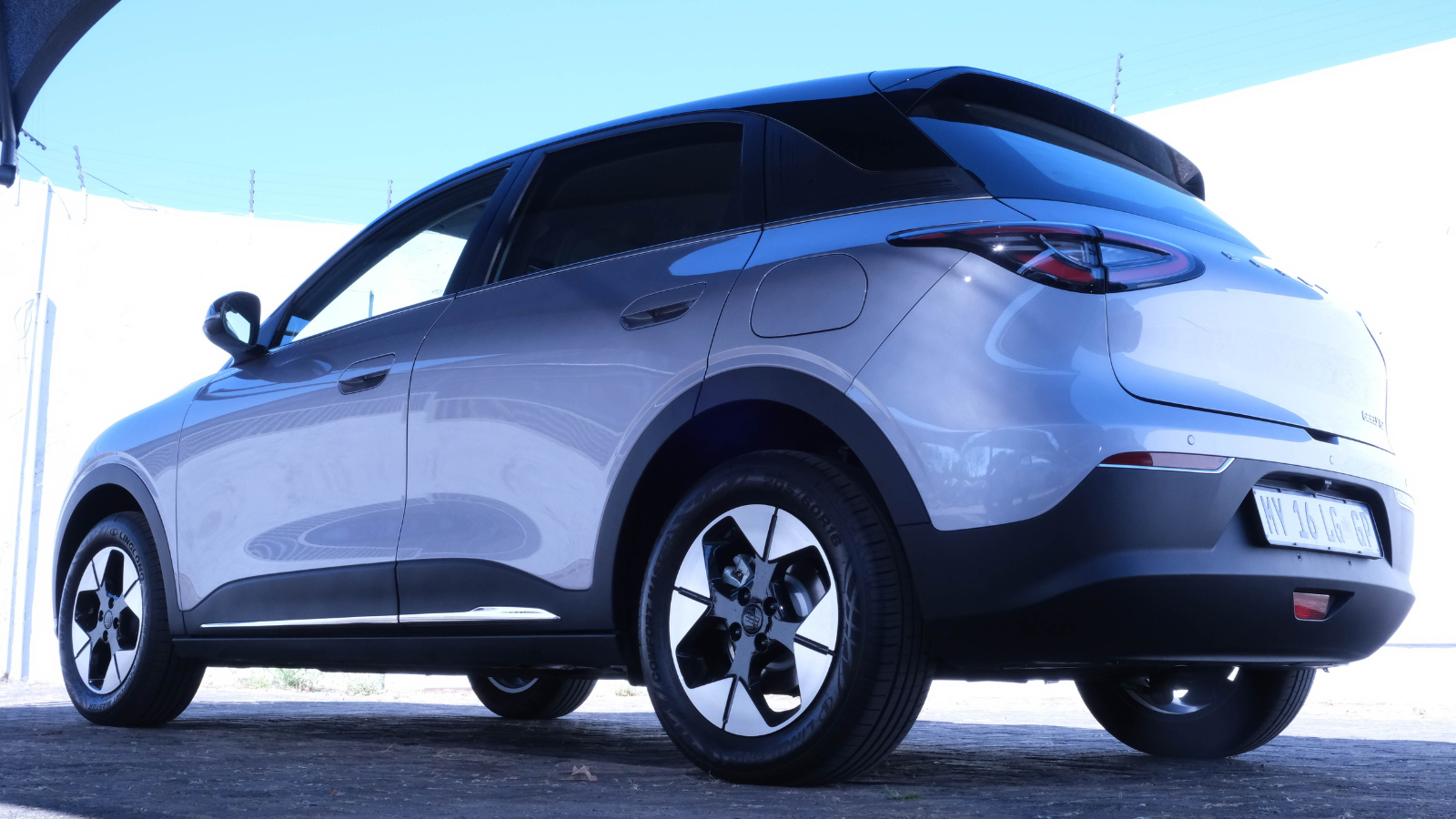
The Geely E2 isn’t trying to reinvent the wheel, and that’s exactly why it works. This is a city-slicker through and through, built for the daily commute, school runs, and everything else that makes up the average Saffa’s urban grind. Within its comfort zone, the E2 offers a comfortable drive, plenty of range, more than enough tech, and enough practicality to make it an attractive little EV package.
Better yet, it undercuts the BYD Dolphin Surf while delivering a more polished overall experience for roughly the same price. At R390,000, this is still a serious investment. Nobody is disputing that. But it’s also one that’s becoming increasingly accessible to South Africans who want to make the jump to electric. The E2 knows what it is, and for many drivers, that’s more than enough.


1 Comment
The volume control buttons are on the steering making iy easier to adjust the sound without taking your eyes off the road.