
The Mate 80 Pro is a solid choice right now. It was a better choice a short time ago, when everyone who noticed bought out Huawei's website stock. But there are a bunch kicking around regular retail still, hoping to tempt you away from Samsung's annual march of the clones. If you do jump ship, and love taking photos, you won't be sorry you opted for the 80 Pro.
-
Design
-
Display
-
Performance
-
Battery
-
Value
Stuff is a little late to the Huawei Mate 80 Pro party. If you missed out on the Chinese brand’s massive sale on this one, where the price dropped from R22,000 to R13,000, so are you. That offer is sold out, so you’re looking at a still-cheaper but nowhere near as impressive R19,000 cash price for the 80 Pro. That’s a terrible shame, but it’s still a stonking good phone for its price.
You can also have it for R750/m on contract. For folks with photographic glory on their vision board, this one should be worth the monthly premium. The Mate 80 Pro has plenty going for it, but the camera is definitely the headliner.
Go for gold
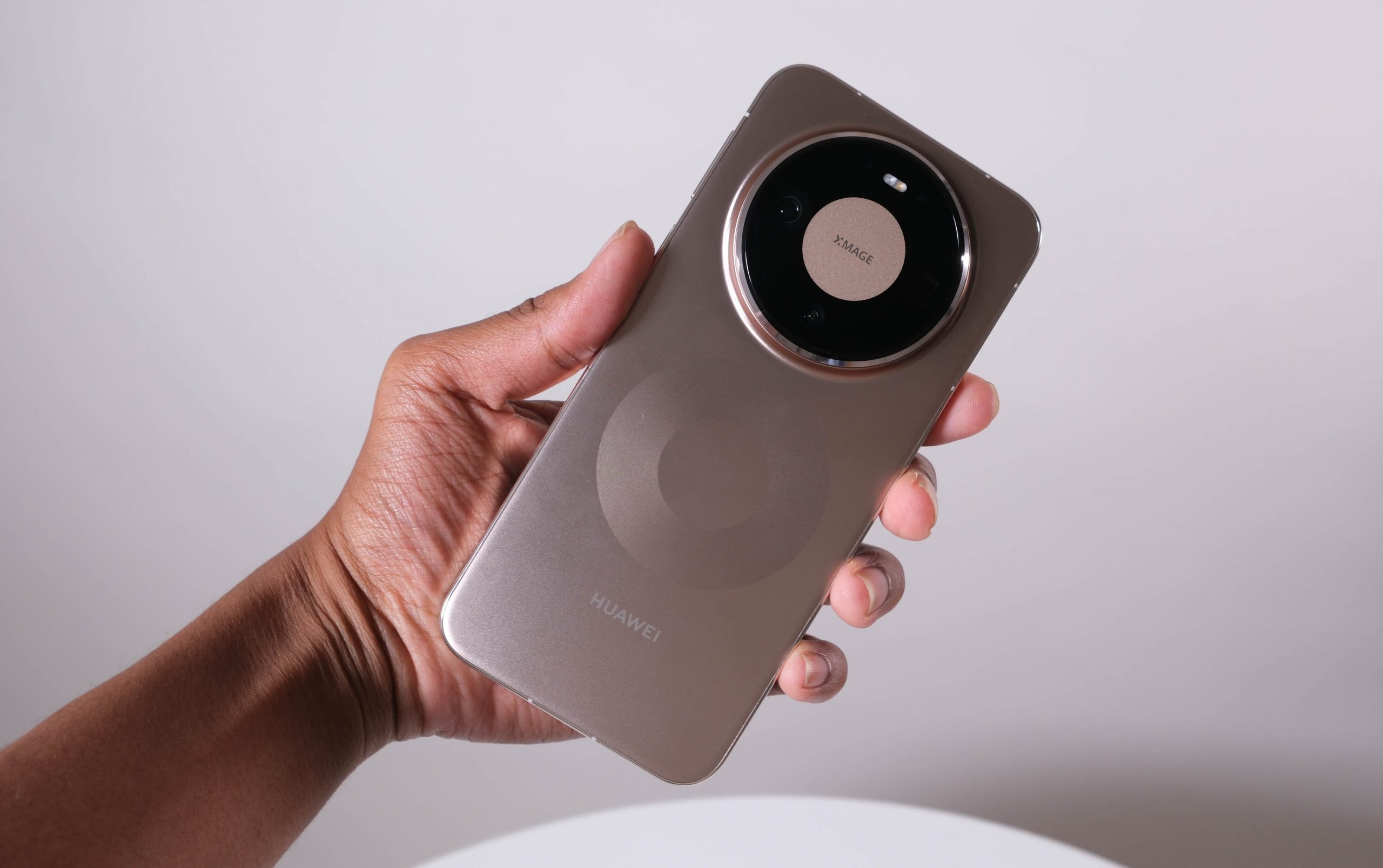
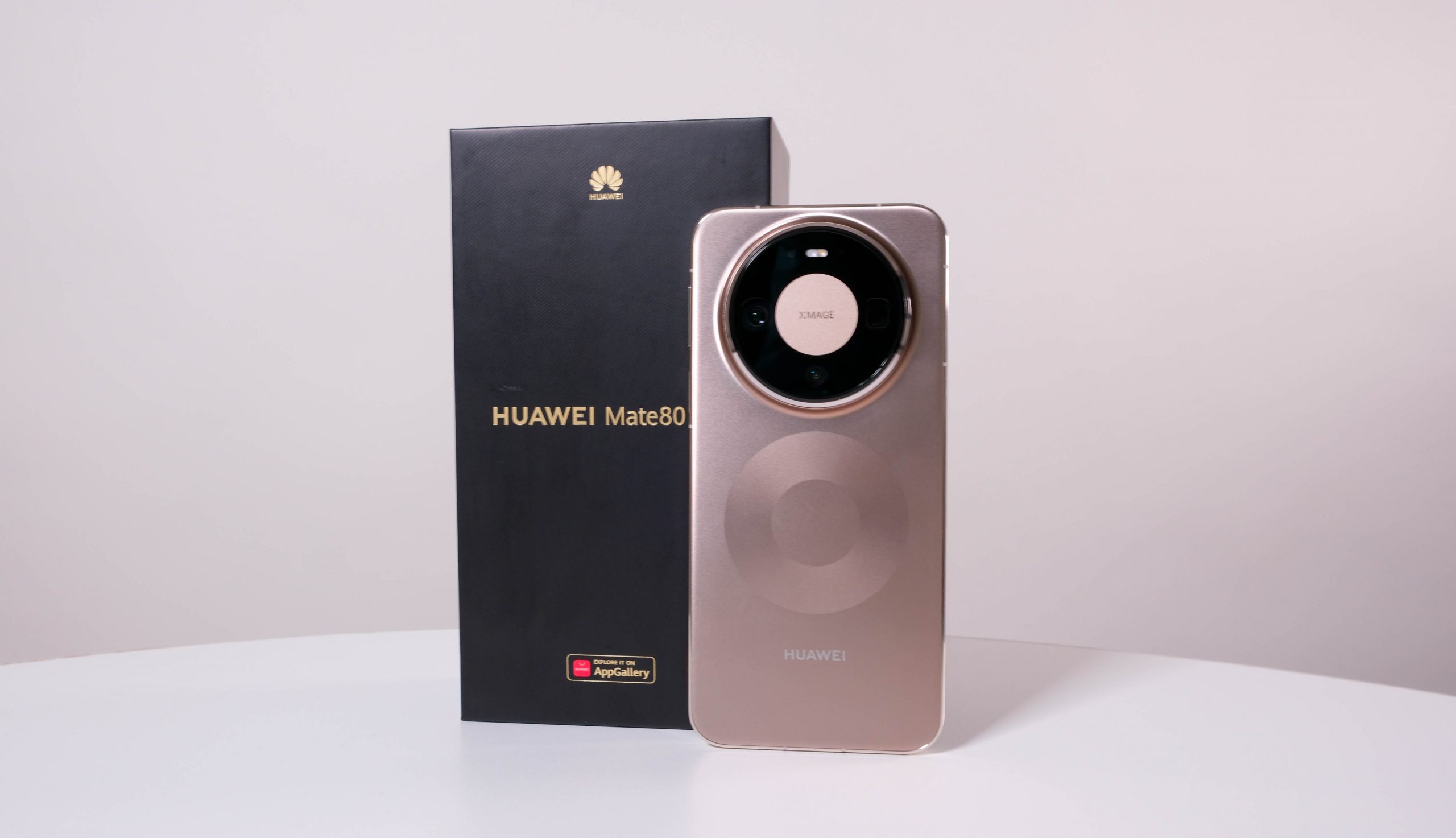 Before we get to the impressive circular bump on this smartphone’s rear, it’s worth getting into just how good this phone looks. It’s not the slimmest or most compact, but if you’re a fan of shiny objects… Very shiny, as it happens. The gold back panel and reflective circumference wouldn’t look out of place on an oligarch’s desk. The build materials are visibly premium. It’ll be a shame to stick the phone into anything other than Huawei’s provided clear hard plastic case. At least the case adds very little bulk to the 80 Pro.
No matter what you do to protect it, the Mate 80 Pro’s camera sensor will dominate. That’s not hard to do, since the physical keys and ports/audio/SIM tray occupy their usual places (top right and bottom edge, respectively). Still, the phone seems somehow minimal in design.
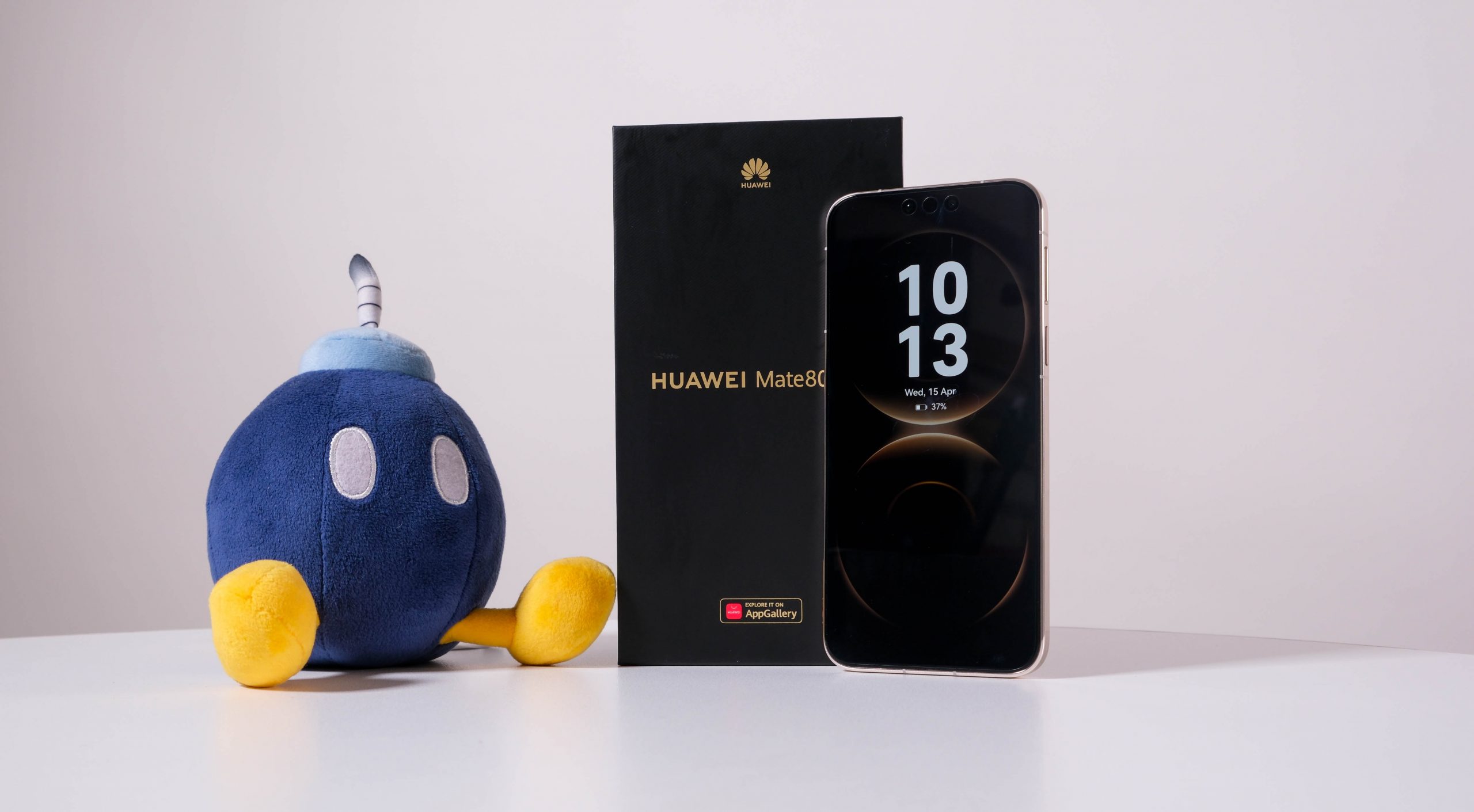
The bright, flat 6.75in OLED display conceals a triple-sensor array. Don’t get too excited on the photography front, though. There’s only a single 13MP lens there. The other two are time-of-flight sensors for facial biometrics and other computational wizardry. To make up for the deception, there’s a humongous 100W charging brick and cable in the device’s box.
Mirin’ Kirin
 Huawei still has to use its own computing hardware for its flagship devices, thanks to losing out on the kit everyone else has access to. Still, the Kirin lineup, and the Kirin 9030 Pro found in our 512GB/16GB model of the Mate 80 Pro, aren’t too shabby. There’s a ‘lesser’ version found in the 80 Pro that ships with just 12GB of RAM, but it’s not, as far as we know, available here.
The 6.75in OLED hits all the highlights a modern smartphone screen is supposed to, including brightness. Huawei has gone all the way up to 3,000 nits at peak. Daylight viewing shouldn’t be an issue. Nighttime might blind you, unless you’ve got the adaptive display turned on.
There are no complaints to be had for phone performance with this loadout. That includes internet speeds, since this Kirin chipset supports 5G. Everything you launch will be quick and snappy. Swapping between apps and functions is similarly speedy. The only downside? Huawei has loaded its phone with tons of software. We get the defensiveness, given that it’s tough to get certain apps on the device, but do we really need all of Huawei’s apps, Microsoft’s suite, most common AI platforms, and Meta’s social media stuff? Google’s suite is also preinstalled, forestalling possible complaints about EMUI 15.
Snap? Happy.
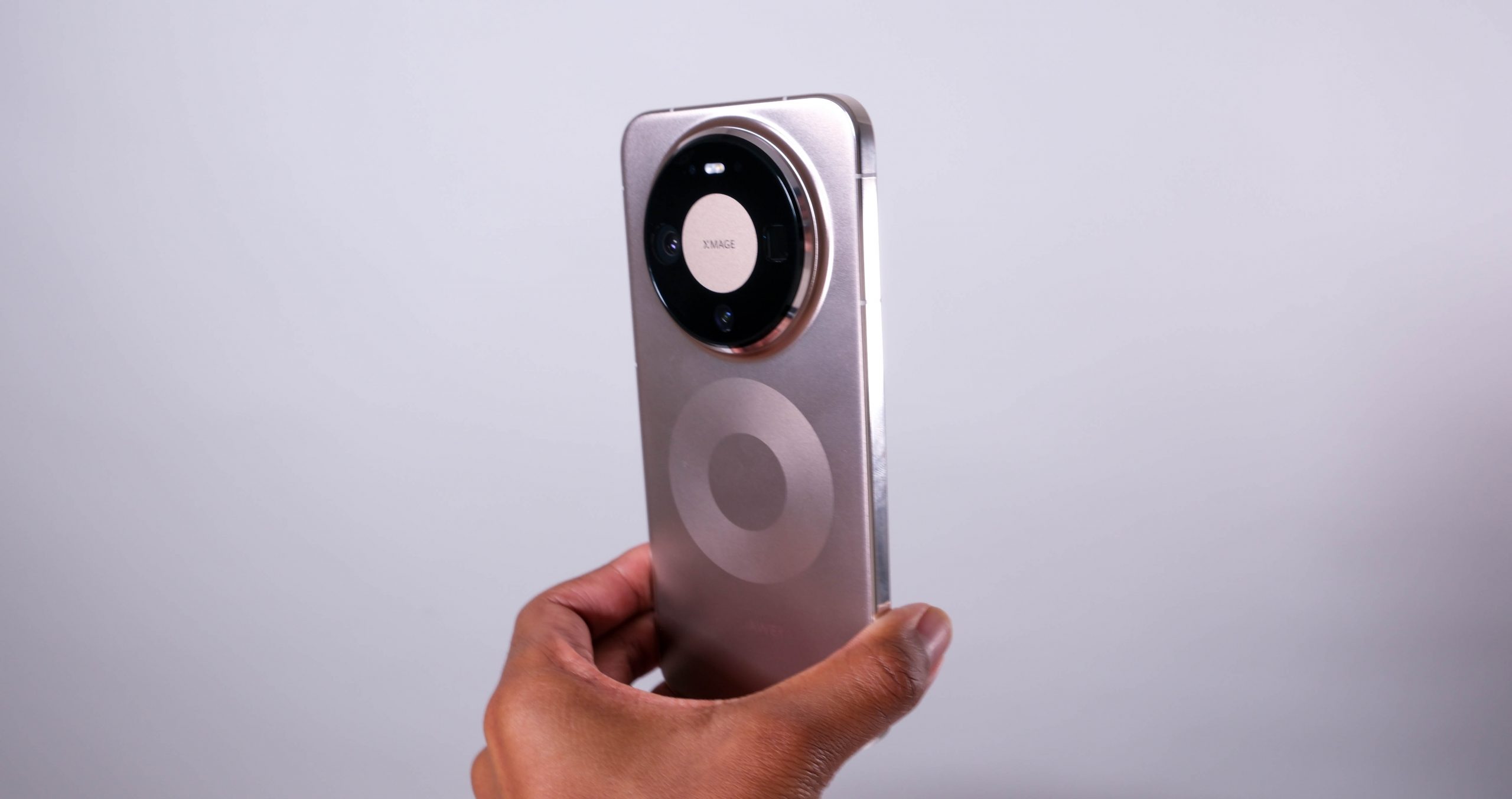 But, as we said at the very beginning, it’s camera performance that the Huawei Mate 80 Pro really delivers. The catch? The cameras haven’t changed from the Mate 70 Pro. It’s still an impressive set, with the main 50MP variable aperture sensor, the 48MP periscope telephoto, and the 40MP ultrawide working together to deliver some of the best shots you’ll find this side of a dedicated camera. There’s one minor upgrade — the f/2.1 telephoto has gone from 3.5x optical zoom to 4x. That’ll scoot you just a little closer to your target, but it’s not enough reason to upgrade from the previous model on its own.
That… isn’t really a problem for South Africans, at least. It’s possible to buy the previous model, but it’s a pain in the ass. Huawei never officially released it here, but it did release the Pura 80 Pro. If you’ve already got one of those… then the camera systems are very similar. The Mate 80 Pro dispenses with the 1in main sensor, but the backups offer the same performance and zoom levels.
You’ll snag better photos from the Pura 80 Pro, purely because of the hardware upgrade. Huawei’s software hasn’t changed, though, and it’ll still be a shade too enthusiastic when ‘improving’ your shots. Sometimes it works, sometimes it doesn’t. Most of what you’ll snap will go right from your phone to socials and family groups with no need for editing… unless you suck at framing. That’s on you.
Huawei Mate 80 Pro verdict
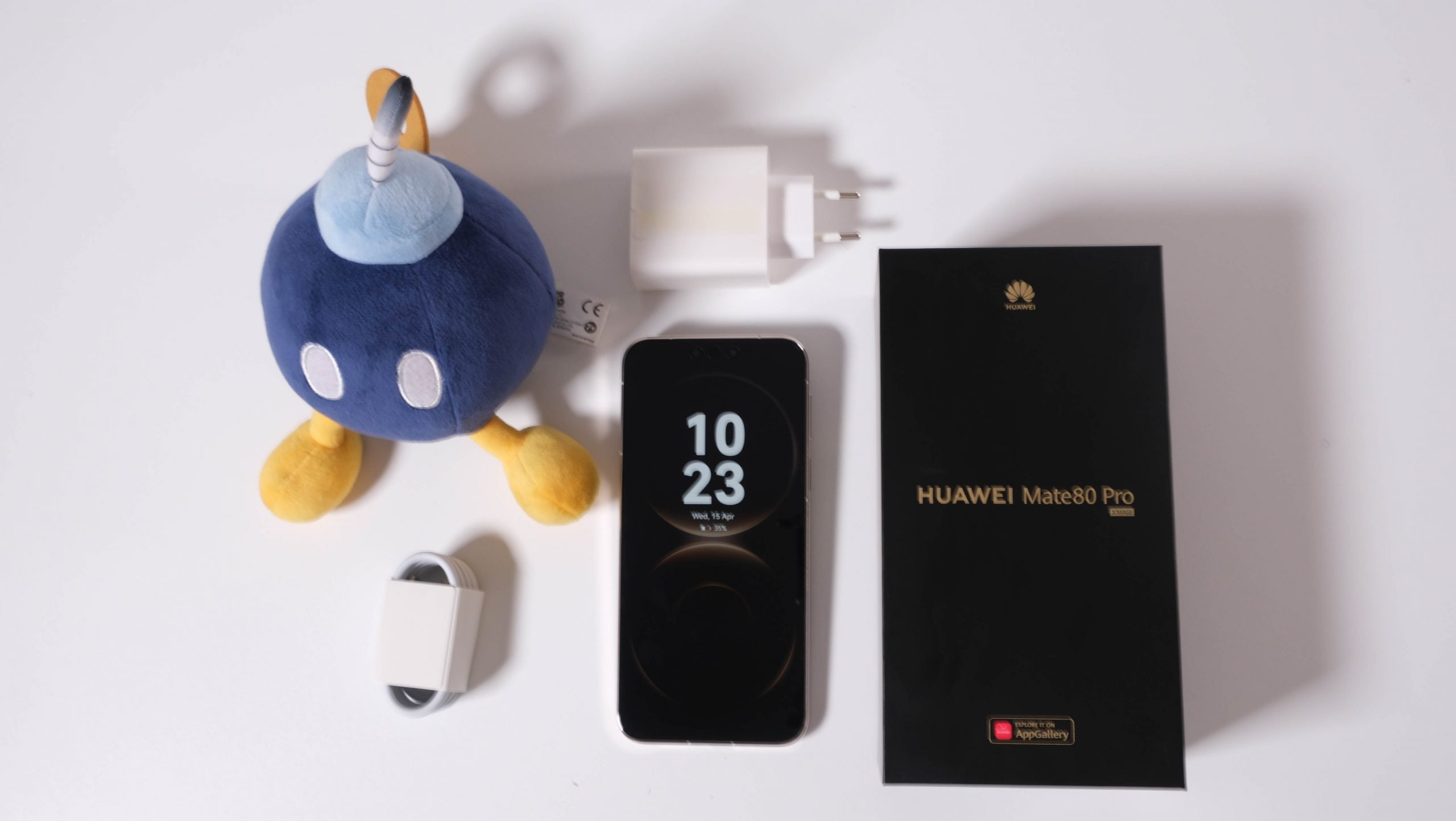 Huawei phones, at least here at the top end, are uniformly well made and well presented. The company has overcome a ton of headwind to pull that off. The Mate 80 Pro is just the latest handset that’s supposed to knock your socks off (or at least tug on them vigorously). The hardware is sound, the cameras are as good as ever (if a touch familiar), and the company has gone some way towards making you feel like Google support won’t be missed. It goes a little too far, overdoing what’s installed at boot, but it’s more understandable here than when, say, Samsung or Honor do it.
The Huawei Mate 80 Pro was a good call when it came out. It was a far, far better one when Huawei dropped the price to R13k. You should kick yourself for missing that. We know we are. But even at current retail pricing, the 80 Pro is a contender for your attention, especially if you’re mostly going to be snapping photos with it.