

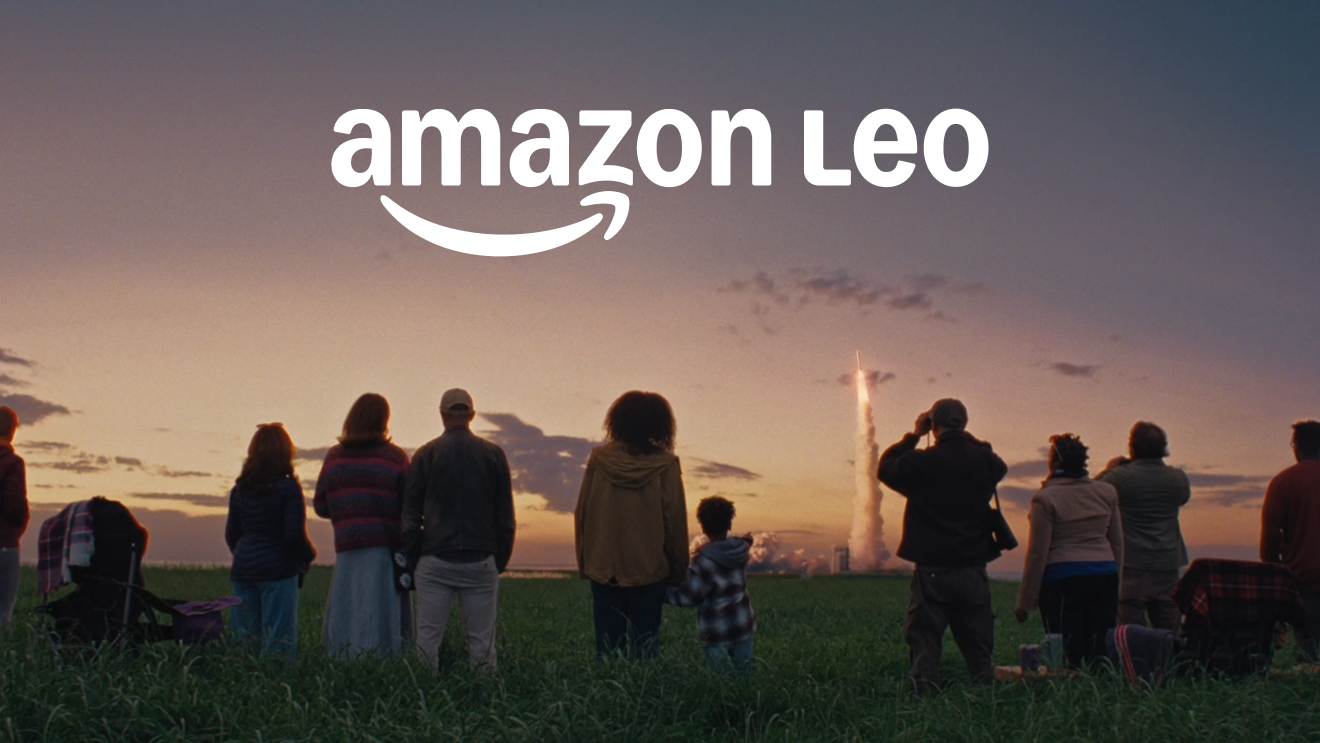
South Africans will be able to get the Amazon Leo satellite broadband service from next year through a new partnership with local ISP Herotel.
Formerly known as Project Kuiper, Amazon Leo already has some 3,000 satellites in low-Earth orbit and is expected to begin its service this year.
Amazon hasn’t released pricing and switch-on date globally yet, but “aims to connect tens of millions of customers around the world”. It will offer up to 300Mbps download.
Herotel, which is owned by Maziv, is starting a new service called evry, which will sell Leo as an authorised distributor – which is a clever solution for regulations that require a licence for any telecommunications service.
Unlike Starlink, which has been embroiled in contentious debates about the current Icasa regulations that require new telecoms licence bidders to have a BEE partner, Amazon Leo has solved that by partnering with an established internet service provider.
Herotel has always focussed on harder-to-reach communities, so the tie-up with Leo is an obvious choice. And vice versa.
Herotel CEO Van Zyl Botha says, “We have always believed that South Africans outside the major metros – whether on farms, in small towns, in townships, or in rural communities – deserve reliable, affordable internet. With evry, powered by Amazon Leo, we will reach the customers that even fibre and fixed wireless cannot serve”.
The company says “Amazon Leo satellites operate at low Earth orbit – closer than traditional geostationary satellites, reducing latency, making a full range of everyday internet use cases including video calls, streaming, remote work, online learning and smart farming more seamless.”
Its constellation is connected by high-speed optical mesh links, which give reliable performance without earth-based infrastructure.
The base unit uses compact Amazon Leo antennas, which evry will sell and distribute through its existing network of service providers.