The link between hot weather and aggressive crime is well established. But can the same be said for online aggression, such…

The link between hot weather and aggressive crime is well established. But can the same be said for online aggression, such…

Now is not a great time to be involved in advertising for social media companies as, spurring on by events…

Undoubtedly you’ve heard reports that hackers and even foreign governments are using social media to manipulate and attack you. You may wonder how that is possible. As a professor of computer science who researches social media and security, I can explain – and offer some ideas for what you can do about it.

Twitter is designed to be consumed quickly, hence the very limited number of characters you’re allowed to use when sharing…
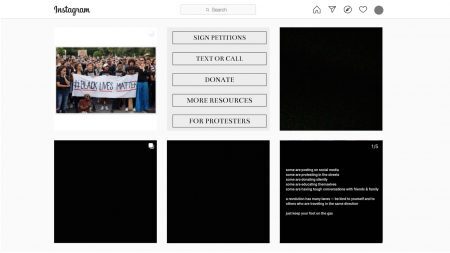
Earlier this week, you might have seen your social media taken over by a stream of posts showing simple images of a black square. These posts, often tagged with #BlackoutTuesday, were gestures of solidarity with protests against the police killing of George Floyd in Minneapolis.
We all believe in the power of social media — it’s a space that brings people and communities together and…
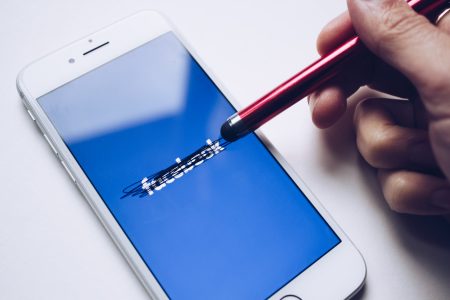
Social media has been a blessing for a few and an outright curse to many more. Who allowed us to…

It’s tough to manage a walkout in protest of your place of employment at a time when everyone works from…

When it comes to fighting COVID-19 in Africa, the internet and social media have been a double-edged sword. Governments and public health officials have used Twitter, WhatsApp, Facebook and other social media to reach large numbers of people, quickly and efficiently, with information on how to stay healthy and limit the virus’s spread. And digital networks have allowed people to stay in touch, and some businesses to operate, in the face of lockdowns and social-distancing guidelines.

Everyone is responsible for slowing the spread of the disease. Every action counts. This is also the case in the fight against misinformation, which intrudes on the overabundance of news, mixing facts, rumours and fake news. The World Health Organization (WHO) has described this phenomenon as an infodemic.