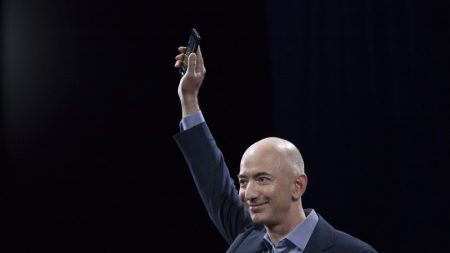
Just 24 hours after Amazon CEO Jeff Bezos’ iPhone was hacked, his data usage apparently increased with 29,000%. Someone was syphoning huge amounts of personal data from his iPhone 10 — but at that stage, no-one knew where it was all going.

Just 24 hours after Amazon CEO Jeff Bezos’ iPhone was hacked, his data usage apparently increased with 29,000%. Someone was syphoning huge amounts of personal data from his iPhone 10 — but at that stage, no-one knew where it was all going.

Iran and other nations have waged a stealth cyberwar against the United States for at least the past decade, largely targeting not the government itself but, rather, critical infrastructure companies. This threat to the private sector will get much worse before it gets better and businesses need to be prepared to deal with it.

The nation’s second-largest health system, Ascension, has agreed to allow the software behemoth Google access to tens of millions of patient records. The partnership, called Project Nightingale, aims to improve how information is used for patient care. Specifically, Ascension and Google are trying to build tools, including artificial intelligence and machine learning, “to make health records more useful, more accessible and more searchable” for doctors.
Our electronic devices store a plethora of sensitive information. To protect this information, device operating systems such as Apple’s iOS and Android have locking mechanisms. These require user authentication before access is granted.
In an interview, PayPal’s chief executive, Dan Schulman, recently discussed the prospects for blockchain – the encrypted, decentralised online ledger system that underpins…

East Africa attracts millions of tourists every year. Over the past 10 years, its earnings from tourism have doubled. Compared to the rest of Africa, the region is experiencing healthy economic growth. This makes it a promising investment destination.
Users have been able to biometrically secure Facebook’s WhatApp messaging service for some time now, though it’s only recently that the feature has been available across the mobile ecosystem. Just Apple doesn’t count.

Personal data reflect our web searches, emails, tweets, where we walk, videos we watch, etc. We don’t own our personal data though; whoever processes it ends up owning it, which means giant monopolies like Google, Facebook and Amazon.

These days, it’s hard to know whom to trust online, and how to discern genuine content from fakery. Some degree of trust…