
Here’s what you need to know about DNS-over-HTTPS (DoH). A new technology promises to make your web browser more private than ever, keeping your internet activity from prying eyes. But some argue your data won’t actually be all that private. And others are worried it could actually help criminals including child abusers to avoid justice.
Browsing: security
The City of Johannesburg has shut down its website and online services, reporting a cyber-attack following a series of ransom notes sent to the city. The ransom, sent by a group calling itself the Shadow Kill Hackers, is demanding 4.0 bitcoin from City of Joburg.
Back in June, Google discovered a range of security flaws in iPhone software that injected malicious code into phones. Here’s what happened.
At the close of June’s G20 summit in Japan, a number of developing countries refused to sign an international declaration on data flows – the so-called Osaka Track. Part of the reason why countries such as India, Indonesia and South Africa boycotted the declaration was because they had no opportunity to put their own interests about data into the document.
Facebook leader Mark Zuckerberg recently took the unusual step of visiting lawmakers in Washington, including President Donald Trump in the White House. The reason? Congress’s anti-trust sub-committee has started demanding documents from Facebook and other big tech firms
The whole world waited in anticipation to see what Huawei will do about it losing access to Google apps and Android. Then they found and removed a backdoor method.
This week on Stuffed — Here’s what we thought about the Apple Event, how to secure your WhatsApp account and Huawei’s lack of Google apps.
The effect is startlingly realistic and shows just how far this sort of “deepfake” technology has come. But it also highlights how great the risks have become of making your photos available online where anyone can use or abuse them – and the limitation of the law in dealing with this issue. One of the key problems…
For many years, the Apple iPhone has been considered one of the most secure smart phones available. But despite this reputation, security issues that might affect millions of users came to light last week, when researchers at Google revealed they had discovered websites that can infect iPhones, iPads, and iPods with dangerous software.
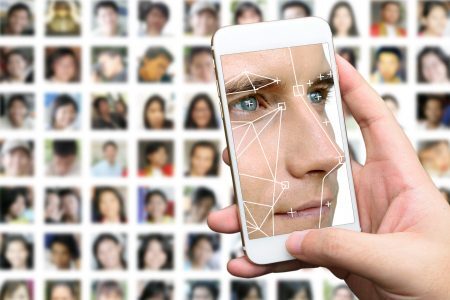
Facial recognition technology is spreading fast. Already widespread in China, software that identifies people by comparing images of their faces against…