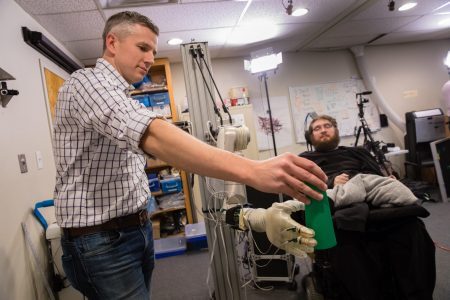
Elon Musk grabbed a lot of attention with his July 16 announcement that his company Neuralink plans to implant electrodes into the brains of people with paralysis by next year. Their first goal is to create assistive technology to help people who can’t move or are unable to communicate.

This week’s Light Start is all about Marvel’s announcements at the San Diego Comic Con — buckle up, there are a bunch of ’em.
Plants vs. Zombies is a genuine gaming phenomenon, an oddball concept that worked so well that the original PC game was ported over to many, many different platforms. It spawned its own shooter (two of em), and a so-so mobile sequel that was tainted by Electronic Arts being
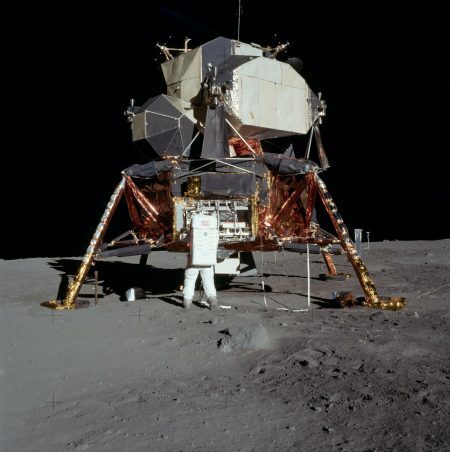
Fifty years ago this week humanity landed on the moon. The moon landing was a pivotal moment in human history that has shaped our self-consciousness about humanity and our place in the universe.
A sustainable space program requires reliable, fully autonomous robotic systems both for maintaining the existing space infrastructures and for building new ones beyond low Earth orbits. Autonomy is particularly essential to near-future space robotic systems as they must operate in harsh and partially understood environments.
Samsung’s expandable phone has only been seen in diagram form, and there’s no timeline for when we might see actual hardware.
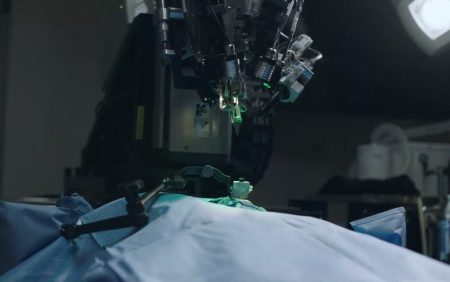
Elon Musk’s new startup, named Neuralink, wants to create a neural link between humans and machines using a ‘sewing machine-like’ robot.
Spotify has released an extensive library of Disney songs, which includes the whole Star Wars score by John Williams, Marvel tunes and much more to geek out to.
Your next camera, should you be able to afford one? Sony’s freshly-announced A7R IV, the newest star in the company’s Alpha series show. The Japanese camera-maker announced the 61-megapixel (MP) full-frame mirrorless shooter, along with all its feature
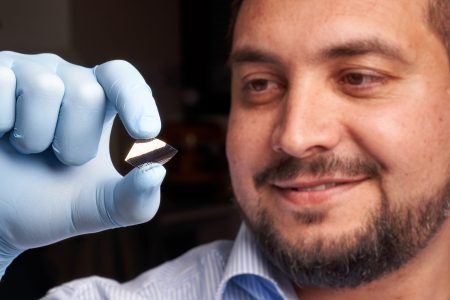
What better way to build smarter computer chips than to mimic nature’s most perfect computer – the human brain? Being able to store, delete and process information is crucial for computing, and the brain does this extremely efficiently.