
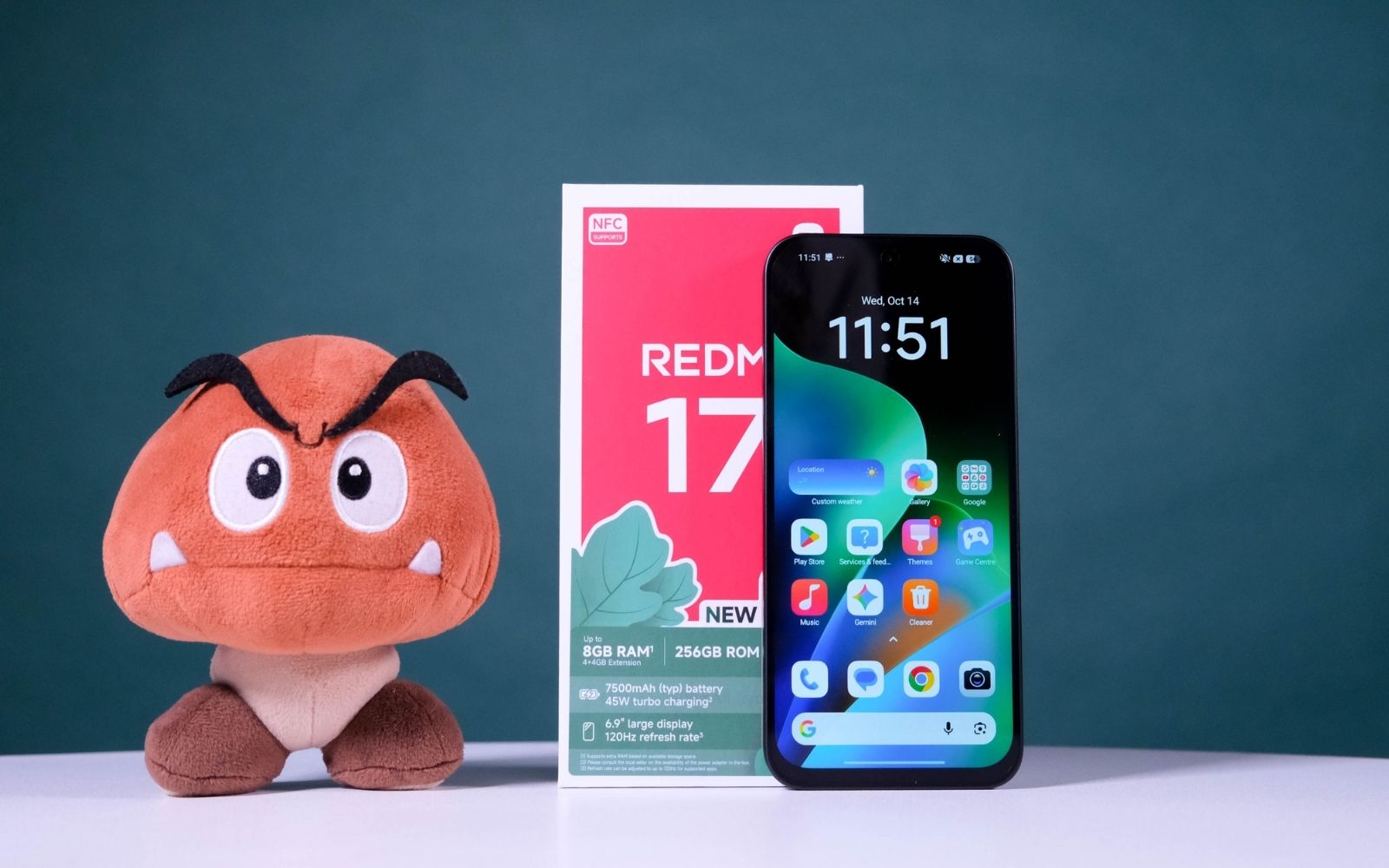
The Xiaomi Redmi 17 (4G) is a surprisingly capable little budget phone, provided you know what you're getting. It's a bit of a chonker, sure, and you'll notice the odd bit of slowdown, but that massive 7,500mAh battery makes a compelling case for its shortcomings. It won't make a fuss or demand a small fortune, which immediately makes the Redmi 17 (4G) worth a look.
-
Design
-
Display
-
Performance
-
Battery
-
Camera
-
Value
Budget smartphones have come a very long way in a very short amount of time. Previously, budget buyers would be clamouring to get their hands on the sort of specs that the Xiaomi Redmi 17 (4G) puts up, for a few grand more. Now, people hardly bat an eye when they see the R3,800 price that it’s listed for locally.
You might be expecting a tin cup with a long string attached to it for that price, but no. Xiaomi’s actually assembled a decent, if a tad slow, smartphone here. You can blame the Helio G91 Ultra (or not) chip for that, whose inclusion clearly allowed Xiaomi to stretch the budget elsewhere – mainly the 7,500mAh battery.
Hope you like ’em big and chunky
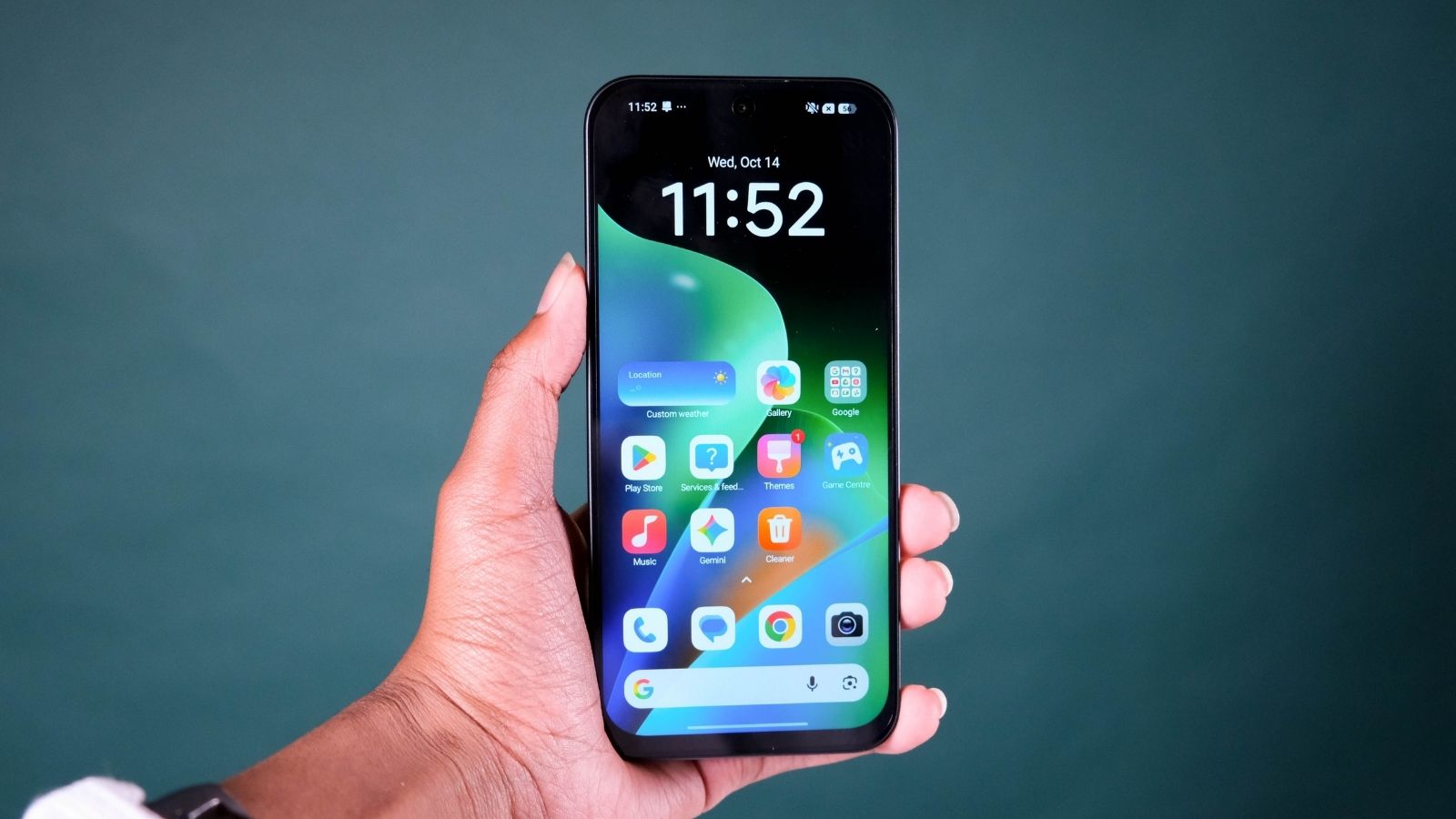
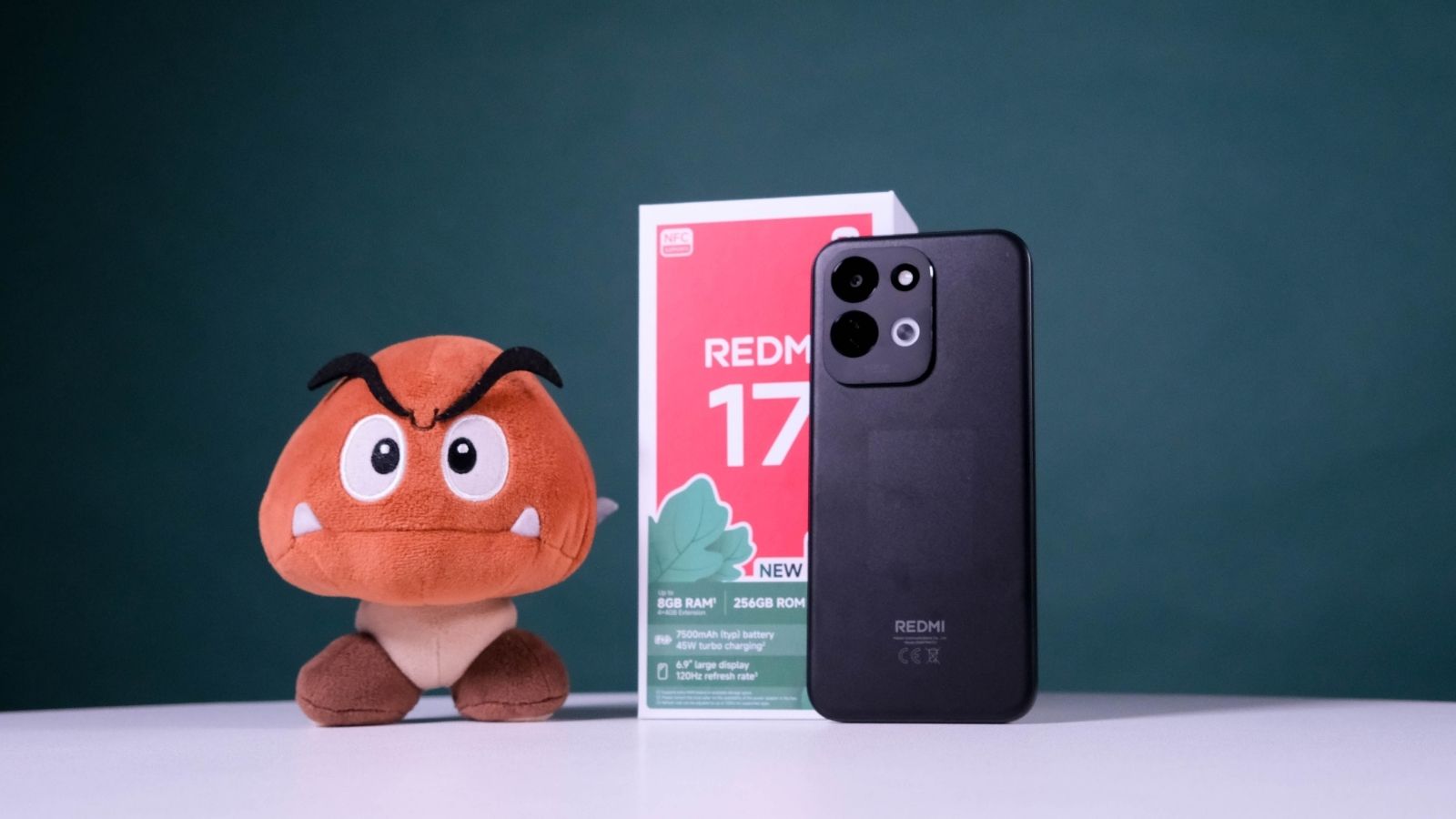
The Redmi 17 has a lot going on. It can’t afford to hit the gym as often as the rest, and it results in the Redmi being one chonky boy. It’s pretty thick — measuring 8.8mm deep and weighing 232g. That won’t impede it from sitting comfortably in your pocket. Heck, it might even help the thing survive a larger drop than all the rest.
That’s despite the all-plastic body, which serves as the first clue that this is a proper budget-beater. That may mean it’s more resistant to cracking and shattering, but it’ll attract scratches and fingerprints like nobody’s business. A coating of Gorilla Glass 7i sits above the LCD, while Redmi promises pretty basic (by today’s standards) IP64 protection.
It’s not what we’d call glamorous, but your eyes will be drawn to the huge 6.9in IPS LCD anyway. For the price you’re paying, it’s… surprisingly decent. The 720p resolution is arguably the biggest letdown, though the colours it reproduced elevated the experience to some degree. The 120Hz refresh rate may be overqualified considering the lack of gaming ambition elsewhere, but it does make the Redmi 17 feel a whole lot smoother than it has any right to.
Not exactly a speed demon
Of course, that smoothness is often undercut by the choice to use the Helio G91 Ultra — a two-year-old chip built on the 12nm process. If that’s the case at all. While running the Redmi 17 through Geekbench 7, it detected the ‘MediaTek MT6769V/CZ’, relating to the six-year-old Helio G85. A separate third-party app iterated this.
A quick peek at the Redmi 17’s settings tells us that it’s the Helio G91 Ultra inside. It would, wouldn’t it? We reached out to Xiaomi South Africa to clear up the confusion. Here’s what Xiaomi’s technical team had to say:
“Benchmark tools read the base system platform ID from the kernel. Because the MediaTek Helio G91-Ultra shares core microarchitecture with the base G-series family, some benchmark software identifies the platform tree as a G85. The device is equipped with the MediaTek Helio G91-Ultra, featuring enhanced ISP capabilities for high-resolution imaging and tuned display driver optimisations over previous generations.”
Xiaomi’s explanation passes the smell test and aligns with our experience. The Helio G91 Ultra is still a budget chip at heart, but it’s a step up from the G85. You’ll still notice the odd bit of slowdown when typing, and anything more competitive than Subway Surfers is out of the question. Things improved slightly once we bumped the 4GB onboard memory up to 8GB. It’s not ‘real’ RAM, but you’ll be thankful for the extra legroom.
Geekbench 7 scores:
- Single-core score (avg) – 379
- Multi-core score (avg) – 657
That (rather major) discrepancy aside, the hero of the story is the 7,500mAh battery. It enabled us to keep the thing going from morning ’til night, with a fair amount of usage in between. 45W charging is old hat in 2026, but the target market will likely be blown away by the charge speeds, netting 100% in about 1 hour and 20 minutes.
Say cheese (in good lighting)
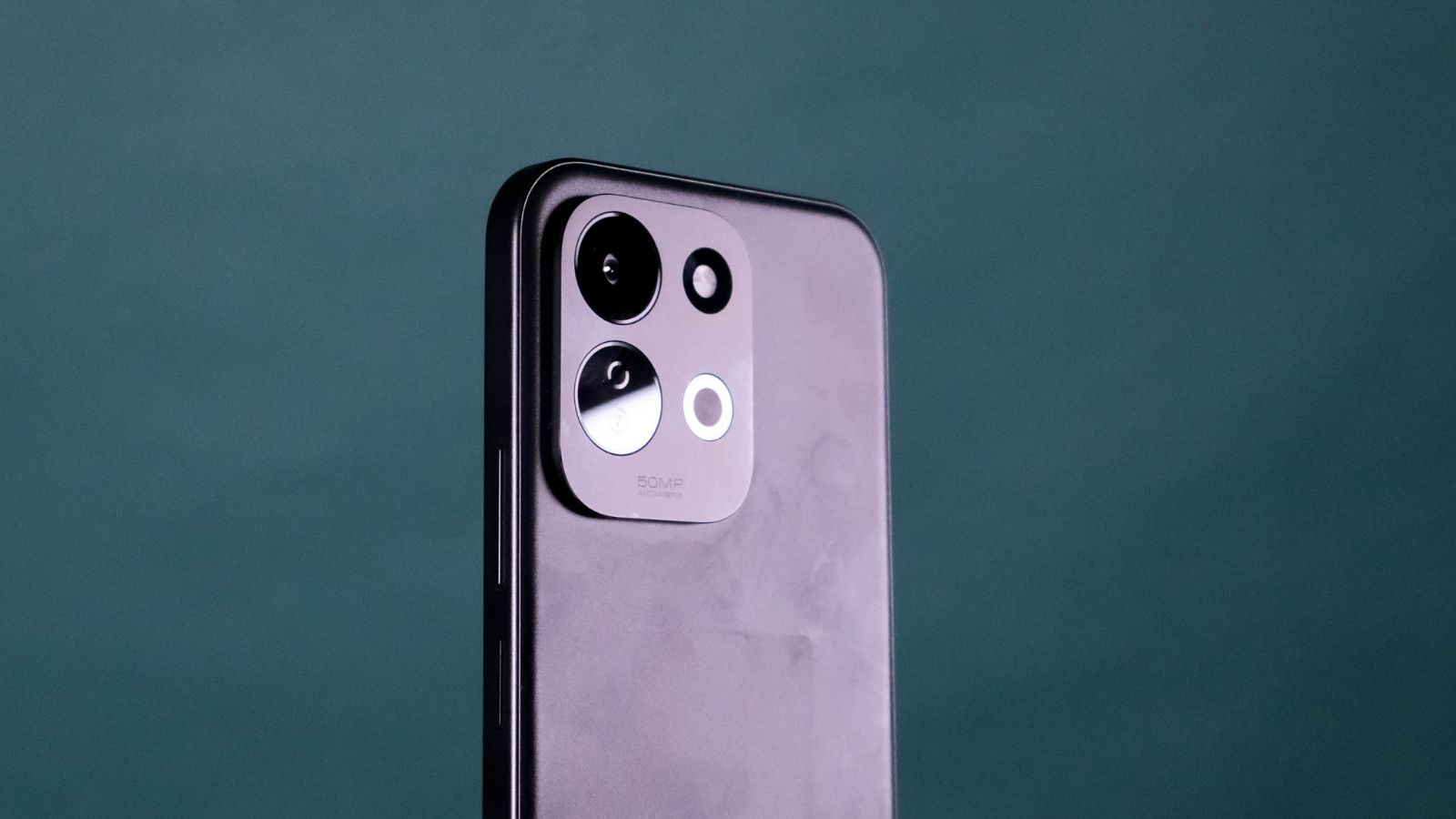
The singular 50MP shooter (backed up by an auxiliary lens) left a surprisingly good taste in our mouths. It captured a decent amount of detail, with colours that rarely strayed from reality. There’s enough to work with here to make your Instagram feed look the part, provided you’re willing to fiddle around in the settings now and again. Brighter days are where the Redmi 17 does its best work, while, er, trickier lighting situations leave it struggling to keep up.


The Redmi 17’s ‘Pro’ camera proved essential to getting the most out of this budget smartphone camera. We wish we could say the same for the 8MP selfie shooter on the front, but the overbright approximations of reality stray a little too far for our taste. Video recording isn’t out of the question, either, with the Redmi repping 1080p at 30fps capabilities. Keep your expectations of filming a blockbuster film to, well, nil, and you’re set.
Xiaomi Redmi 17 (4G) verdict
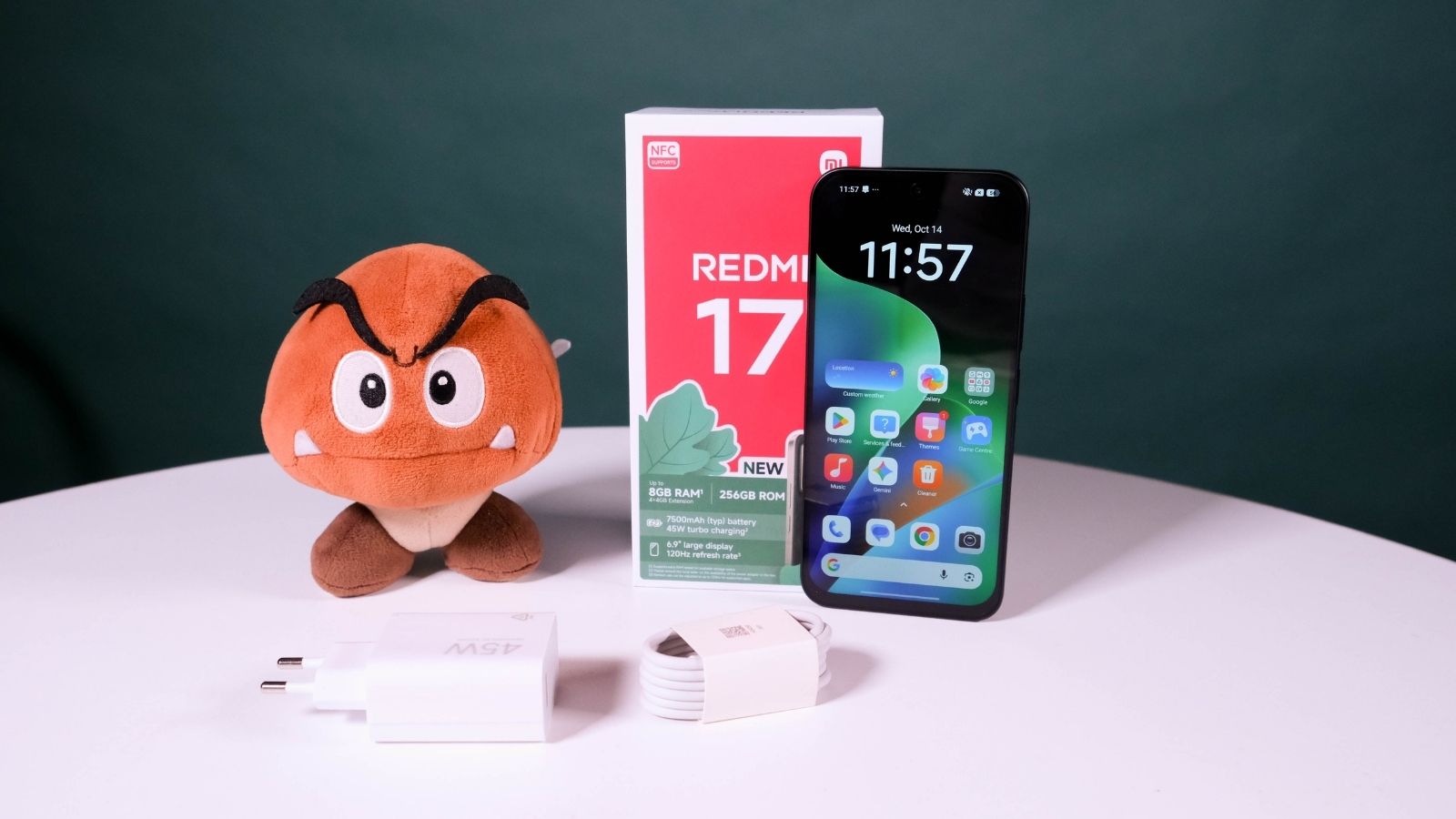
The Xiaomi Redmi 17 (4G) is a bit of a mixed bag, but one that gets all the important bits right. It’s chunky, a little slow on the uptake, and that 720p display leaves plenty to be desired. But for R3,800, you’re getting a 7,500mAh battery that’ll happily see you through the day and cameras that won’t exactly embarrass you on social media.
It won’t win any races, and we’d think twice before recommending it to anyone with serious gaming ambitions. But if you’re after a smartphone to see you through the daily grind (that doesn’t demand a second mortgage), the Redmi 17 (4G) makes a compelling case. Just don’t expect it to do it everything at once. Or particularly quickly.