
Humanoid robots are likely to become more prevalent, with the South Korean government announcing plans to increase production of the tech. That’s not all the country will focus on, according to a new BBC report. The current semiconductor shortage is something else the country will tackle with government backing.
The shift isn’t surprising from the industry-focused South Korea. Companies like Samsung have sunk massive amounts into supply chains and tech expansion, to the point where you can furnish most of your home with Samsung products. It’s just a pity you can’t buy the Samsung-produced K9 Thunder 155mm howitzer under the company’s branding anymore. It’s a hell of a conversation piece when it’s sitting in your driveway.
Humanoid solutions
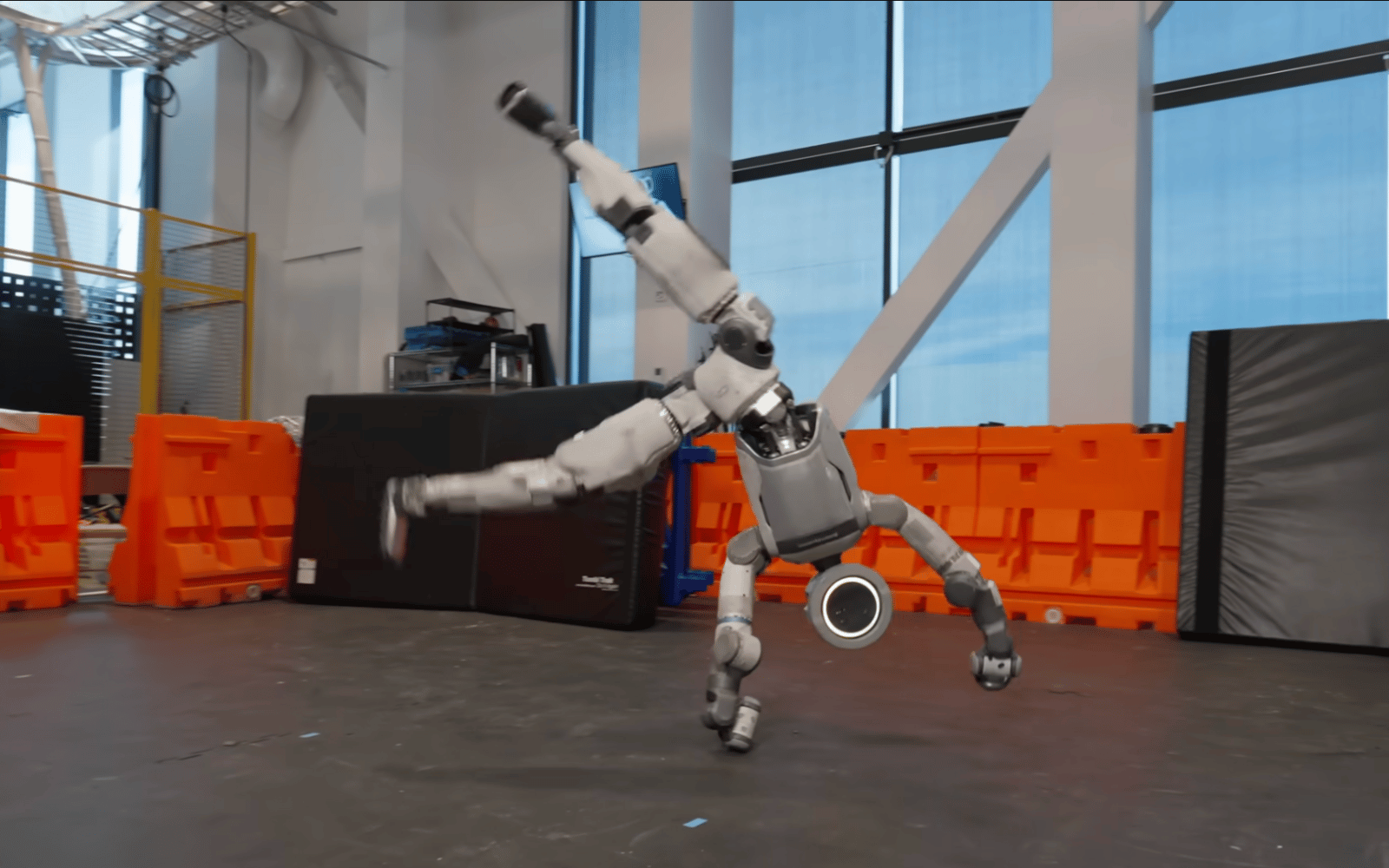
Humanoid robots are in pretty much everyone’s sights right now. Honor is making running robots; others are being deployed in combat; more and more of them are entering service at airports and factories; and even Meta is looking to take a crack at (humanoid) robot hardware again. It almost doesn’t matter that they’ve still got considerable issues to overcome.
South Korea’s government plan will chuck R14 trillion at a combination of robots and AI chip production. It’ll mean more of the country than just Hyundai (which now owns most of Atlas-maker Boston Dynamics) can create bipedal robots. It also leaves the door open to a partially government-funded assistant robot from Samsung. It doesn’t exist yet, but I’m certain the company is already drawing up blueprints.
The plan, for South Korea, is to position the country as a prime source of resources for both the AI boom (however long it lasts) and the humanoid robot phenomenon (which looks cool enough that folks still aren’t really asking feasibility questions).
View of the future
The country’s President Lee Jae-myung said to the BBC, “We must secure the core elements of AI faster than any other country. Semiconductors, physical AI, and AI data centres are the triple axis for a great leap forward.” Whether he was intentionally referencing the 20th-century communist Chinese industrialisation initiative is something I’ll leave up to you. Hopefully South Korea’s plans aren’t also accompanied by a countrywide famine or some other disaster. If the AI bubble pops at the right moment, that’s, unfortunately, not out of the question.
Most of the country’s funding — $576 billion of the total $880 billion — is going towards new chip fabrication facilities. It’s not like the world doesn’t need increased production, given what the advent of AI is doing to the price of consumer tech. But the uptake and compensation won’t be immediate enough to make the next few years any easier for folks who buy things at retail prices. Pity.
Of course, this also means that South Korea will be the first non-Chinese country to tackle the problem of getting its citizens to accept humanoid robots. Right now, human-shaped robots are only curiosities that pop up on mainstream news when they do something exceptional. More specialist interests (like mine and, presumably, yours) are better aware of the current scale of development. How that will translate once these things can be purchased at retail, and how much convincing the average person will take to buy one, is anyone’s guess.
South Korea is positioning itself as one of the first countries to start answering these questions. Either it’ll pull it off and create a roadmap, or it’ll run into massive resistance and… create a roadmap of what not to do.