

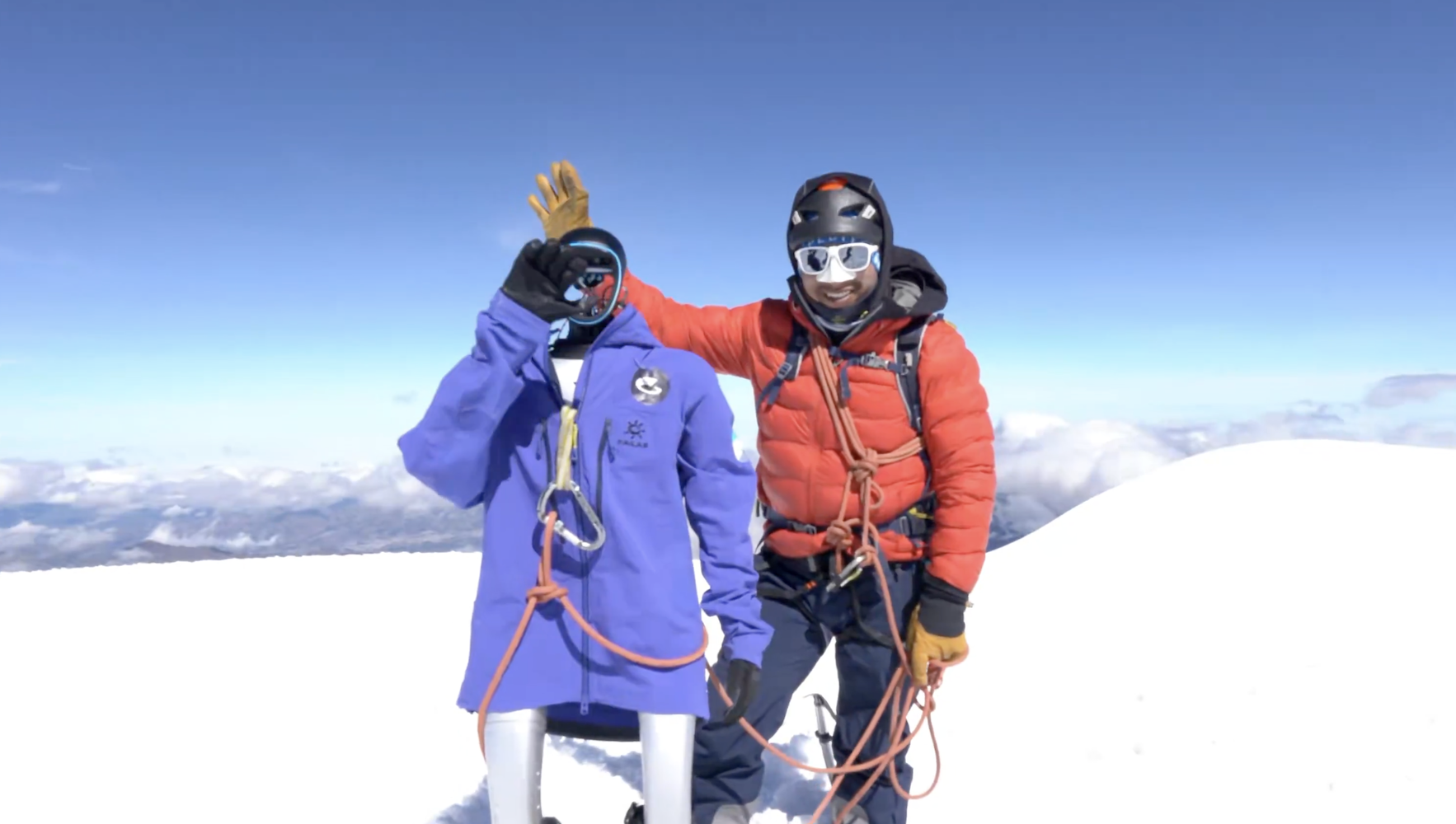
The tale of Pemba, the Unitree G1 humanoid robot, is, surprisingly, not one the Chinese company is telling. Earlier this month, the modified G1 successfully (for a given value of ‘successfully’) climbed Chimborazo, a 6,200-metre mountain peak in Ecuador. The project now has its sights on Mount Everest.
The Unitree G1 has already proved quite physically capable, but this effort will stretch the machine’s capabilities. Actually, the last climb has already done that. Though the G1 made it to the summit, it was carried part of the way. It turns out the bot doesn’t like inclines steeper than 30°, meaning the human team had to cart it over those sections.
Climbing Unitree
Introducing Pemba.
The first humanoid to climb to 20,000ft.
Everest next. More below. pic.twitter.com/k1BHkRLYjm
— pabs (@pabloberlangab) June 7, 2026
It’ll likely have to be carried a fair section of the way up Everest, should the Pemba project ever make it that far. There’s incentive to do so, of course. It’s impossible to be the first human up the Himalayan summit. But… it’s still possible to escort the first humanoid robot. First, though, are two more hurdles. One is sending the modified Unitree up Hawaii’s Mauna Kea. The other is convincing the authorities in Nepal to let the robot make the climb.
It seems that the Everest attempt, originally scheduled for October 2026, could be pushed back as far as April 2027. Nepal’s regulators first have to figure out how to grant a robot (and a fourteen-person support team) access to the world’s most challenging mountain.
Even then, it’s extremely likely that the robot will wind up decorating the scenery of Everest’s Rainbow Valley. Assuming it makes it that far. It’s also possible that some of the escort, which could include Pablo, the engineer driving this whole thing, will also join the bodies of those who almost made it. Again, assuming everybody makes it far enough to die and never come back.
Whether Pemba attempts and succeeds or fails, it’ll likely drive other robot makers to push their hardware to similar limits. After all, that’s what happened once Edmund Hillary and Tenzing Norgay made it to the top of Everest. Now, not even the 200 or so bodies in the Rainbow Valley are enough to deter climbers from also making the peak. Adding a few humanoid robots to the pile probably won’t make much of a difference.