

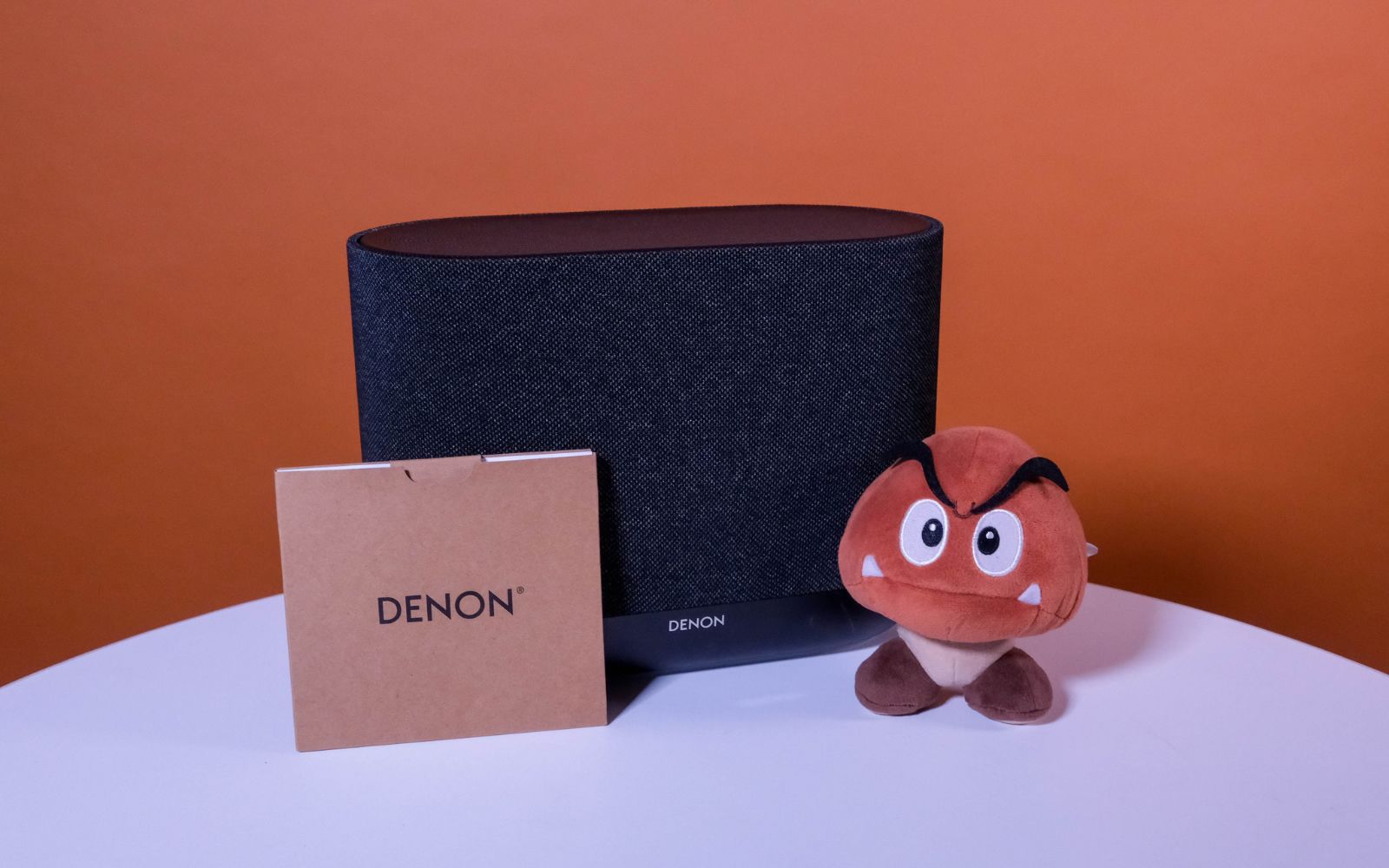
The Denon Home 400 makes a strong case for itself, provided your wallet can stomach the price. It's a polished bit of audio wizardry that's powerful and incredibly easy to live with, even if it's (technically) missing voice controls and has a less-than-earth-shattering low end. Still, if you've got the dough to spare, you can't go wrong here.
-
Design
-
Performance
-
Features
-
Value
Stuff takes its audio seriously. We kinda have to, when things like the Denon Home 400 exist. It’s a mid-size Heos-enabled wireless speaker that asks for R10,490 at the till. Think Sonos, but with a touch more class and, importantly, a better app weaving it all together. We spent the last few weeks giving it a proper go-around.
That meant blasting Remi Wolf, CAKE, and a bunch of others into our living room for hours on end. It helped that we weren’t aiming those tunes at a massive room, where Denon’s Home 400 might have lost some of its edge. You’ll doubtless be happy with what Denon has cooked up here if you’ve got the disposable income to comfortably bring it in. Failing that, or if you’re not too concerned with spatial audio, you’re likely better off hunting a Home 200 for a few grand less.
Big black box
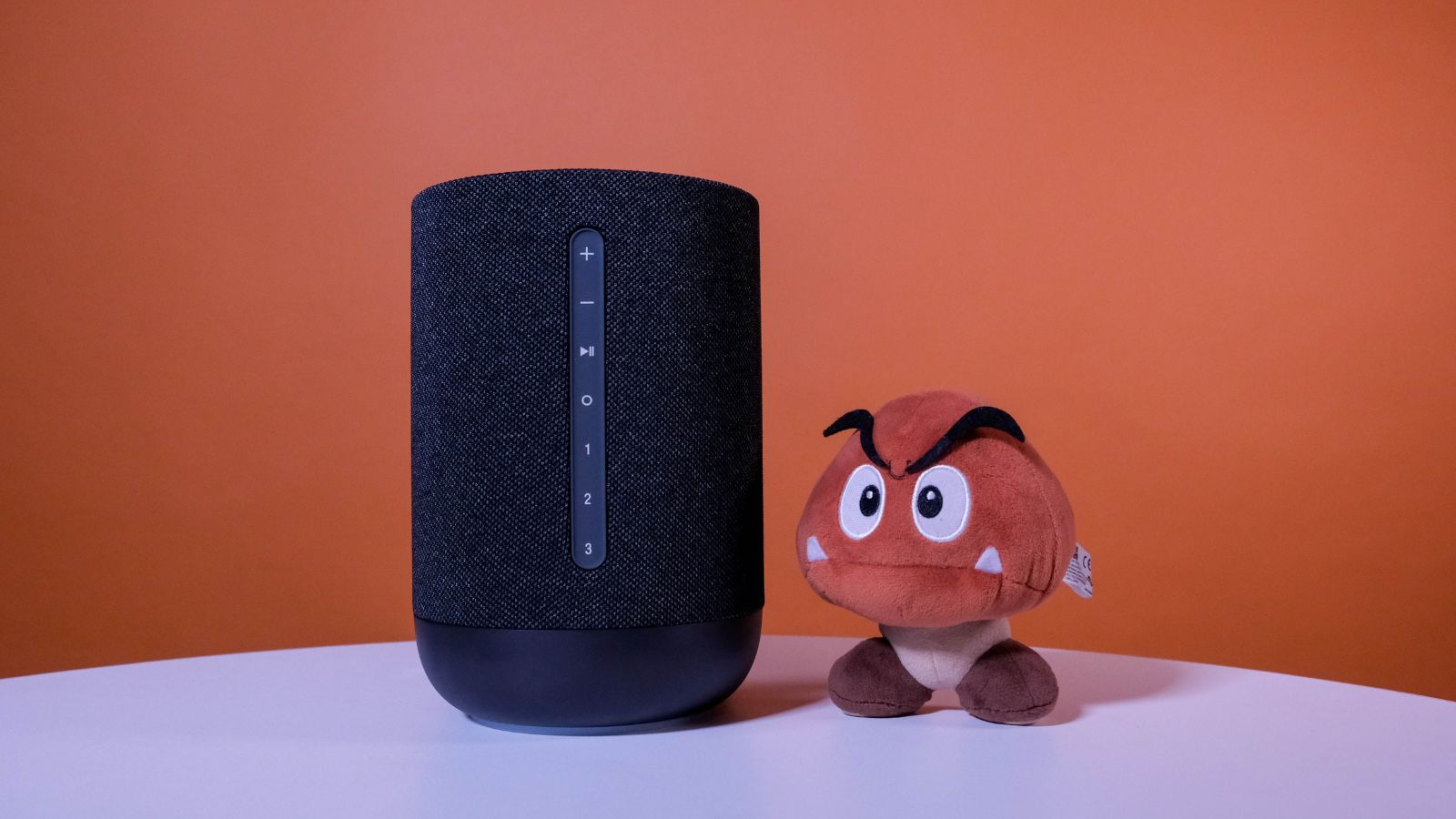
Denon hasn’t bucked the trend of subtle, mostly inconspicuous wireless speakers. That becomes more difficult the larger you go — the Home 400 measures 300 x 150 x 219mm and weighs a solid 4.2kg. Not that we really wanted to hide away the charcoal fabric-clad offering we had for review. It also comes in ‘Stone‘.
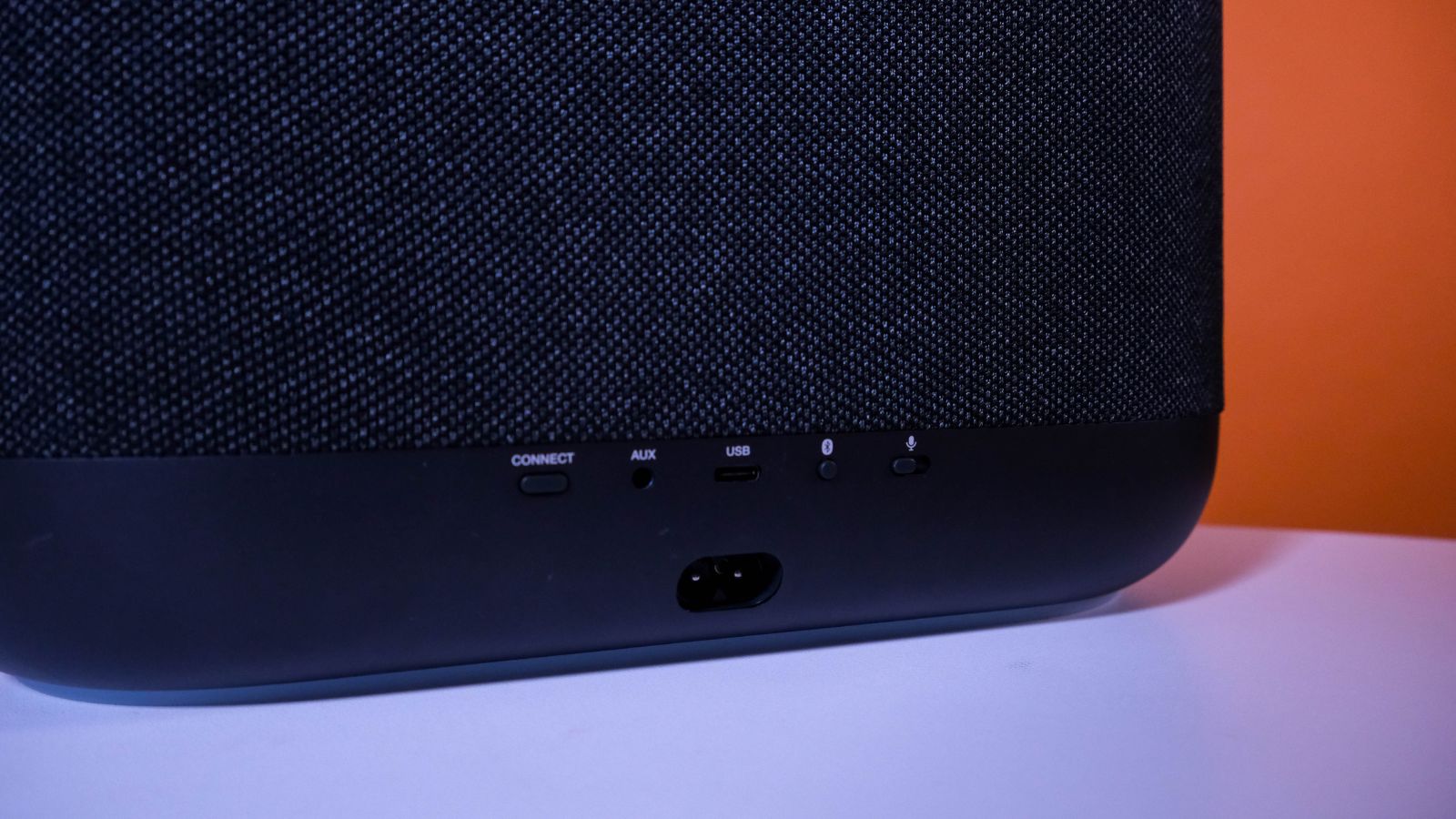
Denon keeps it as simple as it gets here. ‘Round the back sit two buttons (Connect and Bluetooth) alongside a USB-C port, 3.5mm jack, and a microphone toggle to handle voice requests. Underneath these very understated controls is a standard figure-eight power hole. Physical playback controls are relegated to the side of the speaker.
Also worthy of note are three quick-select buttons (1-3) under the traditional controls. These can be customised to save and recall specific music sources — Spotify stations in our case — that’ll also take into account the speaker’s audio adjustments you’ve set. Setting one up is as easy as playing the source you want to save, adjusting the settings, and long-pressing 1, 2, or 3.
Maya says I’m lacking in depth. Darling, your head’s not right
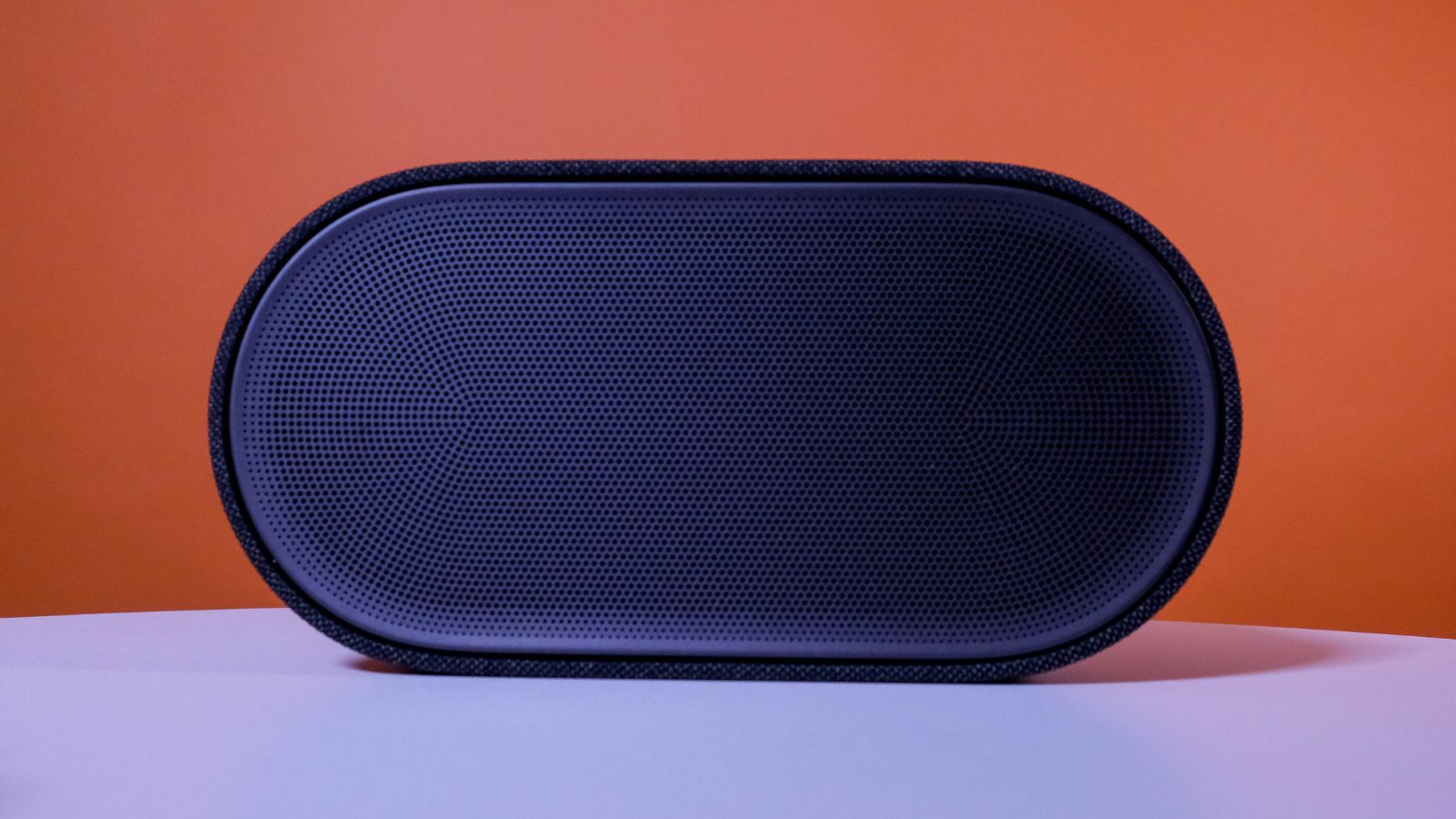
 Anybody familiar with Denon won’t doubt its ability to captivate a room. It took some doing to find a spot for the 400 to sound its ‘best’ (you can probably get away with putting it anywhere that isn’t on the floor or up near the ceiling). Once we found its ideal seat, it let the two tweeters, two woofers, and two upward-firing drivers shine — each of ’em bestowed with their own individual amps.
Denon says that you can expect “natural balance, rich detail, and the kind of warmth that makes every song feel alive.” What we got was nothing short of breathtaking, and proved Denon right. Some power above called upon us to play something instrumental, but still synth-y, first. Trent Reznor and Atticus Ross’ The Social Network soundtrack seemed an excellent place to start, and we were not disappointed. Every instrument in the score sounded clean and articulate.
We never once found ourselves reaching for the volume, with the 40-50% range often proving too much for our delicate little ears. You’ll only ever need to go all out when the party calls for it. We expected to be blown away by the bass, and only came away pleased. There’s plenty of low-end presence here, don’t get us wrong, but it doesn’t quite feature the authority we were looking for, especially once things got a little heavier. The Home 600’s boxier proportions and extra power will help you there.
Read More: Sonos Era 100 SL review – Mic drop
Right on schedule, we followed that up with a listen to Radiohead’s acoustic Creep, and loved what Denon did to the strings here. It really makes you feel like a D-chord being fiddled violently by Thom Yorke. The vocals are just as engaging. Utterly natural, the Home 400 gave them ample room on its soundstage, adding palpable depth.
What impressed us most was the way the Home 400 handled separation. Even when things got busy, individual instruments rarely struggled to find their place in the mix. Vocals remained prominent without ever drowning out anything else, while the wider presentation gave each element a little more room to breathe. For one (albeit pretty big) box, there’s a surprising amount of width in its presentation.
Whatever we threw in the Home 400’s direction, it knocked it out of the park. Bottle by Remi Wolf was especially impressive, as it allowed the artist’s voice to almost float across the room. It never overpowered the instruments, either, all of which remained easily discernible. Some tweaking in the HEOS app was required when we got to the alt-rock Comfort Eagle, adding +5 to both the width and height before we were happy with the result.
It’d be fair to call the Denon Home 400 one of the better mid-sized speakers we’ve used, and the price reflects that. It’s worth noting that the Home 400 is also Dolby Atmos-capable, which is a big part of what separates it from some of the competition.
Unfortunately, Spotify doesn’t offer spatial audio tracks, and that’s where most of our listening took place. As a result, we couldn’t give the feature the workout it really deserved, although the adjustable width and height settings did a good job of upmixing the stereo Spotify tracks. If you’re looking to get the most out of this premium wireless speaker, you’ll want to look at Apple Music or Tidal subscriptions. They’re not strictly necessary, but you’d be leaving performance on the table.
HEOS THE POWER!
We were prepared to spend a good couple of minutes telling house guests “it’ll be ready any minute now” (the obvious time to set up a wireless speaker for the first time) and were surprised to actually mean it on the first go. We downloaded the Heos app as the speaker instructed, and had the thing going in under three minutes out of the box.
After that, we rarely needed to return. Spotify, our chosen streaming service, made friends with the Home 400 quickly. After that, it was a matter of tapping the speaker’s name to pair almost instantly. There’s no grating connection sound either, and we quickly learned to trust that it was operational.
We would have loved to see some proper voice-assistant integration here, but the Home 400 doesn’t have a built-in assistant of its own. Siri is supported if you’ve already got a HomePod hooked up, but there’s no native Google Assistant or Alexa support. With an office full of Android loyalists, we found ourselves invested in the sound of it all. If Denon could pick up a tip from Sonos’ Era 100 SL, we’d really appreciate it. Maybe drop the price a grand or two while it’s at it, yeah?
Denon Home 400 verdict
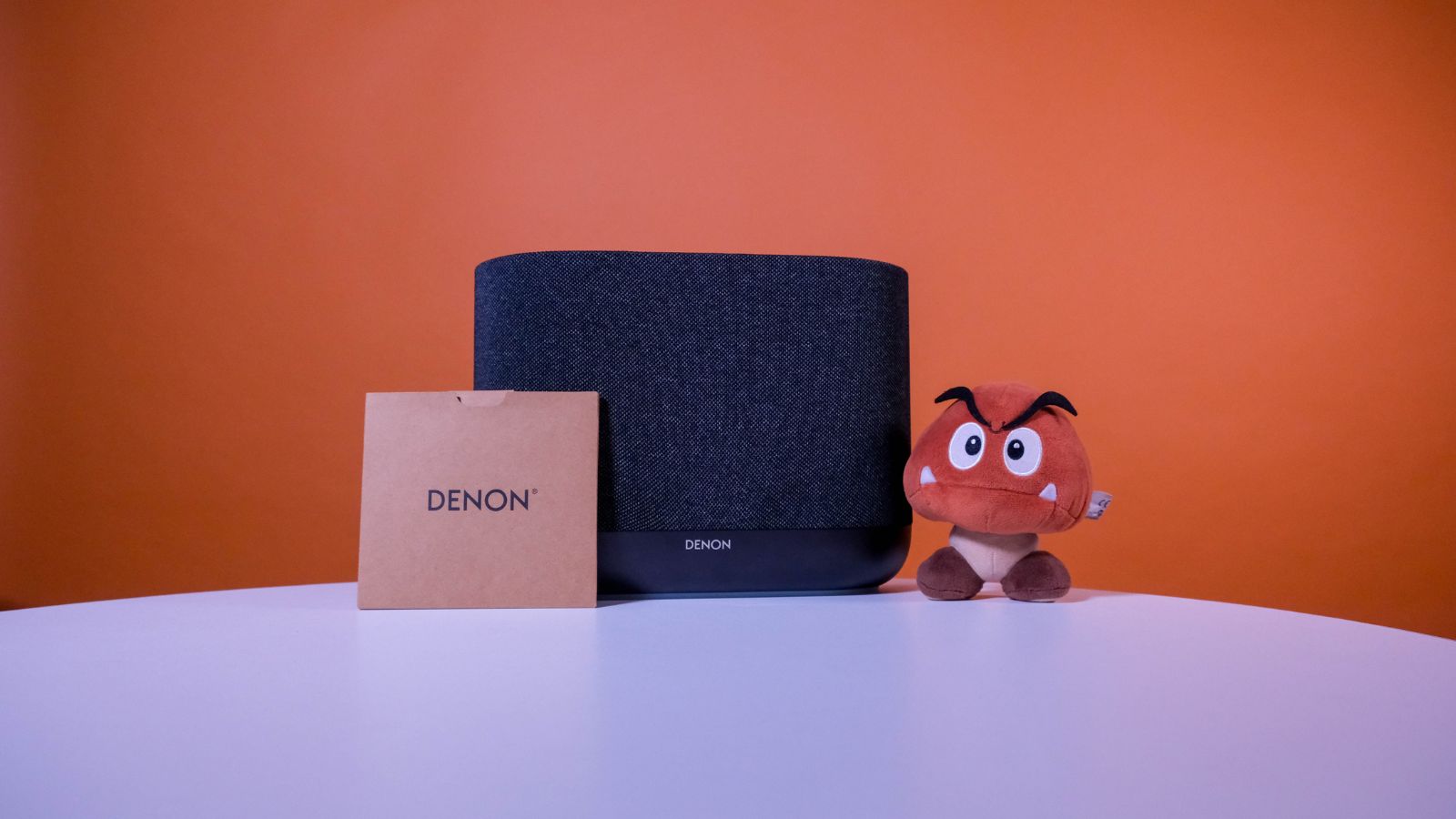
The Denon Home 400 is a seriously impressive bit of kit. It’s also not what we’d call an impulse purchase. The speaker delivers wonderfully balanced, detailed sound that makes just about anything worth listening to. Instrument separation is another highlight, and the intuitive Heos app makes for a relatively pain-free experience. We expected more from the low end, but the overall presentation is still a solid one.
There’s very little to complain about here once the music actually kicks in. The performance certainly goes a long way in justifying that five-figure price tag, but we’d still recommend giving the Home 200 a look if you’re stretching your budget with this one. Folks who have a budget that can stretch even further should consider the Home 600, which leaves the Home 400 in the sweet spot of being semi-affordable (relatively speaking) while also delivering performance where it counts.