

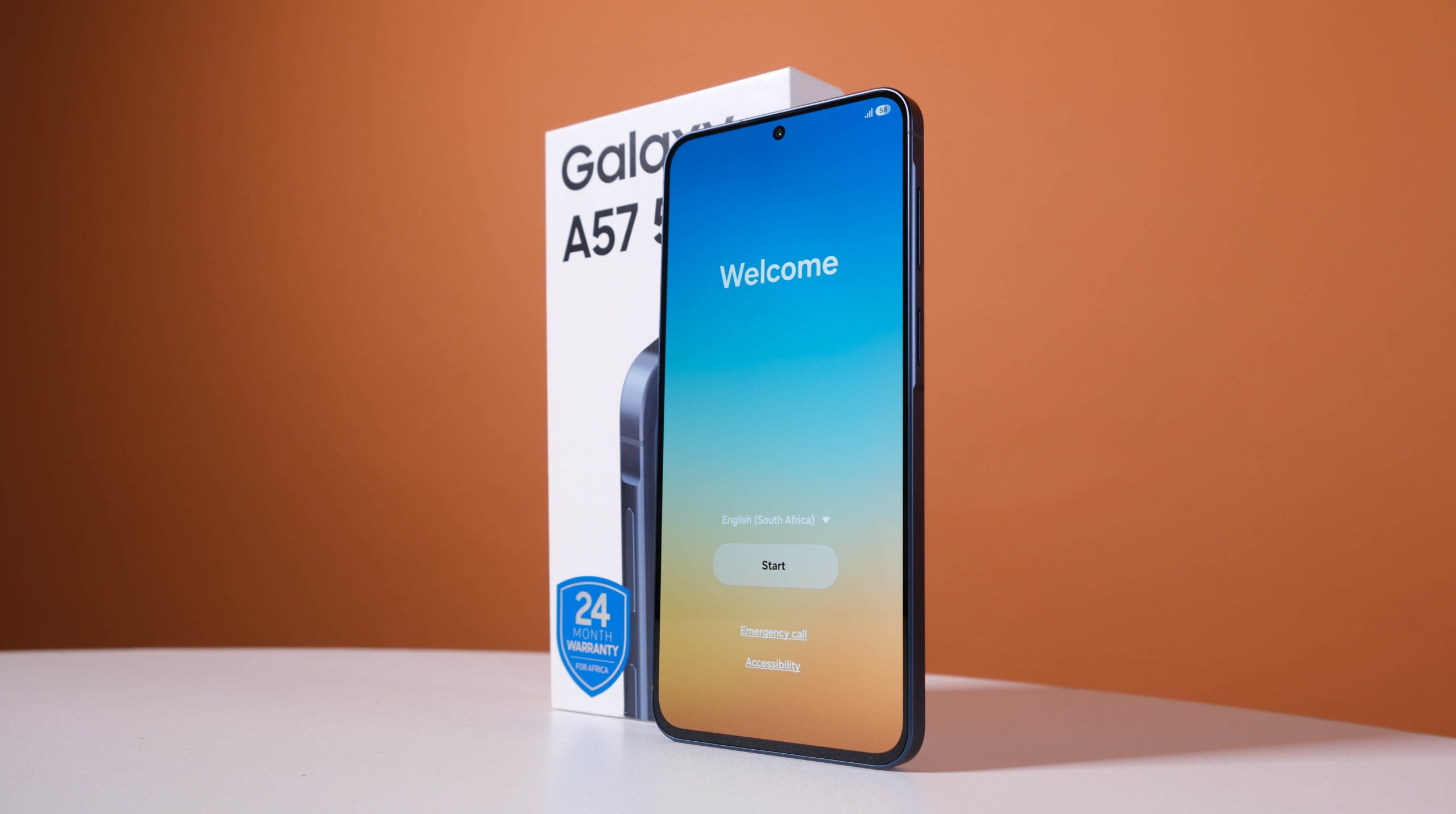
Though it’s one of the causes of this year’s tech price increase, Samsung is also a victim of the upward arc in costs. A report out of South Korea claims the company is feeling some pain on its consumer manufacturing side. Specifically, in the mid-range Galaxy A range.
Samsung is reducing its production targets for the fourth quarter of 2026 by around 20%, according to the report. It’s doing so to divert resources to the Galaxy S lineup, thanks to “chip inflation and difficulties in securing raw materials” (via Google Translate).
Samsung did this
It might not sound like too much, but it is. By an insider’s estimates, it’ll mean ten million fewer Galaxy A smartphones in production for the year. Another production reduction is expected in 2027, approximating another 10% or more of current output.
Samsung’s Galaxy A devices make up the bulk of its smartphone production run. That’s problematic for the company, because memory expenses are chewing up half of each phone’s production cost. Materials used for the phones are also in greater demand elsewhere, leading to fewer mid-range phones on the market.
That sounds rough for the company, but it probably isn’t. Samsung Semiconductor and Foundry handle production of RAM and processors, and those divisions are supposed to be printing money thanks to AI demand. There’s also a strong chance of government support that could make up any shortfall. For the end consumer of the South Korean company’s tech, though, it’ll mean new phones are scarcer. There’s also no guarantee that there won’t be price increases or stripped-back features for new devices, the way things are going.