

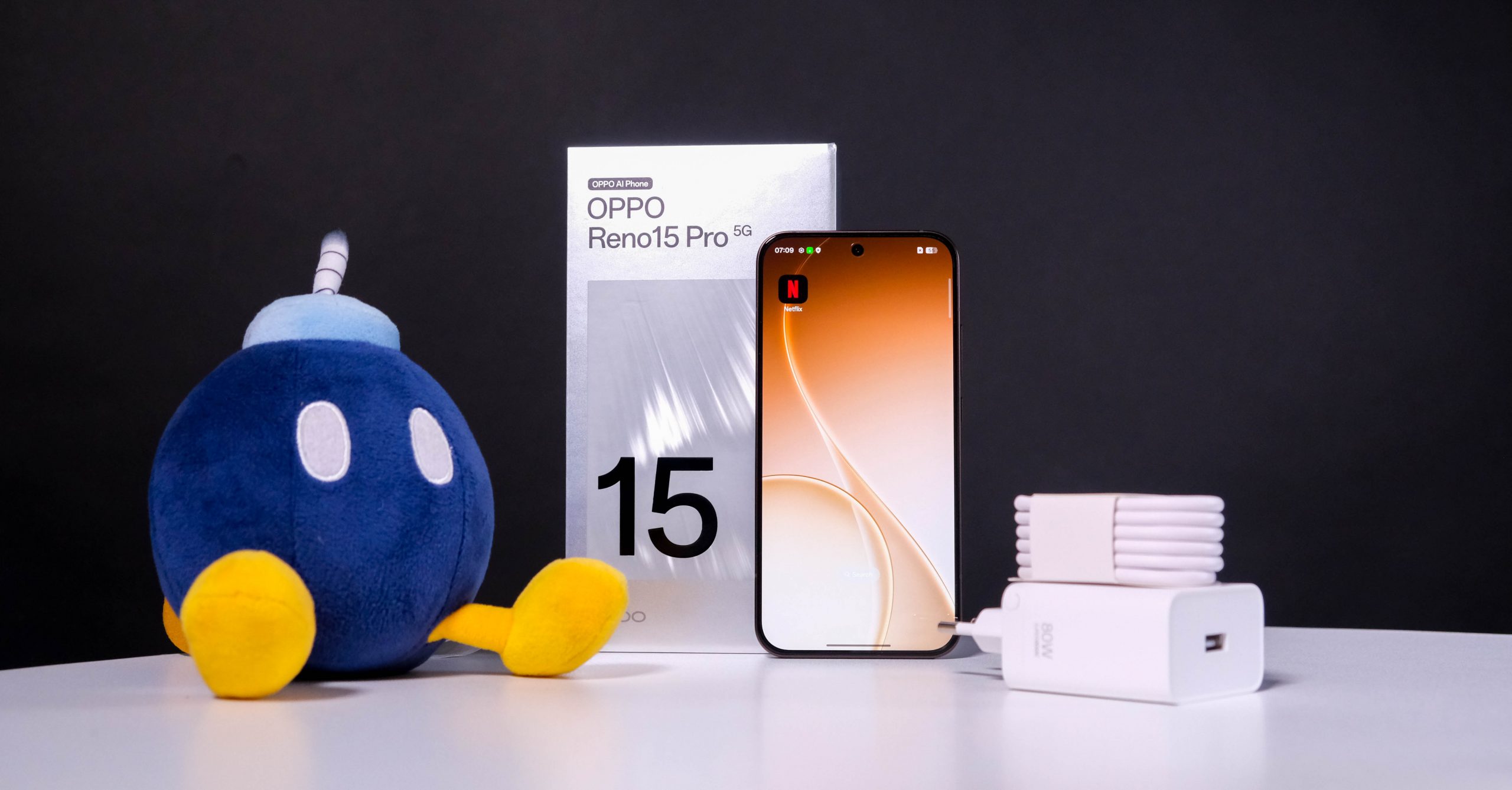
Oppo's Reno 15 Pro is focused (heh) on drawing in camera nerds who don't want to spend thirty grand or more on a smartphone. At that, it's succeeding. Even better, it doesn't have to sacrifice much at all from other areas, exceeding expectations in terms of the battery and charge speed, and meeting them basically everywhere else.
-
Design
-
Display
-
Performance
-
Camera
-
Battery
-
Value
Oppo occasionally repeats itself, and if we’d been given the company’s standard Reno 15 instead of the Reno 15 Pro, it probably would have happened again. As it happens, we had the more premium version of the company’s upper-midrange device in for review. It’s got a lot going for it. Since it’s also dropped in price from its R24,000 introduction, those upsides now look a bit more attractive.
It’s still a tough call on whether to drop R21,000 on one of Oppo’s devices, but the Reno 15 Pro is going to make a serious attempt at convincing you. The build is premium enough to make the pricing seem sane, and the internals are similarly beefy. Well, beefier than the standard Reno 15.
[Generic Header]
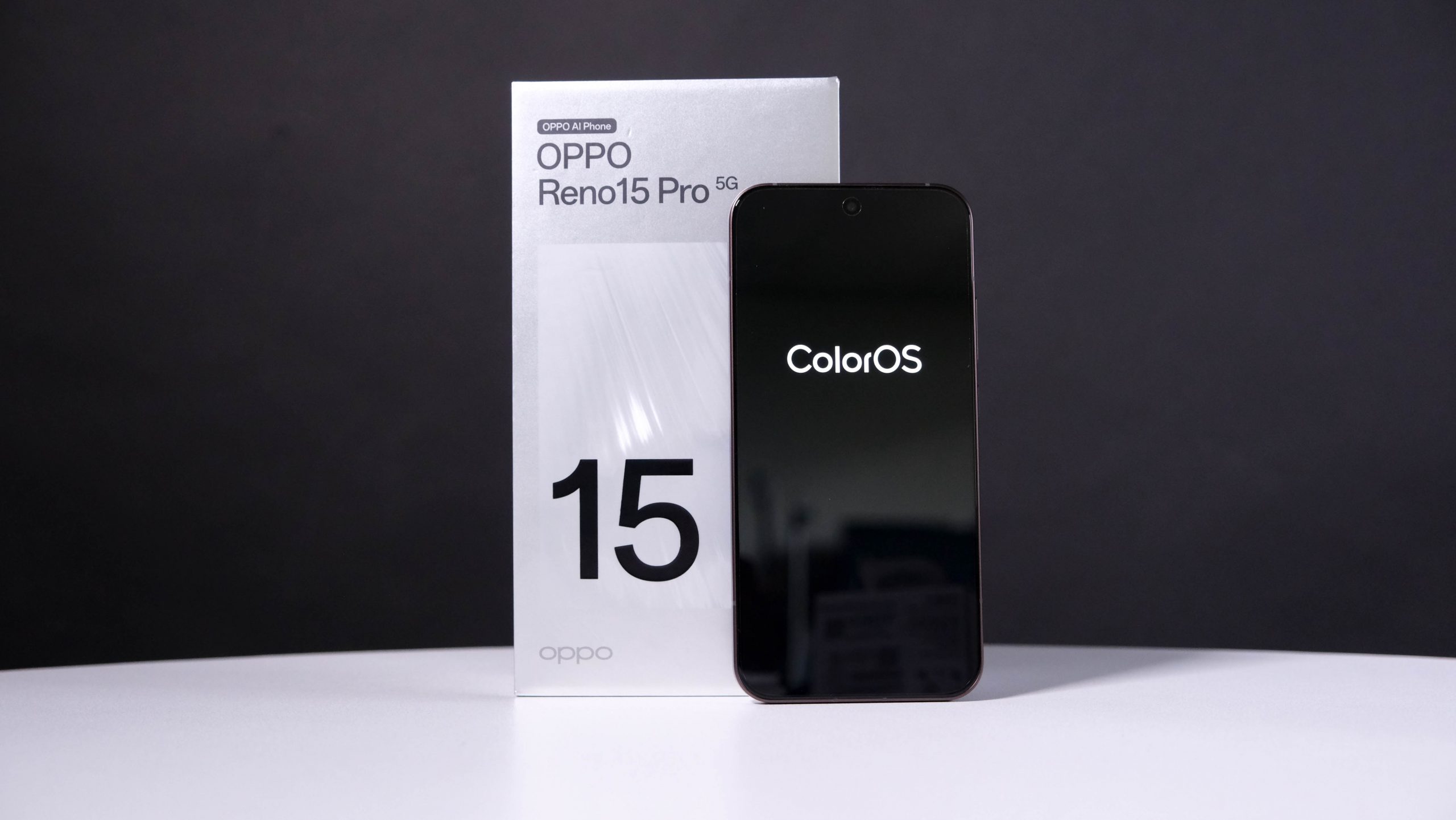 Oppo’s design remains… uninspired, sadly. It’s a pity, too, because the Chinese brand makes some interesting themed smartphones. Here, the Reno 15 Pro is about as generic as you can get. From the front or side, the handset is indistinguishable from multiple others in its price bracket. From the rear, the camera bump is similarly er… similar. The Reno AI Camera branding and its cursive script will attract a viewer’s eye, but you’ll need to get close enough for that to activate.
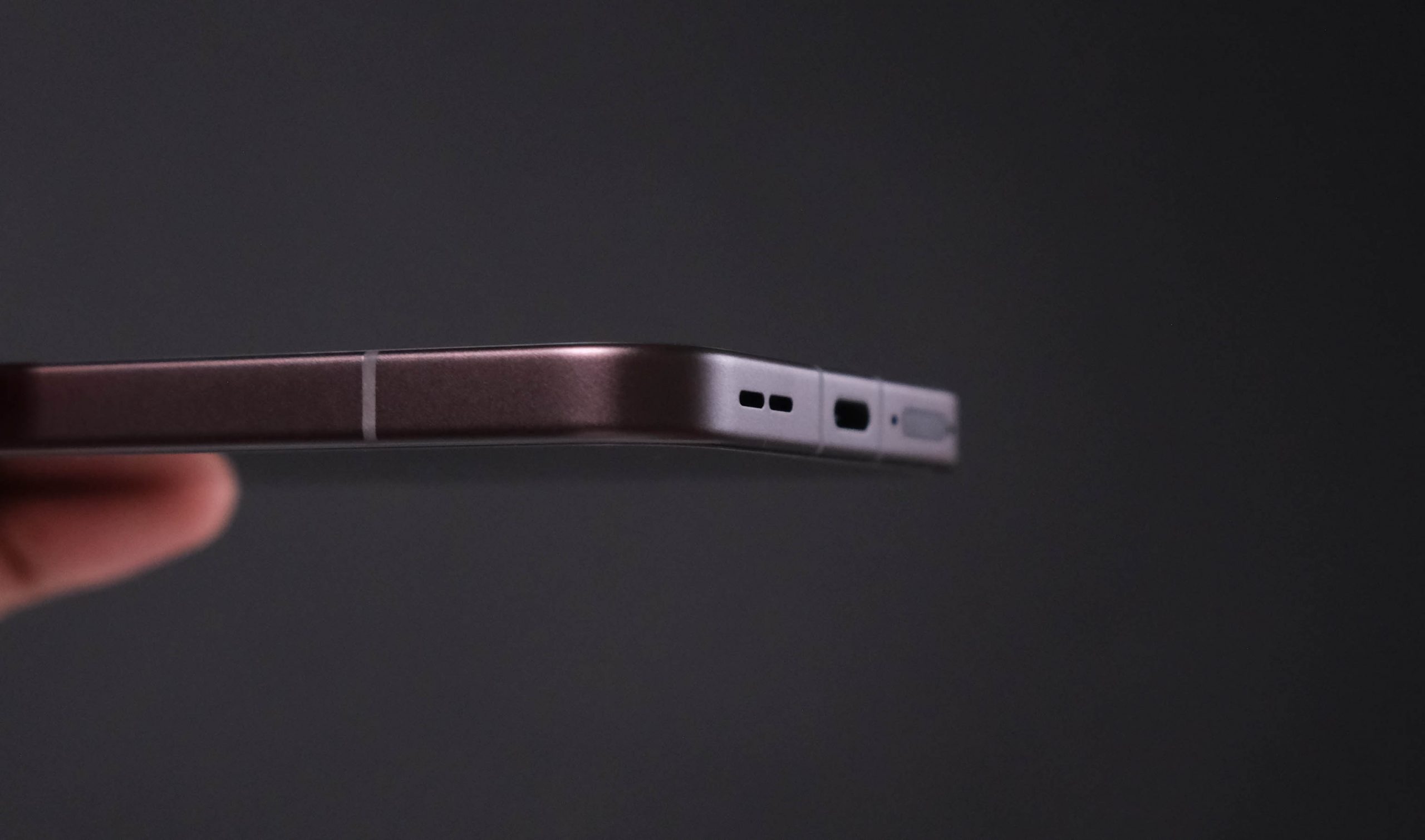
Elsewhere, standard smartphone form factor rules apply. The physical keys are on the top right, the USB-C port, SIM tray, and speaker vent live along the bottom. The phone’s metal edge is attractive enough, in a boring sort of way. The back panel is also a premium metal surface. It feels good, if a little chilly in winter.
It’s not like this problem is Oppo’s alone. There are only so many ways to make a smartphone stand out, most of them (in 2026) risky. At least the company chucks in all the extras you’re likely to need. A SIM tool, cable, and charging block live below the phone in the box, while a clear case takes care of the camera bump’s bulk. The company also preinstalls a screen protector.
Dimensity defender
 The Reno 15 Pro is headlined by a 6.32in 1,216 x 2,640 AMOLED display that wouldn’t look out of place in one of Samsung’s pricier phones. The colour rendition is a touch enthusiastic, but it ticks all the screen tech boxes. A refresh of 120Hz, HDR10+ support, and a max brightness of 1,800 nits have it up there with most of the more expensive phones on the market. Behind the screen, one of MediaTek’s Dimensity 8450 chipsets runs cycles, helped (in our review model) by 12GB of RAM and 512GB of storage. Oppo makes a 256GB model too, but we’re not actually sure if you can buy it here.
This is a dual-SIM smartphone. Weirdly, you can’t repurpose one of those slots for a microSD card, so you’re stuck with the space Oppo has given you. It’s appropriately water- and dust-proofed for its price, so you’ll have to destroy it some other way. The Reno 15 Pro runs Oppo’s ColorOS 16 on Android 16, and performance is good enough that you’d hardly notice any slowdown in use. This holds even when stacked against the speediest phones on the market.
Which means that any grievances will come via Oppo’s ColourOS skin or its AI implementation. Those, if you encounter them, will be temporary. Users will get used to the company’s idiosyncrasies in short order. But you’re probably not after this phone for its day-to-day performance. The standout feature is its camera setup.
A game of snap
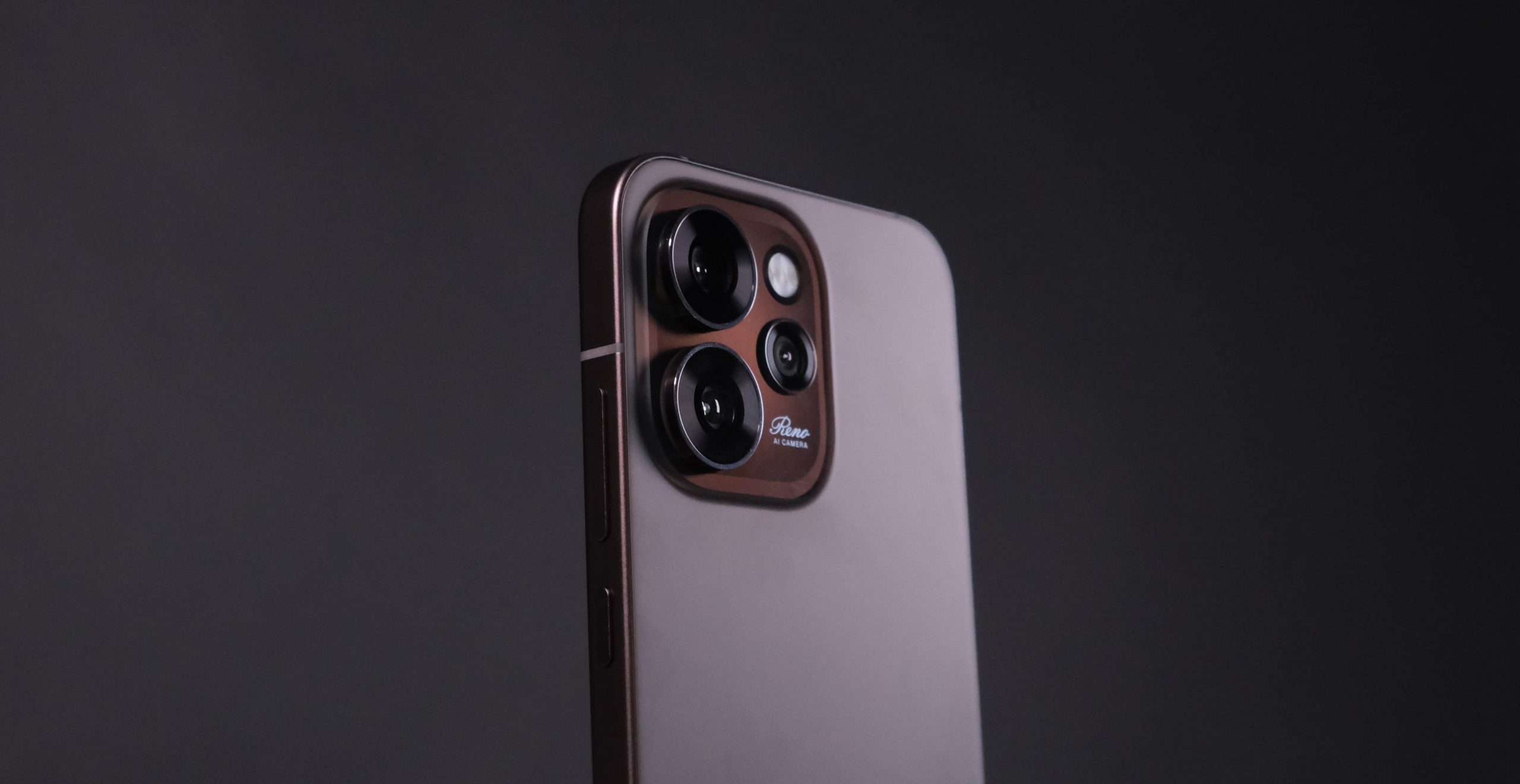 Which, honestly, is stacked for a smartphone at this price. You get three large sensors to play with — a 200MP main (f/1.8) and 50MP 3.5x telephoto (f/2.8), both with optical image stabilisation, plus a 50MP ultrawide (f/2.0). The front camera doesn’t step back either. The centrally-located lens is another 50MP f/2.0 ultrawide. For those keeping score, that’s a total of 450 megapixels.
Of course, the cameras could be crappy with high megapixel counts. That’s not the case here, as Samsung’s ISOCELL hardware occupies most slots. Oppo’s software isn’t as optimised as Samsung’s is, obviously, but image capture still performs just as well as a true flagship. That’s before you account for Oppo’s various AI editing implementations, too.
The main sensor is the star of the show, producing impressive images in most circumstances. Night and Portrait modes will spit out effective shots, too. There’s some evidence of processing lag when you’re capturing something complicated, but the results tend to be worth the second-or-so wait. You’ll get better performance from a smartphone flagship, sure, but also a decently higher price of admission. Oppo’s entry goes especially hard here. For the social media inclined (with about twenty grand to spend), it’s a compelling choice.
Oppo Reno 15 Pro 5G verdict
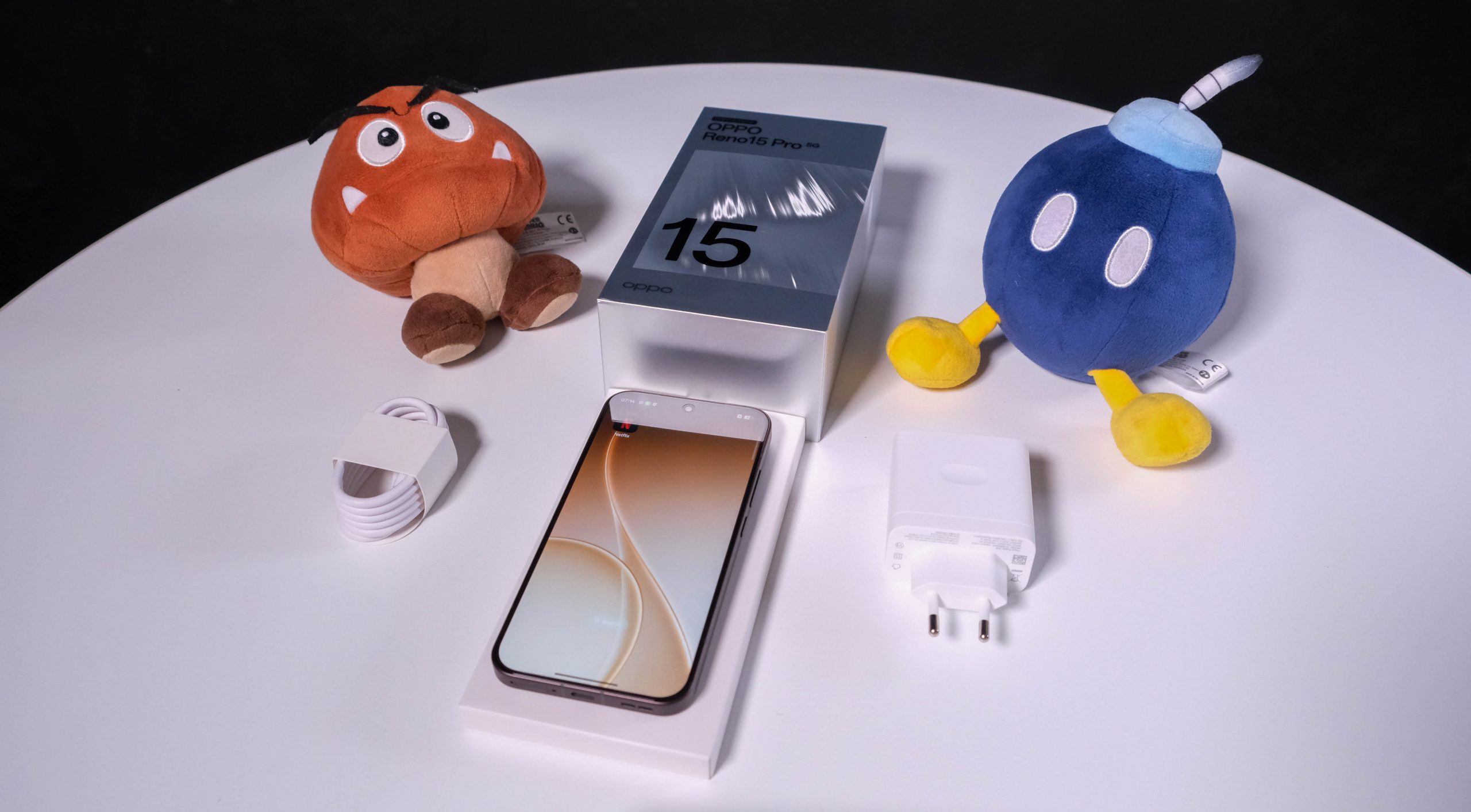 The Oppo Reno 15 Pro isn’t quite a proper all-rounder. Its camera skills are the obvious focus, but the Chinese company hasn’t skimped much in other areas. It’s attractive, if boring, and the screen, internals, and 6,200mAh battery (with 80W wired charging) all match that R21,000 price tag. The rear camera array and front cam exceed what you’re paying for, which was always Oppo’s intention.
For the same money, you can nab Samsung’s Galaxy S26. That one features a very stripped-back (compared to this phone) camera array and slightly better software. Samsung’s flagship will also supply a considerably smaller battery, less storage, and a brighter display. It’ll have its takers, sure, but anyone who’s more about the camera will find themselves drawn in the direction of the Oppo Reno 15 Pro. Rightfully so.