
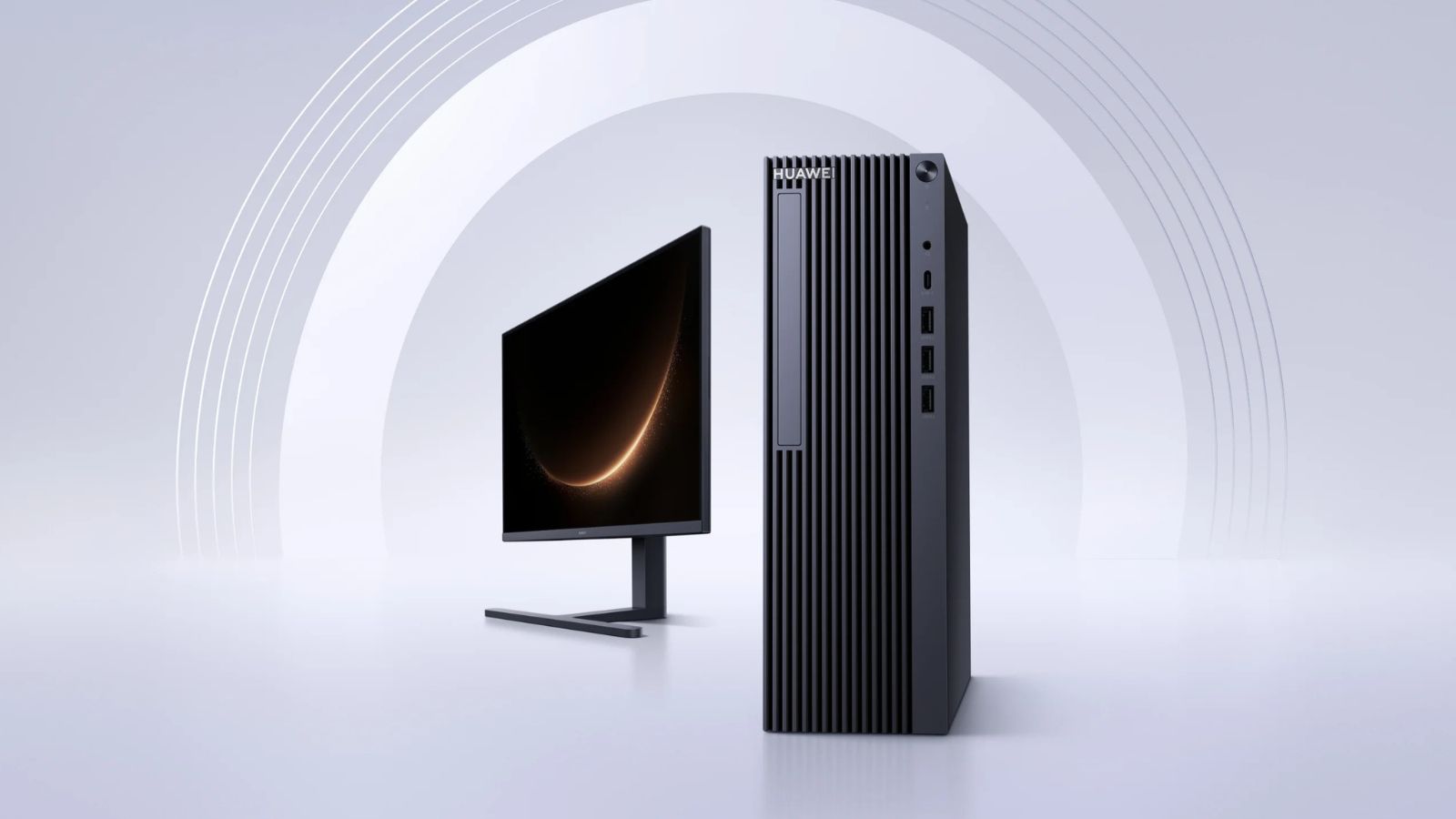
One reason Huawei was largely kicked out of the American computing supply chain was the accusation that it used its hardware as a spying vector. Whether that’s true or not, the company has taken note of those risks. The result? The Qingyun HM650 desktop computer.
Making a desktop computer isn’t hard. Anyone moderately handy with a screwdriver can assemble one. Building one from components from a single country is a bit tougher. That’s just what Huawei claims it has done with the HM650 desktop computer, right down to its HarmonyOS operating system.
Just a Qingyun
Everything inside the computer, from Huawei’s Kirin X90 processor to the RAM, power supply, SSD, and other bits, is sourced from Chinese manufacturers. Huawei says this was confirmed by the country’s Zhejiang Kezheng Electronic Information Product Inspection agency. HarmonyOS is also Huawei’s own, produced internally following its access to Android and Microsoft’s catalogue being revoked.
The setup includes, along with the Kirin X90, 16GB of RAM and a 512GB SSD. On board is also Huawei’s Xiaoyi AI, which performs “information gathering, document organization, and official document drafting.” There are also agent capabilities and a raft of security features in there somewhere.
The reason for pulling everything from China’s own suppliers isn’t stated, but the answer is obvious. Huawei’s Qingyun HM650 is intended for the country’s government offices and businesses. The added security of a ‘100% Chinese’ certification makes it less likely that external actors have infected potentially sensitive machines. The tactic isn’t unheard of. Huawei itself was subject to those allegations. So were Hikvision and a company called Super Micro Computer. The United States and Israel are also accused (sometimes very credibly) of attacking technology supply chains in this manner.
If you happen to occupy a Chinese government office (and can somehow read this), Huawei’s HM650 setup is expected to go on sale from 1 December. There seems to be only one configuration so far. It’ll cost around R18,000. Odds are they won’t be sold overseas… also for obvious reasons.