

After Capitec and FNB got the ball rolling, Standard Bank also wants in on the party. After rolling out three branches with Home Affairs powers in its February trial run, the bank has officially expanded its Smart ID services to four branches around the country. Three of those already participated in the trial phase, while the bank’s branch at Maponya Mall is the newest location where customers can get their Smart ID sorted.
“During this phase, Standard Bank customers can apply in branch to convert their green ID book to a Smart ID Card or replace lost, stolen or damaged Smart ID Cards,” it said. “Applications are completed with trained staff assisting clients, with biometric capture conducted on site.”
Smart IDs come standard these days
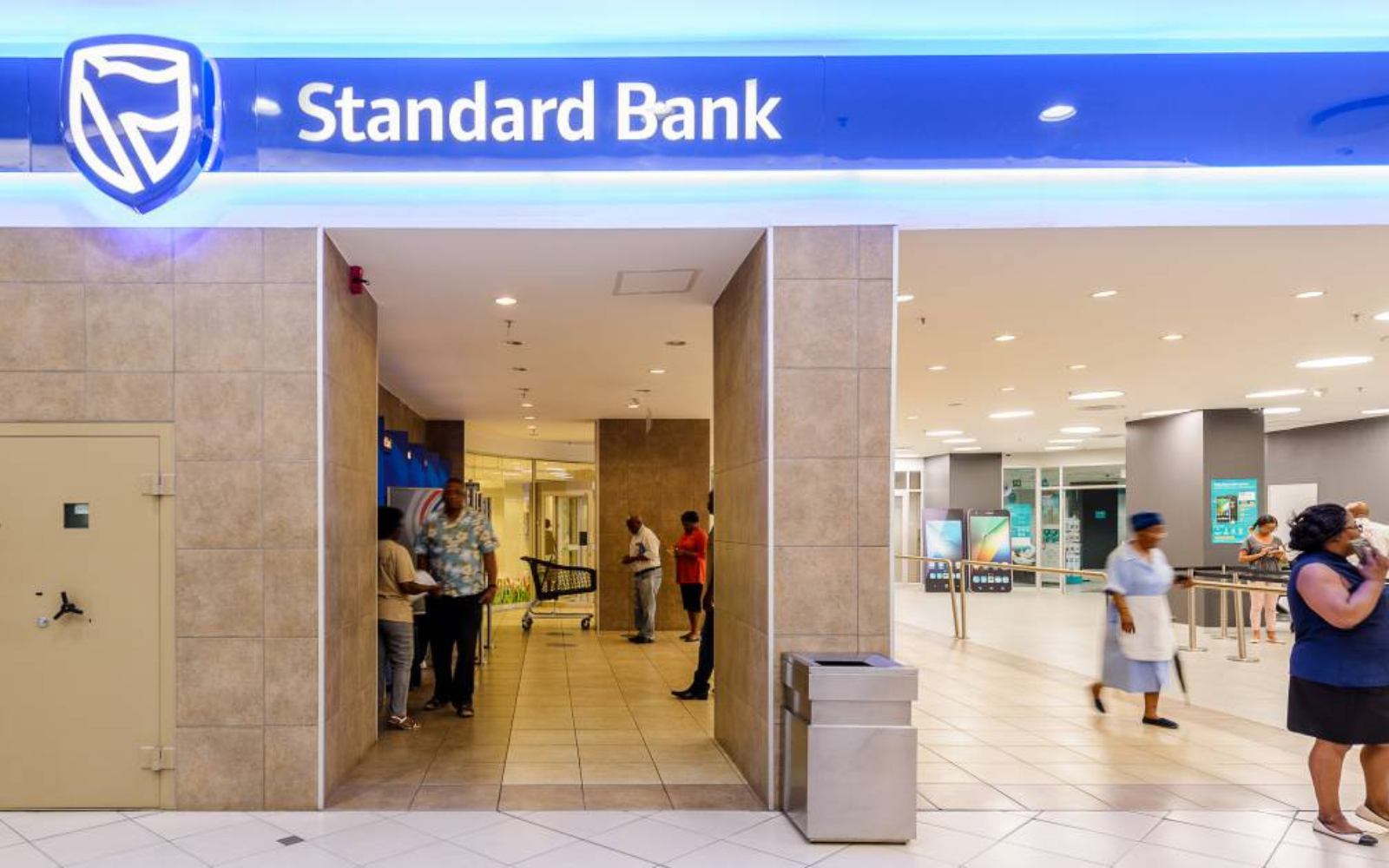
This announcement forms part of a larger initiative undertaken by the Department of Home Affairs (DHA) to make its Smart ID and passport services widely available. Most banks are committed to the plan, with the likes of FNB and Capitec revealing the steps they have taken. Standard Bank will only handle Smart ID applications at these branches in the beginning, with passports to come later.
Unlike Capitec, which utilises a Self-Service Terminal for applications, Standard Bank employees will help you at one of the locations. Better yet, Standard Bank mimics FNB and waives any additional fees at launch. The customer will pay a R140 fee during this “phased approach”, implying higher fees down the road.
Read More: Capitec rolls out Smart ID services at seven branches, with more to come in 2026
“Access to secure identity document services is fundamental to economic participation. By working with the Department of Home Affairs, we are bringing these services closer to where people live and work, using infrastructure that communities already trust, said Funeka Montjane, CEO of personal and private banking.
If all goes to plan, the DHA hopes to have 100 participating branches by 2027. Its larger aims include equipping most of SA’s banks with the ability to dish out Smart ID and passports, eventually expanding the number of branches to 1,000 in 2029.