

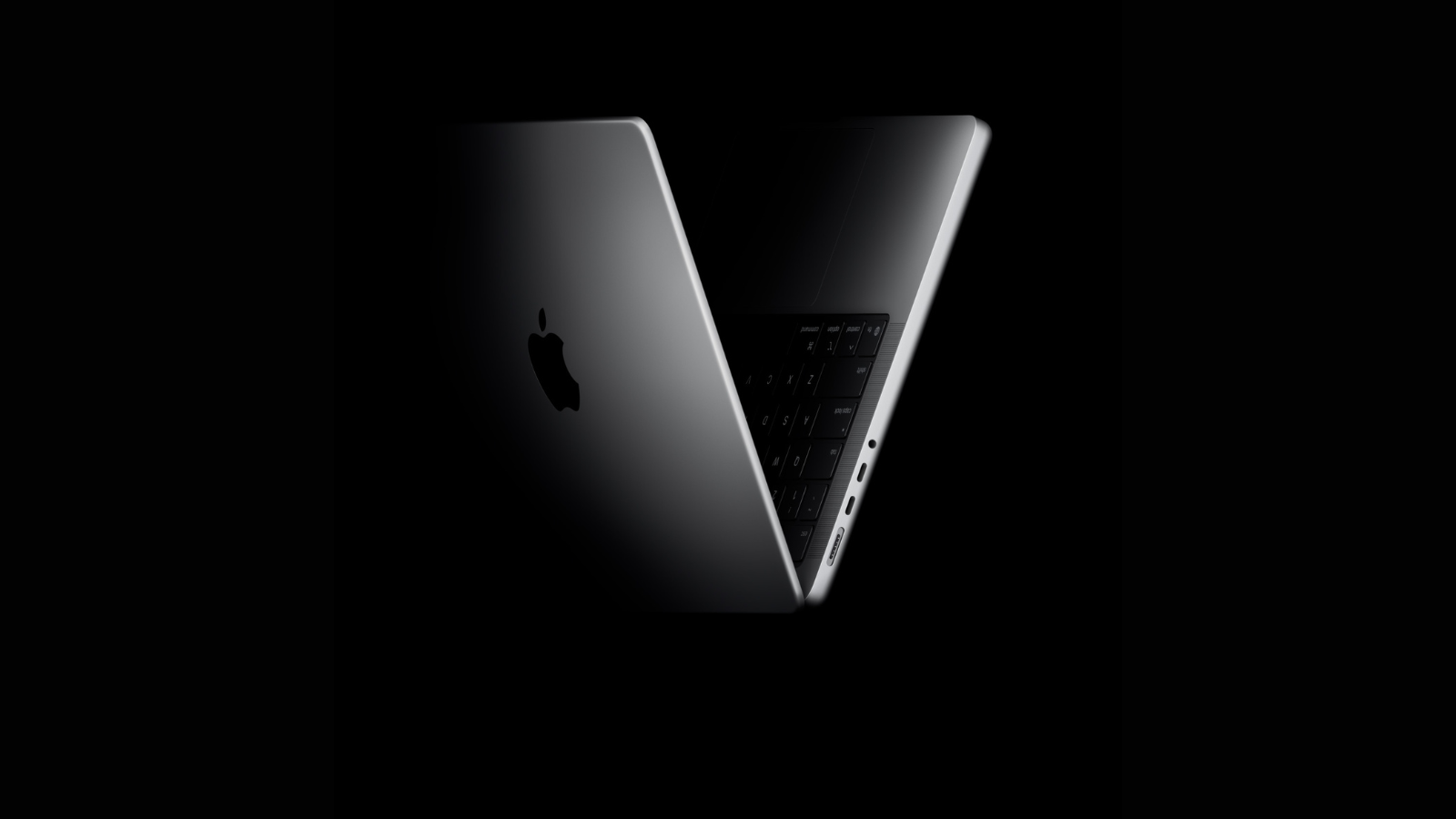
Enter MacBook Ultra

Now that Apple has cleared the slate for early 2026, naturally, the question becomes ‘what’s next?’. The Fruit Company’s iPhone strategy is basically locked down at this point, likely targeting a September reveal. But what about the rest? If Gurman, writing for Bloomberg, is correct, it could mean the launch of a new MacBook Ultra.
This isn’t exactly new. Rumours of an M6-powered, touchscreen OLED MacBook have floated for months. What’s new is the ‘Ultra’ moniker, as Apple considers ditching the Pro naming convention for this laptop. Gurman reckons Apple may let the new MacBook Neo simmer a bit before launch, possibly arriving with a 20% hike. He notes that something similar happened to Apple’s iPad when it adopted an OLED display.
This could be a sign of a larger ‘Ultra’ shift from within the company. Other products are reportedly targeting a “higher-end fare”, even if they ultimately don’t get released under the Ultra umbrella down the line. The foldable iPhone and smarter AirPods could all fall into the same crowd. Still, Gurman expects Apple to continue its drive into lower-cost tech, possibly adopting the ‘Neo’ branding and foregoing the SE label entirely.
PlayStation’s dynamic pricing could be a good thing

But it could also be very, very bad. If you noticed any good deals — or lack thereof — while scrolling through the PlayStation Store recently, there might be a reason for that. A site called PSPrices, which tracks game prices, noticed that some games were being offered at different prices to different users. Dynamic pricing appears to be live, though the listings were discovered in the API under identifiers like IPT_PILOT and IPT_OPR_TESTING.
That suggests Sony hasn’t committed to the idea yet, and that its dynamic pricing structure is still in a trial phase. The test has reportedly been running for the past three months, involving more than 150 games across 68 regions, with some games being discounted by as much as 17.6% to as low as 5%.
The idea behind an A/B pricing like Sony is experimenting with here is to eke a few extra bucks out of the folks Sony knows will pay a few extra bucks for a game. The opposite is also true, as the company attempts to make a sale more attractive to the guy who buys a copy of EA Sports FC every year. It’s still unclear which regions are included, though Africa does appear to be on the list. Testing isn’t live in the US or Japan just yet.
Samsung exec reminds everyone what smart glasses are
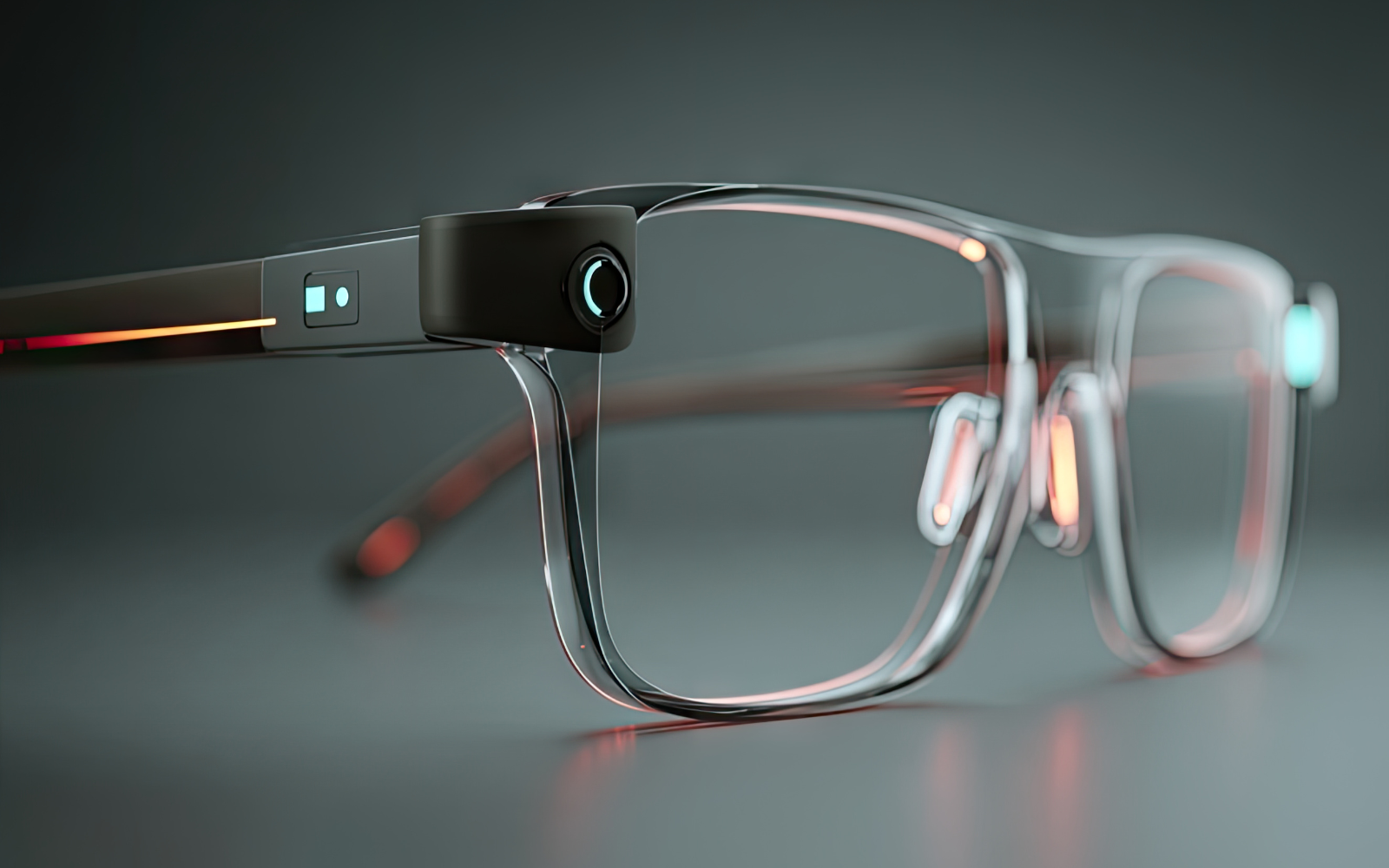
When you think of a pair of smart glasses, we’d bet your image contains at least one camera embedded in the frame. Samsung, working on its own pair of clever specs, revealed some key details of the device to CNBC. Like the fact that the glasses would include a built-in camera at “your eye level”. Or that it would connect to a smartphone, which would handle all the processing required. About what we expected, actually.
Jay Kim, executive VP at Samsung’s mobile business, confirmed the features on the sidelines at MWC. The company ultimately left a lot unsaid, failing to reveal whether it would pack a display at launch. Previous reports suggest that Samsung will further mimic Meta’s strategy, with a second-gen display-featuring pair likely arriving in 2027. For the first-gen, Kay said Samsung hopes “to have something for industry this year.”
Grab the popcorn, Nintendo is suing America
Nintendo is like a raging bull, and the US is like a poorly-placed matador waving around a flag. In other words, Nintendo is officially suing the US, demanding refunds for Trump’s far-reaching tariffs from last year. The tariffs were recently voided by the Supreme Court, prompting Nintendo to assemble a rather litigious bunch.
The complaint was filed on Friday in the US Court of International Trade and obtained by Aftermath. Nintendo is just one of thousands of companies suing for the same cause, claiming that the tariff implementation was illegal. Nintendo doesn’t mention what it paid as a result, though it was likely a whole lot. Not long after the US introduced these tariffs, Nintendo unveiled and shipped the Switch 2, which was popular everywhere.
“This action concerns Defendants’ initiation and administration of unlawful trade measures that have, to date, resulted in the collection of more than $200 billion in tariffs on imports from nearly all countries,” Nintendo’s lawyers wrote in the complaint.