

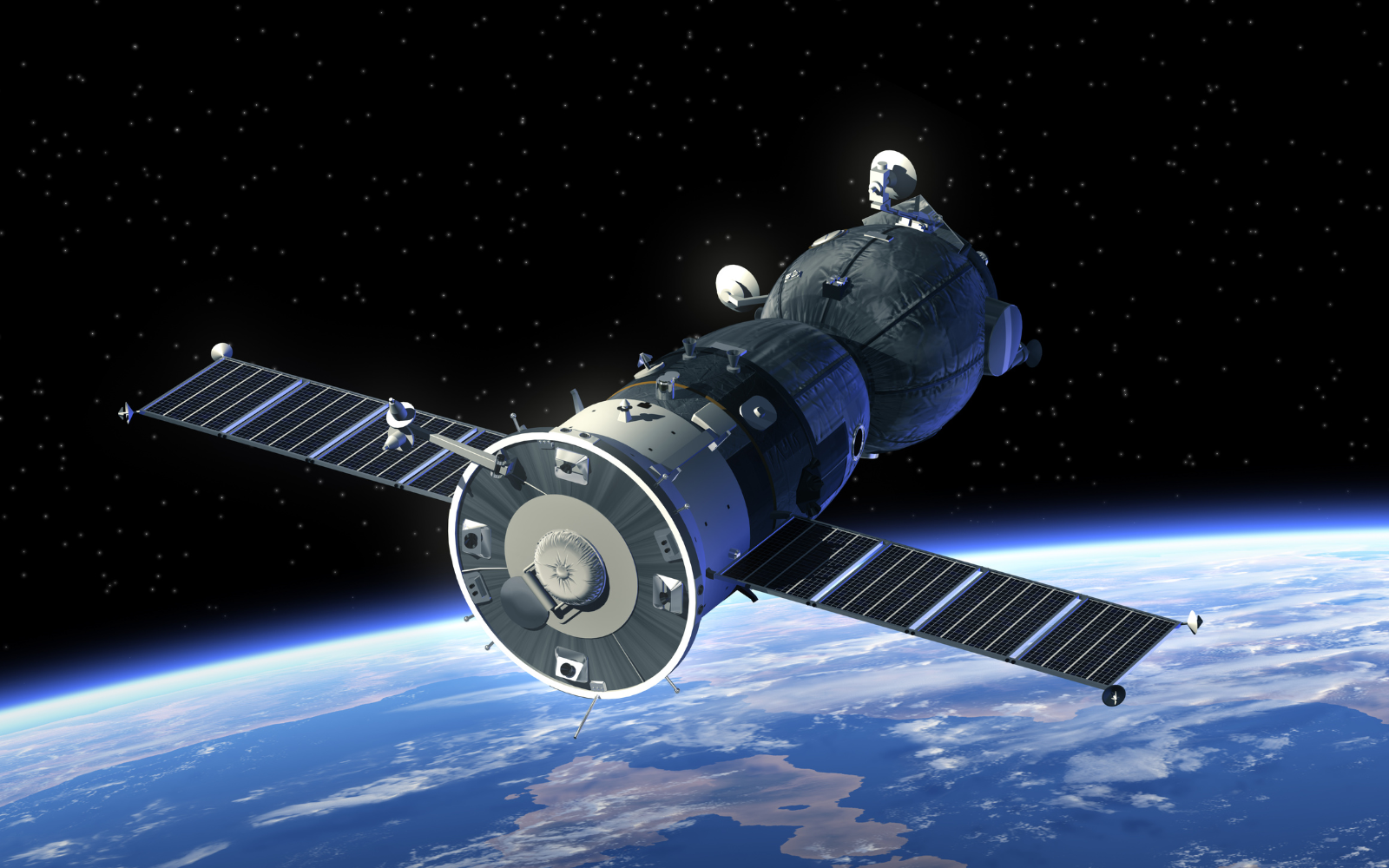
Will the world ever benefit from solar energy beamed to the ground from space? Several companies (and some academics) believe this is possible. The latest company to try, and one that just signed a contract with Meta for space-based solar power, is an entity called Overview Energy.
Unlike Reflect Orbital, which has ambition but seemingly little sense, Overview Energy is explicit in its goals. The company plans to stick a constellation of 1,000 satellites into geostationary orbit to “convert energy from the sun into safe, near-infrared light, and deliver it when and where it’s needed on Earth.”
Solar energy, Overview?
Also unlike Reflect Orbital, Overview Energy has a big-name contract lined up. Meta, the folks who want to surveil… everything, have signed a deal for up to 1GW of power from Overview. The transfer won’t happen any time soon, with the solar power company planning to launch its first satellites from 2030 onwards.
Before that happens, Overview will first test its plans to repurpose “near-infrared light” from a low-Earth orbit satellite sometime in 2028. It has already executed the plan using an aircraft, but those are considerably cheaper than rocket launches. The company has done its math and reckons it’ll pull this off, but the same issues that plague Reflect Orbital’s ambitions are present here.
Namely, an affordable geostationary launch costs around $100 million. A constellation of 1,000 satellites, which Overview reckons will each last ten years, comes to $100 billion to get into the sky. Unless the company makes more than $20 billion in revenue a year across the group’s lifespan, it’ll haemorrhage money. Constantly.
To clear the revenue bar and break even (assuming the lowest cost estimate for a geostationary satellite), Overview Energy will need in excess of 30GW of solar power available at all times. Folks will also have to be willing to pay the company’s prices. However, if it can put enough hardware where it claims it will, the company might actually execute the whole ‘beaming solar energy to Earth’ thing.