
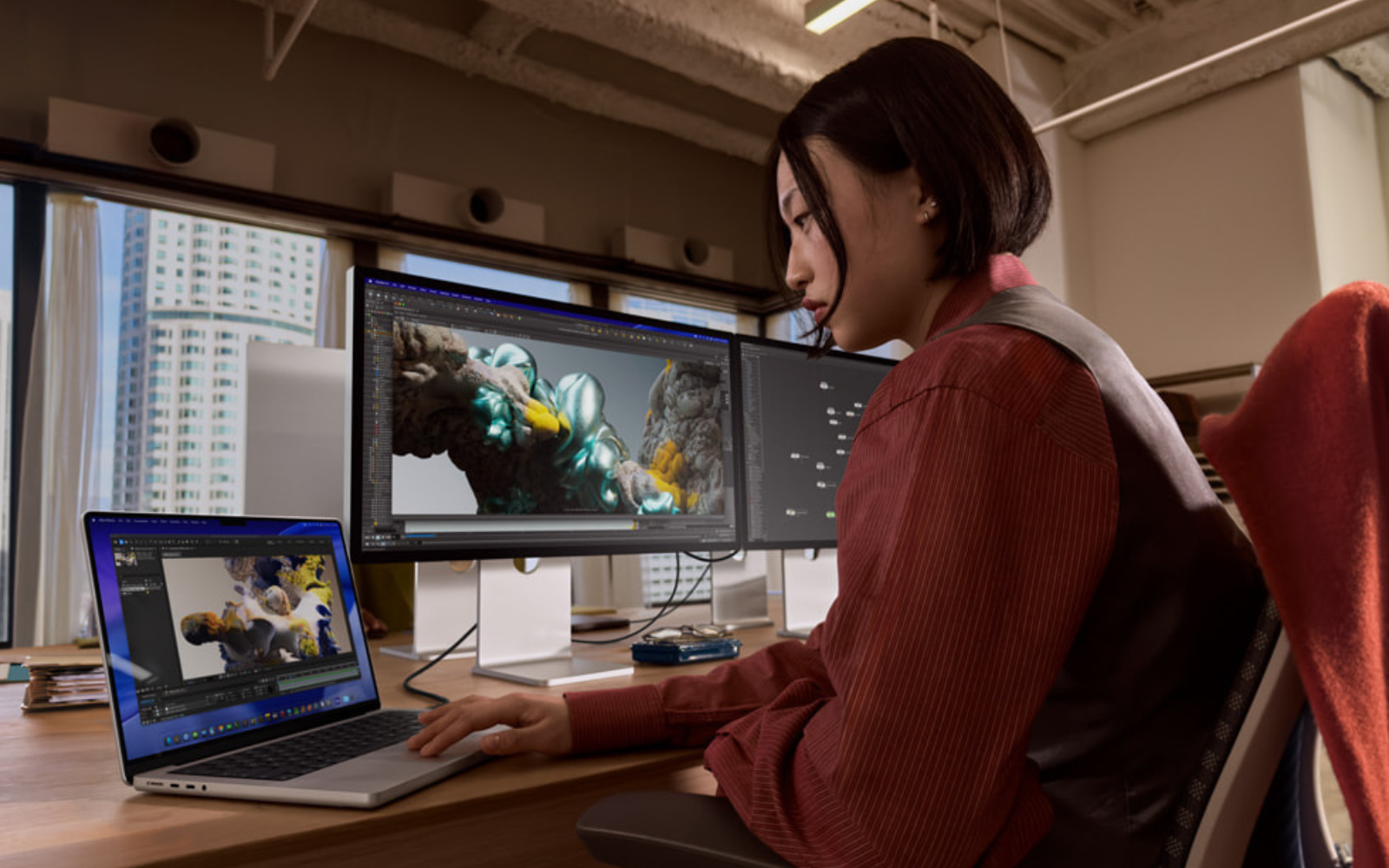
It’s Apple’s chosen week for some new products. On Monday, it launched the new iPhone 17e and M4-powered iPad Air. Now, it’s followed those up with two new Studio Displays to go with fresh M5 MacBooks. Unlike the new iPhone or still-unnanounced Macbook Neo (or whatever its real name is), these new Studio Displays will not be wallet-friendly.
Quite the opposite, in fact. The ‘standard’ Studio Display comes with a tilt-adjustable stand (wow, thanks Apple) and will cost $1,600 (R26,400 directly converted). The Studio Display XDR comes with a tilt- AND height-adjustable stand and starts at $3,300 (R54,430 directly converted). That means if they ever show up in SA, they will cost at least a few thousand more than those prices. So what are you getting for the money?
Meet the new Studio Display
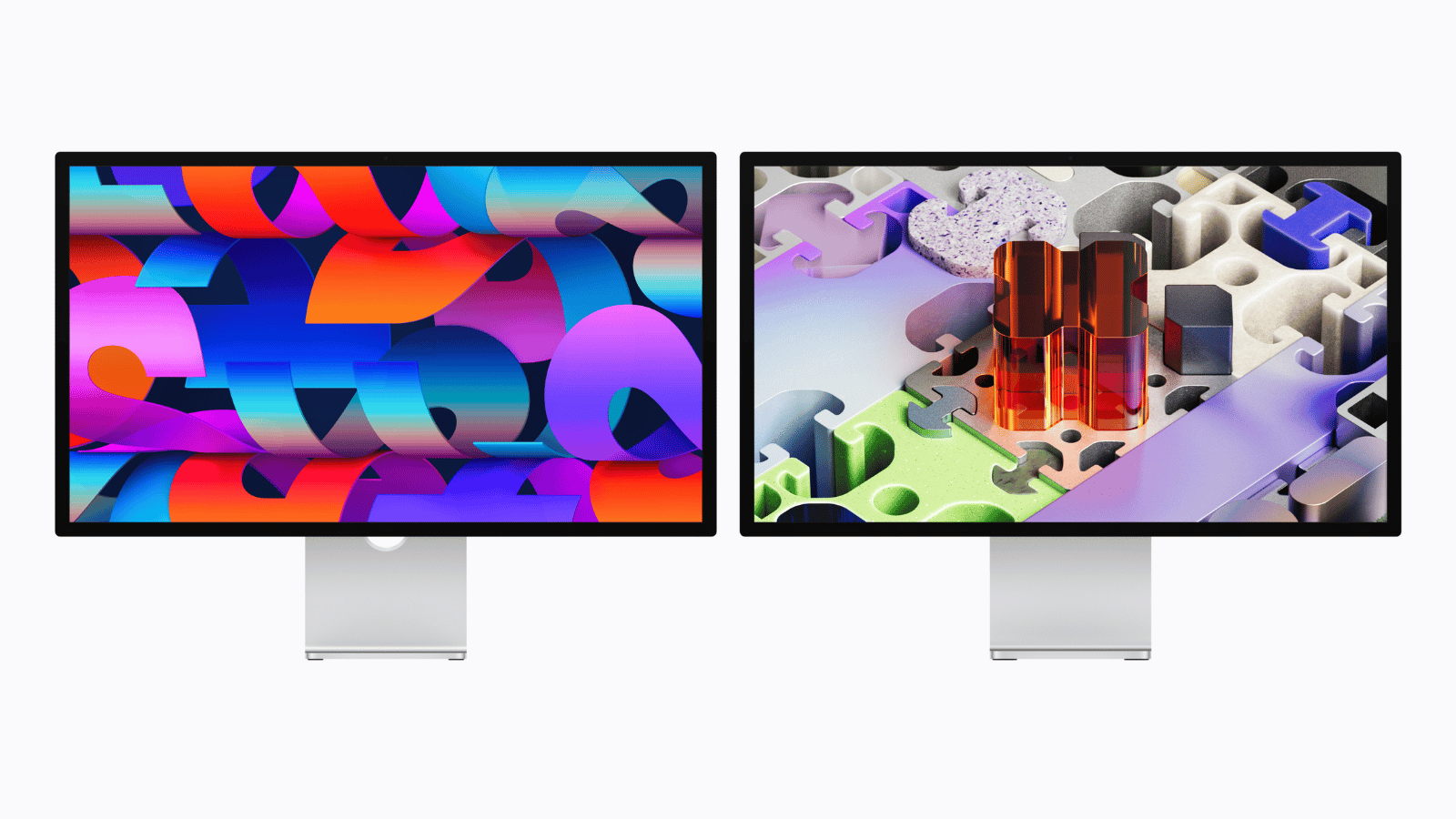
The cheaper of the two is what most folks will likely go for. It boasts a 27in 5K (5,120 x 2,880) Retina panel with a claimed brightness of 600 nits and a paltry 60Hz refresh rate. It also comes with support for “P3 wide colour” and the option to add nano-textured glass, which is meant to help if you struggle with reflections.
Other hardware bits include a 12MP Center Stage camera, three “studio-quality” microphones, and a Spatial Audio-supported six-speaker setup built in. There are also four USB-C ports on the back, two of which support Thunderbolt 5. That allows you to daisy-chain up to four displays together over a single connection or charge your MacBook with up to 96W of power delivery. The tilt-adjustable stand is included, or you can get a VESA mount adapter (sold separately).
Do you need Apple’s new Studio Display XDR?
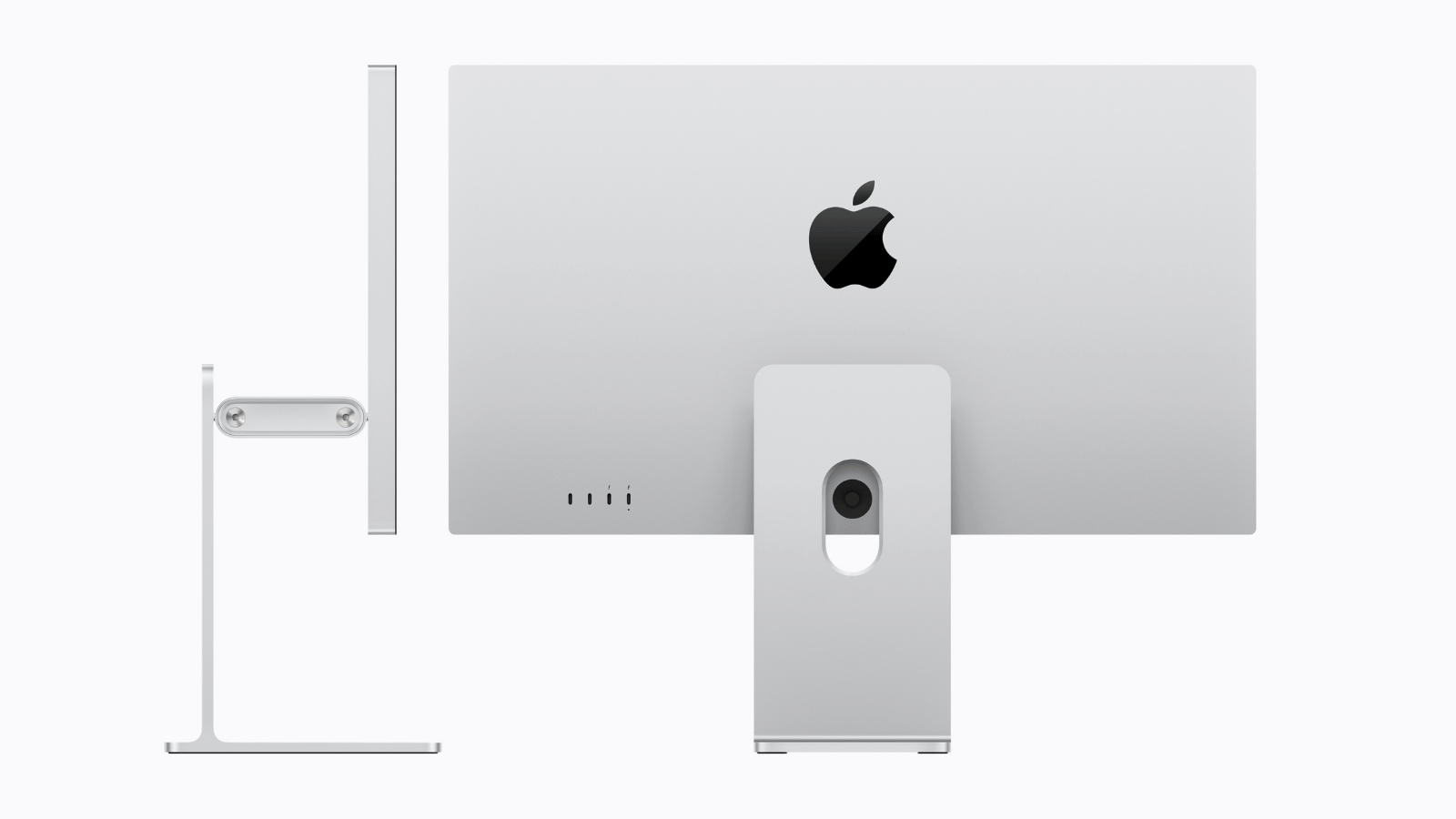
No, but you probably want one anyway. The Studio Display XDR, meant to replace the 32in 6K Pro Display XDR from 2019, is what Apple really hopes will interest you. Not only do you get to tell people you own the world’s best pro display (according to Apple), but you also get a tilt- AND height-adjustable stand included — talk about value.
Its 5K Retina XDR display has the same resolution as the cheaper version but now boasts a mini-LED backlight with 2,304 dimming zones for better max brightness and more control. You can expect up to 1,000 nits with SDR content and up to 2,000 nits peak brightness with HDR content.
It also features Apple’s adaptive ProMotion 120Hz refresh rate that will range between 47Hz and 120Hz depending on your needs. However, it should be noted that Intel-based MacBooks are no longer supported, and you’ll need at least an M4-powered MacBook to make full use of that refresh rate, according to the compatibility list.
The 12MP Center Stage camera, Spatial Audio-supported six-speaker setup, and four USB-C ports are also present, along with 140W of power delivery. There are also an impressive number of reference modes supported. We’re eager to see how these new displays will dent South Africa’s economy when their official local prices are announced. Stay tuned.