

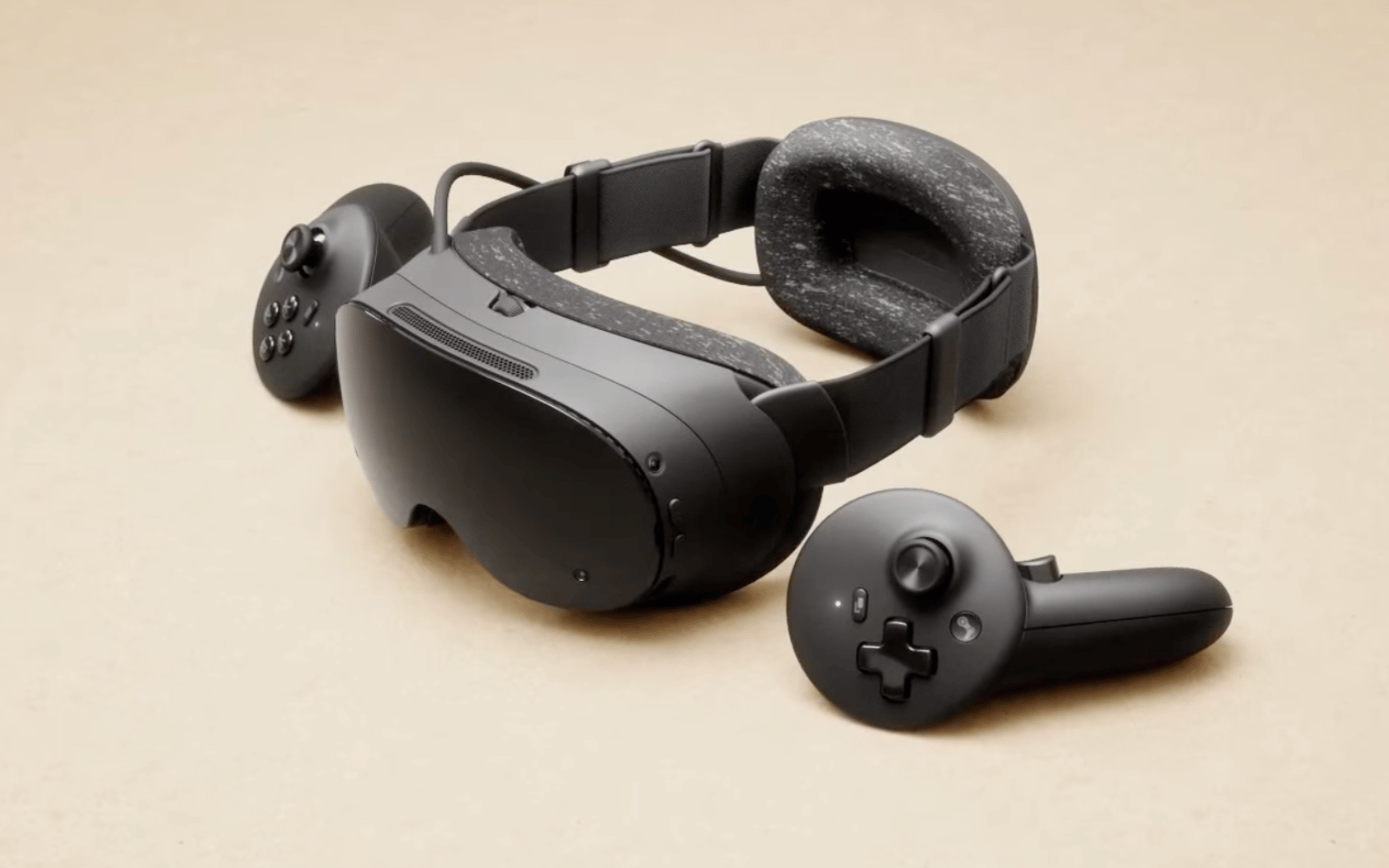
PC juggernaut Valve announced a bunch of new stuff last night, none of which (as far as we know) included the number ‘3’. The new Steam Frame and Steam Machine might well give the company an excuse to finally bless the world with Half-Life 3.
Probably not, but we’re never going to stop dreaming. If we’re doing that dreaming with a new lightweight VR headset on our noggins, so much the better. The Frame, announced alongside the console-like Steam Machine PC, promises to let games hop in and out of VR titles with remarkable ease.
Steam Frame-up
The main drawcard of the Steam Frame is its wireless streaming ability, something Valve says it was made specifically for. Well, that, and VR. Dual 2,160 x 2,160 LCDs sit in front of a user’s eyes, with a variable refresh rate of 72 to 144Hz. The latter is “experimental,” according to Valve. The headset features an interpupillary distance range of 60 to 70 (hopefully you don’t have extremely narrow eyes), and it’s fitted with 140mm of horizontal clearance for glasses-wearers.
A Snapdragon 8 Gen 3, 16GB of RAM, and either 256GB or 1TB of space (with microSD expansion possible) make sure that it’s at least as powerful as a smartphone, which is handy because the Steam Frame, in addition to streaming games from a dedicated PC via a 6GHz dual-radio adapter, can run games natively. You could play something beefier with your home setup and still have a (somewhat rude) way to distract yourself while standing in an errant queue.
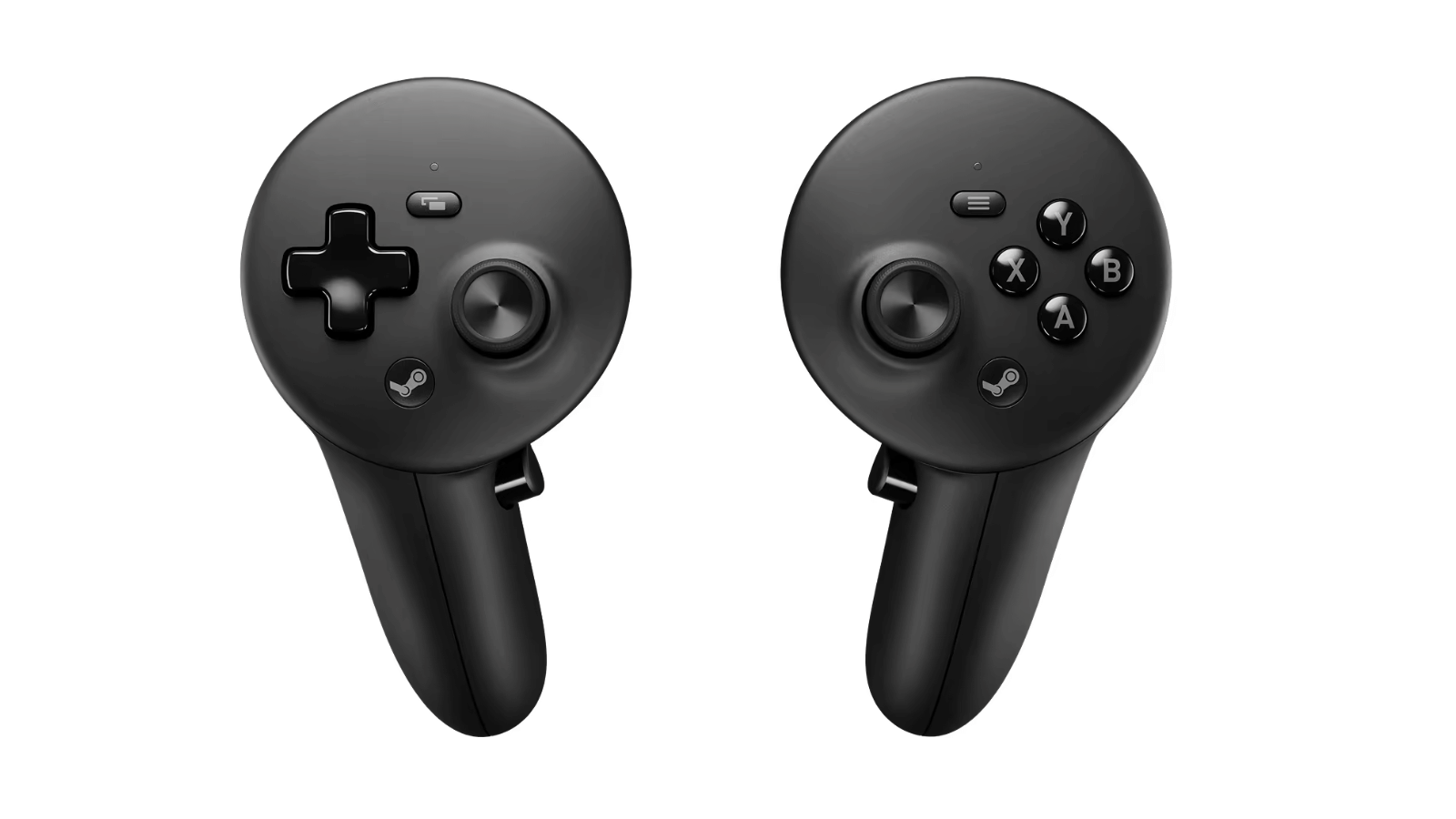 The Steam Frame’s controllers are also remarkable in their design. At first glance, it looks as though someone split a Nintendo Pro controller in half, sticking each of them into a handy handle. That’s… more or less exactly what has happened. The idea is that gamers can play traditional titles via the Frame headset in addition to using more standard VR motion controls, which are also built into the severed gamepad setup.
The headset runs SteamOS, which greatly enhances its standalone functionality, and could well see the hardware running Android-based games in addition to the PC stable already available. The included headstrap, which makes up most of the VR hardware’s weight, has speakers built in, meaning there’s no external audio requirement. The headset also hosts the 21.6Wh external battery, which accounts for its mass. The whole thing — headset, strap, audio, and the cameras and sensors dotted around the unit — weighs in at 440 grams. That’s not too serious to haul around outside and should make for comfortable extended play sessions.