
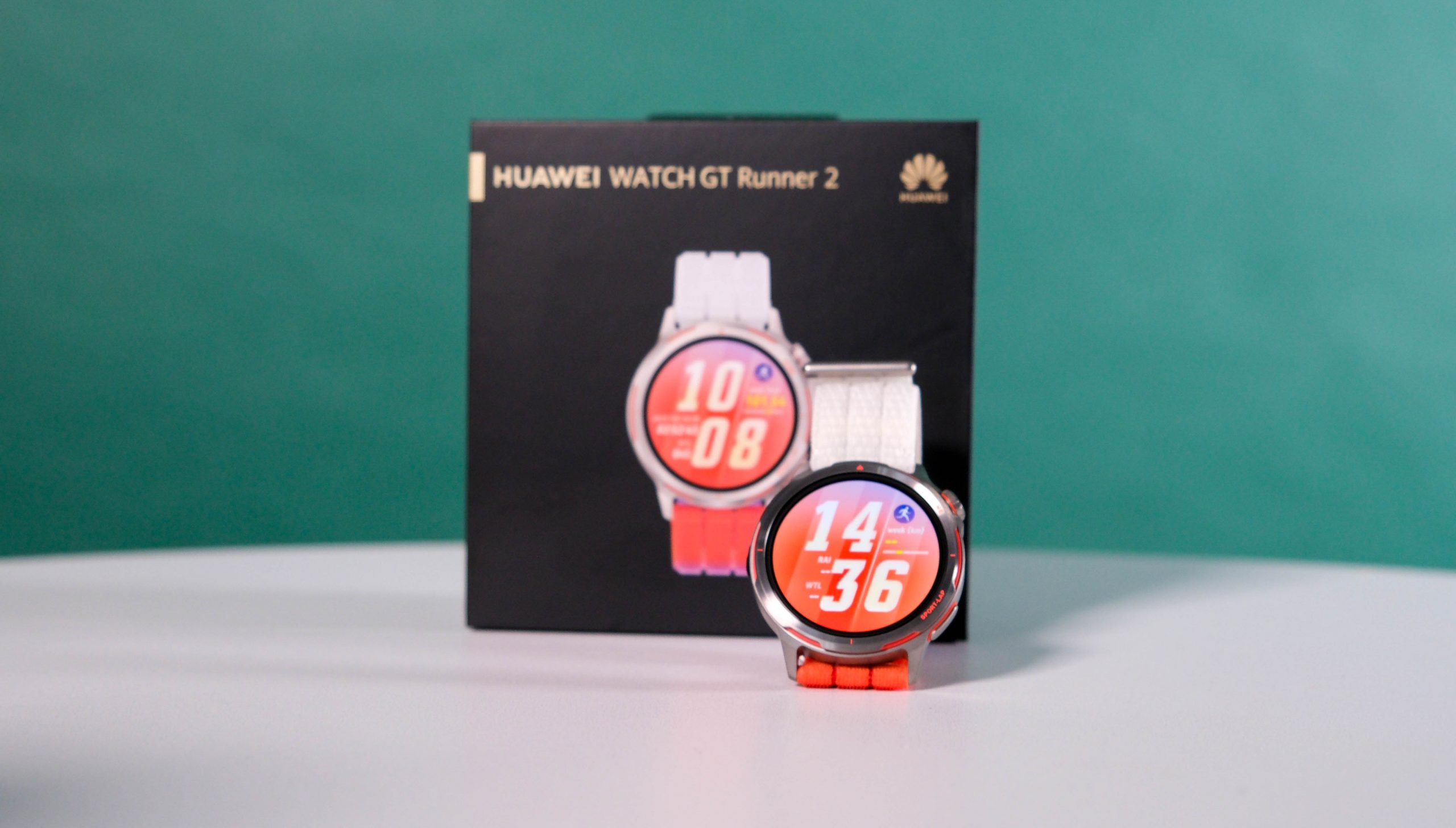
Best suited for: Road runners, trail runners, ultra-marathoners, and athletes looking for long battery life and useful on-watch running features.
Biggest strength: Battery life and Reference Pace functionality.
Biggest weakness: Limited integration with TrainingPeaks for athletes following coached, structured programmes.
-
Race/pacing features
-
Battery
-
Ease of use
-
Running analysis
-
Cross-training
-
TrainingPeaks integration
There are few things more frustrating for an ultra-runner than watching your watch die before you reach the finish line.
I know this from experience. During my first Comrades Marathon, my watch gave up around the 80km mark. I still had roughly 6.5km to go.
That experience has changed the way I look at running watches. Battery life isn’t just another specification on a box. When you’re running for seven, eight, or nine hours, it can be the difference between having a detailed record of your race and having a very expensive wrist ornament for the final few kilometres.
So when I started testing the Huawei Watch GT Runner 2, battery life was going to get my attention.
After more than three months of using it for training, racing, road running and trail running, I came away impressed. It isn’t perfect — particularly if your training ecosystem revolves around TrainingPeaks — but there is a lot here for runners who want a capable watch without constantly worrying about charging it.
And as someone who has completed three Comrades Marathons since starting in 2024, including two Silver finishes and a best of 7h17 over 86 km, I had a fairly specific idea of what I wanted from it.
The pacer on your wrist
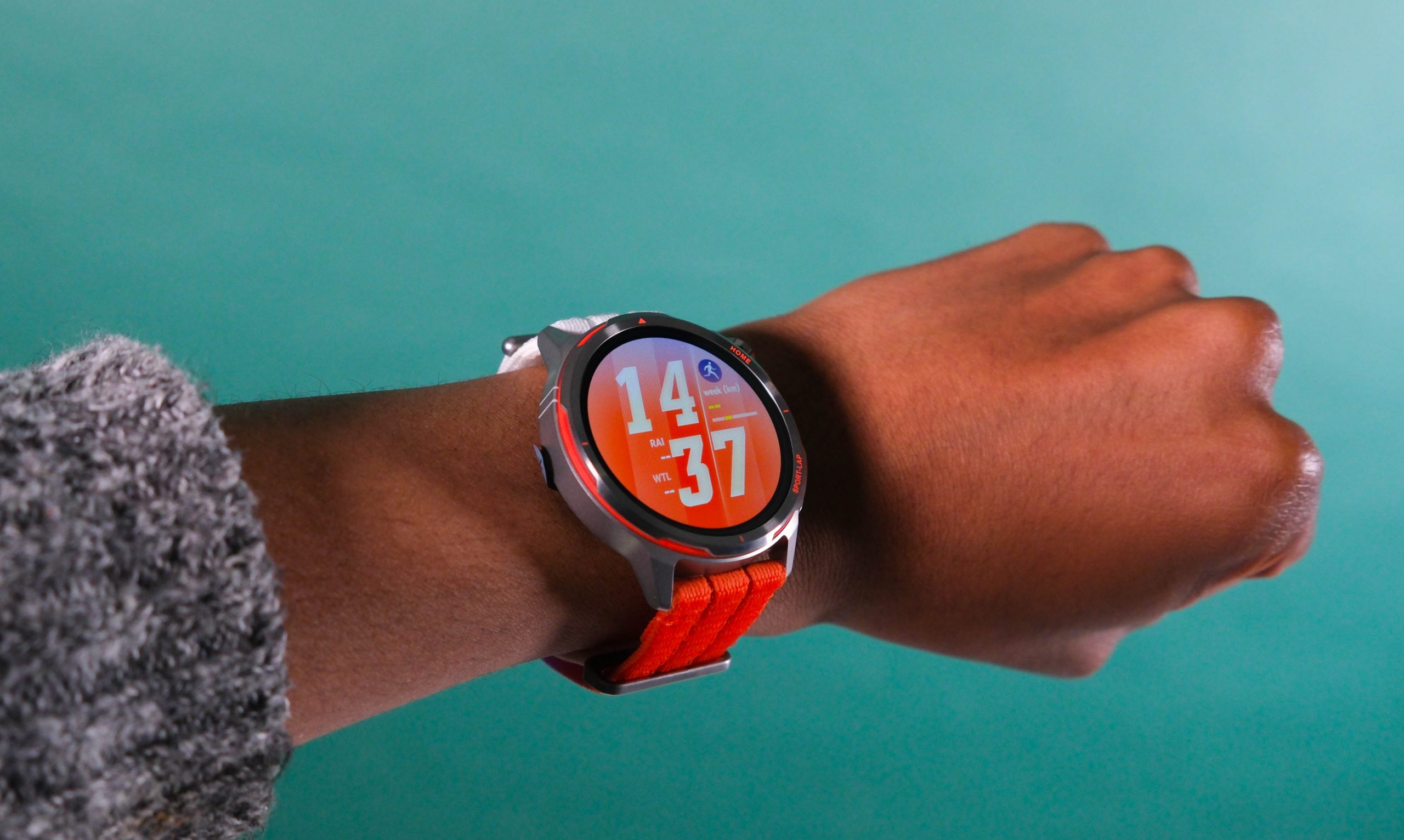 The feature I found myself using most during races was Reference Pace.
On paper, it sounds relatively simple: the watch keeps you informed of your average pace while also giving you your kilometre splits. In practice, it became much more useful than that.
During a race, particularly one with hills, it is surprisingly easy to lose perspective. You can run a fast kilometre downhill, struggle through the next climb, and suddenly have no idea whether you’re still on track for your target.
Reference Pace gave me that bigger picture.
It felt a little like having a pacer on my wrist.
For an ultra marathon, where the objective isn’t necessarily to run every kilometre at exactly the same pace, that distinction matters. You can accept that a climb will slow you down without immediately panicking about your overall race pace.
That was one of the features I genuinely came to rely on.
It just keeps going
If there is one area where the GT Runner 2 really speaks my language, it’s battery life. The watch can last more than two weeks, depending on how it is being used.
For an everyday smartwatch user, that’s convenient. For an ultra runner, it’s something more important: peace of mind.
My first Comrades experience taught me that the advertised battery life of a running watch matters considerably less than whether it can actually survive the training and racing you intend to throw at it.
The GT Runner 2 gave me considerably more confidence in that regard.
Long training runs? Fine.
Regular daily use? Fine.
An ultra-marathon? That’s where this kind of endurance becomes particularly valuable.
It’s one of those features that you don’t necessarily appreciate until you’ve experienced the alternative.
Lightweight, without making things complicated
 Running watches can sometimes feel like miniature computers strapped to your wrist.
The GT Runner 2 doesn’t.
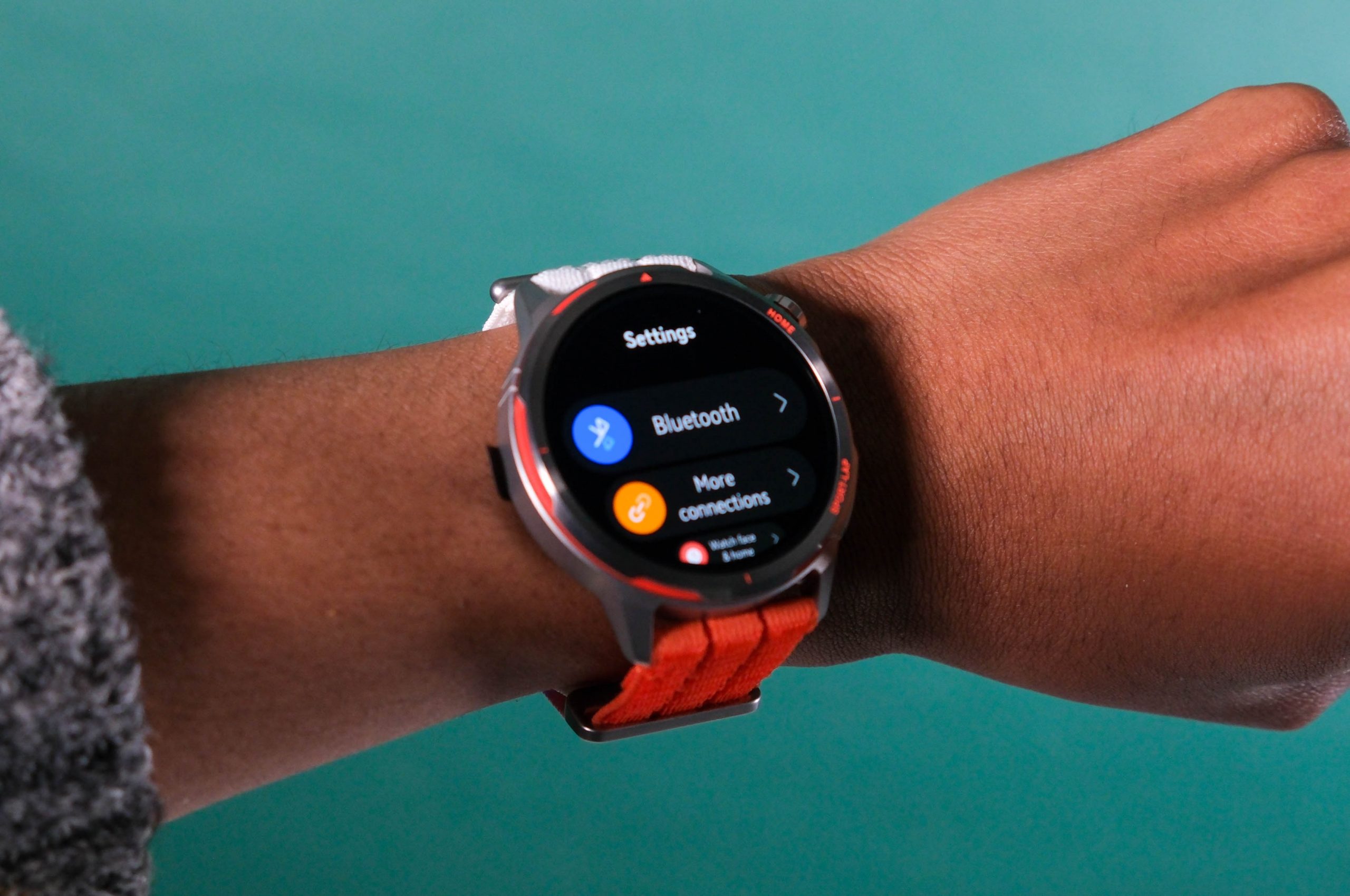
It’s lightweight and comfortable enough to wear throughout long training sessions, while getting into a run is quick and straightforward.
That’s important.
When you’re standing at the start of a race, the last thing you want is to be navigating menus trying to find the activity you actually came there to do. Select the run, get moving, and let the watch do its job.
For me, that simplicity was a plus.
It tracks more than just running
Running was obviously my primary use case, but the GT Runner 2 isn’t limited to pounding the road. I also used some of its cross-training functionality, including indoor and outdoor cycling.
That makes sense for runners following a structured training programme. Cross-training can form an important part of building fitness while reducing the repetitive impact associated with running.
I wouldn’t necessarily buy this watch specifically for cycling, but having those options available makes it a more versatile training companion.
The little things matter
Some of the watch’s most enjoyable features weren’t necessarily the ones I expected to care about.
One example was the post-run stretching recommendations.
After completing a run, the watch provides suggested stretches accompanied by illustrations showing how to perform them.
It’s a small feature, but it works because it removes some of the guesswork. You finish the run, the watch tells you what to do next, and the illustrations make it easy to follow.
For runners who are guilty of finishing a long run and immediately heading for the shower without stretching — you know who you are — this is actually useful.
Running form without overcomplicating
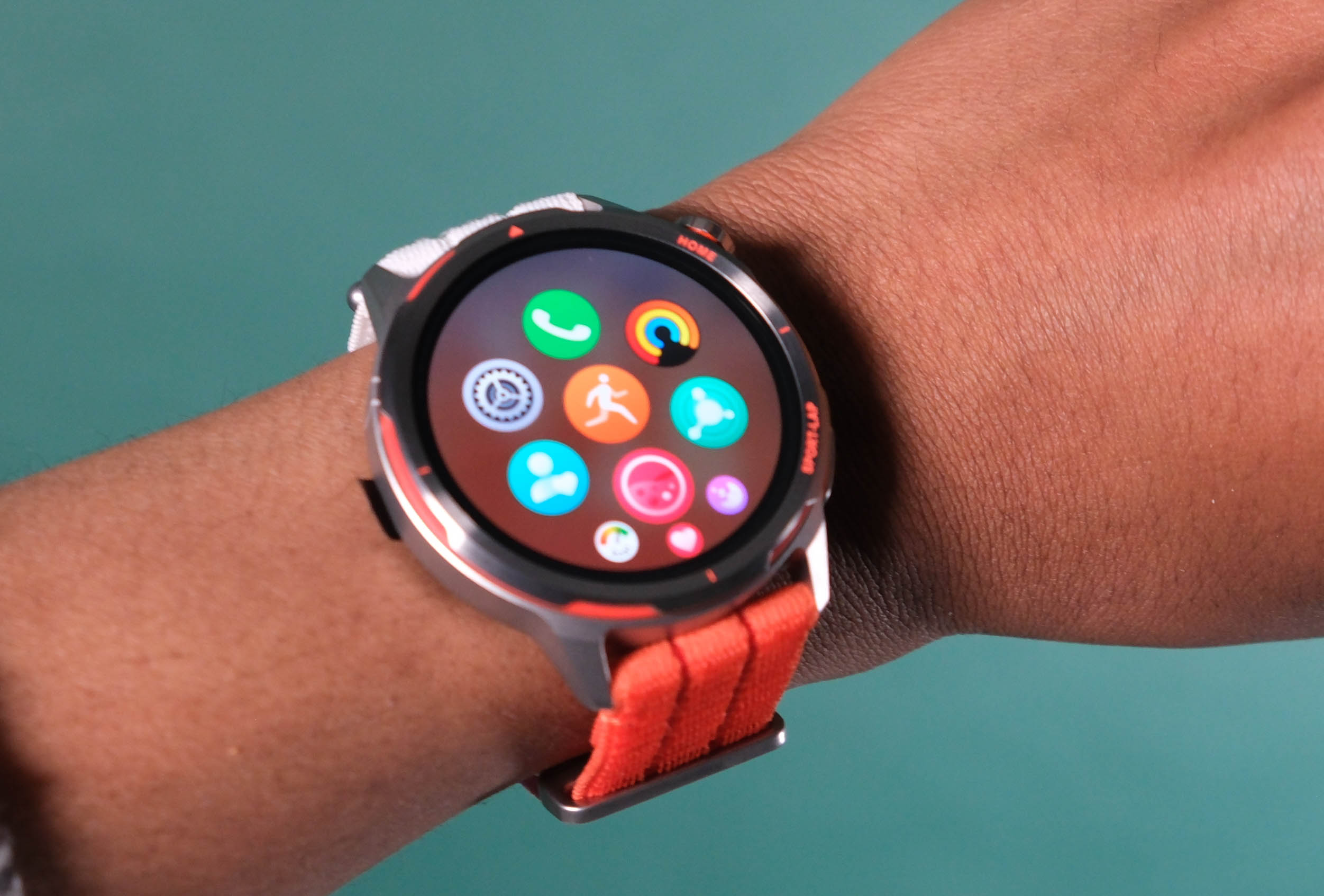 The watch’s running-form analysis was another feature that caught my attention.
It provides insight into aspects of your running that aren’t always obvious when you’re simply looking at pace, distance, and heart rate.
I’ve used several running watches, and this was one of the more interesting analytical features I’ve encountered.
For a runner who is already training consistently, this kind of information can add another layer to understanding how you run rather than simply how far you ran.
It isn’t a replacement for a coach or a proper biomechanical assessment, but it is useful feedback to have available.
It knows when you’ve started running
Another small but convenient feature is automatic activity detection.
If you start running without manually starting a running activity, the watch can recognise that you’re moving and prompt you to confirm whether you’re running or walking and whether you’d like to record the activity.
It’s not the headline feature, but it’s the sort of quality-of-life functionality that you appreciate when it works quietly in the background.
What I couldn’t really test
The GT Runner 2 also offers running plans. Unfortunately, this is one feature I couldn’t give a proper workout.
That’s not because there is anything wrong with the plans. I already follow a structured programme from my coach, so replacing that programme simply to test the watch’s built-in plans wouldn’t have made much sense.
For a runner training without a coach, however, this could make the watch considerably more useful as a standalone training tool.
The elephant in the room: TrainingPeaks
This is where my enthusiasm for the watch hits a wall. TrainingPeaks integration. I am coached through TrainingPeaks, so structured workouts form a central part of how I train. The problem is that I couldn’t properly connect the GT Runner 2 to TrainingPeaks in a way that allowed me to take the workouts prescribed by my coach and load them directly onto the watch.
That matters.
If my coach gives me a structured session, I’d ideally like that workout to appear on my wrist so that I can follow it without having to memorise the session or constantly check another device.
The other side of the equation is just as important: I want my coach to be able to see that I’ve completed the session. The GT Runner 2 didn’t give me that seamless TrainingPeaks workflow.
For someone who trains independently, this might barely register as an issue.
For a coached athlete whose training is built around TrainingPeaks, it becomes one of the watch’s most significant limitations.
Huawei Watch GT Runner 2 ultra-runner verdict
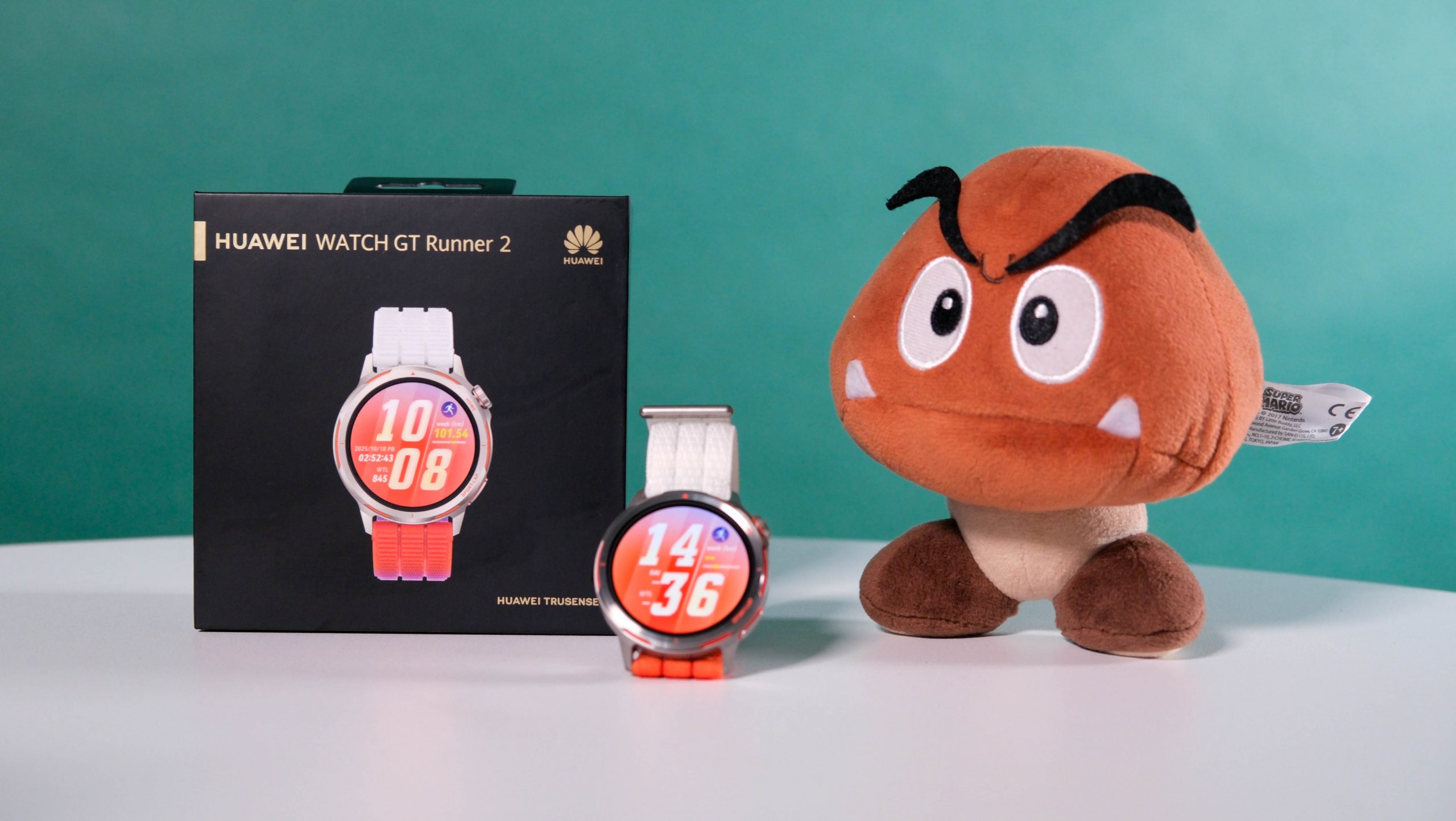 After more than three months, I came away genuinely impressed by the Huawei Watch GT Runner 2. Its biggest strengths are the things I value most as an ultra runner: battery life, race pacing information, ease of use, and useful running analysis.
The Reference Pace feature was particularly valuable during racing, giving me something that felt remarkably close to having a pacer on my wrist. The battery is arguably even more important.
After experiencing a watch dying with kilometres of Comrades still left to run, I don’t take long battery life for granted anymore. The GT Runner 2 gives me considerably more confidence that the watch will still be there when I reach the latter stages of a long race. It isn’t, however, the perfect watch for every serious runner.
The missing TrainingPeaks integration is a genuine drawback for athletes who rely on a coach and structured workouts through the platform. That’s not a deal-breaker for everyone, but for me, it prevented the watch from getting a perfect score.
I am Ayanda Khininda, a two-time Comrades Ultra Marathon Silver Medalist, with a personal best of 7h17 over 86 km. I started running Comrades in 2024 and have completed three Comrades Marathons to date, including two Silver finishes.
I tested the Huawei Watch GT Runner 2 for more than three months, using it for both training and racing across a variety of terrain, from road running to trail running.