
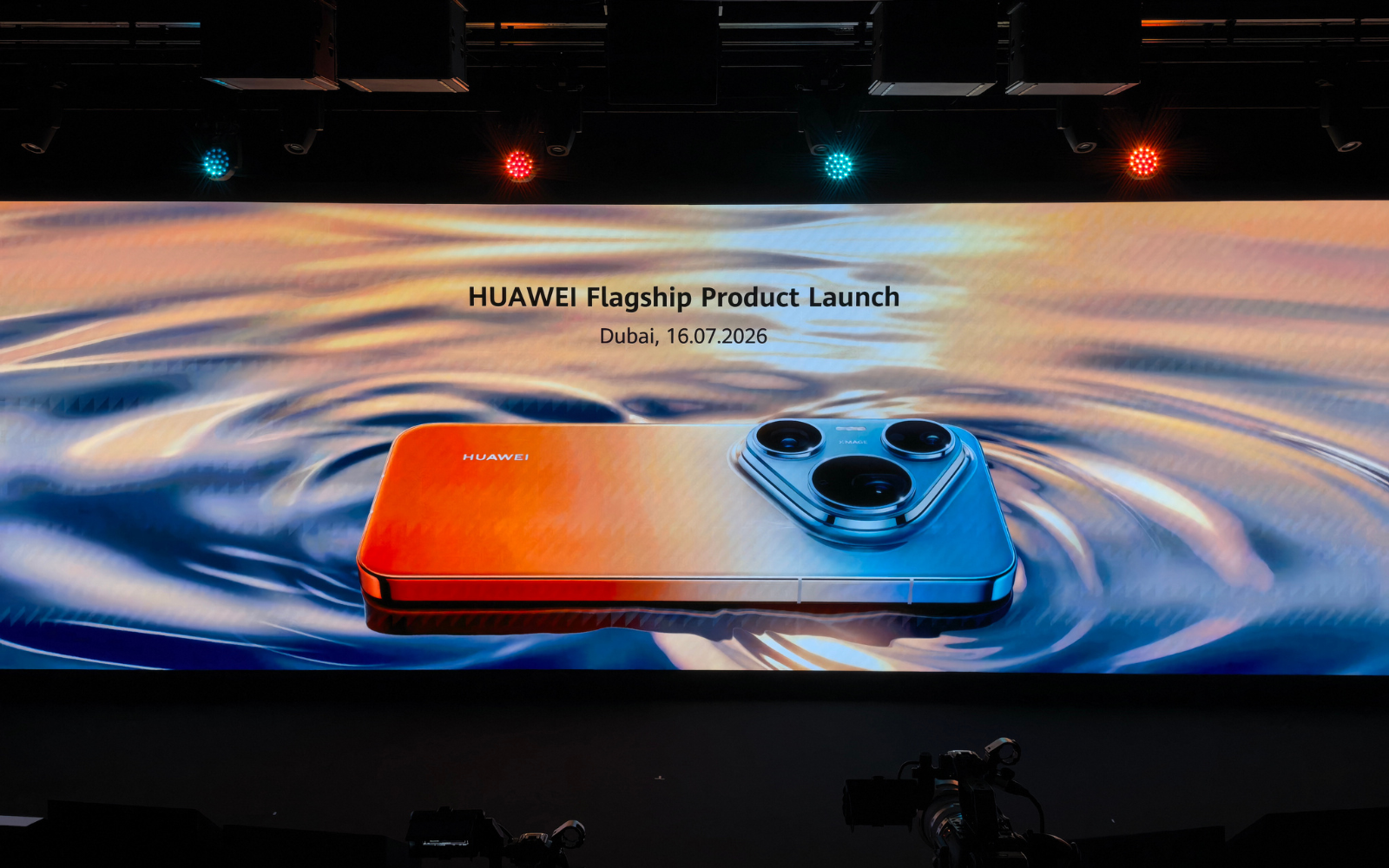
Hot on the heels of its global launch event in Malaysia, Huawei held its EMEA regional launch event today, where it introduced the previously launched Pura 90s Pro and Pro Max, a ‘new’ MatePad Air tablet, and the FreeClip 2 Special Edition open-ear earbuds.
There’s still no word on local pricing for the new smartphone range or earbuds, but we do know they should land in South Africa some time in the first half of August. They might be joined by the new tablet, too, but don’t get your hopes up.
Expect the Pura 90s soon
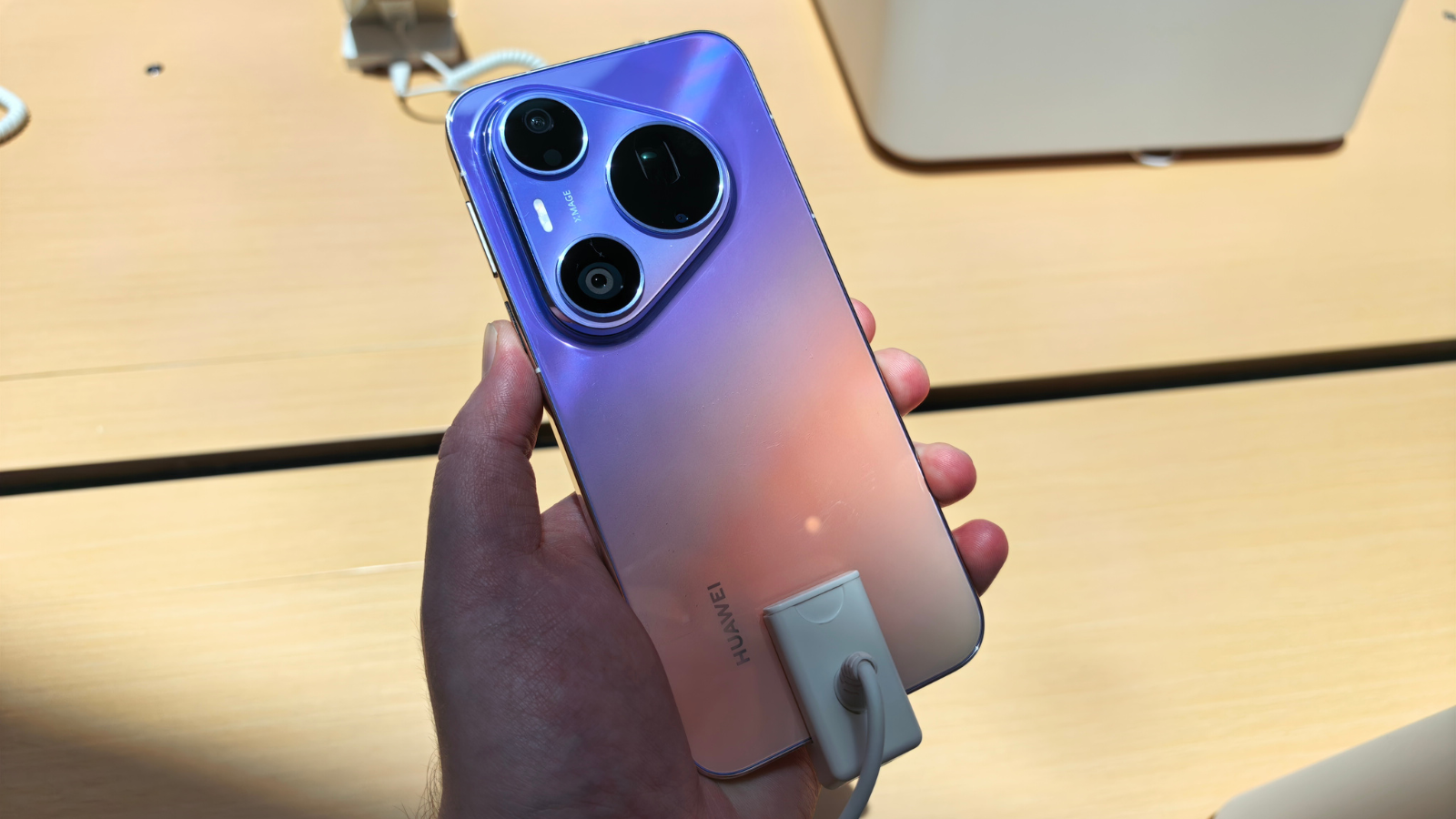
As we’ve come to expect from the Pura series (and the P-series before it), Huawei’s focus is on camera performance. The highlights for the Pura 90s Pro Max include a “200MP Ultra Large Sensor Telephoto Camera” backed by an industry-leading CIPA 7.0 image stabilisation rating. That isn’t Huawei marketing speak; it really is the best there has been thus far (insofar as ‘bigger number better’ can be applied). It means the stabilisation system can compensate for up to 7 stops of hand shake.
Elsewhere, the Pura 90s Pro Max features a 6.9in 2,880 × 1,308 OLED display, one of Huawei’s 5G-capable Kirin 9030S processors, and 12GB of RAM. The Pro gets 256GB while the Pro Max’s storage is doubled to 512GB. That’s true for both the Pro and the Pro Max. Both also pack a 6,000mAh battery. Unless you’re European, then you get less. For more details, look here.
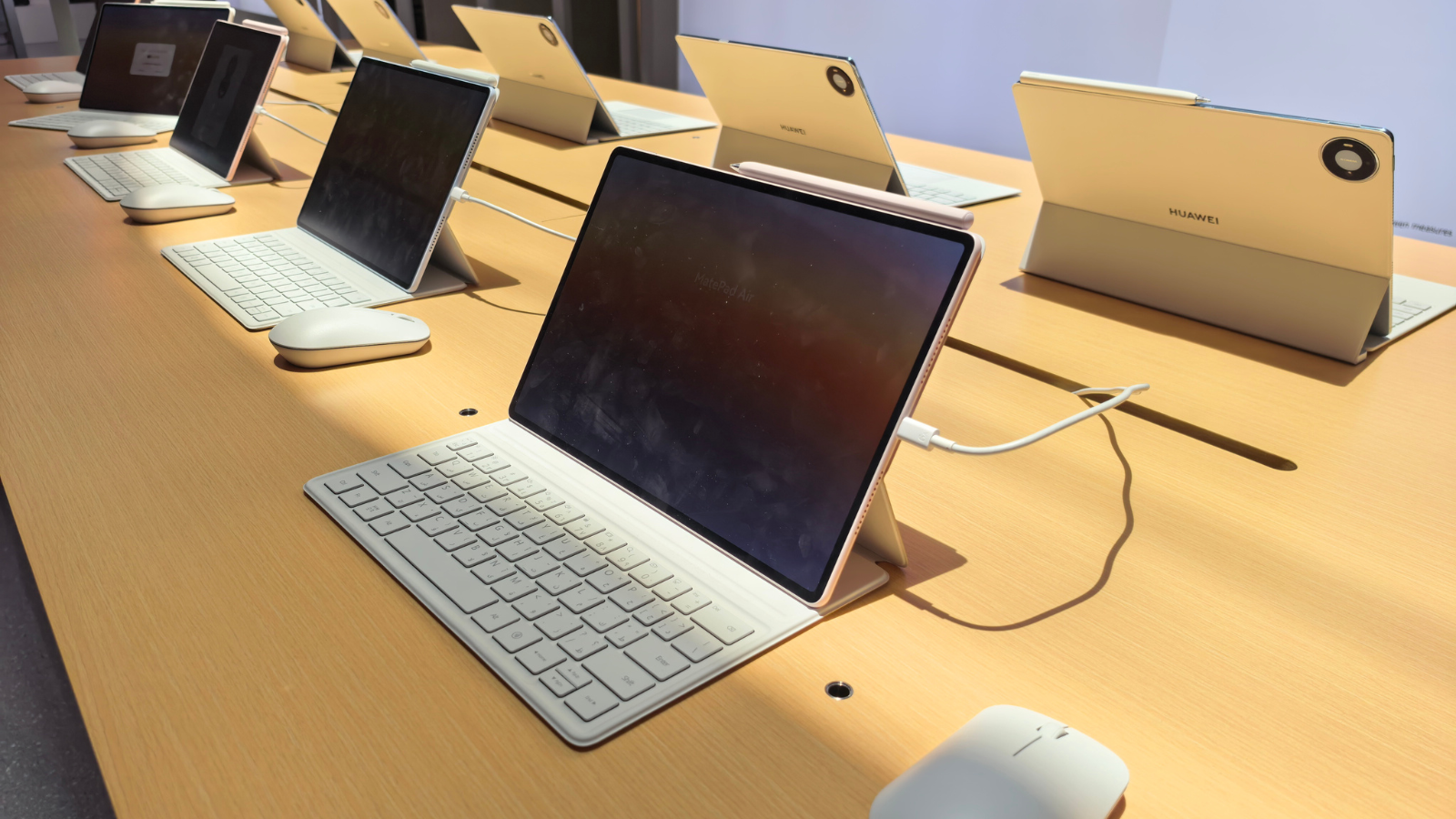
The new MatePad Air (2026) is closer to a refresh than a new product. The biggest change is a new display. It now features the same PaperMatte OLED panel as the more expensive MatePad Pro range, a first for the range.
Its matte coating should make it dependable for both productivity tasks, digital art creation, and reading. If you prefer your display uncoated, Huawei will still offer the new MatePad Air without the PaperMatte coating. You can find all the specifications here if you’re hopeful it will turn up in SA.
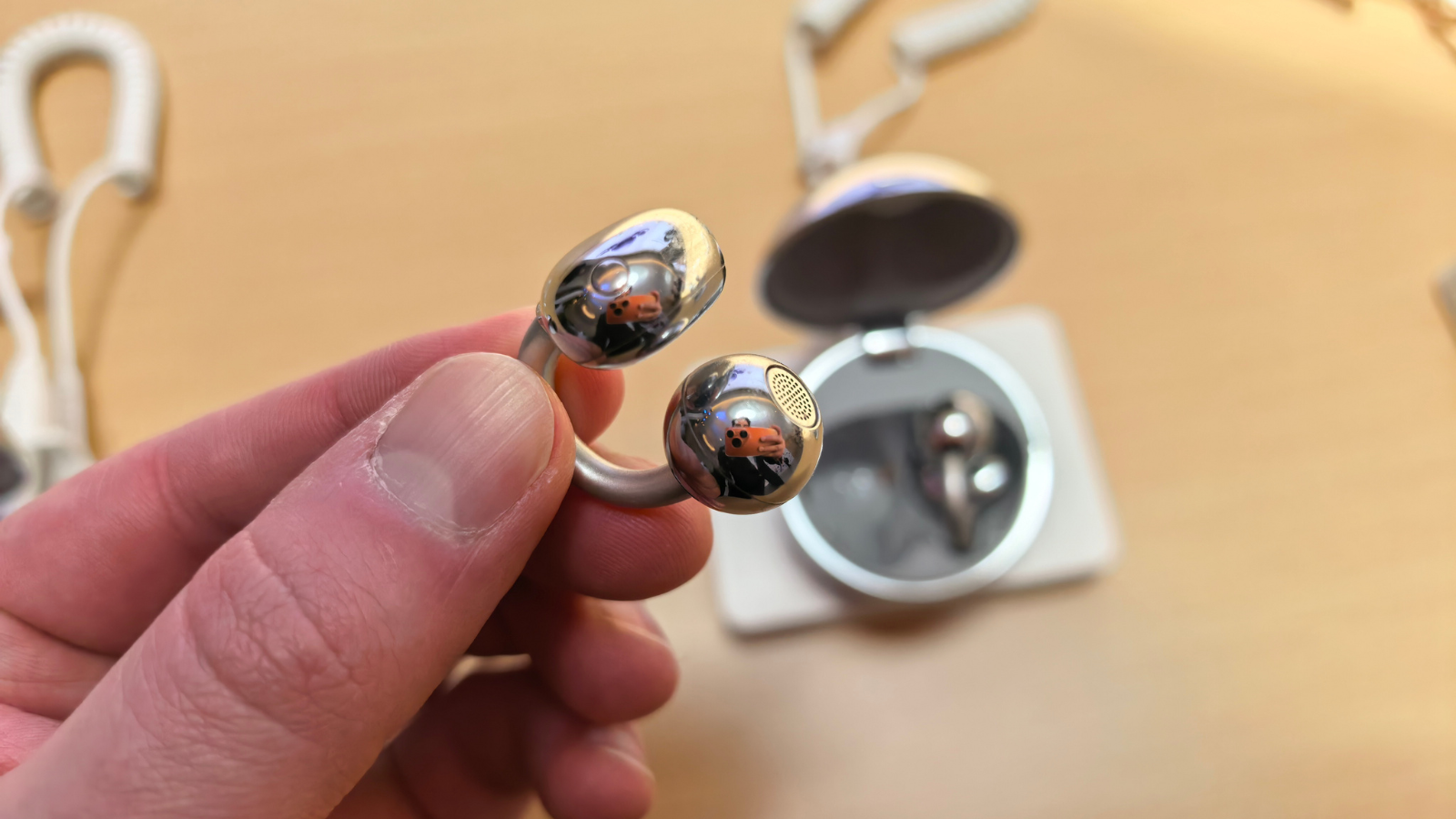
The FreeClip 2 Special Edition might have an unnecessarily long name, but they also offer some genuinely interesting features. Take Huawei’s third-generation audio chip with a dedicated NPU, for example. It means the buds support real-time awareness for adjusting the volume during calls dynamically, like increasing the volume when you walk past noisy construction. That should prove useful, considering the buds don’t have any noise cancellation smarts. You also won’t need to remember which earbud goes in which ear; they’ll ‘just know’.