
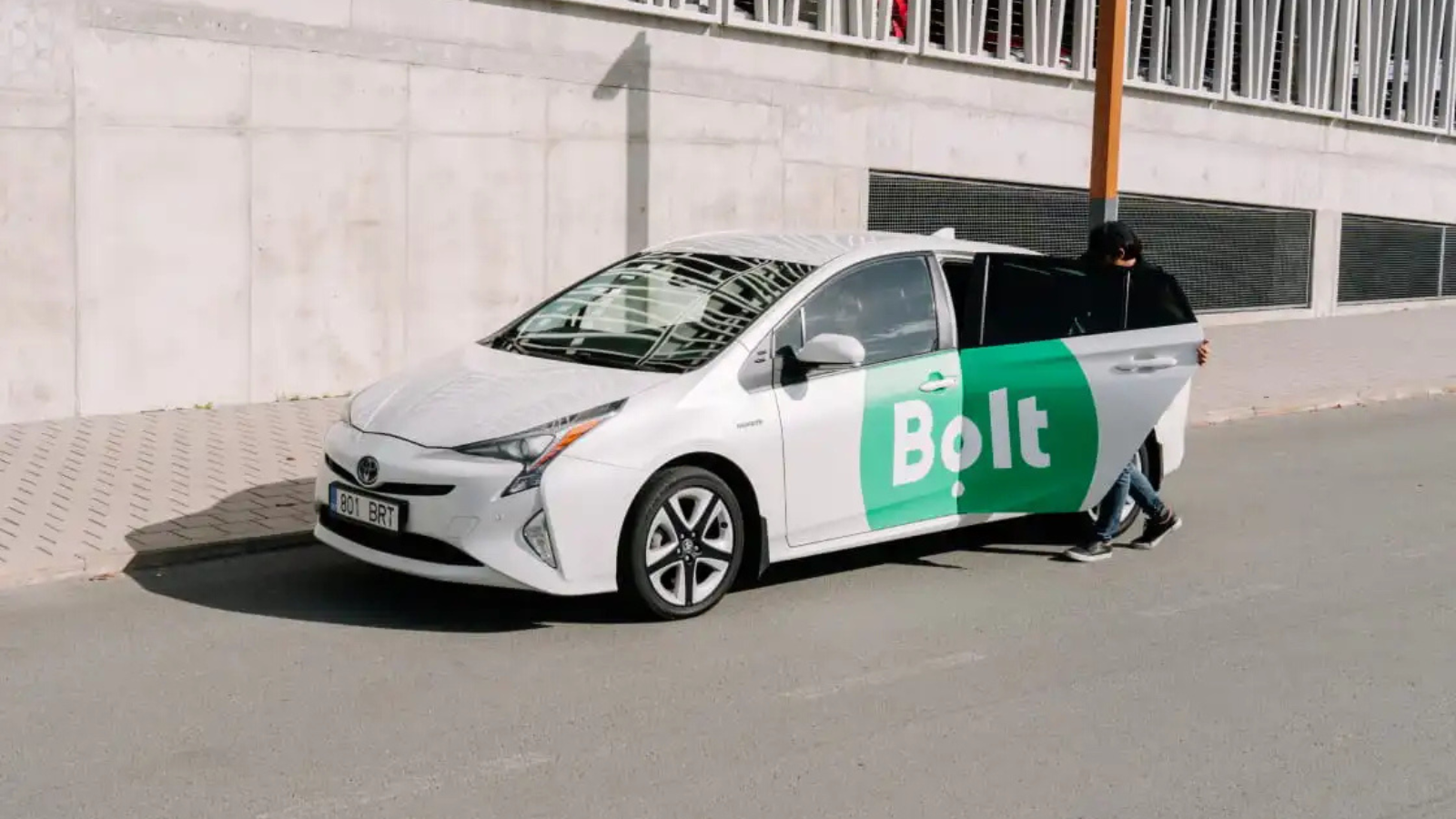
Bolt was never really going to compete with Uber for the #1 spot in the e-hailing scene in South Africa, but the company’s latest changes have now set its operations to hard mode. Passengers hoping to secure a ride via Bolt must now hand over their ID number and a selfie before they can do so — all in the name of safety.
ID or goodbye
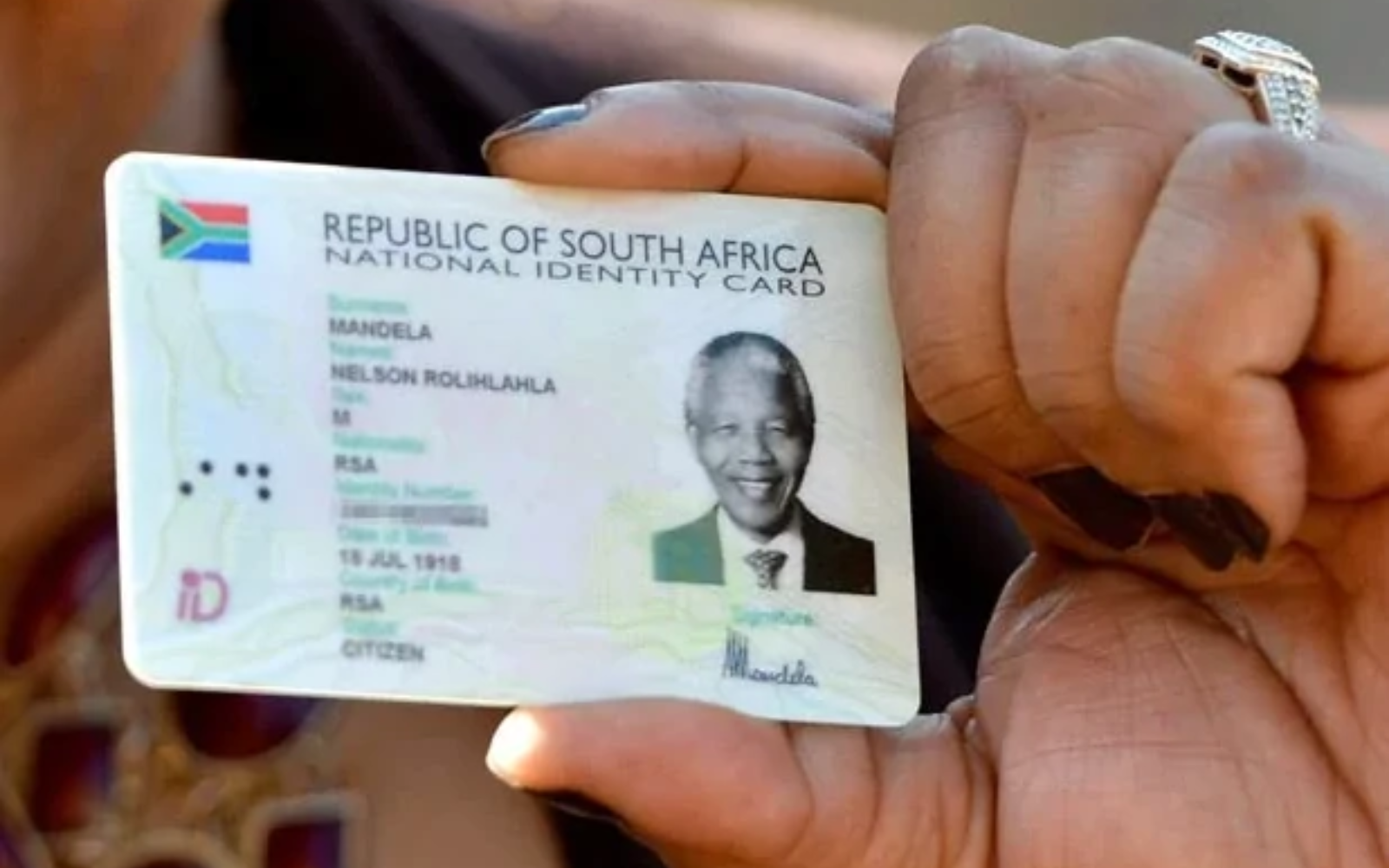
Users unwilling to part with their ID number and good looks (for free, anyway) — and we’re guessing there’ll be a fair few who don’t — can jump ship to one of the other such e-hailing services. Bolt announced the changes at its inaugural Rider & Passenger Safety Summit in Johannesburg. The requirement will roll out gradually in the coming weeks. Riders can voluntarily hand over their deets in the meantime, though why they’d want to…
Bolt isn’t jumping into these changes just because. It’s working off research findings from the ‘Ride-Hailing Safety Index Report’ conducted by Ipsos and commissioned by Bolt itself. Its results weren’t all that surprising.
Safety is a key factor that influences how the average Saffa moves around, “with 90% of respondents saying they had chosen ride-hailing because it felt safer than other transport options, 92% saying they feel safer using ride-hailing when travelling at night,” and 96% agreeing that in-app safety features make e-hailing safer.
“The enhanced verification process forms part of Bolt’s ongoing efforts to strengthen platform safety, improve accountability, and support compliance with South Africa’s National Land Transport Act (NLTA) regulations,” Bolt said.
“Expanding rider verification is an important step in strengthening accountability on the platform because accountability is enhanced when users are verified and identifiable.”
Read More: Uber’s plans to put 300,000 new motorcycles on South Africa’s roads
The findings have justified Bolt’s push to require riders’ personal information en masse. If these aren’t enough to sway users from Bolt, the company has at least made submitting the information quick and painless. Punch in your ID number, snap a quick selfie, and you’ll be verified in a few minutes. If the system can’t immediately verify the user, they may be asked to upload an identity document for “additional verification.”
“The process is supported by a trusted verification partner and includes verification against records maintained by the Department of Home Affairs, helping to ensure that riders are accurately identified and accountable when using the platform,” the ride-hailing company wrote.
It’s still unclear who the “trusted verification partner” is. On the one hand, not putting the company in the spotlight with a sign that essentially says “free identification data found here!” is a good thing. On the other hand, asking users to willingly give up their details to a faceless entity that inspired those cybercriminal stock images doesn’t feel all that great, either. Users too hooked on Bolt will have little say in the matter.
“In South Africa, Bolt will continue investing in safety innovation, passenger education, stronger partnerships with regulators and law enforcement, and initiatives that improve trust, accountability and safety across the ride-hailing ecosystem.”