

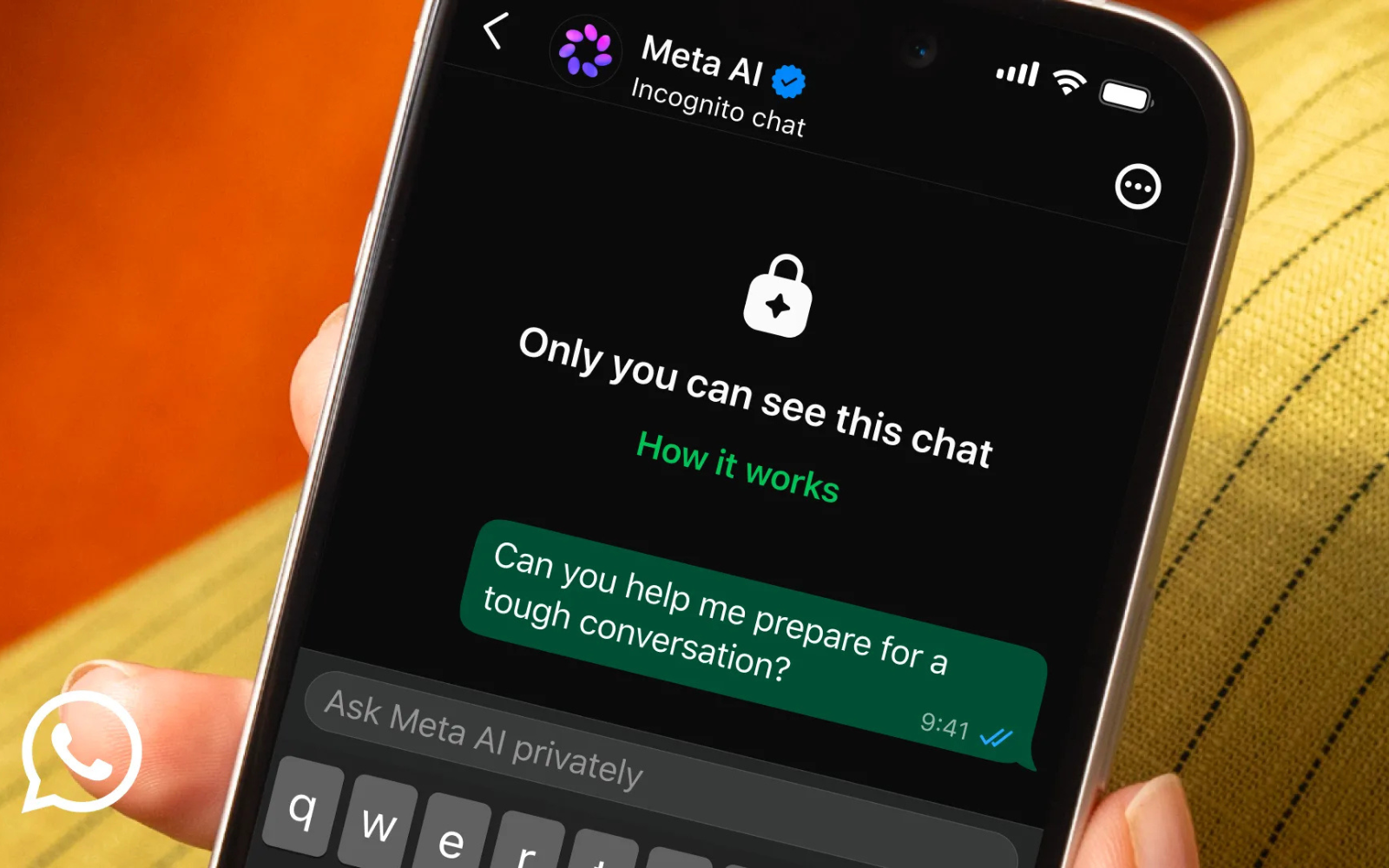
If you were under the impression that all those messages sent to WhatsApp’s Meta AI chatbot in the last two years weren’t being read by some underpaid intern, think again. The Meta-owned messenger said as much when it first rolled out the chatbot, confirming it was being trained on everything it received. Now, it’s going incognito.
“Meta, what’s the name of the cat in Garfield?”
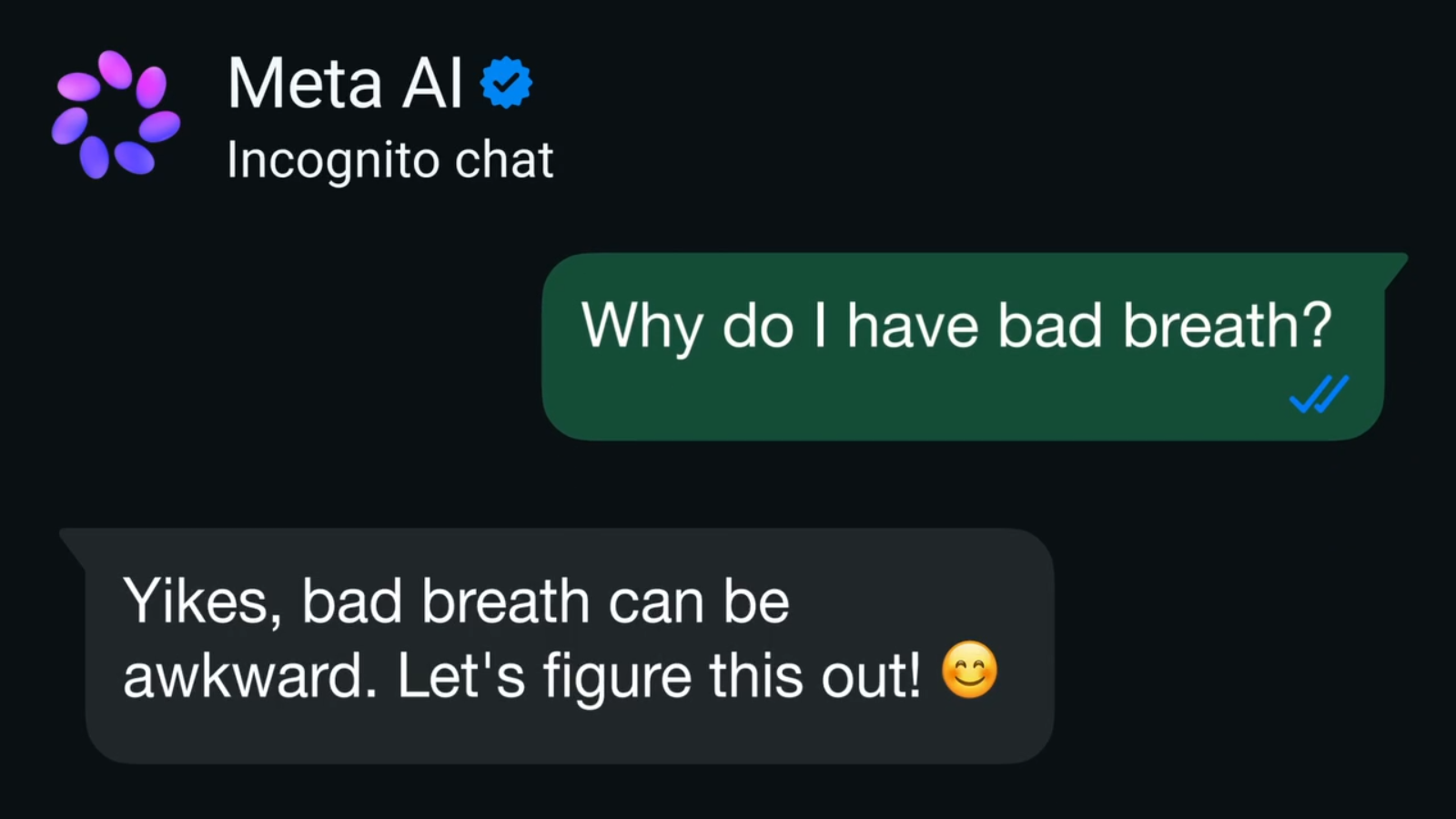
“Chatting with AI has quickly become a critical part of how people get information and ask important questions. And many of these questions can be deeply sensitive, or include situations where people are including private financial, personal, health or work data with their questions.”
This way, your chats with the artificially, er, intelligent bot can’t be read by anyone, thanks to end-to-end encryption. Not even WhatsApp, if you believe that (P.S. — not everybody does). It’s all built on WhatsApp’s Private Processing tech that sits behind your personal chats, too, which ensures your private chats remain so.
Read More: Your old Android phone may not support WhatsApp for much longer
On the surface, this seems harmless. People who rely on the chatbot to process their personal information can rest easy knowing that their chats — going forward — are encrypted. ‘Incognito Chat’, as it’s known, is purely temporary. Messages will disappear, and conversations are not saved by default. We’ve yet to try out the feature as it hasn’t yet landed on our personal Android device. This suggests Meta has opted for a gradual rollout.
We’re less excited about the new ‘Side Chat’ feature WhatsApp slipped into its announcement. Arriving in the coming months, Side Chat will give you “private help with any chat.” Indeed, your personal chats, too, if you allow it. The bot supposedly won’t interrupt the flow of the conversation, but will get insight into what’s being discussed. This is to help it generate better answers. It, too, is built on WhatsApp’s Private Processing tech.