
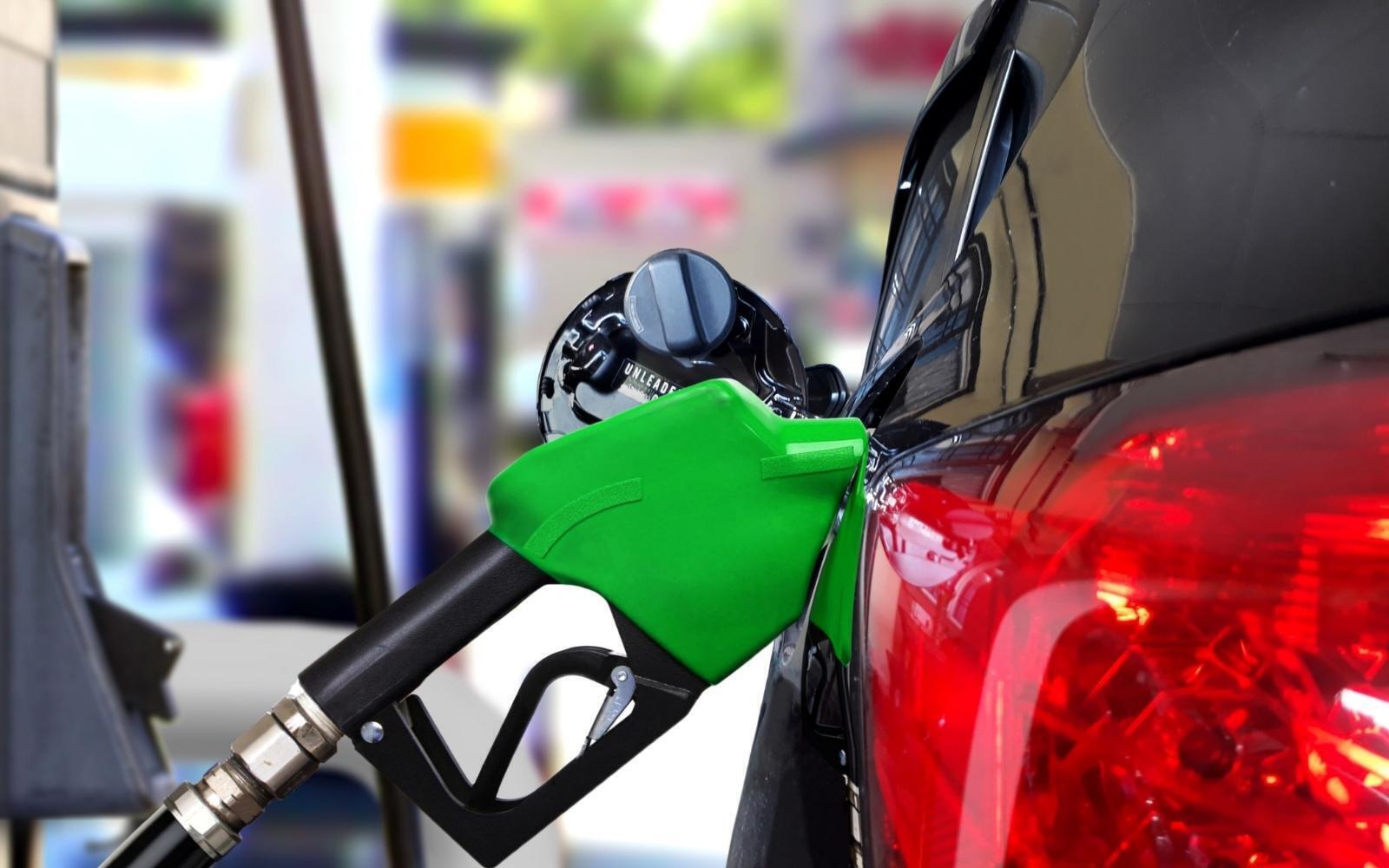
If one thing is certain, it’s that South African drivers are facing another round of fuel price increases. The Central Energy Fund (CEF) reckons motorists are in for a nasty shock come May, with diesel drivers facing another major increase. To help ease the pressures introduced at the beginning of April, South Africa saw a R3/l cut to the general fuel levy. Now, it looks like the country could keep that reduction around a little longer.
Better than nothing, right?
That’s according to a report from Bloomberg, which claims South Africa has “enough fiscal space to extend a fuel-tax cut by two months to cushion consumers from an oil shock triggered by the Iran war…” If Citi economist Gina Schoeman is to be believed, the extension could cost South Africa’s government between R10 and 12 billion.
“We can see a staggered reduction of the fuel price levy for at least another month, if not another two,” Schoeman said. “That is certainly feasible in terms of fiscal space,” she continued, noting increased funds from mining taxes and contingency reserves to help pull it off. Whatever it takes, man. Just get that fuel price down.
Read More: Petrol price outlook for May eases, but motorists still face another costly month
The government estimates that Finance Minister Enoch Godongwana’s stunt has already cost the country around R6 billion in tax revenue. At the time, it noted that the “relief measure will be reevaluated on a monthly basis for the following two months.” That should at least buy motorists some time after the coming fuel price hikes.
“Treasury wouldn’t want me to say this … However, it’s a yes. They do have space and flexibility to pause the fuel levy or continue the relief for even three months [April, May and June],” Schoeman continued (via MoneyWeb).
After that, however, we may well be on our own. Even if the government cannot sustain this R3/l levy fuel price cut for much longer, it also confirmed that it was busy building a “broader package of measures” that would help sustain households and ‘key sectors’ of the economy through the coming price hikes. We’re not just talking petrol. With oil prices spiking globally, it’s likely to inflate prices everywhere. Food and rent prices included.