

There are a few things genuinely terrifying about living in Africa, and one of those is the proliferation of venomous snakes. If a black mamba or boomslang gets you, you’d best hope there’s someone nearby with a package of antivenom.
But it’s a pain in the backside to make (horses are involved) and isn’t always terribly effective, even when it is on hand. Danish researchers at DTU (Danmarks Tekniske Universitet) Bioengineering seem to have hit on something useful for the African market — a nanobody-based antivenom.
A round of antivenom, please
The researchers recently published a paper in Nature dealing with their “nanobody-based recombinant antivenom for cobra, mamba and rinkhals bites,” detailing how the group’s new broad-spectrum product beats out the traditional method of creating snake-bite medication. For starters, the product uses “phage display technology” to essentially copy antibody fragments (called nanobodies). These are later produced at larger scales without having to muck around immunising horses and harvesting antibodies.
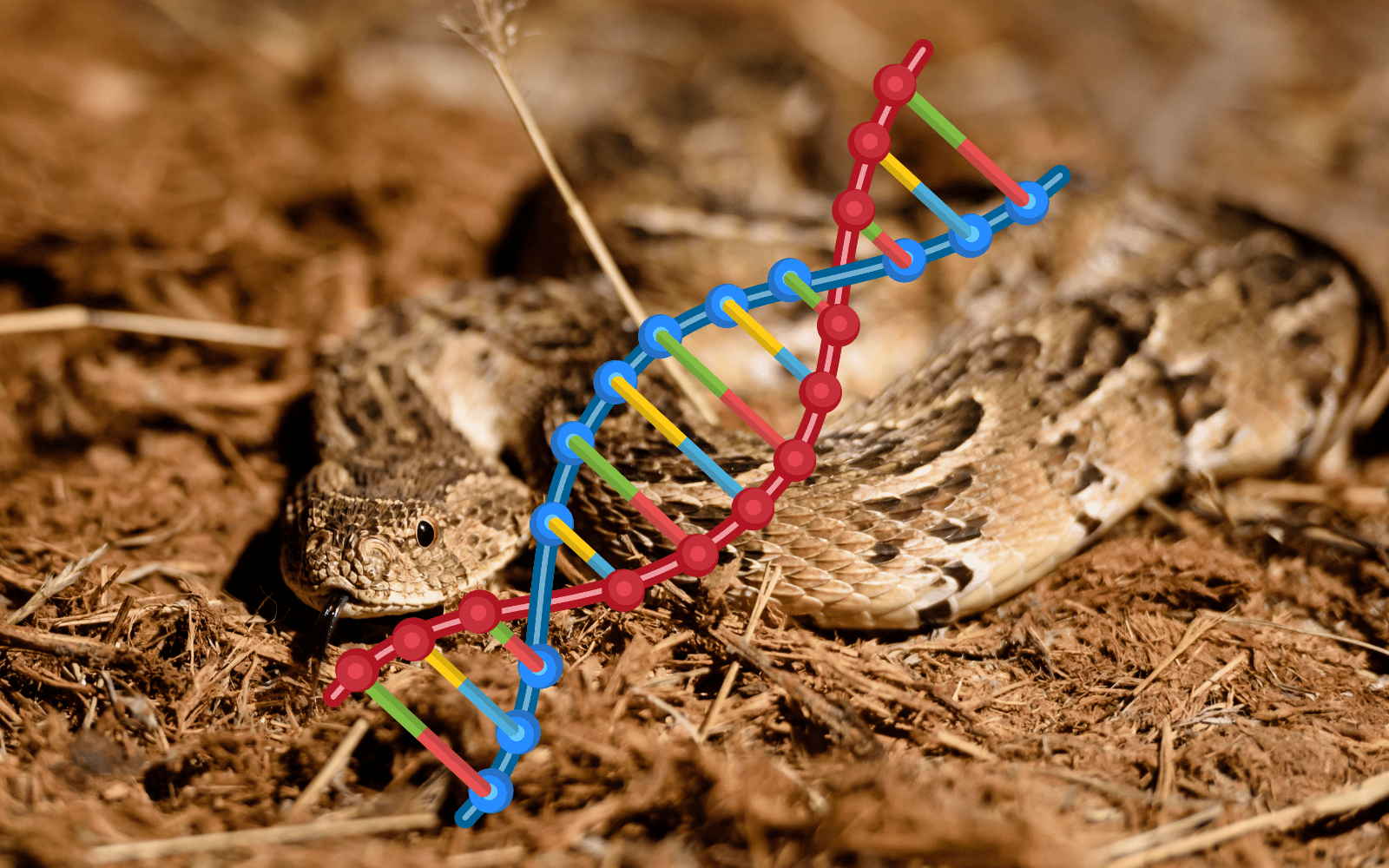
Instead, there are camels involved. No, really. Camels produce the nanobodies that are copied and distilled into a mixture that should work on seventeen species of Africa’s nastiest slithering reptiles. The puff adder, members of the mamba, rinkhals, and cobra families are included in this list.
The antivenom, when tested in a lab setting, neutralised the venom of all but one of the eighteen species tested — “one of the green mambas,” according to Phys.org. Since there are only two of those, try to avoid them until the DTU researchers can get their product to market. First up, though, is human testing.
The nanobody-based antivenom hasn’t been tested on people, since some fine-tuning is still needed. Some venom types aren’t entirely alleviated (the black mamba and forest cobra, specifically), and the product, in some cases, is less effective when given after a snake bite. But the signs are that the nanobody-based product will be cheaper to produce, will protect against tissue damage better (some venoms, like the puff adder, contain cytotoxins that cause necrosis), and will protect against a range of African snake species’ bites.
The timeline for human trials is in the next two years, with a final product appearing, if all goes well, within the next four. Try not to annoy any African snakes until then, yeah?