
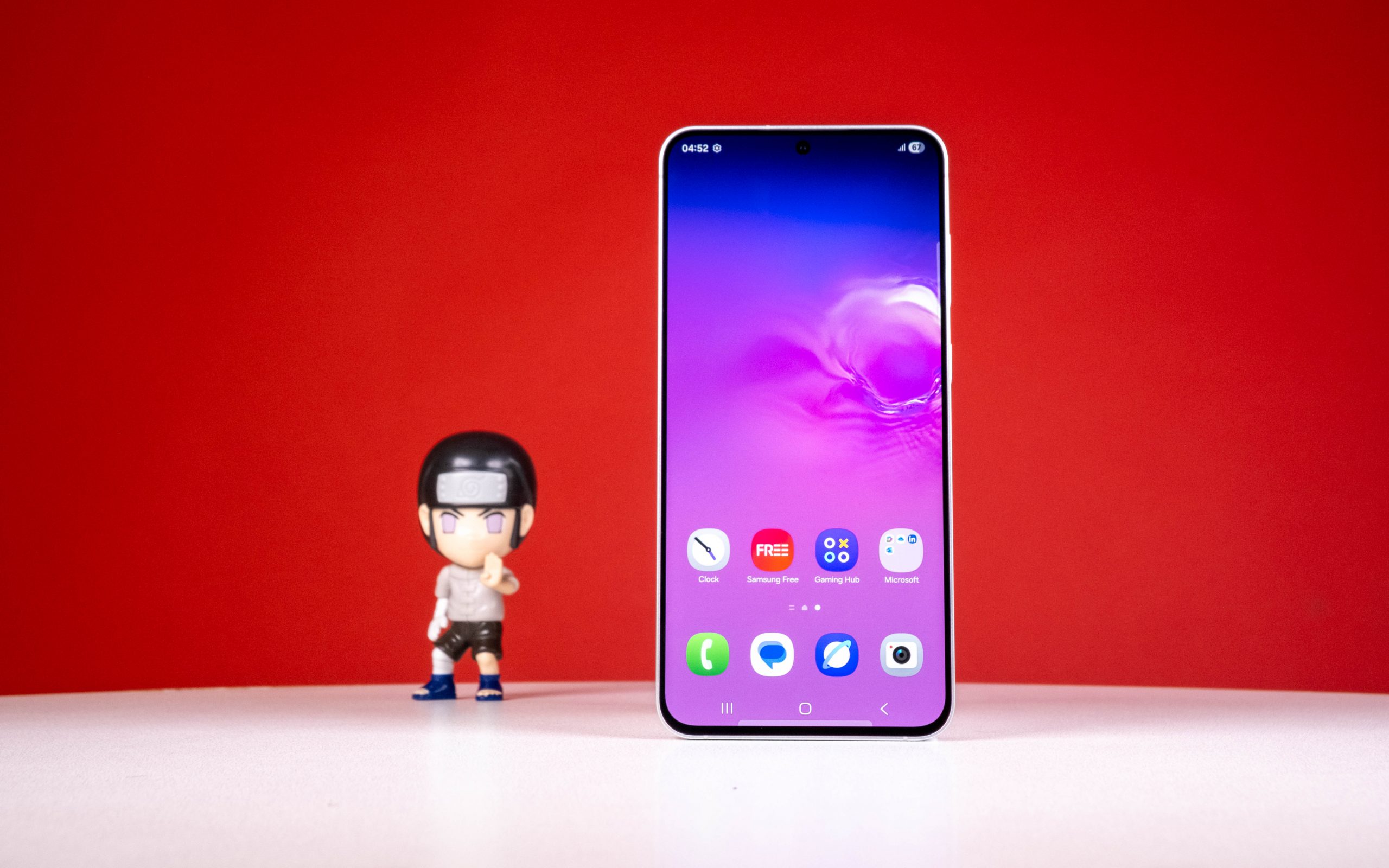
The Galaxy S25 FE, like many of Samsung's phones from the past four years, is more incremental than we'd like. That said, there's plenty to like, whether you're coming from older hardware or are just not keen on spending over R20,000 for something more premium from the South Korean company. The S25 FE will serve admirably for most users. Whether you're fine with that, or would prefer some overkill, is up to you.
-
Design
-
Performance
-
Battery
-
Display
-
Camera
-
Value
In 2025 AD, if you’ve seen one Samsung S handset, you’ve seen them all. The Galaxy S25 FE, the littlest of the litter, is no exception to this aphorism. There are two sides to this tendency. First, everything has looked a bit samey for a while, but, second, it does mean you can buy something that looks like the Galaxy S25 main line at a fraction of the price.
South Africa has two versions of the S25 FE, with storage being the only metric setting them apart. The 128GB version costs R15,000 outright, while the 256GB bumps the price up to R16,000. We’d recommend the second. Either way, it’ll be tough to tell apart from the stock Galaxy S25.
Family resemblance
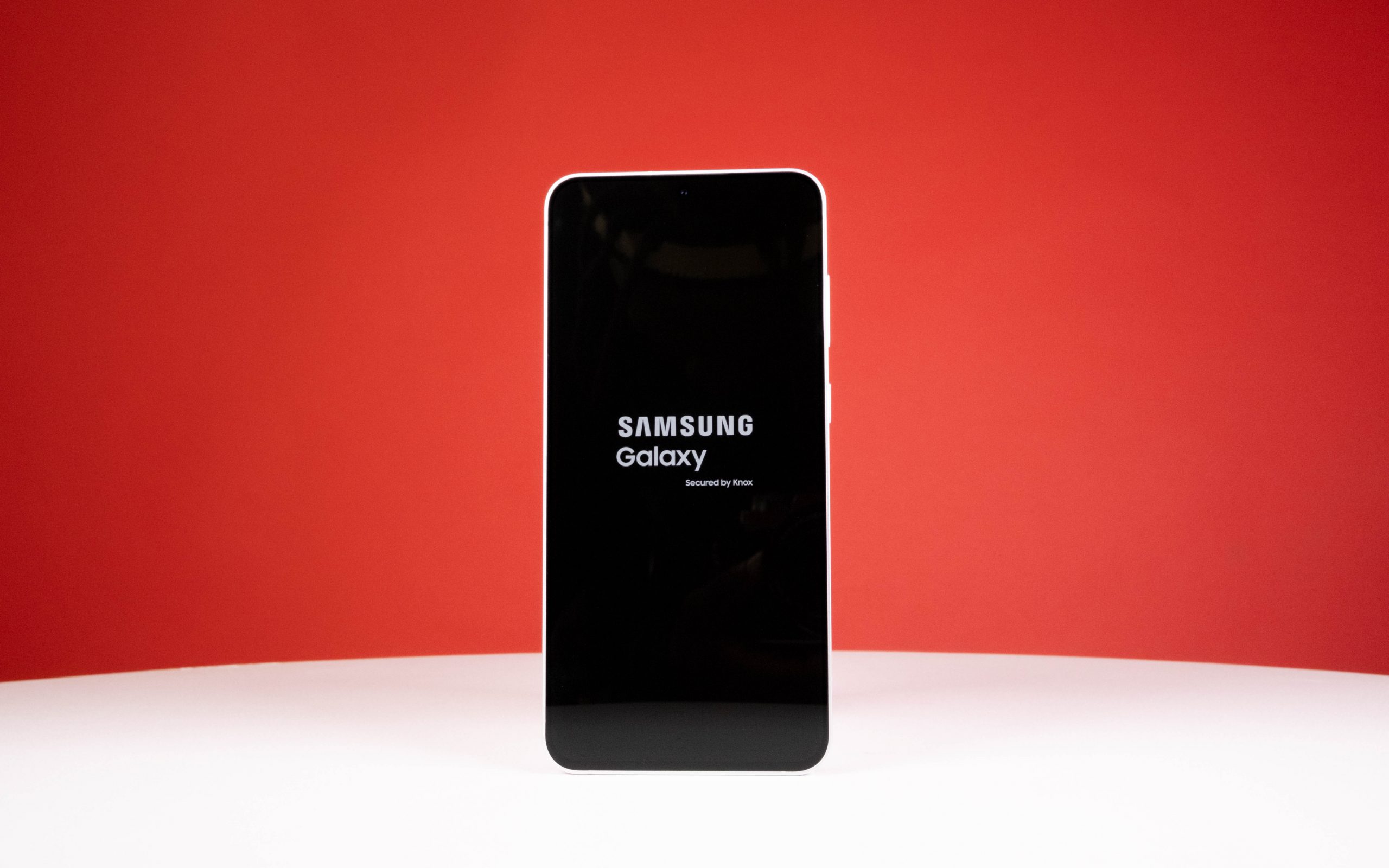
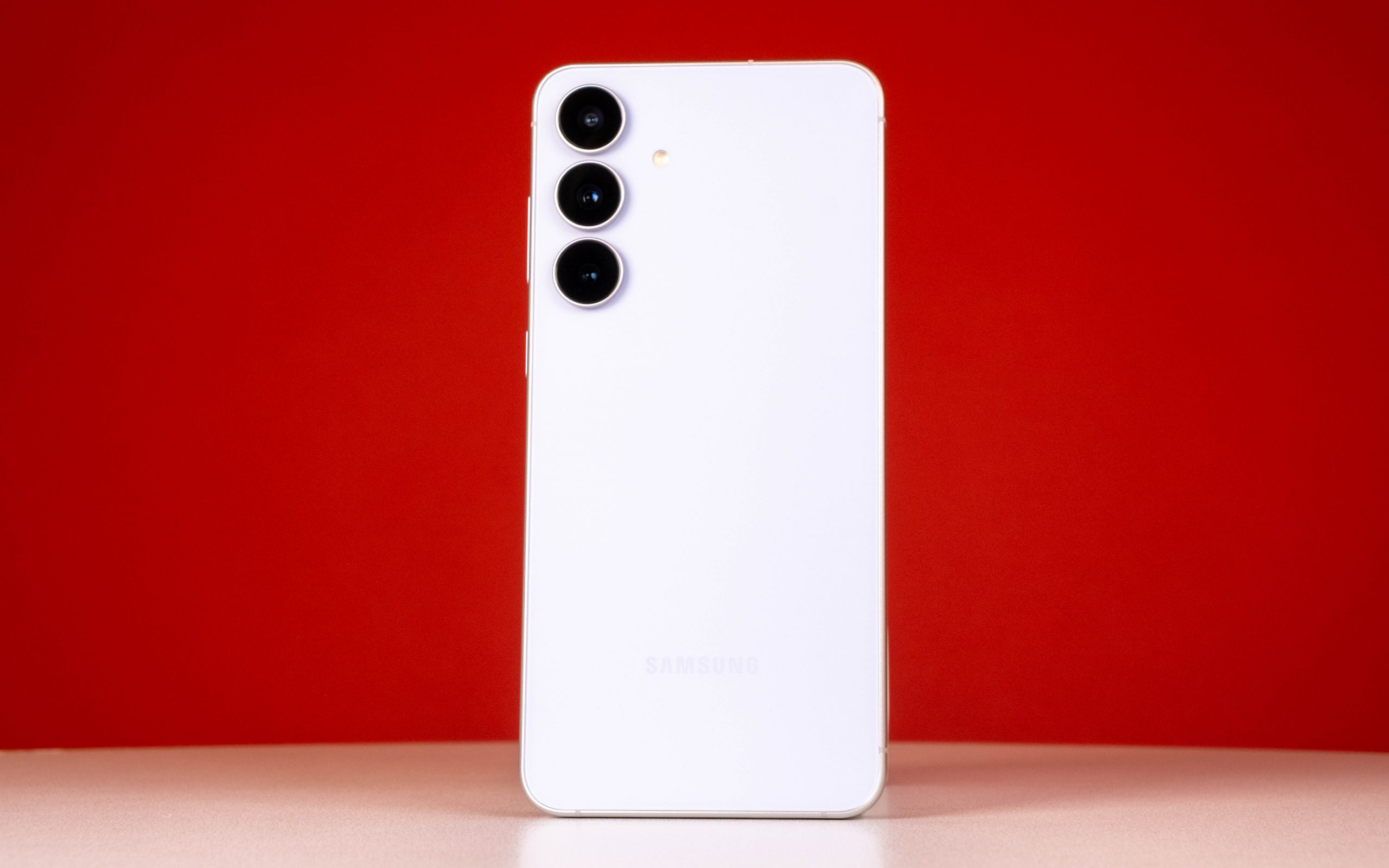
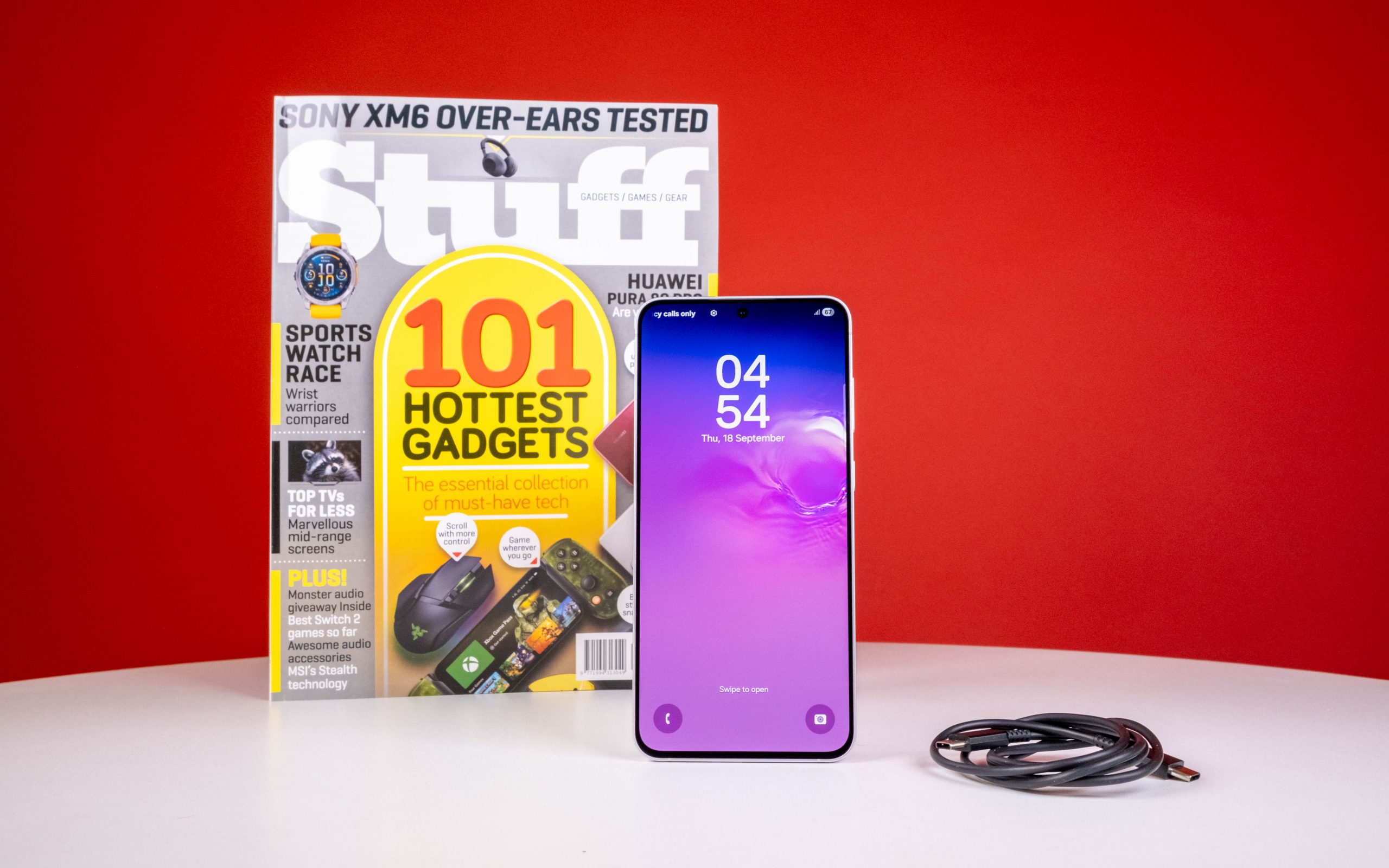
That’s hardly a bad thing, even if it’s a familiar one. Samsung’s stuck a 6.7in 1,080 x 2,340 AMOLED panel on the front, capable of 120Hz refresh rates and 1,900 nits of peak brightness. It’s tucked behind Corning’s Victus+ glass, and the backing section is almost identical to the S25+, in particular.
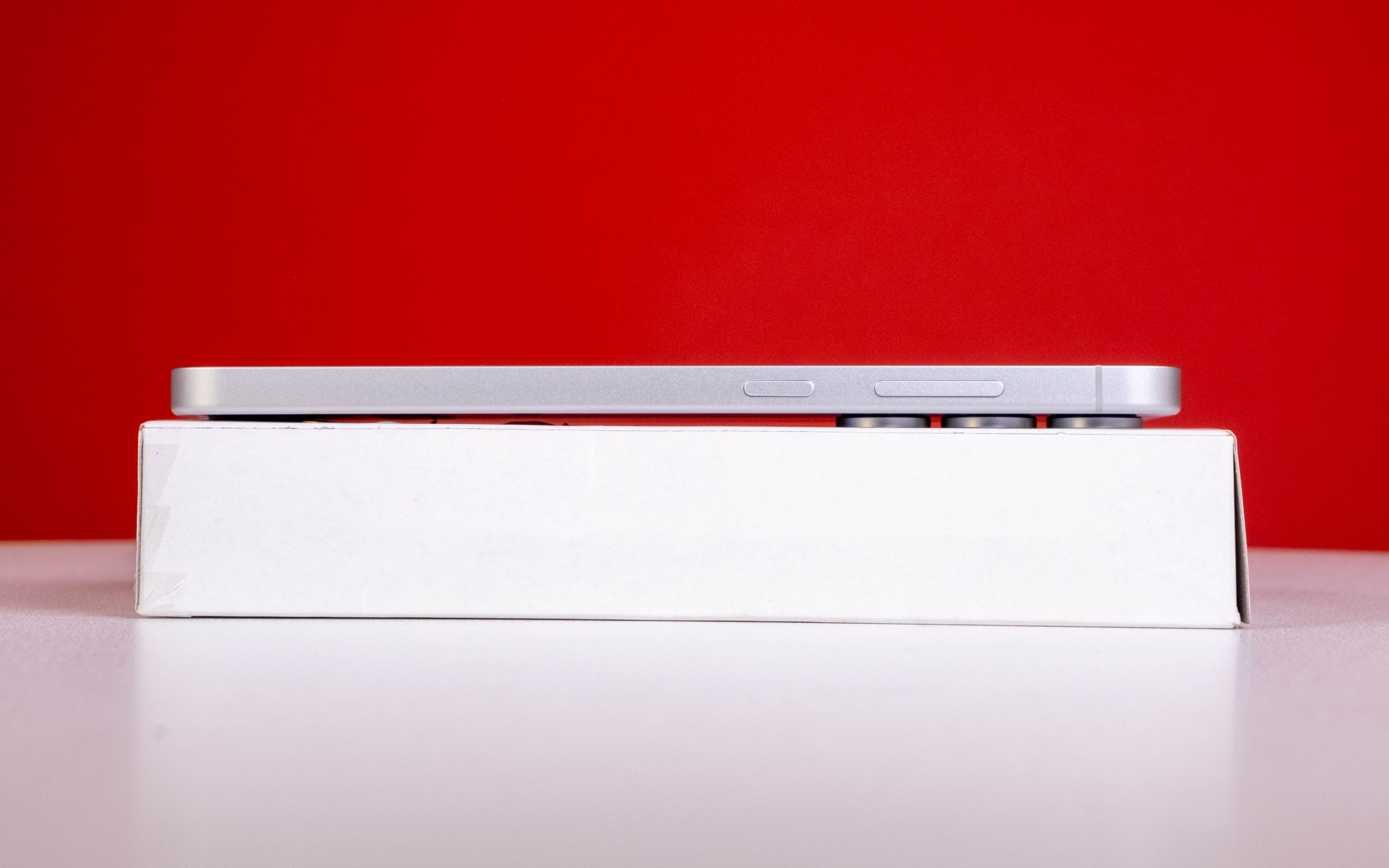
All of the buttons and ports are in the places Samsung tends to put them, and the camera area on the rear has dispensed with the island that was popular last year. A fingerprint sensor lives under the display, and the IP68 rating has stuck around. Since it’s also in Samsung’s A-series handset, it bloody better be in the S25 FE.
Like we said, if you’ve seen one Samsung, you’ve seen them all. But it’s what’s on the inside that counts.
Inner pieces
 When comparing the Galaxy S25 FE with its pricier counterparts, you’ll note that you’re getting… less. And at least a few thousand off the asking price, which might make the cutbacks easier to swallow. The two storage options in South Africa both feature 8GB of RAM. That’s almost paltry in 2025 but should still get the job done.
Samsung’s own Exynos 2400 chipset powers this year’s FE and represents a better experience than the S24 FE managed. New year, new tech, and all that. But if you’re looking for flagship speeds, you won’t find them here. There’s not much in the Android world that can compete with Samsung’s Snapdragon implementations, and this upper-mid-ranger is among those that lag behind. Still, if you’re a regular person doing regular things with your smartphone, there won’t be cause for complaint. If you’re the type to brag about your benchmark scores, though, it’ll be a plan to save up some more money and splash out on one of the big(ger) boys.
The 4,900mAh battery uses Samsung’s 45W wired charging to top up, which you’ll do at least once in a 24-hour period. That top-up might be just before you leave for school or work, in which case bank on an hour-and-a-half of charging time. You’ll have to ding the processor pretty hard to run it down before supper time after that. It’s possible, but you probably won’t manage it every day.
Snap decision
 Another place you can expect price-related compromise is the camera array. The front-facer is a 12MP effort that should, when combined with Samsung’s software smarts, produce serviceable selfies. It’ll keep your mug on social media in ways that aren’t objectionable.
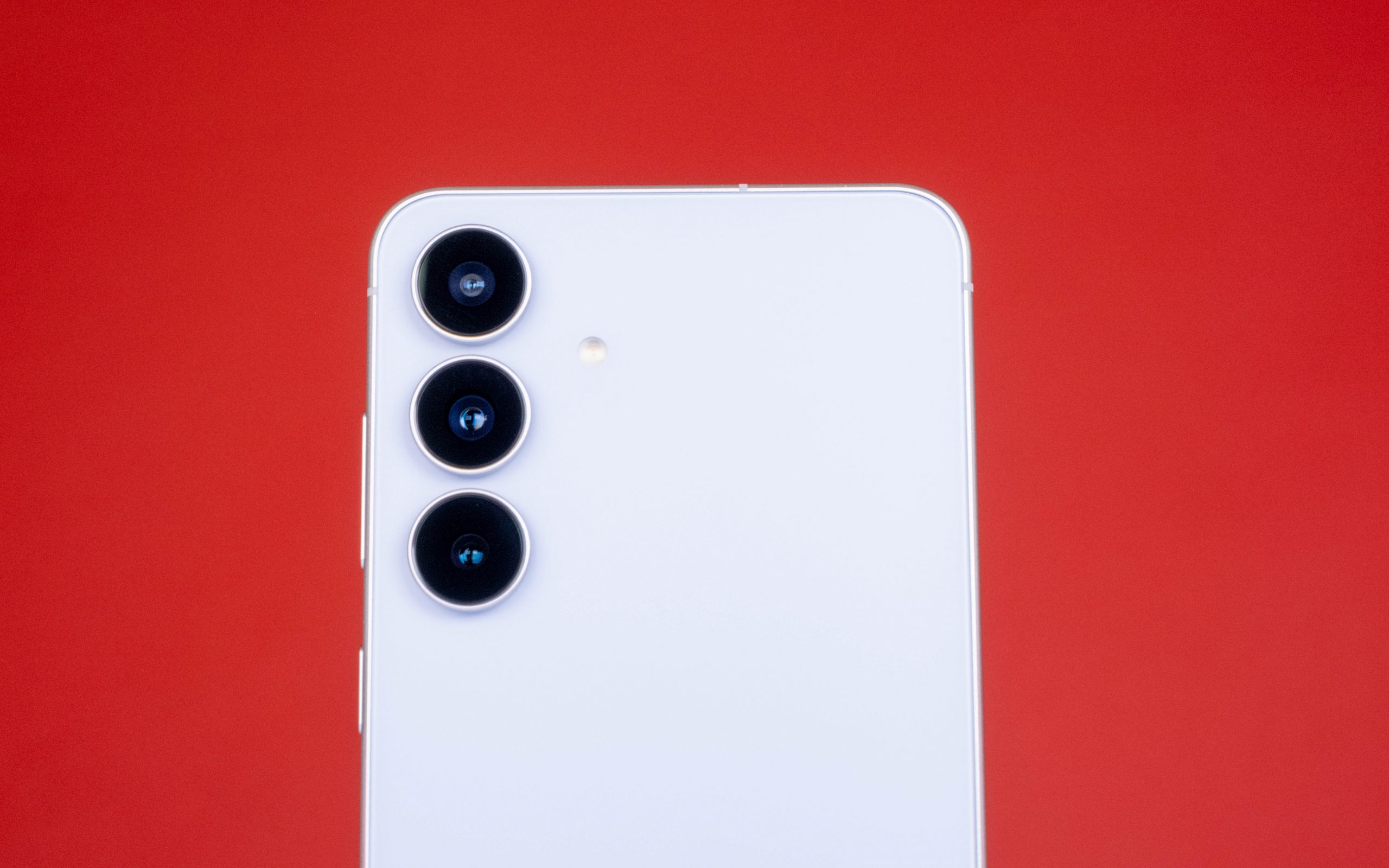
The rear might look like the main Galaxy S25 range, but Samsung has stripped back a couple of the sensors to make up for the price difference. The main is still a 50MP f/1.8 with optical image stabilisation, but the two supporting sensors are a mere 8MP 3x telephoto and a 123° 12MP ultrawide. Those numbers might look familiar — that’s because they are.
The camera performance is identical (for the most part) to that of the Galaxy S24 FE, for one simple reason. The camera sensors have not changed at all from last year. If your reason for upgrading is better snaps, you won’t find that reason lurking inside the S25 FE. If you absolutely must dissect the performance here, we broke it down last year. Slightly more refined software has led to some improvement, but that’ll probably trickle back to the S24 FE if it hasn’t already.
Soft? Where?
Samsung’s operating systems have long been slick affairs, and OneUI 8 is no different. The S25 FE’s implementation remains one of the slickest non-vanilla Android experiences around, with Google and Samsung AI functions to fiddle with if you get bored of looking at smooth icons and animations. These aren’t substantially different from the company’s more powerful phones — understandable, since Samsung hands off some of the processing to cloud services.
If you’re looking to translate, summarise, rewrite, or edit inconvenient poor people out of your images, the S25 FE will handle these functions, and others, almost as well as the S25 and S25+. If you’re not bothered with tasking a virtual assistant to do your thinking for you, you’ll still have an excellent operating system and even better software support at your disposal.
Samsung Galaxy S25 FE verdict
 In terms of pure value, we’d actually recommend the Galaxy S25 FE for most Samsung fans. Sure, the high-powered devices are nice to use and speedy as hell, but they’re also more than most users need. If you’re not editing videos or using an S25 Ultra as a replacement PC (which is also possible, if slower, here), you don’t need the biggest, baddest phone on the block. Price to power is more balanced here, letting you keep more of your cash and only sacrifice some of your phone’s utility.
That said, there’s a chunk of the Galaxy S25 FE that was already around in 2024 when it was called the S24 FE. If you jumped into the FE pond twelve months ago, you’re still wet enough to avoid it for another cycle. Yes, even if it’s only R15,000. No, you don’t need the slightly faster processor. Yes, you’ll probably get the software upgrades in an update.