

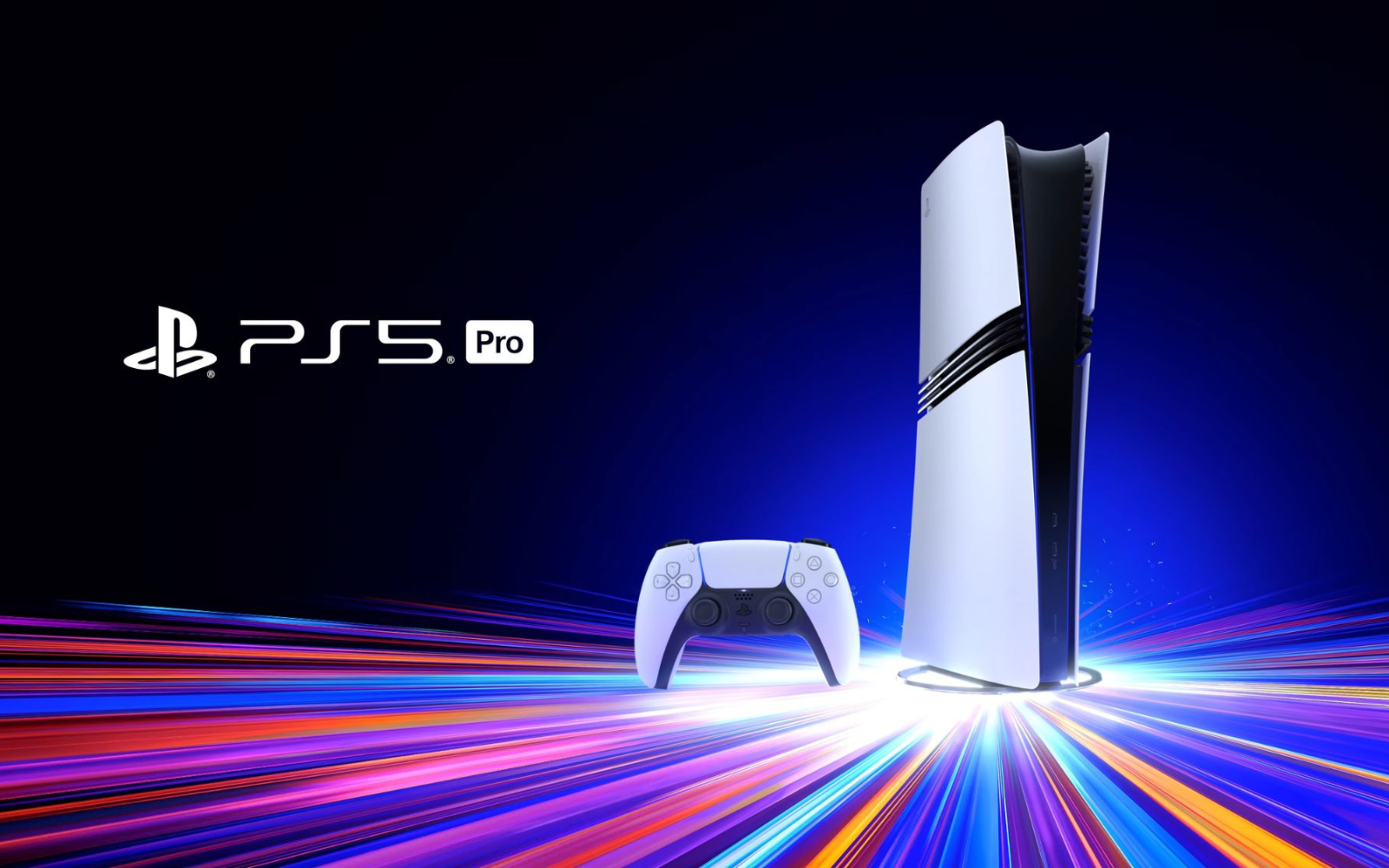
It feels illegal to even discuss the future of PlayStation’s next console (likely the PS6), which is coming “in a few years,” while the PS5 has barely had a moment to shine in the sun. Our feelings haven’t stopped Mark Cerny, lead PS5 architect, from meeting up with Jack Huynh, SVP and GM of AMD’s computing and graphics group, in a nine-minute-long YouTube video to do just that, even if the console and its tech are still in “very early days.”
A lot riding on AMD
The two sat down to talk in-depth about Project Amethyst, which is expected to be the driving force behind the PS6 — or whatever Sony’s next console is. Where the PS5 Pro can deliver ray-traced graphics, it often struggles to keep up in other departments. With machine learning at its side, the two hope to alleviate some of the stress being placed on the hardware’s GPU to free it up elsewhere and push boundaries further.
“Machine learning isn’t just a neat trick anymore,” said Huynh. “It’s become a a real tool for developers. Smarter pipelines, cleaner visuals, smoother gameplay, and more headroom to create the worlds we want to all get lost in.”
It’s all a bit technical. Huynh mentions advancements to AMD’s FSR Redstone upscaling technology, bolstered by what he calls Radiance Cores that’ll deliver a boost to lighting performance, allowing other components to pick up the slack when handling texture and shader processing. “The result? A cleaner, faster, and more efficient pipeline built for the next generation of ray-traced games.”
Read More: The PS5 Pro sees a substantial price hike in SA, now costs more than R20k
It’ll make use of a new technique called ‘Universal Compression’ that Huynh says will help the console’s GPU deliver “more detail, higher frame rates, and greater efficiency.” Essentially, this all boils down to the two companies attempting to bring smoother gameplay while delivering those ray-traced graphics they love so dearly.
“Overall, it’s of course still very early days for these technologies, they only exist in simulation right now. But the results are quite promising and I’m really excited about bringing them to a future console in a few years’ time,” Cerny said.
The tech might not remain exclusive to Sony’s hardware, whether that be a fully-fledged console or a handheld effort, as earlier rumours have suggested. Huynh mentions that he’s excited to put the tech in the hands of game developers “across every gaming platform.” With the Xbox/AMD partnership, Xbox may also take advantage of the tech — assuming it’s still in the hardware business by then.