
On September 9 2020, a woman died during a cyber-attack on a hospital in Düsseldorf, Germany. The woman was in…

On September 9 2020, a woman died during a cyber-attack on a hospital in Düsseldorf, Germany. The woman was in…

You already don’t need to leave the house in order to chow down, now you won’t have to leave the…

In the sci-fi novel “The Diamond Age” by Neal Stephenson, body art has evolved into “constantly shifting mediatronic tattoos” – in-skin displays…
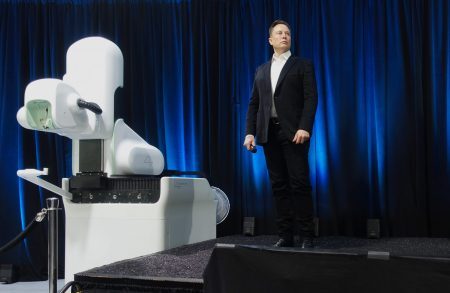
If thoughts, feelings and other mental activities are nothing more than electrochemical signals flowing around a vast network of brain…

Health products, like detox teas and mood-boosting waters, rely on a lack of neuroscientific knowledge to make their claims. Some of…
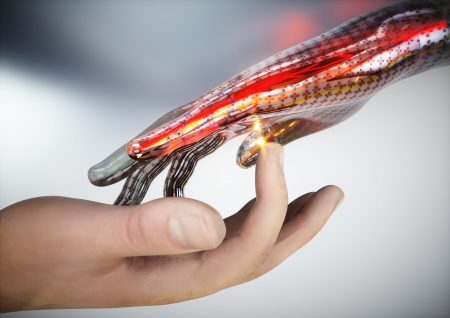
Skin is our largest organ, made up of complex sensors constantly monitoring for anything that might cause us pain. Our…

The difficulty many people have getting tested for SARS-CoV-2 and delays in receiving test results make early warning of possible…
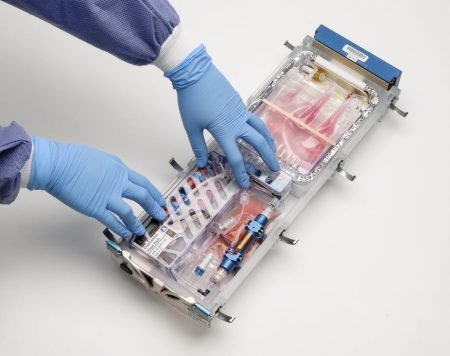
Gravity can be a real downer when you are trying to grow organs. That’s why experiments in space are so…
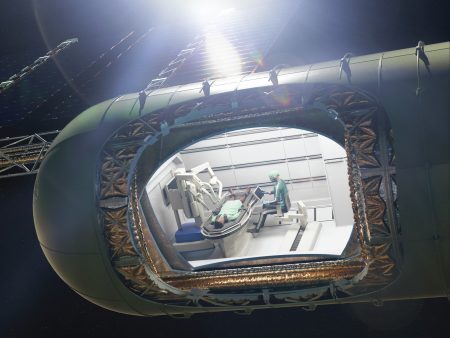
Surgical emergencies are in fact one of the main challenges when it comes to human space travel. But over the last few years, space medicine researchers have come up with a number of ideas that could help, from surgical robots to 3D printers.

Those of us who grew up in the 1980s remember the fictional crime-fighting hero Angus “Mac” MacGyver. He could seemingly create anything to get him out of a sticky situation using common household objects such as a magnifying glass and some duct tape.