
Data drives our global digital ecosystem, and AI technologies reveal patterns in data. Smartphones, smart homes, and smart cities influence how we live and interact, and AI systems are increasingly involved in recruitment decisions, medical diagnoses, and judicial verdicts. Whether this scenario is utopian or dystopian depends on your perspective.

Browsing: future
Today, improving urban services through digital transformation is a huge industry, dominated by the likes of Cisco and IBM. But the idea of a “smart city” encompasses more than the clever application of technology in urban areas. That technology must also contribute to making cities more sustainable, and improving the quality of life for the people who live there.
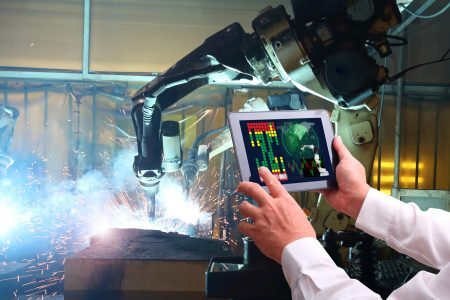
Technology has been blamed for a lot recently. Automation and artificial intelligence have supposedly led to substantial job losses, reduced bargaining power for workers and increased discrimination.
Science fiction is brimming with visions of the future and the many wondrous things the human race can achieve. But it is full of warnings too – and we should be careful to take heed of some of the big messages that are more relevant now than they ever were before.
Arresting this incline will be the first step towards a sustainable system of international travel – but how could it be done? A frequent flyer tax would be relatively easy to implement but it could mean the richest can still afford to fly while the poorest are priced out.
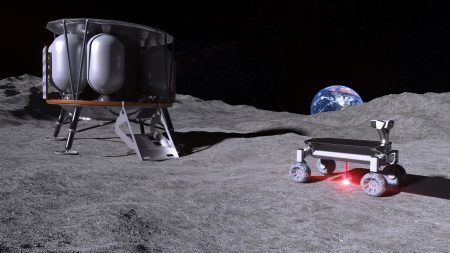
The entire Apollo 11 mission to the moon took just eight days. If we ever want to build permanent bases on the moon, or perhaps even Mars or beyond, then future astronauts will have to spend many more days, months and maybe even years in space without a constant lifeline to Earth. The question is how would they get hold of everything they needed. Using rockets to send all the equipment and supplies for building and maintaining long-term settlements on the moon would be hugely expensive.
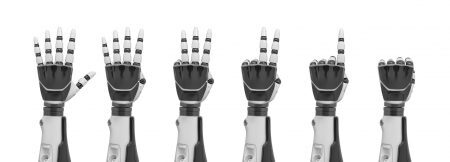
During the course of a day, robots might be expected to do everything from making a cup of tea to changing the bedding while holding a conversation. These are all challenging tasks that are more challenging when attempted together. No two homes will be the same, which will mean robots will have to learn fast and adapt to their environment. As anyone sharing a home will appreciate, the objects you need won’t always be found in the same place – robots will need to think on their feet to find them.
A common question as these intelligent technologies infiltrate various industries is how work and labor will be affected. In this case, who – or what – will do journalism in this AI-enhanced and automated world, and how will they do it?
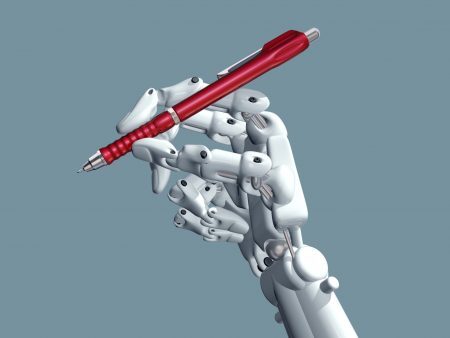
We might be on the right track to achieve a more comprehensive, human-level artificial intelligence. Applying this kind of learning to other tasks – perhaps applying it to signals…
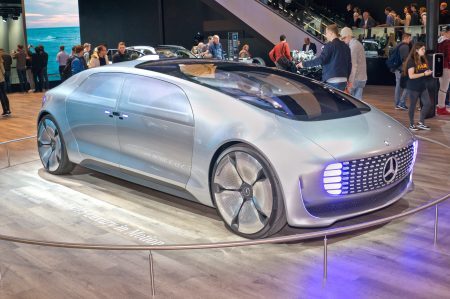
While the look and feel of our cars has changed in the past 100 years, the way we drive them hasn’t. But fundamental change is coming. In the next decade, not only will the way they’re powered and wired have shifted dramatically, but we won’t be the ones driving them anymore.