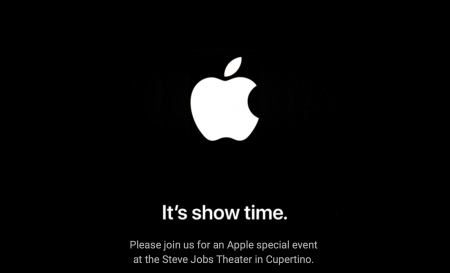
“It’s show time” seems to suggest that we’re looking at something television-related. Like a brand new video streaming service, perhaps? Certainly it’s more likely than a movie or theatre production announcement, which would be more likely to use the world ‘showtime’ on the announcement. In our completely unscientific assessment of the invitation (above), that is.
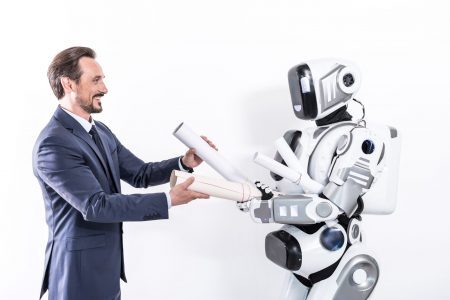
Some people suggest these tasks should be automated, as machines do not get bored, tired or distracted over time. However, computer vision algorithms tasked to recognize faces could also make mistakes. As my research has found, together, machines and humans could do much better.
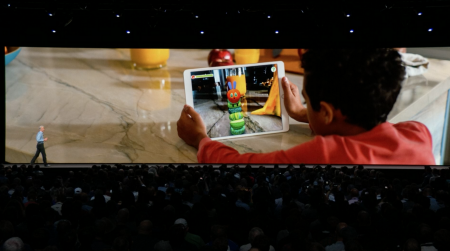
Apple is supposed to have an augmented reality headset in development, though the company is being typically close-mouthed about any plans they have in that direction. But folks are on the lookout for signs of Apple’s AR headset, and there is talk that we’re going to see it in 2020.
This weekend, Comic Con Cape Town was announced, quite unofficially. But if rumours turn out to be true, we’ll see Cape Town’s first Comic Con in 2020.
Instead of being central to the system of decisions that affects us, we are cast out in to its environment. We have progressively restricted our own decision-making capacity and allowed algorithms to take over. We have become artificial humans, or human artefacts, that are created, shaped and used by the technology.
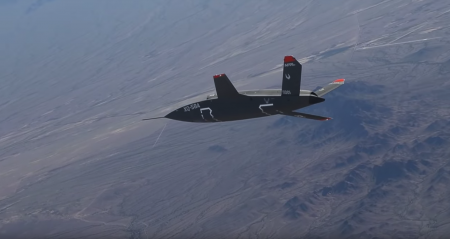
This week on Light Start, we go up in the air (twice — once for drones, the other for photos), check out some Swedish sci-fi, and download The Division 2.
According to a report from a recent shareholder meeting, the upcoming Disney+ streaming service will include “the entire Disney motion picture library”. This includes everything from TV shows, Pixar and Marvel movies, Disney classics and even titles that they’ve kept in the fabled ‘Vault’.
The original Diablo, the game that marked the first time many a gamer set foot in Tristram, has returned. It’s now available through Good Old Games, the copy-protection-free source for… well, for old games.
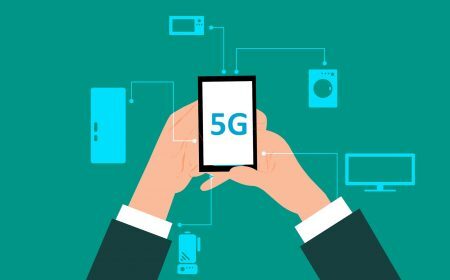
For a tech conference hailed as the biggest event in the mobile world, the Mobile World Congress (MWC) has been somewhat unsuccessful at producing as many wow moments as we would have liked to see over the last few years. What used to be arguably the year’s most exciting showcase of new devices (outside of Apple launches) has turned into a parade of new ‘flagship’ devices that all offer essentially the same thing.
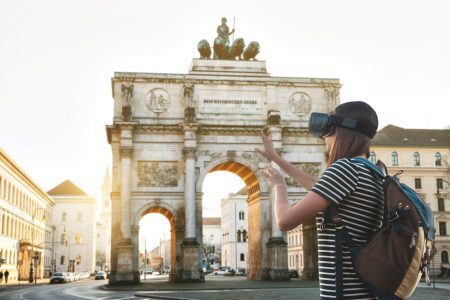
Lonely Planet, and others, have become excited by tourism powered by virtual reality(VR) – both on this planet and, thanks to NASA, on others.
VR films are also being developed by travel companies, such as Thomas Cook. And Tourism Australia has partnered with Google to understand the marketing potential of VR (well, 360 degree panoramic videos).