


After its release on Friday, 23 October, Stuff finally got around to seeing Clayface, the latest (and certainly not greatest) superhero(-adjacent) film to come out of James Gunn’s DC Universe. We, like many, were initially puzzled that a) this movie exists and b) that it wasn’t an HBO series in the same vein as Lanterns. After clapping eyes on the final product, it cleared up some of our confusion. Other, larger headscratchers… not so much.
Most baffling would be Clayface getting his own solo project before Batman has appeared on James Gunn’s big screen. Admittedly, there was almost no ‘right’ way to pull this one off. Doing it before Batman’s appearance was a move that left room for a more sympathetic MC, but also a wholly more predictable one. Doing it after Batman stomps his ass to the curb invites a whole different issue — it risks becoming a very boring movie.
Gunn certainly chose the lesser of two evils, even though this may have fared better over the course of the eight weeks in 40-minute increments. It would’ve helped flesh out Clayface’s two- or even one-dimensional side characters. Even so, we’re still glad Clayface exists — if only because we like to see the genre take big swings.
Trudging through clay
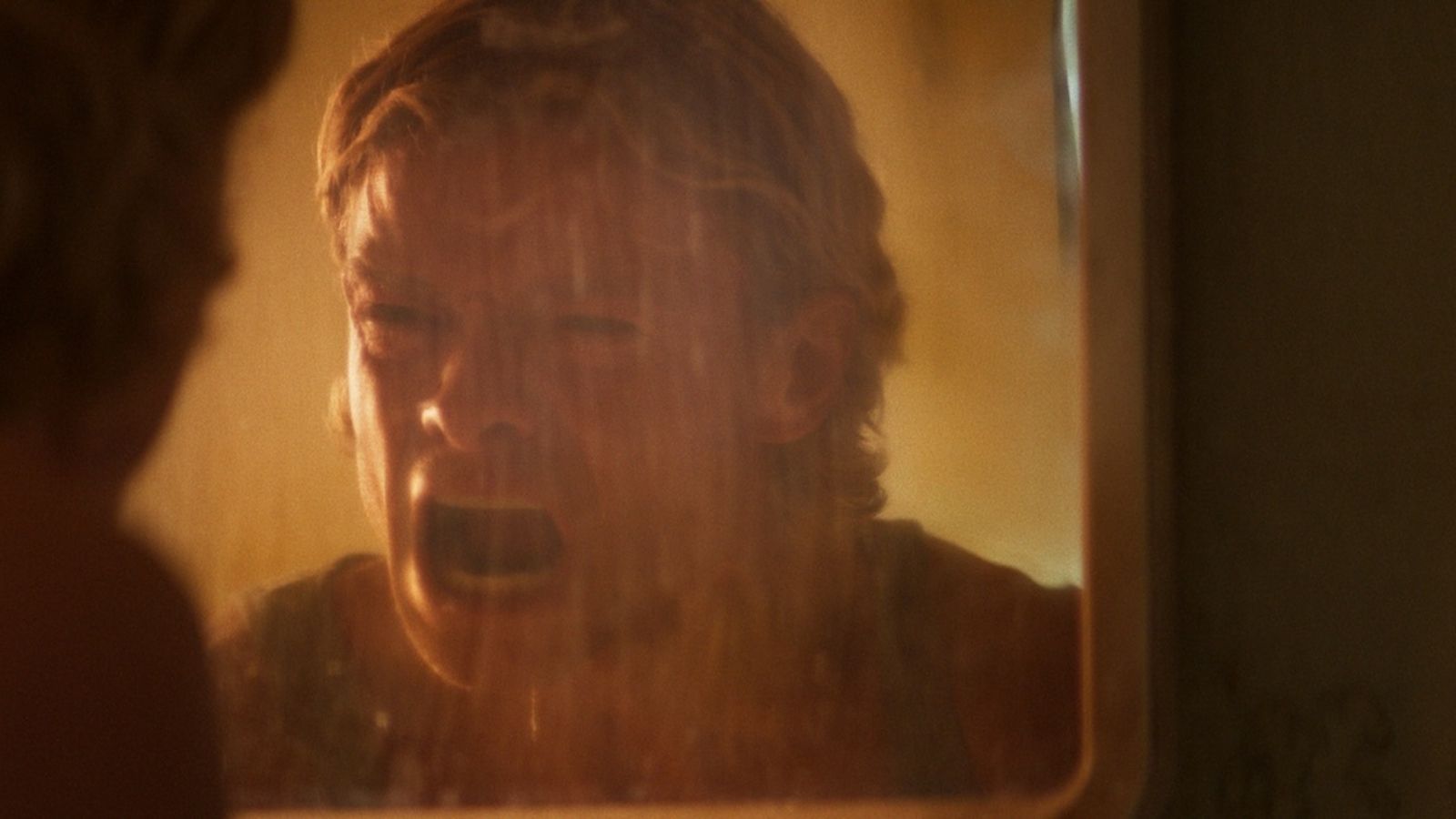
While Clayface itself might be a big swing, the film’s plot is anything but. Billed as a straight-up horror, Clayface quickly deviates into a by-the-numbers revenge thriller that entertained us enough. It’s got all the right ingredients to pull it off — body horror, a believable lead, and Clayface himself, of course. You’d think that with James Watkins and Mike Flanagan at the helm, though, it’d deliver a couple more screams, not grimaces.
The film follows Matt Hagan (Tom Rhys Harries), an up-and-coming actor doing anything he can to make it out of the Narrows. He’s on a roll — earning himself an Oscar nomination, working alongside his best mate, and having women throw themselves at him. Underneath that pretty face is a man who’s still not sure who he is.
It doesn’t take Clayface long to get to the point. After sleeping with the girlfriend of ‘generic mobster #1’ (who is the primary antagonist, mind you), Matt gets his face cut into a million pieces, with no real recourse. He eventually seeks out a scientist whose ideas were considered too ‘out there’. You can see where this is going.
Read More: Digger review – Tom Cruise’s weirdest role might be his best yet
After receiving what seems to be a miracle drug (AI-powered nanocells, really?), things quickly begin to take a dark turn. He’s back to being the good-looking actor that the world recognises. The only trouble is that sometimes Hagen gets a real bad case of what physicians might call melty-face. It’s here that Clayface leans into the 18+ rating, hard, providing plenty of excuses to watch through our fingers. Eventually, he gets it under control.
Before long, Clayface shenanigans ensue. Given the ability to look like anyone else, Clayface begins to rely a little too heavily on certain body-swap tropes that, by the third go-around, are entirely predictable. From there, it’s a beeline to the movie’s third act, which wraps up well enough. Clayface isn’t blessed with good writing, and the acting is (mostly) abysmal, but it succeeds where Morbius didn’t because…
Well, because Clayface isn’t trying to be something it isn’t. Sure, it could’ve leaned into the campier elements a little more than it did, but if you’re going to make a movie about a DC villain, make a movie about a DC villain. Clayface gets to have its cake and eat it too, watching the sympathetic Hagen devolve into the monster Clayface. We’ve already mentioned that we’d prefer HBO to be the shepards in this instance, but Clayface does alright.
Acting without acting…

We won’t harp on Clayface’s performances more than is necessary. That’s not by some wicked design on our part, but simply because the oftentimes serviceable script rarely gives the crew — outside of Tom Rhys Harries — a whole lot to do. The actors, we’re sure, do the very best with what they’re given, but it all still falls a little flat.
Harries does a phenomenal job throughout Clayface. You believe he is the soft-spoken actor he’s portrayed as. More importantly, you believe him as the psychotic killer out on a rampage, unsure of who, or what, he really is. There’s not much room for nuance once the third act shlock-fest kicks off.
The biggest roles, beyond Harries’, belong to Naomi Ackie and Max Minghella. They play the scientist Caitlyn Corr and husband/detective John Borrelli, respectively. Both are fine throughout, though we’d hoped Minghella might’ve carried harder here. Again, the script is the biggest culprit for a job poorly done, but there’s hardly any sense of urgency afforded to the actors. After Ackie’s Mickey 17, we’re hopeful she’s given more to do in future.
Moulded to perfection
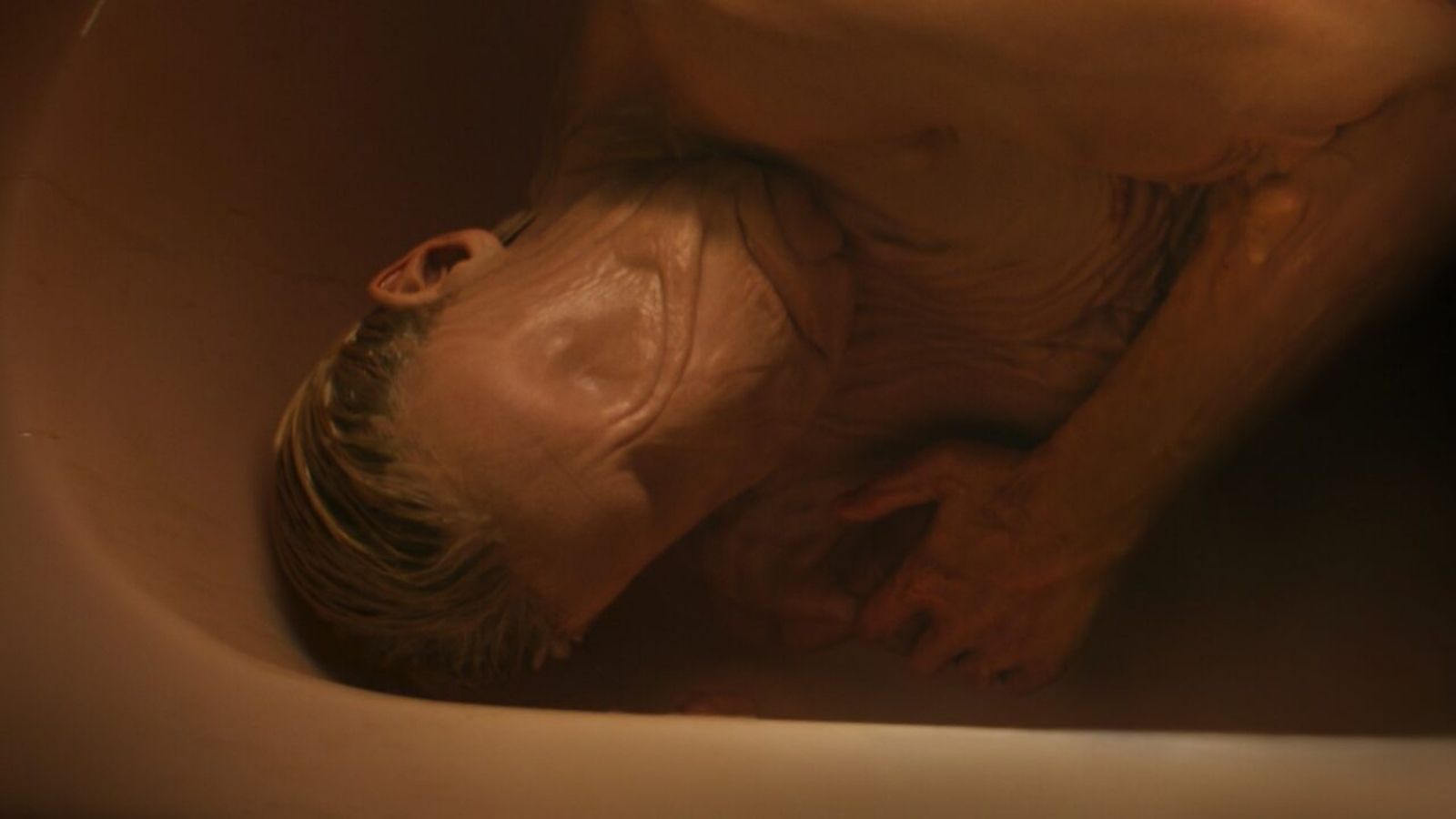
Clayface may not have a stellar story, predictable tropes, and so-so acting, but it delivers where it needed to most: visual effects. Going into Clayface knowing about the $40 million budget was slightly daunting, but it quickly became the film’s biggest strength. It’s not afraid of visual effects, but it forced the crew to get creative.
Real creative. Clayface doesn’t rush to get Tom Rhys Harries into the big makeup, and instead lets the more subtle body horror take the lead. Things like Hagen cutting open his fleshy eyelids in a turbulent plane are made all the more exciting because of how real it looks. We’ve already mentioned watching through closed fingers.
The effects you do get to see are used pretty sparingly. It actually helped preserve some of the mystique, and helped certain shots stick out in our minds for days after watching. Seeing something in the cold light of day is a quick way of washing away the illusion the filmmakers are going for. Not in Clayface, though. When it does break that barrier down, the result is a David Cronenberg-esque thing that should give Batman some hassle. We hope.
Clayface verdict
Clayface might not be the greatest film in the DC Universe, but it gets enough right to make it worthwhile. Not worthwhile enough to drop a couple hundred bucks to see it in theatres, but at home? Go right ahead. Tom Rhys Harries is the standout, while the body horror and surprisingly impressive visual effects do the heavy lifting.
Unfortunately, it couldn’t escape the predictable plot that drags on through underdeveloped side characters at times. We’re also still convinced this would’ve worked better as an eight-episode drama. Even so, Clayface knows what it wants to be and largely sticks the landing. It’s not exactly the stuff of nightmares, but it’s a welcome swing for a genre we can all agree could do with a bit more variety.