
Humanoid robots are undoubtedly a cool technology. Artificial mechanoids that resemble humans and, in many cases, move like them always will be. Unless they rise and enslave their creators. In that case, the tech will lose some of its cool sheen. Not all of it, though.
But ‘cool’ doesn’t always mean profitable. China’s regulators have already put the brakes on that country’s robotics companies listing publicly. A new report from China’s Cailian suggests that the financial bottom of human-like robots has dropped out.
Humanoid error
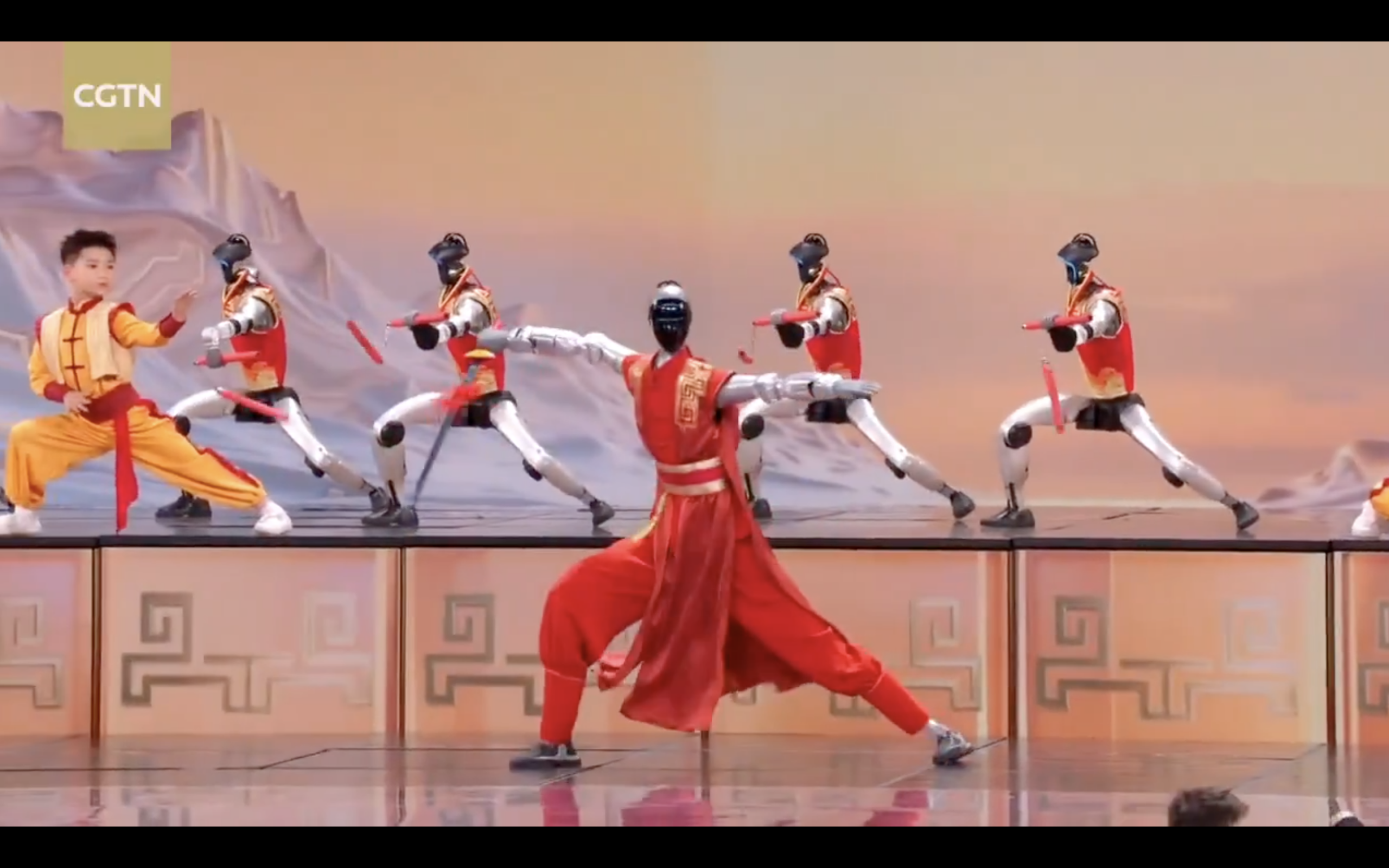
That doesn’t mean you’re likely to buy a humanoid robot at a discount from anyone yet. Instead, the report offers insights into the rental trends prevalent in that country. Rather than buying humanoid robots, companies have been renting them from various companies, including Unitree. At their peak, around the time of Unitree’s G1 kung fu demonstration, rental robots commanded in excess of R25,000 (more than ¥10,000) a day.
The report explains that pricing has fallen. Hard. Pricing for a humanoid robot rental in China now hovers around R6,200 per day (¥2,500), with some sources claiming the ‘bots may be had for as cheaply as R2,500 per day. Rental pricing on some online retailers has been spotted as low as R750 a day. That’s… a substantial fall from grace.
The reason for this fall is novelty. As with hiring celebrities for a company opening or conference, it’s more cost-effective to rent a ‘performance’ by a Unitree robot. But once you’ve seen a humanoid robot at your company event, you’ve seen it. This, in part, is driving the drop in demand.
Cailian‘s analysis points out something China’s regulator is already aware of. You can’t drive an industry entirely on novelty. The publication adds (via Google Translate) that “the key to expanding embodied intelligence beyond cultural and tourism scenarios lies in establishing a viable business model.” In other words, humanoid robots must now shift from being a curiosity worth watching to a technology worth putting to work. That side of the equation, for many companies, is already in progress. It’s just not as sexy as robots performing impressive physical feats.