
There’s been much talk about OpenAI’s eventual move into the consumer hardware space. Now, a report from Bloomberg is only adding to the conversation. What, then, will the ChatGPT-maker do first? It seems inevitable that we’ll see some sort of ChatGPT-ified smartphone eventually, alongside a pair of smart glasses.
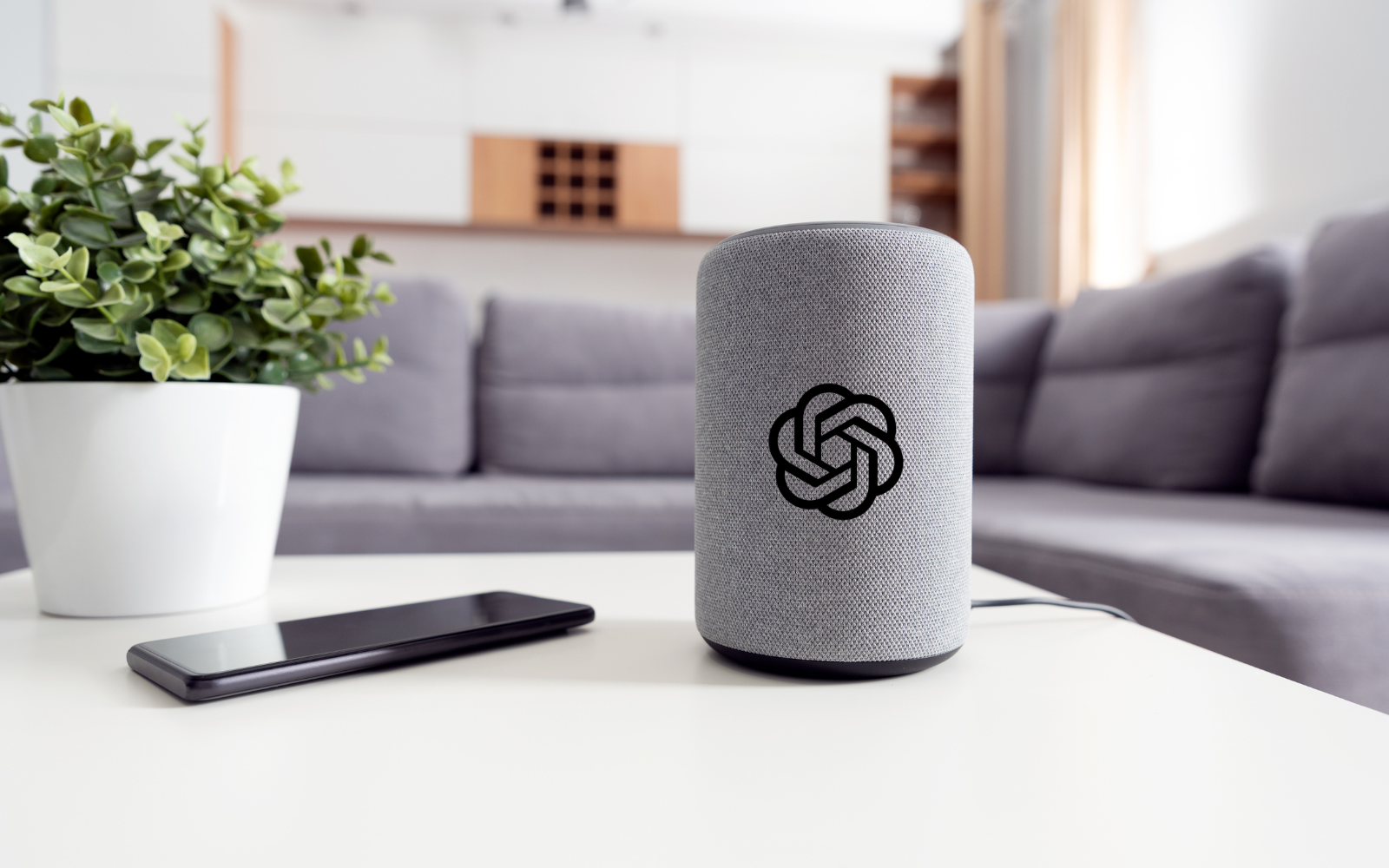
We’d be lying if we said we weren’t a little curious to see what an OpenAI-made smartphone would look like. Unfortunately, it seems that is further back on the rotation. Mark Gurman reckons that the company’s first-ever physical product will actually be a smart speaker. A “movable” AI-powered one at that, if you can believe it.
If it doesn’t look like this, we don’t want it

Okay fine, the AI-powered bit, sure. But “movable”? We don’t just mean light enough to move from room to room without hauling out the tow cables (though that is apparently the case here), but… movable. Mobile. Flexible. It’ll supposedly do that through the use of mechanical elements that help the machine feel, we hate to say this, “alive”.
It’ll be bolstered by a unique personality that OpenAI believes will set the thing apart from the rest. “The goal is for the device to feel like a companion and become a physical manifestation of OpenAI’s ChatGPT. Still, the exact plans could change as the company works through the development and legal process,” Gurman wrote.
Read More: There is no universe where AI will become worth spending $5 trillion a year to maintain
It certainly seems like more than a speaker, whatever OpenAI ends up calling it. It’s reportedly fitted with cameras to help it soak up the world around it (that musty corner of the TV stand) and ‘other sensors’. It’s also got a battery, allowing it to be carried around if you ever feel like giving Sam Altman a look around your place.
The most we can say for OpenAI’s little speaker is that it’ll be well-made. You don’t just get Jony Ive onto the team without putting those Apple skills to good use. It’ll be expensive, too, because that’s just the world we live in. Movable arms (or whatever ends up moving) aren’t cheap. Neither is the AI needed to run it. We’ll soon find out whether it’ll follow through. Bloomberg reckons the device will be unveiled this year, for a 2027 release.