

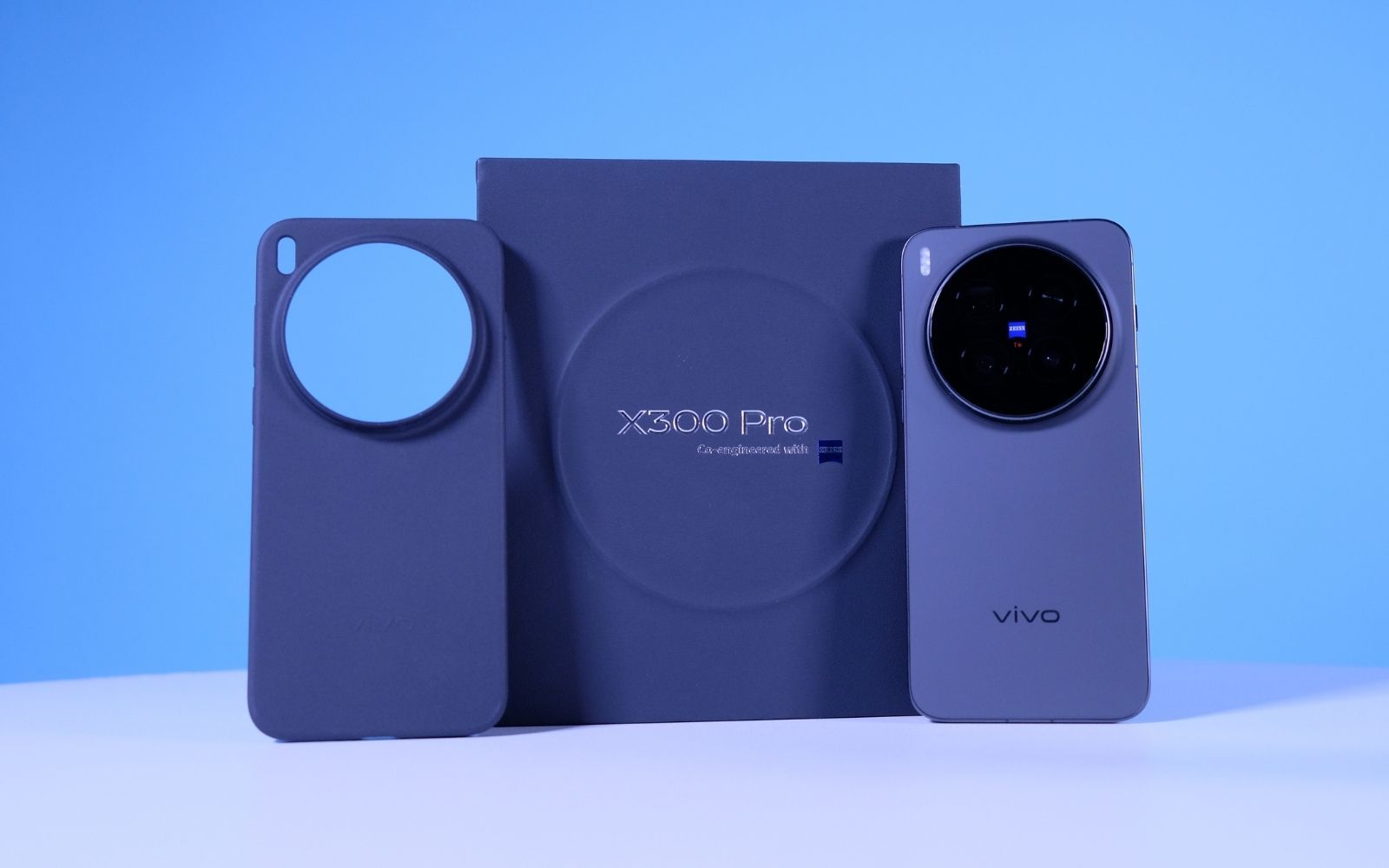
The Vivo X300 Pro is a camera-focused flagship and one of the best available in South Africa in 2026. It features a fantastic display, decent internals and battery life, and will net you some of the best photos you'll see from a smartphone. You'll pay for the privilege. At it's launch price of R40,000, it was hard to recommend. However, at it's current price of R33,600, that problem fades away.
-
Design
-
Display
-
Performance
-
Battery
-
Camera
-
Value
Smartphone shoppers in South Africa are spoiled for choice. Whether you’re upgrading your contract or buying for cash, there are plenty of options that cover a wide price range. Most devices lie within the lower two-thirds of the price spread, but Vivo’s X300 Pro is different.
At its launch price of R40,000, the X300 Pro was one of the most expensive smartphones you could buy in South Africa. You might have heard a similar story when the company first brought its flagship X-series to the country with the X200 Pro in 2025.
Since the X300 Pro launched, its price has dropped to R33,600. That, plus all the bits we’ll get to, makes it much easier to recommend. If you’re looking for the smartphone that takes the best shots and don’t want to live without Google, the Vivo X300 Pro is the one you’ll want.
Premium glass slab
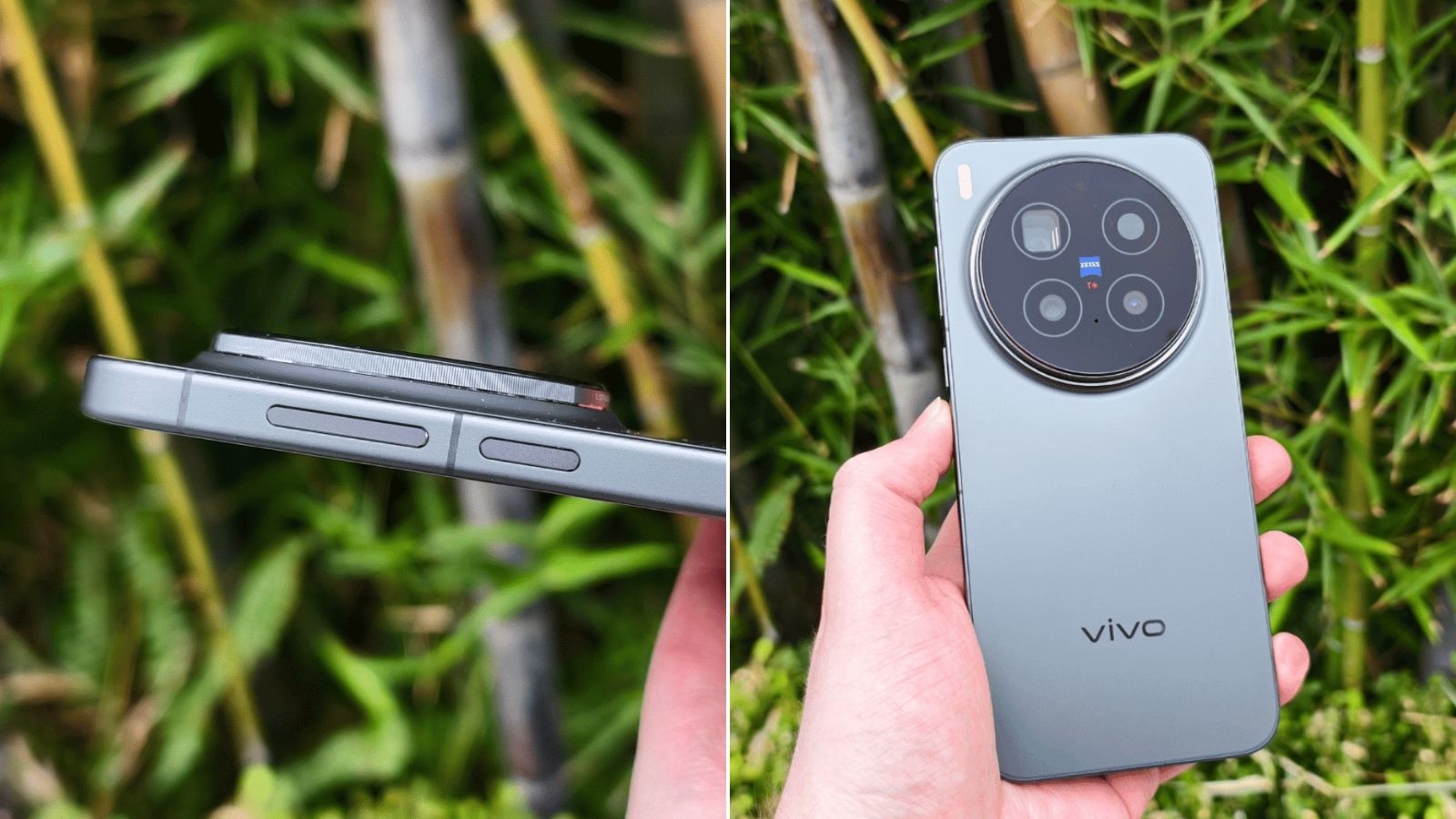
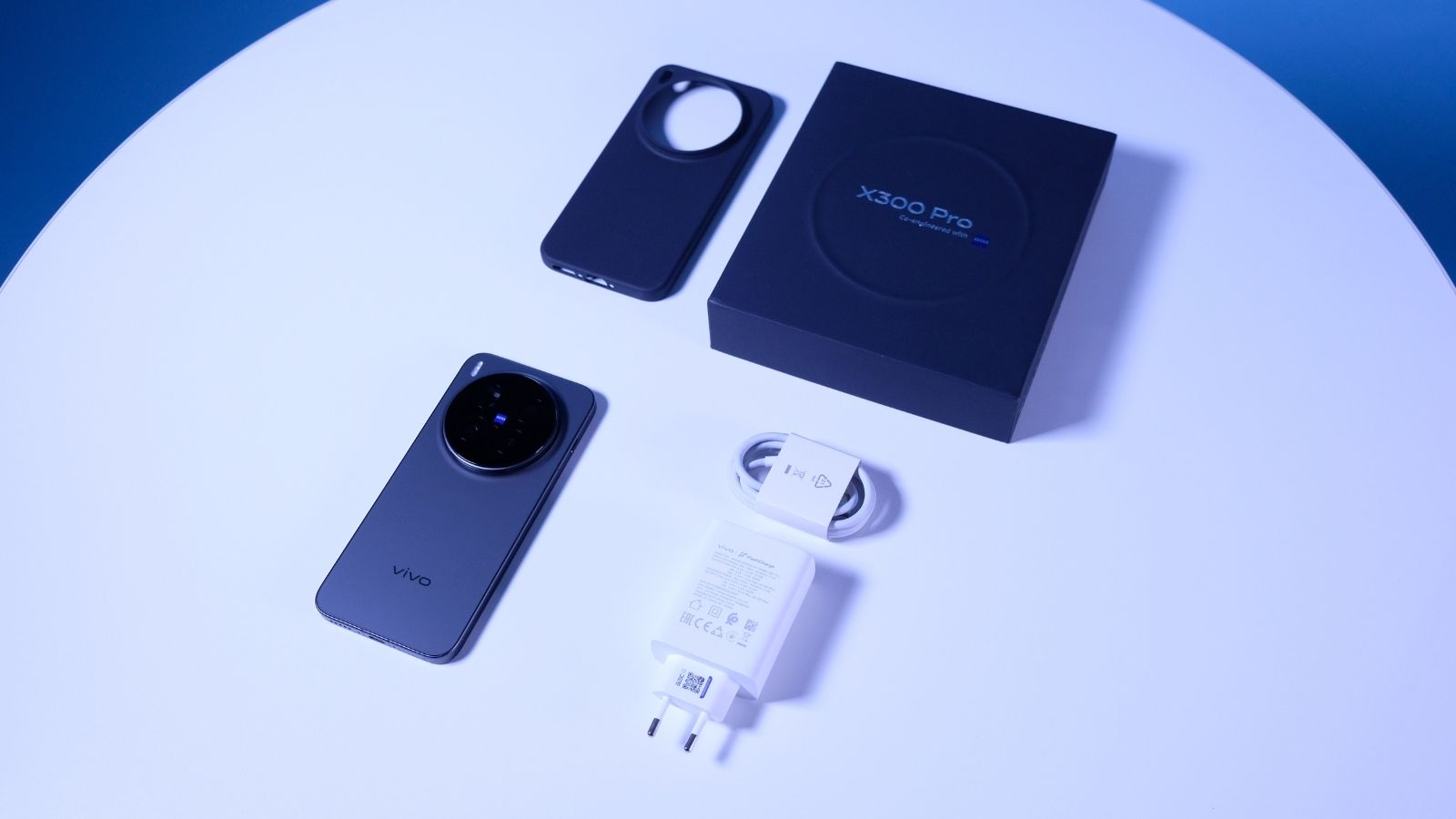
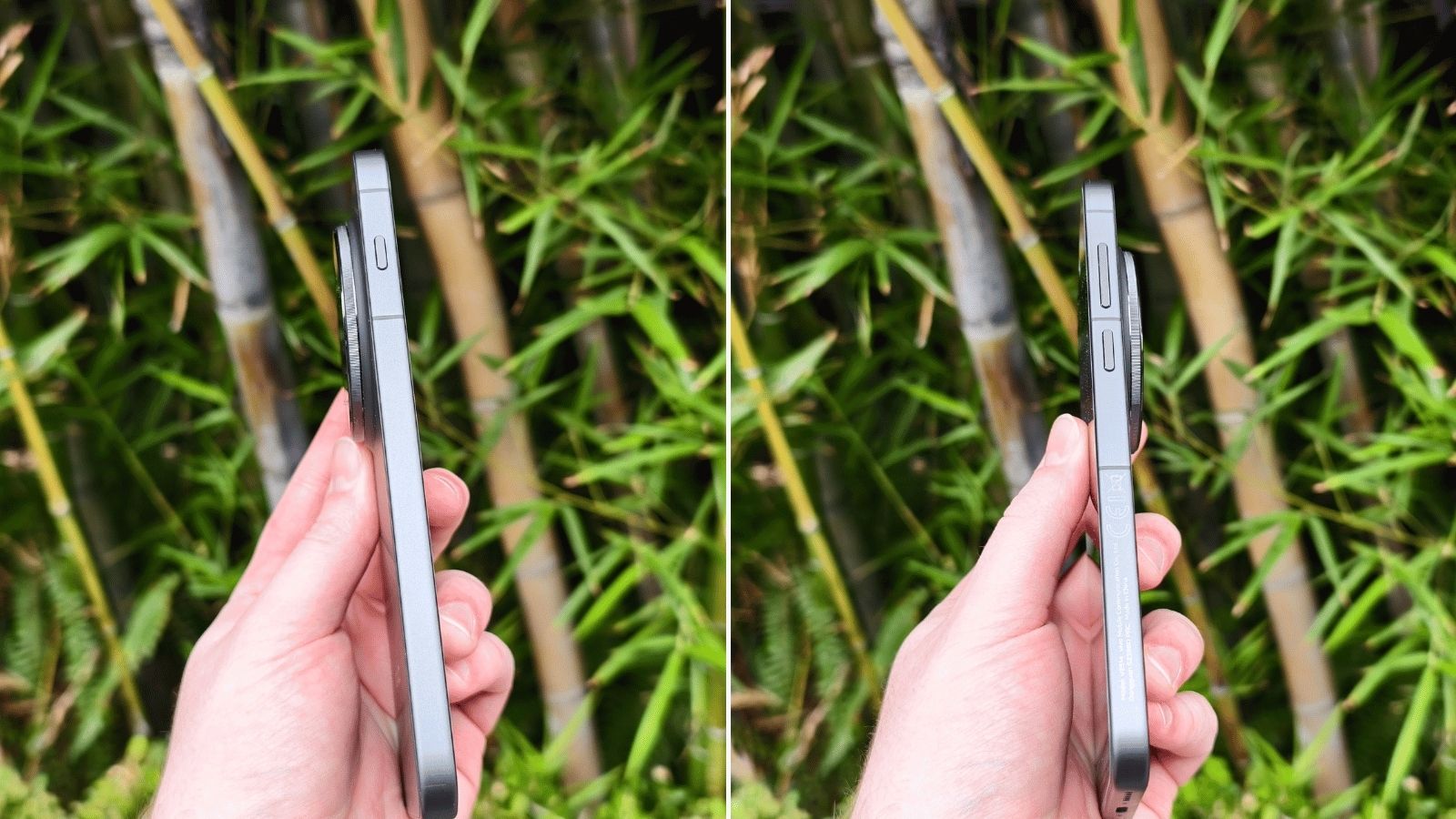 Between the flat, smooth aluminium side rails and flat glass on the front and back, the X300 Pro feels nothing short of premium in your hand. You can substitute ‘premium’ for ‘slippery’ here. The rear glass is a single pane and features an elegant curve up to the large camera module. It’s also received some frosting, so it doesn’t hold onto fingerprints or smudges easily. None of that matters if you plan on slipping it into the included cover, but the folks who go coverless will appreciate the refinement… if they don’t immediately drop it.
All the regular smartphone bits show up where you’d expect them to — lock button and volume rocker on the right; speaker, SIM tray and USB-C along the bottom. Vivo has also included a shortcut button on the top left rail that switches between silent, vibrate, and ring. Or you can assign it to another function. The interface should make it obvious where it got that idea.
Lastly, the X300 Pro carries an IP68 and IP69 certification, meaning it should withstand dust, can be submerged in 1.5m-deep water for 30 minutes, and survive 80°C pressurised water jets. We know it sounds like we’re saying it will survive a spin in the dishwasher, but that is not what we are saying. Don’t do that.
It’s not all about looks
 If you were hoping for a better display over the X200 Pro, you won’t find that on the X300 Pro. This display certainly isn’t bad. It ticks all the right boxes for a flagship display, including a decently crisp 1,260 x 2,800px resolution, high-refresh dimming to reduce eye strain, plenty of HDR support, and enough brightness in most conditions. We said the same about the X200 Pro’s display, because, well… they’re the same display.
The X300 Pro features a slightly better screen-to-body ratio (91.6%), if anyone cares. It’s a completely capable display that will impress most owners, especially with the brightness. It will also go right down to single-digit nits when you want to scroll in darkness.
Vivo’s partnership with MediaTek is going strong, so the X300 Pro uses the company’s latest SoC — the Dimensity 9500. It was paired with 16GB of RAM and 512GB of non-expandable storage in our review unit. If you’re accustomed to flagship performance, this chip won’t blow your socks off.
 Sure, it’s a top-class performer, but you should expect similar, or slightly lower, synthetic benchmark scores to devices using the latest Snapdragon chip (depending on the use case). We did notice rather aggressive throttling under sustained heavy loads, like gaming. But this is a problem all but the dedicated gaming smartphones face to some degree. Whatever you’re doing on your X300 Pro, it should feel suitably snappy.
Vivo also promises it will retain that snappiness for years to come as part of the OriginOS 6 update that the company is shipping with global models. It takes a bit of time to learn the ins and outs of Vivo’s Android skin, but once we got the hang of it, it kinda grew on us.
More stamina than most people need
Battery life is another area where the X300 Pro excels. It might not have the biggest battery around, but it gets a lot of mileage from the 6,510mAh it houses. If you’re buying the X300 Pro elsewhere, you might get unlucky with the European version and its 5,440mAh battery. South Africa doesn’t abide by those EU rules, however, so this shouldn’t be a problem with a device from Vodacom.
 In our real-world test environment (basically, using the phone every day), we often managed to get two full days out of it with our typical usage. Mind you, that isn’t usually a lot, seeing as everything we do on our phones, we also do on our PC.
On the weekends away from the PC, we could still get two days of battery life, provided we weren’t gaming or shooting video. When we did fire up a game, we still got more than eight hours of screen-on time. Either way, the bundled 90W charger will make quick work of your low battery. We saw over 50% in 15 minutes and a full charge in just under 30 minutes. If you opt for 40W wireless charging, that will take longer and the phone will get hotter.
The last battery bit we’ll mention is the dizzying number of battery features and settings available to tweak. We didn’t know we wanted most of them, and now that we’ve had them, we want them on all phones.
Look at the detail, look at the colours



The camera performance of the X300 Pro is the headline feature here, and Vivo has dumped a ton of work (and money) into upgrading performance and updating the user experience. You might not say so when comparing it with last year’s X200 Pro on paper. Some of that is down to the upgraded hardware, and some of it is due to OriginOS.
There are three sensors around back — the 50MP main shooter, another 50MP ultra-wide, and a 200MP telephoto snapper. Another of the same 50MP ultrawide sensors lives in the display cutout up top on selfie duty.
As far as camera performance goes, the X300 Pro lived up to our expectations and even exceeded them in some cases. At this price, we should hope so. Whether you’re shooting stills or video from any of the three rear sensors, you should expect results with impressively high dynamic range, accurate skin tones, and great colour rendition across nearly all lighting conditions. It doesn’t always get it right, especially with darker complexions, but 9 times out of 10 is still impressive.
Autofocus is snappy and accurate, auto white balance is pretty dependable, and while there are some AI-based image enhancements present to help recover fine detail like eyebrows or a dog’s fur, they’re only noticeable in some cases. When that happens, things tend to make things look a little waxy.
The telephoto sensor is definitely the star of the show here. We found ourselves defaulting to it, even when the device wanted us to use the main sensor. More often than not, we got slightly better results after dialling in a few settings. The telephoto zoom is strong, even without the extra kit. Good detail preservation at long focal lengths and almost no noise, even in difficult lighting — expect well-developed shadows while highlights are kept in check.
We could continue gushing about the Zeiss colour style that isn’t as aggressive in cranking up the contrast, and has a slightly warmer look, or how fantastic portrait shots are with great separation between subject and background, but we think you get the point by now.
Vivo X300 Pro verdict
 This is the best Vivo officially available in South Africa… so far. We’d even go as far as to say this is the best camera phone we’ve tested at Stuff. If you’re after raw camera performance, one of Huawei’s latest devices might trade blows, but you’ll make concessions elsewhere. That isn’t necessary with the X300 Pro, although you’ll pay for the privilege — R40,000 is a lot of money for a smartphone.
Thankfully, it doesn’t cost that anymore. At least, not from Vodacom at the time of writing, anyway. R33,600 is still a lot of money, but it’s less than Samsung or Apple’s top-tier devices. Those models will have more storage, but Vivo’s takes better images. You’ll have to decide which one belongs in your pocket.
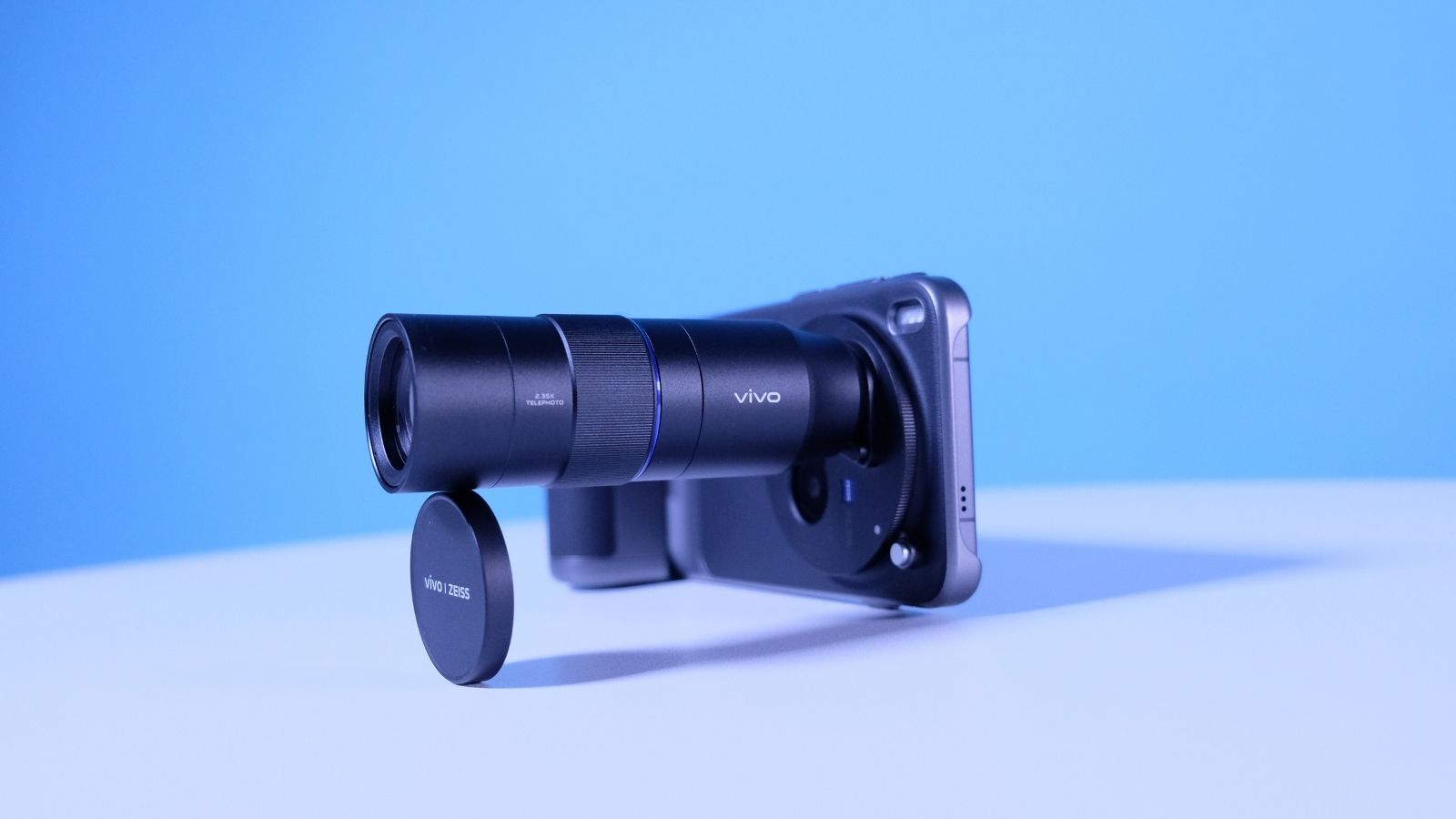
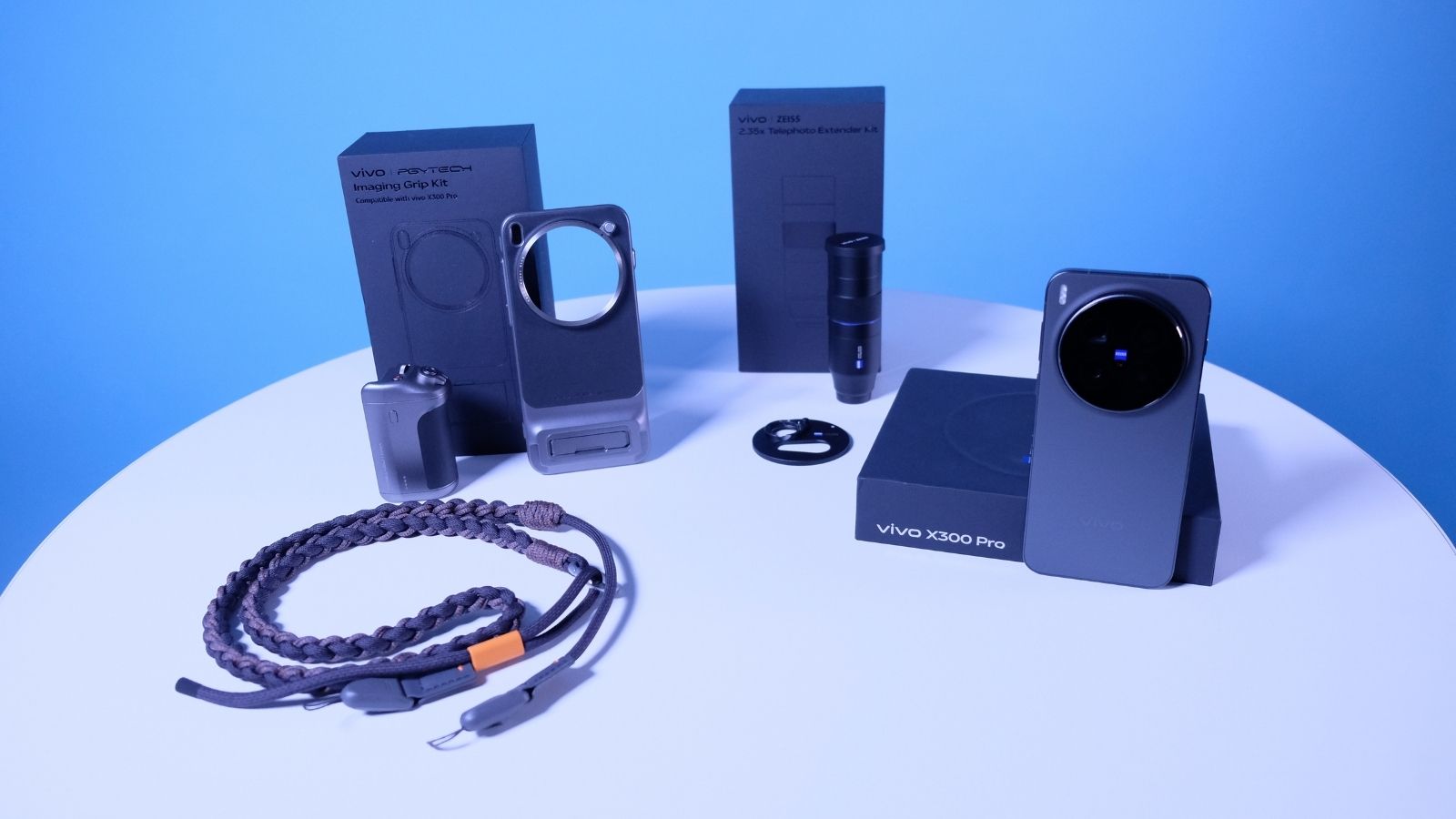
If you’re a photography nerd and want to get even more from this smartphone, the 2.35x telephoto extender kit is available (if you can find one). At launch, it was an extra R7,000. You do get enough stuff to not feel cheated, but you’ll also need to make a conscious choice to cart it around and use it to get your money’s worth. If you do, it will provide even more versatility to an already very capable device. If you don’t, you’ll still be happy with what the X300 Pro can do without it.