

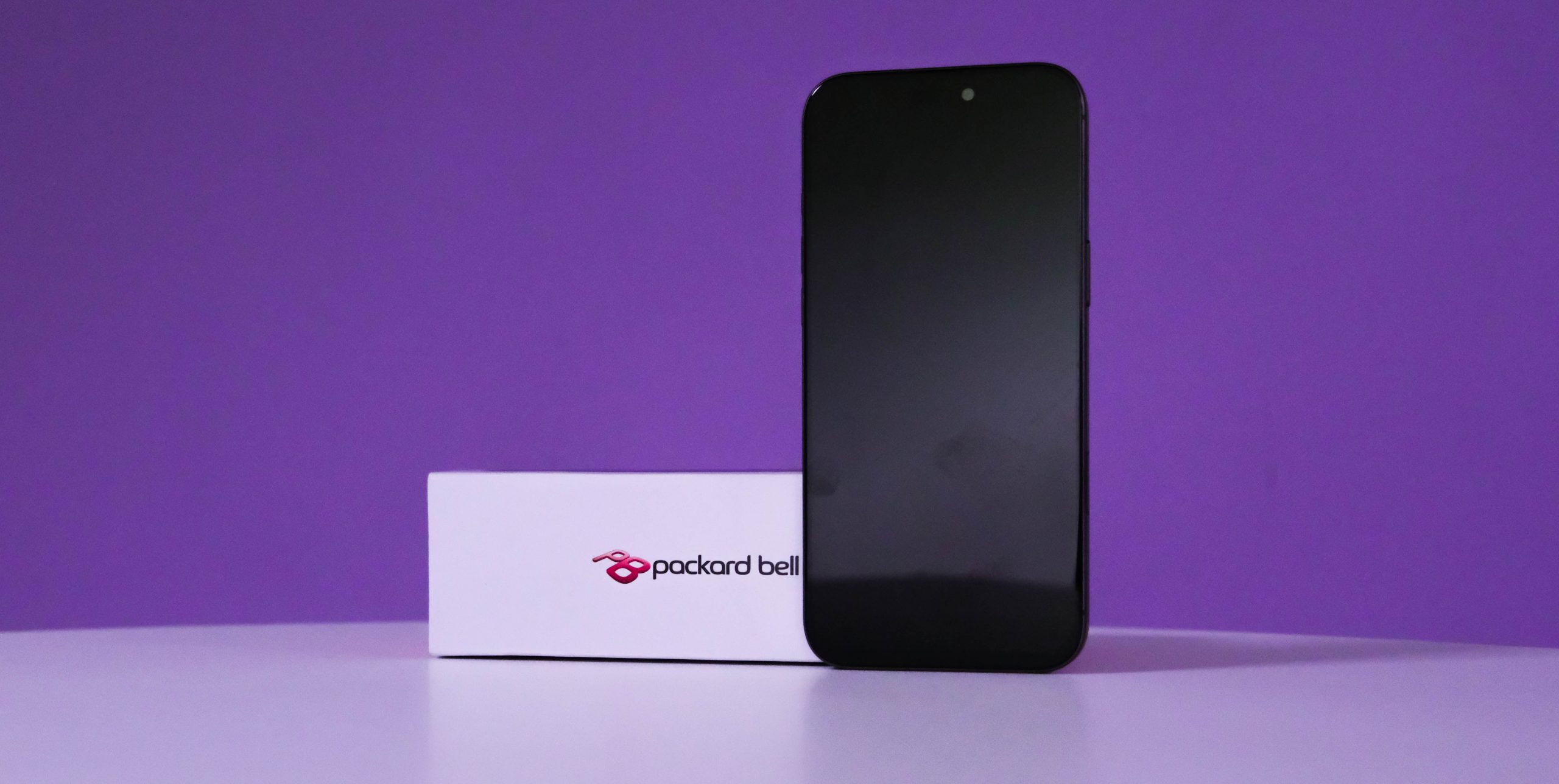
It's not often we encounter a smartphone that surprises us. It's even less often that we're barely able to find any information about it. The Packard Bell Daytona G16 Pro gave us both of those experiences, and we can appreciate it for that novelty factor alone.
Often, one R2,000 smartphone is identical to the next, and if you're ranking on performance and display, that's more or less the case here. But if your life seems to be missing some physical buttons, maybe check this one out.
-
Design
-
Performance
-
Battery
-
Camera
-
Value
Packard Bell doesn’t make phones, do they? Based on the handset we’ve got sitting on our desks, that would be an incorrect assumption. In reality, the Packard Bell Daytona G16 Pro is most likely a rebadged unit from… elsewhere. Exactly where is something we’ll get to, but since you can buy one for around R2,000, why not give it a chance?
From the outside, it looks just like a… well, a phone made by a company like Packard Bell. The badge and branding are authentic enough. Provided you’re not as pedantic about phones as we are, you would probably never guess this was made elsewhere. Again, though, we’ll get to that.
Port of origin
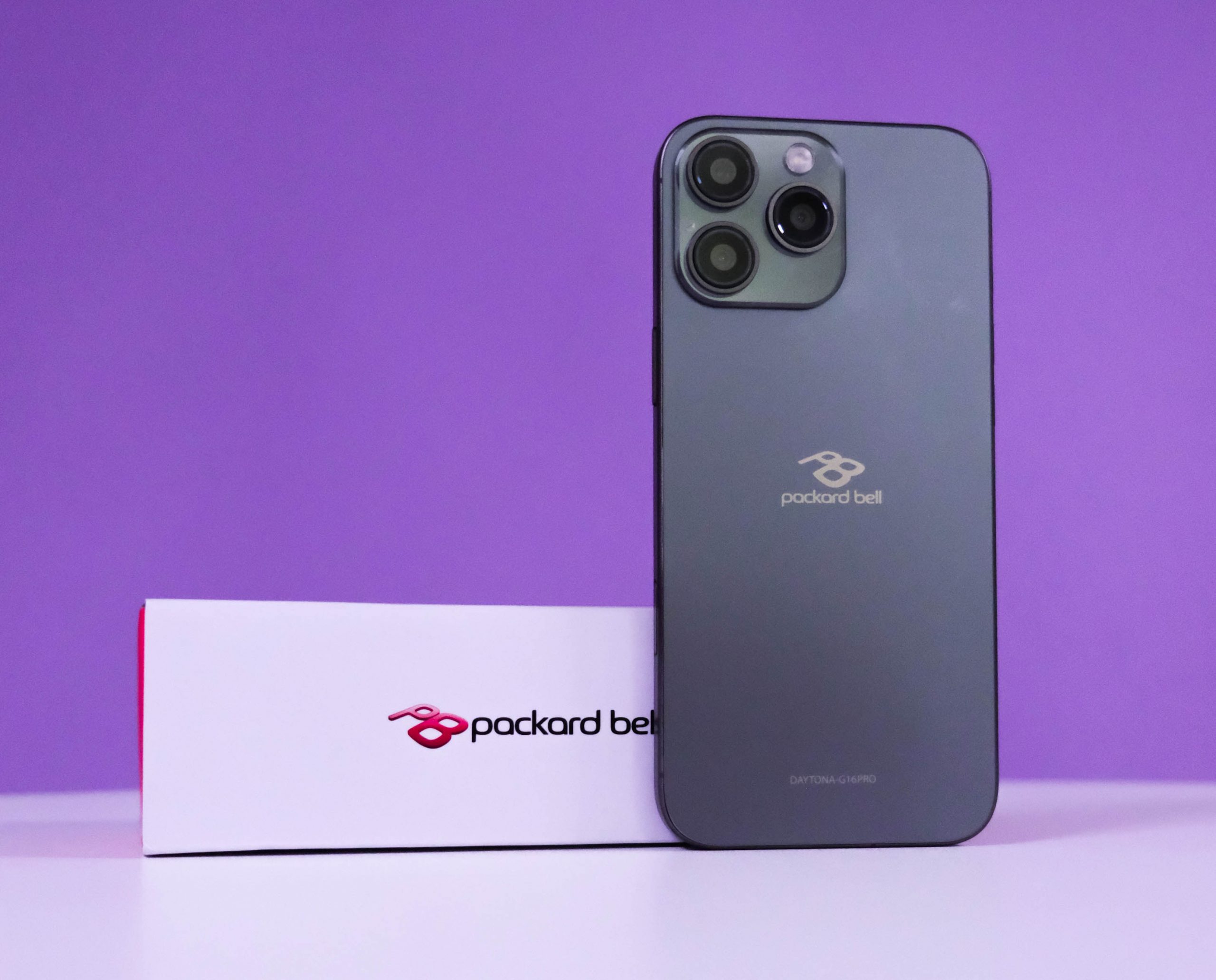 The Daytona G16 Pro sports a design you’ve probably come to recognise. It’s… well, it’s a smartphone. Black rectangle, raised camera bump, a vaguely textured rear panel. It’s also immediately recognisable as a Chinese smartphone. How can we tell? It looks like one. Similar vibes issue forth from Oppo and Vivo all the time, with even Honor taking some of this design language on board. Samsung phones have a slight difference and, well, this isn’t an iPhone. No matter how much it wants to be.
What’s most surprising about Generic Black Rectangle #1427, at least in our books, is the number of physical keys arranged around the metal rim. We’re used to three, usually situated on the upper right edge. The Daytona G16 Pro has four — five if you count the side-mounted fingerprint sensor — with three on the upper left and two on the right side. The three buttons on the left are volume controls, with the extra being a Mute button. We… didn’t know we wanted that. The right side has an oversized power button, and then that pressable fingerprint sensor that doubles as a camera shutter key.
The Daytona G16 Pro’s base edge is where the USB-C charging port lives, plus the speaker vents. On the left, above the physical keys, is the SIM tray.
Origin of the species
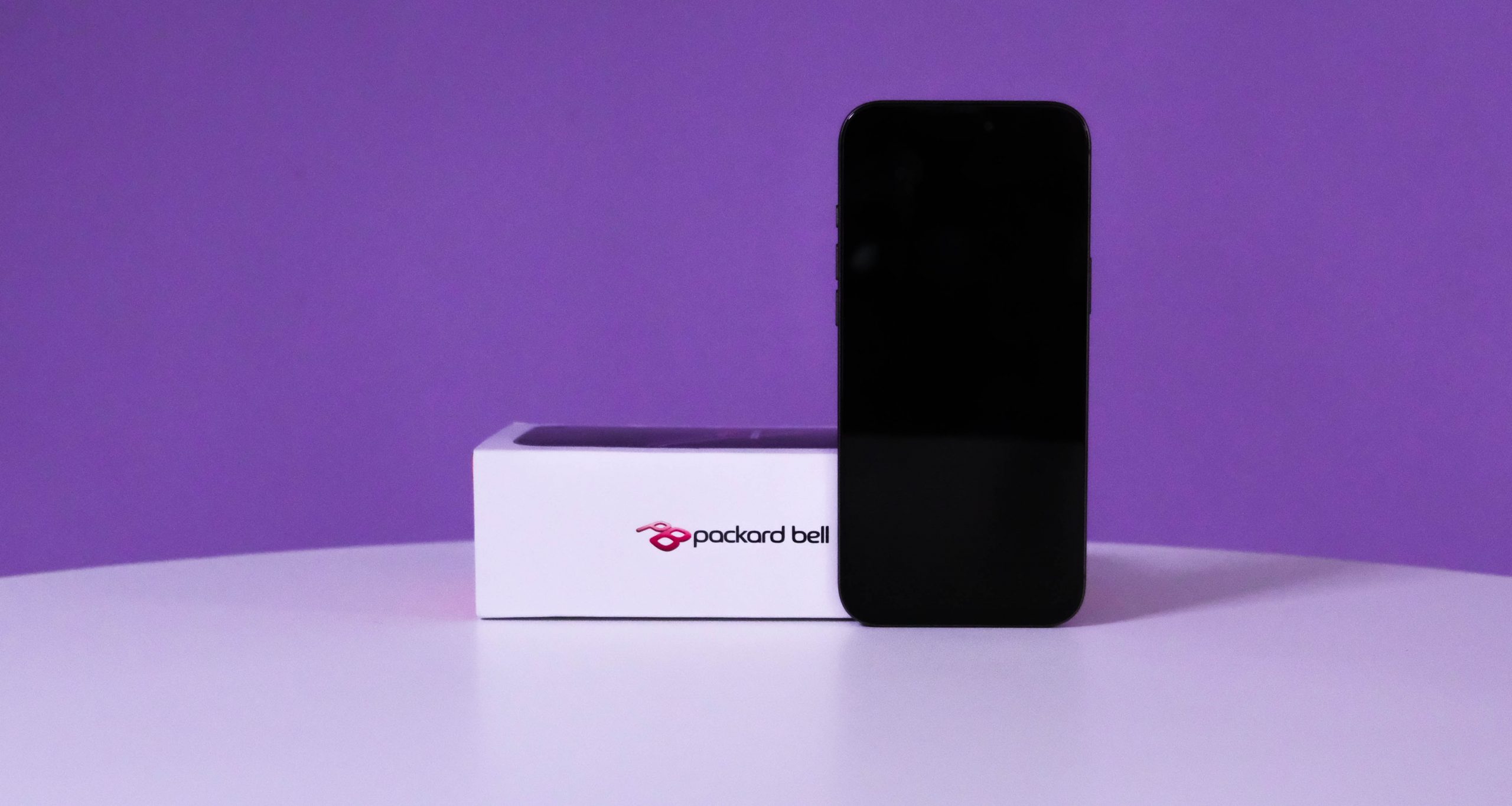 It’s when we start poking around inside the Daytona G16 Pro that we start getting some idea of where this phone hails from. The 6.75in display uses a 720 x 1,560 IPS panel capable of up to 500 nits of brightness. Tucked away behind this is a Unisoc T606 processor, 6GB of RAM (with an extra 8GB of virtual RAM), and 128GB of storage. It’ll accept up to 256GB of extra storage via the SIM tray’s microSD slot.
Its closest living relative, as far as we can make out, is the Ulefone Note 20 Pro, an older handset that features many of the same specs. There’s also a chance that it’s related to the HTC Wildfire E5, which is a closer match in some areas. ZTE or itel, both companies known for producing phones for other brands, could also be involved.
Whoever actually made this thing — it probably doesn’t come direct from Packard Bell — did a fair enough job, especially for R2,000. It’s not especially powerful, performing in line with its price tag, but there are some redeeming features in the Android 15 software the Daytona G16 Pro is running.
The interface actually puts us in mind of a less-irritating version of Samsung’s old OneUI Android skin, with big, obvious menus and icons. But, unlike the typical Chinese Android, there’s almost no bloat. We’re not sure if that’s because someone else cleaned it up before we got it, but it’s pleasant to do a fresh setup and not have to remove adware, dodge nag screens, and just use some good old Android.
Fifty whole MPs
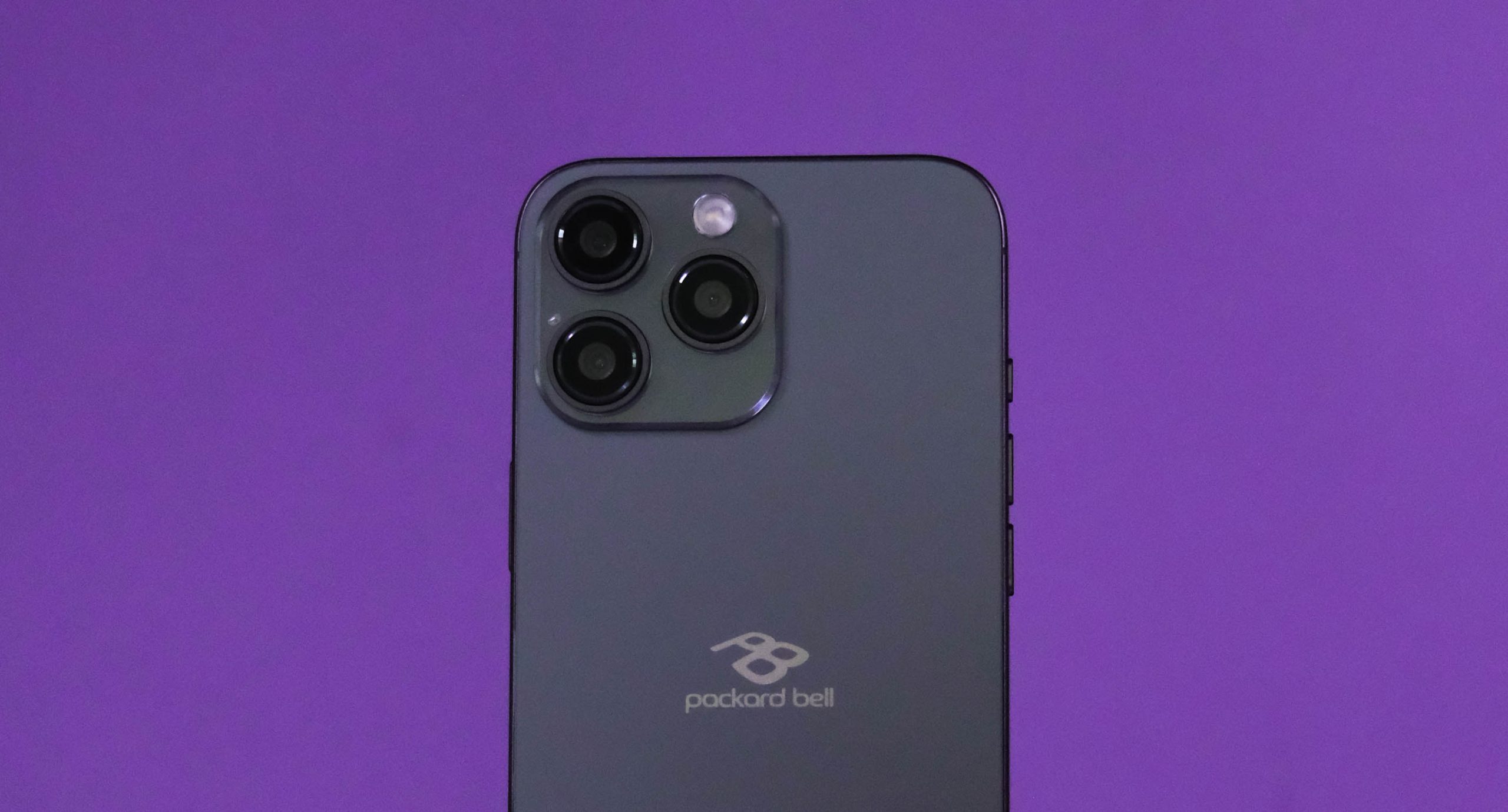 As you might expect from a budget phone, the Daytona G16 Pro doesn’t go too hard on the camera front. The company advertises its 50MP Dual Pixel AI camera, and that is indeed the best bit of this one. There are what look like three sensors on the rear, plus an LED flash, but for the life of us, we can’t figure out the third sensor. The main 50MP we get, plus the secondary 0.8MP. Not a clue as to the last lens in the trinity, however. It’s probably not hooked up to anything.
As image quality goes, it’ll take some patience to snap your shots in anything other than perfect lighting. There’s plenty of light bloom when taking pictures in even vaguely challenging light, even when the camera is set to Ultra Res.
We found the software interface to be finicky, too. Sometimes the camera shutter wouldn’t fire, a problem that only occurred in the default Capture mode. The fingerprint sensor/shutter button always worked, however. Burst shots are consistently blurry, but the Portrait and Pro modes produce decent images if you’re willing to put in some effort.
Packard Bell Daytona G16 Pro verdict
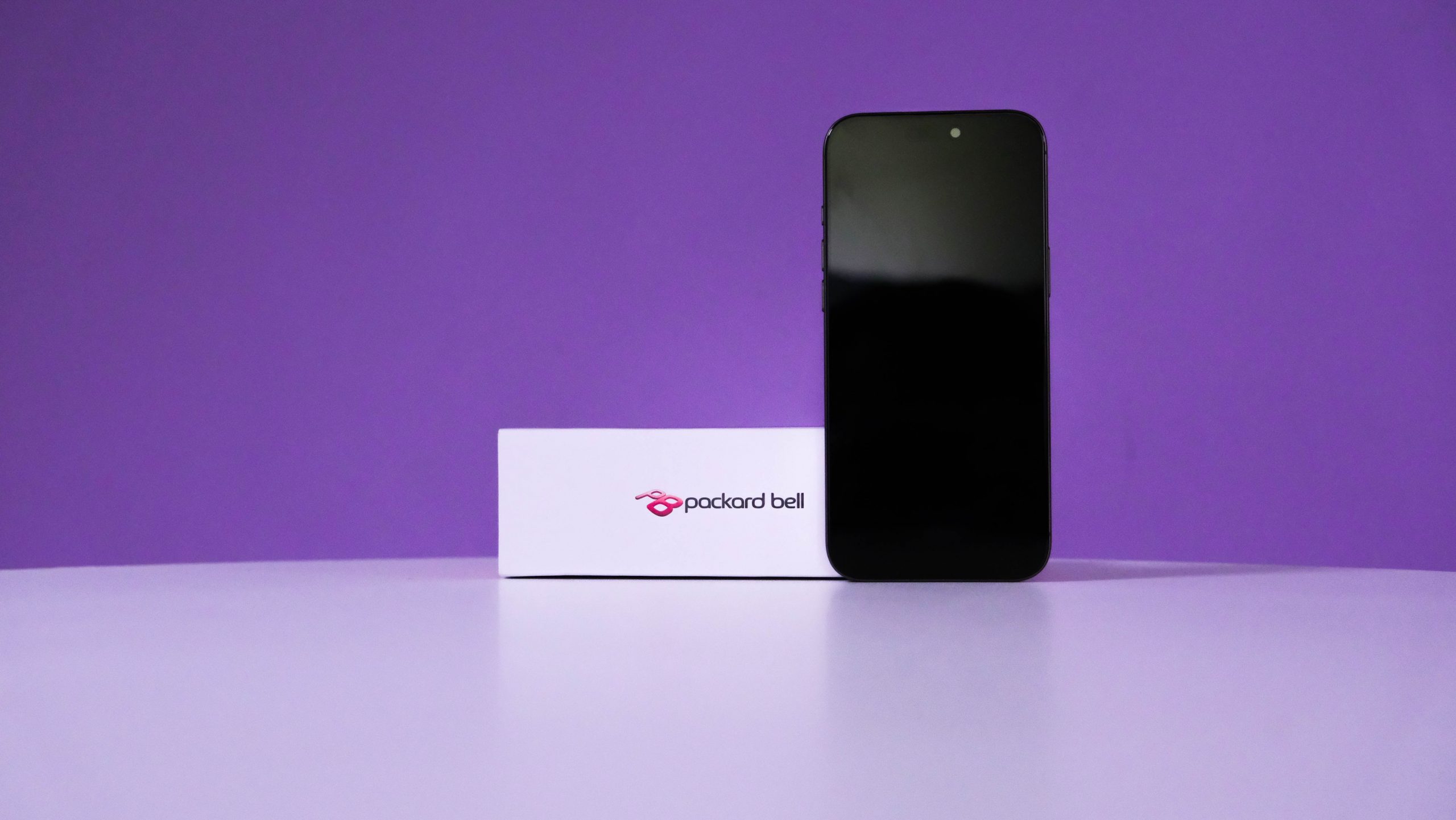 The Packard Bell Daytona G16 Pro actually surprised us in a few areas. The range of physical buttons is unusual, and the whole design is unexpectedly good. At R2,000, it was never going to offer high-end performance or photography, but it’ll get the basics done well enough. Well enough for the price, at any rate. And then there’s the novelty factor. No matter who actually made this thing, it’s still a Packard Bell phone. That’ll prompt some curiosity among folks who remember who or what Packard Bell is.
Even better, you can capitalise further on the mystery. The only information we were able to find concerning this particular model all originates in South Africa. Messed up search engines, or global exclusive? You decide.