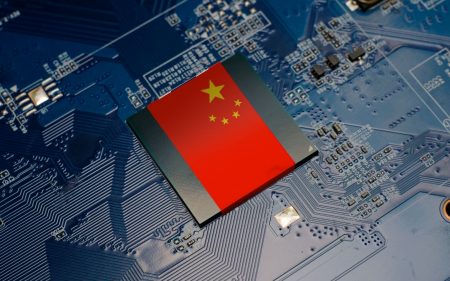

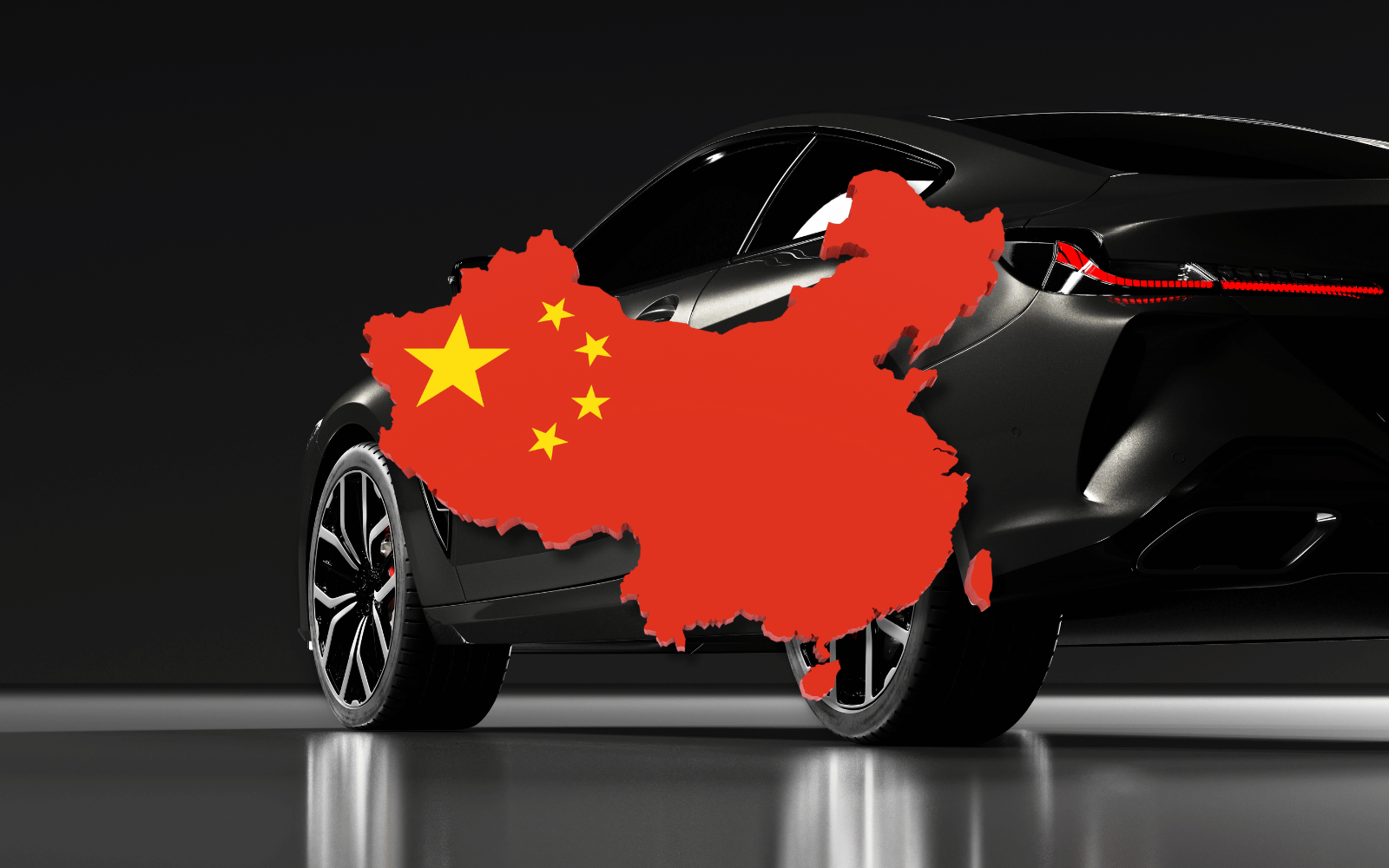
China has probably abandoned the idea of military conquest and empire building, instead settling on what Civilization players know as an ‘economic victory‘. Its sudden surge of motor vehicles entering the South African market, a pattern that closely mirrors the country’s rise in smartphone dominance from 2012 onwards, indicates that it is well on its way.
The country’s motoring brands and sub-brands have increased their presence on South African roads in recent years, helped along by highly competitive pricing and improved quality in the models that turn up on our shores. The expansion of China’s motoring industry isn’t confined to South Africa, of course. Pretty much everywhere that isn’t Russia or America is in the country’s sights. How did we get here?
Chinese companies once had a very different reputation from the one they have now. ‘Made in China’ used to be shorthand for ‘cheap plastic junk’. Certainly, depending on your chosen marketplace, that’s still true. Some vendors on Temu and Aliexpress ship seriously shoddy knock-offs, but that’s less common than it once was. How and why that’s changed is a subject better left to an economic historian, but the answer is still the same: “Made in China.”
Stuff remembers the very first Huawei smartphones to land in South Africa. Even clearer was the arrival of the first Xiaomi handset, circa 2013 or so. Huawei wasn’t the power it was to become by 2018/2019, when Donald Trump’s administration kicked its global commercial ambitions square in the nuts. It was hardly on the radar compared to the more established names: Nokia, BlackBerry, Apple, Samsung (though Samsung had yet to achieve its current heights), and others.
But that first Xiaomi smartphone, with a design knocked off from Apple’s then-current iPhone, was a sign of things to come from Chinese brands. It was cheap, even for the time. There were obvious corners cut, but the bits that were on target far exceeded the asking price. Over the next few releases, we saw Xiaomi’s phones launch with no more than two compromises. Often it was only one, and it was never the same one. Still, pricing remained cripplingly competitive. A few short years later, nobody could claim that a Huawei or Xiaomi smartphone was a step down in quality.
Pricing hasn’t remained rock-bottom, but even now, slightly superior hardware is cheaper to acquire than it is elsewhere. If not for Huawei’s American hamstringing, Samsung may not occupy its current place in the smartphone world.
A similar process has been playing out over the last few years in the automotive market, with Chinese brands arriving (occasionally with dubious quality vehicles to sell) in the country at prices that make them attractive to an increasingly price-conscious population. Names that had never touched South African shores — Omoda, Dayun, BYD, Jaecoo, Chery, JAC — have popped up everywhere. Chery was one of the first, and its initial reputation… wasn’t stellar. It entered the market in 2008 and departed by 2018. It popped back up in 2021 with a new product line, a path that led to, apparently, incredible popularity for the brand. A brand-new SUV for R270,000 is difficult to ignore.
How did China get here? The answer, perhaps surprisingly given the country’s political reputation, is capitalism. Enough manufacturing was outsourced to the country’s cheap labour pool to facilitate the creation of enormous manufacturing regions, each dedicated to a specific type of product. Shenzhen, Dongguan, and Suzhou are some of the major areas your tech has components sourced from. Much of the iPhone’s work is done in Zhengzhou.
The same is true of many of the tech components that live inside the vehicles the world drives. That, plus increasing partnerships with the likes of VW, GM, Honda, Toyota, and others, has allowed China’s auto makers to rapidly encroach on the rest of the world’s market share. Hangzhou-based Geely counts both Volvo and Lotus as sub-brands under its auspices.
‘Made in China’ is no longer an epithet. It probably sounds more like a threat to entrenched local markets around the world that can’t afford to scale as rapidly as heavily industrialised Chinese manufacturers can. It’s also hard to compete with components made in close enough proximity that lengthy, expensive voyages aren’t needed to fully assemble a product. American companies that require components from China have to deal with transit costs and wait times before they a) sell them in the States or b) send them overseas. Either way, the cost-to-creation is higher than it is for Chinese manufacturers.
China’s motor vehicles, as with its smartphones, largely only have one major logistics expense — getting the finished product (however it was made) to its destination. These same challenges are faced by every other vehicle manufacturer, but non-Chinese entities deal with more overhead, expenses that Chinese companies don’t typically face. It’s the same access to parts, resources, and knowledge that drove China’s smartphone industry with such rapidity, happening with motor vehicles. And, barring someone slamming the brakes on for one of the country’s major players, it’ll be incredibly hard to stop. Assuming you even wanted that outcome in the first place.