
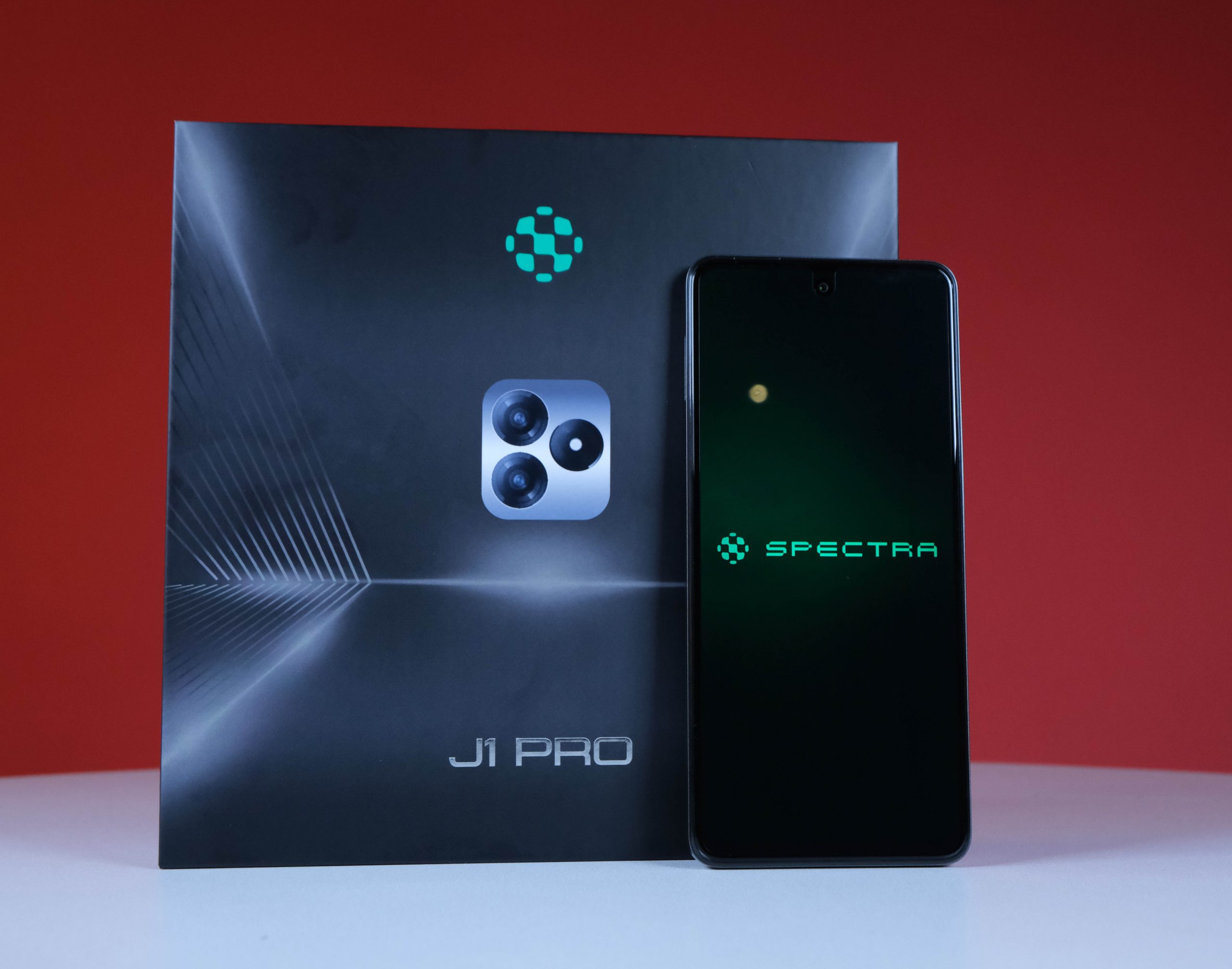
Budget phones sell because... well, folks are on a budget. If your budget encompasses Spectra's J1 Pro, you'll find it's the full Android experience in a very affordable body. Everything works, if not equally well. As a social media device, its performance is below par. As an everyday pocket computer, it'll handle most of what you throw at it. Except gaming. It doesn't like gaming.
-
Design
-
Display
-
Performance
-
Battery
-
Camera
-
Value
What can you expect from a R2,000 smartphone? That’s a question we’re constantly asking at Stuff, and it’s surprisingly hard to answer. Not because there’s a shortage of hyper-budget phones like the Spectra J1 Pro — we’ve seen a load of those in recent years — but because brands battle to share them.
That wasn’t a problem with the Spectra Mobile J1 Pro, a R2,000 smartphone currently available at various South African retailers. This one was practically fired at us from a cannon, and we were happy to take the impact. How often do we get to handle something new, after all?
Premium ambitions
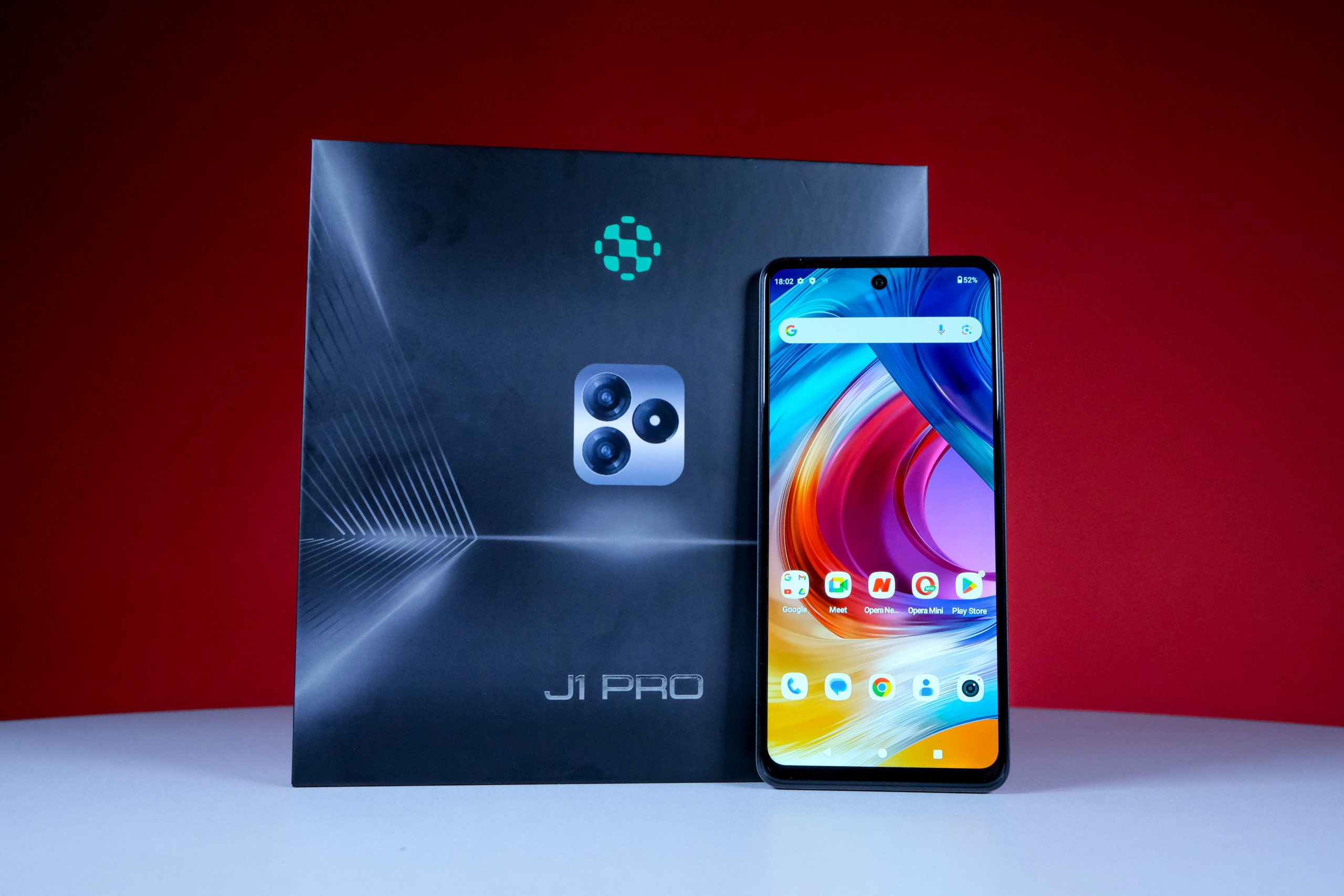 You’re not in for any surprises from the J1 Pro’s design, but that’s the case for any smartphone on the market. It’s all about the materials and the look of the materials. At this price point, it’s not going to feel premium, but dammit, Spectra will try to make it look good. The candybar shape is angular along its edges, in the vein of older iPhones, while the plastic rear panel saves weight compared to glass or aluminium alloy.
Beyond the physical buttons (upper left edge) and SIM tray (upper right), the J1 Pro’s other bits all live along the bottom. A speaker vent, 3.5mm input, and a USB-C charging port occupy space there. Our review phone arrived in Space Grey livery (more shades of Apple) and, honestly, looks like it costs more than two grand a pop.
This carries over to the packaging, as a matter of fact. Spectra supplies a charging brick (the phone supports just 20W of wired charging) and cable, as well as a set of wired headphones. These are neatly packaged alongside the phone in a box that makes other brands look like they’re not trying hard enough. Of course, it’s not what’s on the outside that counts. Right?
Fast enough for you?
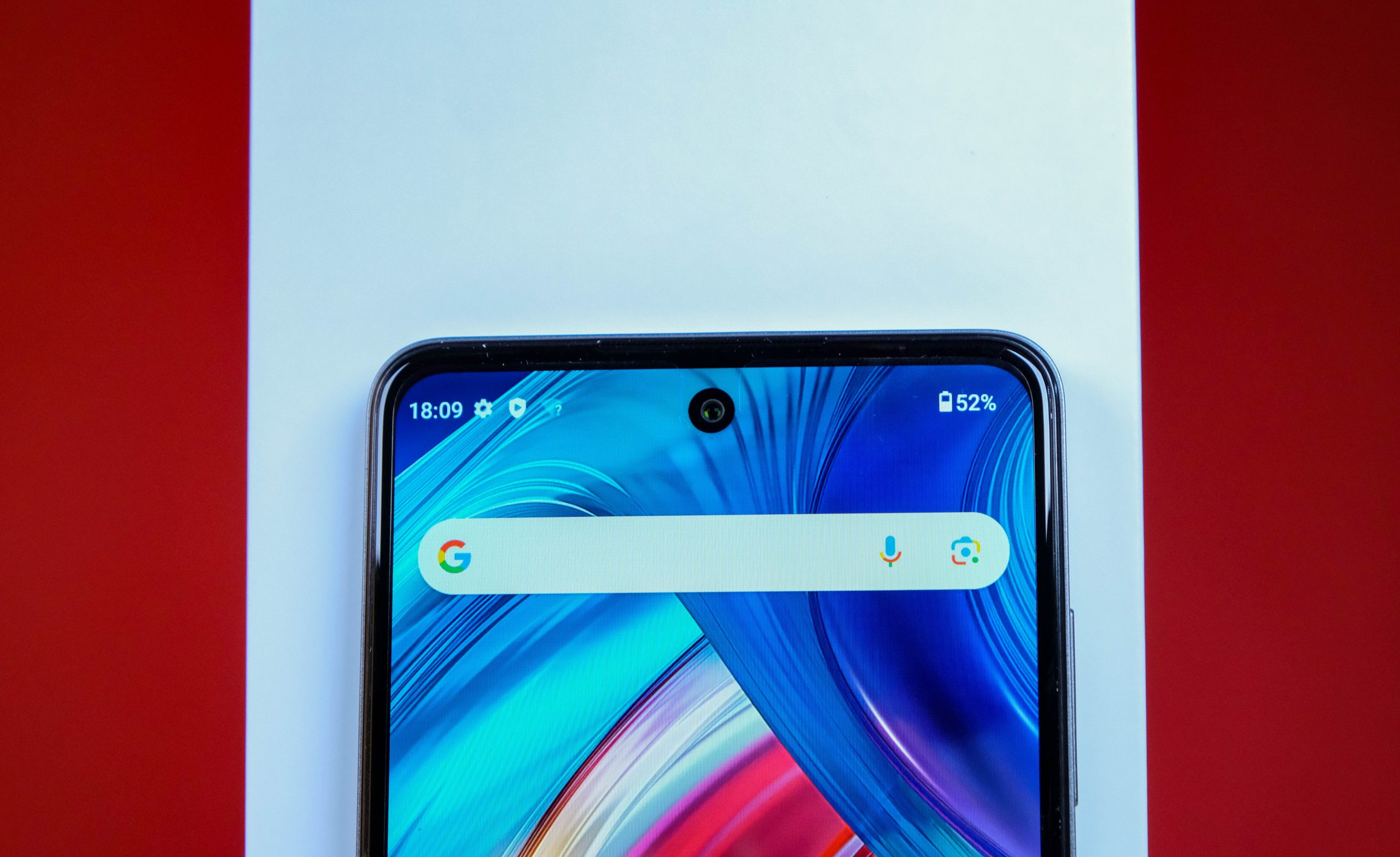
The J1 Pro gets the look mostly right, to the point where you’ll have to handle it to get an idea of the price tag. The 6.56in display is bright and colourful, handing off enough detail from its 720p panel to make the mobile version of Netflix tolerable. A Unisoc Tiger T606 processor, a budget line from the Chinese semiconductor fabricators, powers the show, with 4GB of RAM and 128GB of storage helping out.
Performance is tolerable for a budget smartphone, but the preinstalled versions of Opera Mini and TikTok Lite should give you a heads-up on what to expect from it if you’re trying to multitask. The 90Hz IPS LCD keeps up with standard usage — browsing, messages, making calls (if you still even do that) — but it’ll chug along if you ask it for more demanding work. It was never going to set the world on fire, but it’ll light a match or two for you if you need it.
The chipset from Unisoc means that internet speeds are limited to 4G, so don’t expect blistering streaming in your downtime. The 5,000mAh battery handles a day’s usage just fine, but you’ll have it tethered to a wall longer than you’d like with its 20W recharge speeds. Even Samsung’s budget range does it better, albeit with lower storage.
Watch out for the five-oh
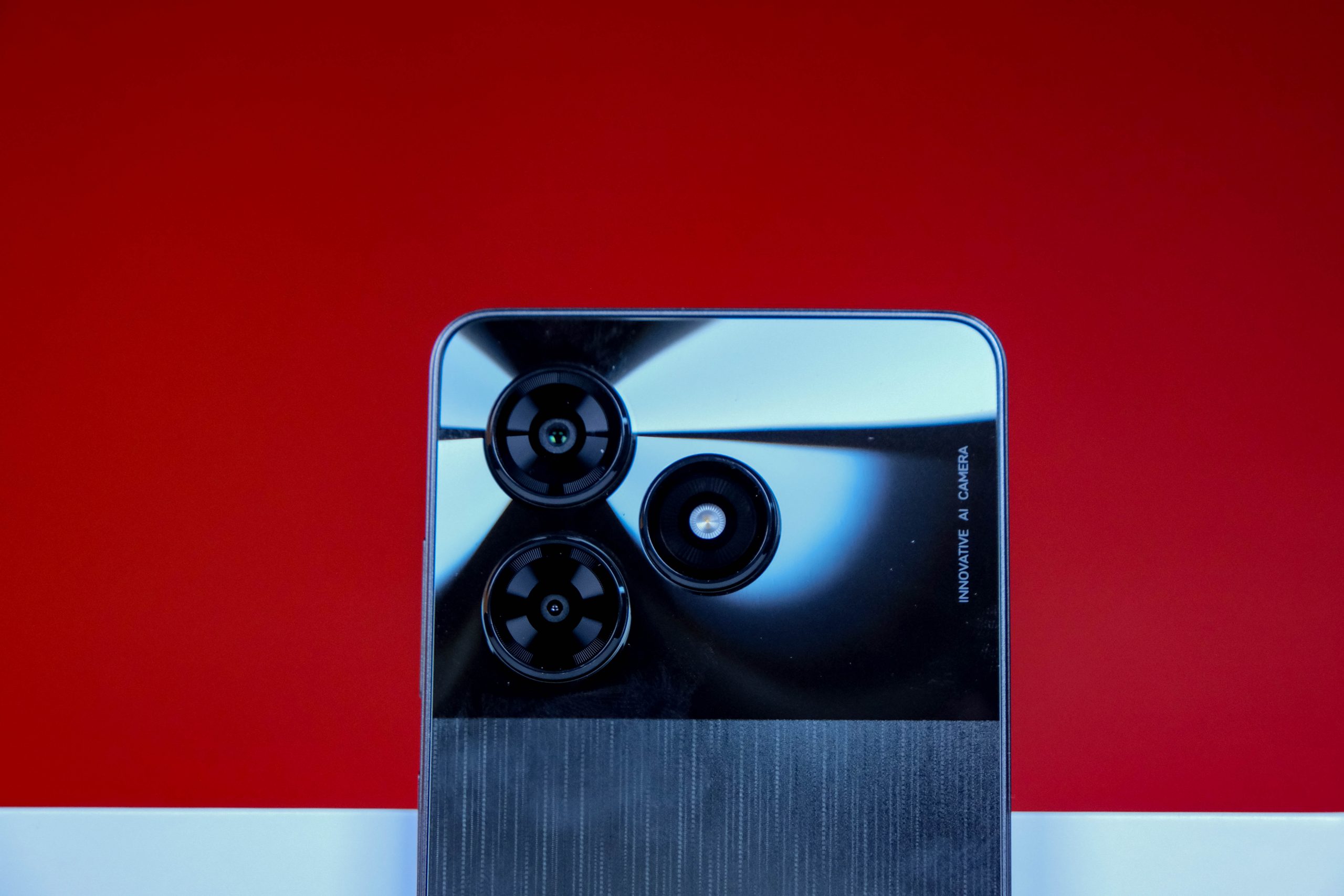
The main drawcard, beyond the above-average display, should be the 50MP main camera sensor and the front-facing sensor of the same size. In practice, the rear pair — there’s just a 2MP companion lens, with the third circle hosting the LED flash — are heavily dependent on good lighting to snap acceptable images. The phone’s Android 14 OS has at least a few software smarts to make up for poor environments, but there’s noticeable lag as these kick in. Even then, unless you’ve got adequate light, you can expect grainy, sometimes soft images from the rear.
The 50MP front-facing camera fares little better. The ‘beauty’ mode that’s active by default will smooth out your face so much that you might be convinced you’re trying to catfish yourself. This can be tweaked (or turned off entirely) if you’re a fan of reality-based reporting but the large pixel count does little to handle even slightly gloomy conditions well.
Grainy images are the order of the day, but that’s no less than we expected from the J1 Pro. Again, look at the price. You’ll be fine with sharing its snaps on the family group chat, but it won’t do much to bump up your social media standing unless you’re highly strategic with your shots. And don’t have all that many followers.
Spectra J1 Pro verdict
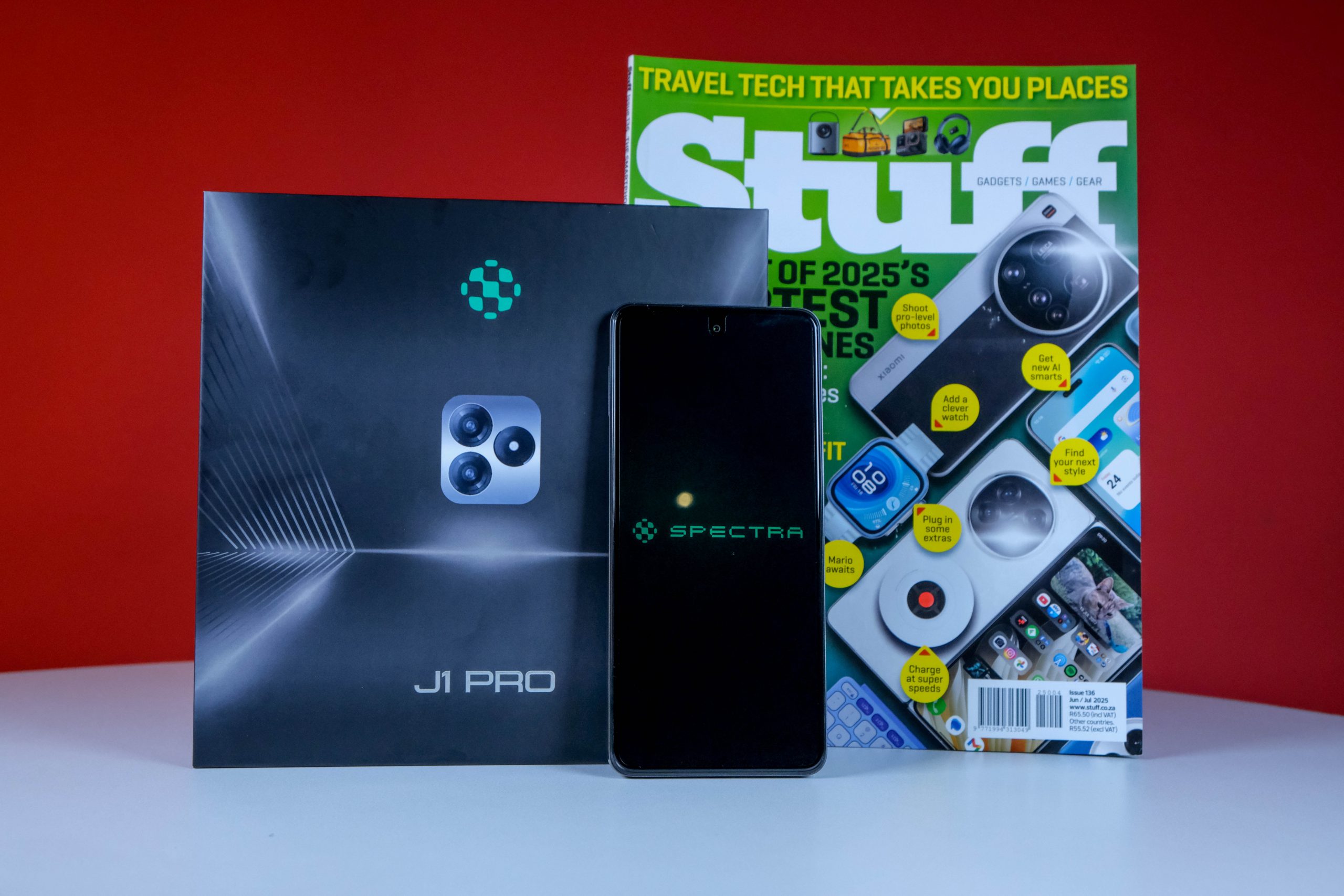
As far as R2,000 smartphones go, the Spectra J1 Pro did what we were expecting. It offers enough software functionality and hardware performance to give users the full smartphone experience, but like Google’s Chrome browser, if you overload it, it’ll begin to object to the treatment. Camera-work is acceptable but we reckon the high megapixel counts could be a touch misleading.
The J1 Pro gets by on its presentation, which it absolutely nails. From the box to the chassis, it looks pricier than it actually is. It’s also a somewhat unknown quantity but, as far as we can find out, Spectra’s phone is a slightly upgraded version of the Philips S6310 Essence 20, an obscure handset that launched in India last year. There are minor upgrades in this model and, if they’re not directly related, we strongly suspect they departed from the same factory floor at some point. Still, for two grand, it could have gone a lot worse.