
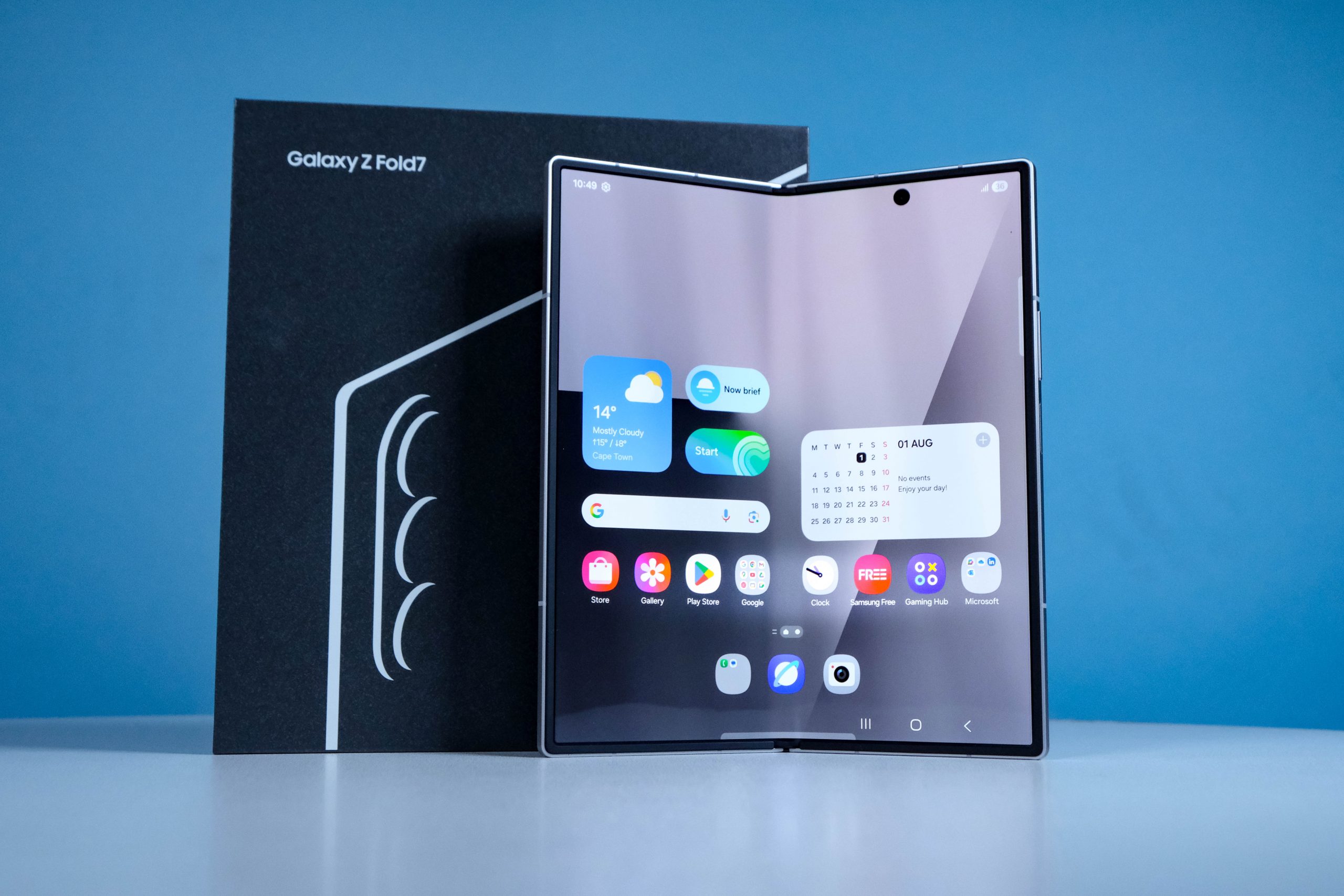
The best Fold so far? Of course it is. That's no surprise, nor are there many others to be had. There's no revolutionary jump to speak of, just refinements of a previously functional ideal. Whether you'll stick a Galaxy Fold 7 in your cart depends on a few factors -- when last you bought one (if ever), whether your bank account can stand it (if ever), and whether you're prepared to buy a case for it (if ever). The hardware and software on offer will speak for itself.
-
Design
-
Performance
-
Battery
-
Camera
-
Value
Samsung’s Galaxy Z Fold 7 is the South Korean company’s latest attempt at dominating the global folding smartphone market, and, if previous performance was anything to go by, we expected good things from the new entry. Not surprising things, but certainly good ones.
There are a few standout changes here — better cameras, a thinner profile, and lighter weight. There’s also supposed to be a strength increase, something we’re not comfortable testing to destruction since Samsung takes its phones back when we’re done with reviews. We’ll take their word on the titanium lattice structure’s chops, but we’d be lying if we said we hadn’t given it a few experimental pokes and prods. It feels solid enough.
Dual wielding
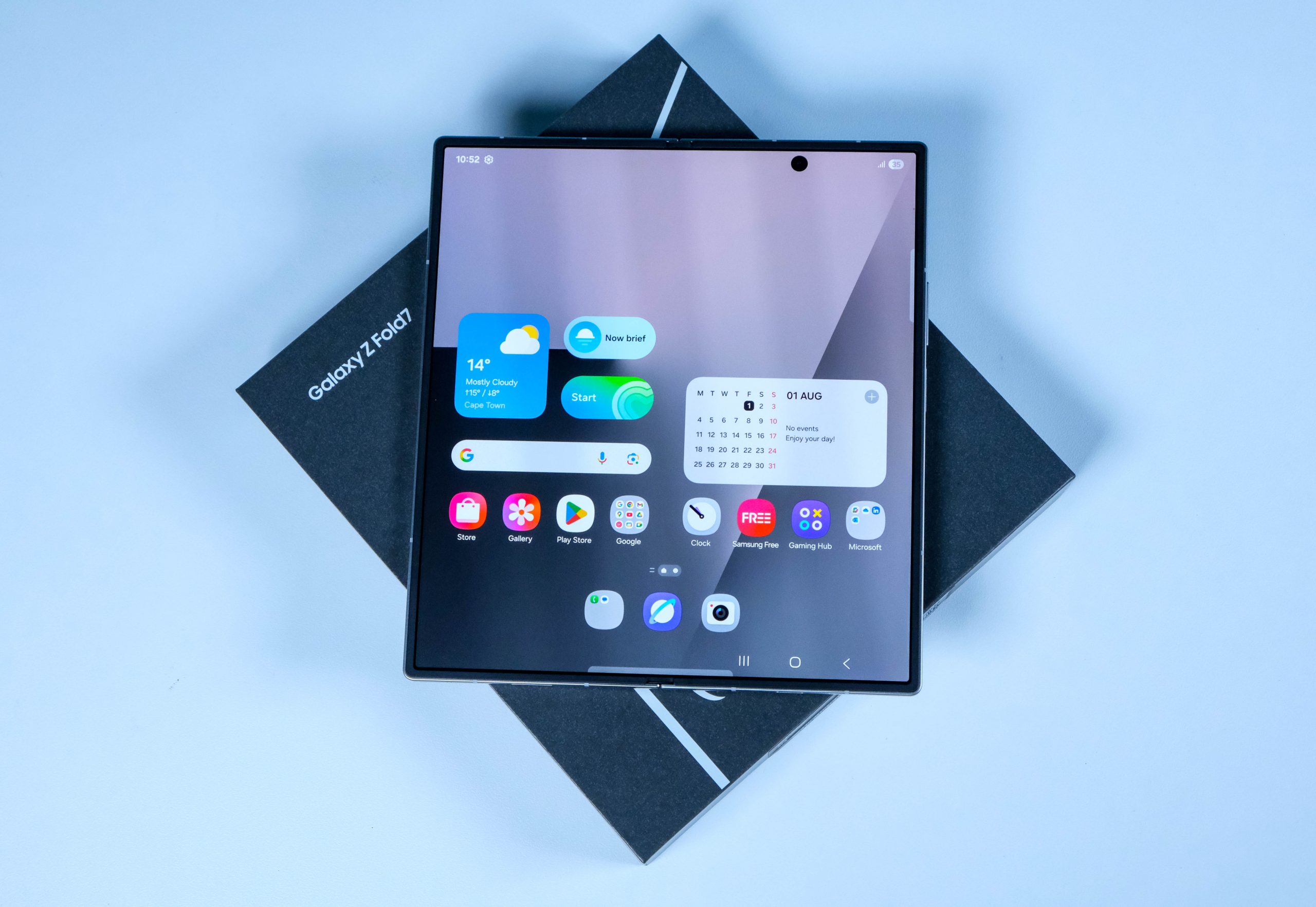 The main benefits of any folding smartphone are dual-screen functions and increased internal screen space. Samsung’s Fold 7 hasn’t dropped the ball here at all. Whether you’re on the internal or external displays, you’re in for a good time. The 8in foldable AMOLED has all of the modern accoutrements: dynamic 120Hz refresh rate, HDR 10+ support, the works — the same as featured on the 6.5in outer screen, which adds Gorilla Glass Ceramic 2 for extra protection. But we’re not here for the outer display. Not really.
Samsung’s folding screen also features a brilliant 2,500 nits of peak brightness, more than enough to make it viewable in direct sunlight. It also makes initial usage of the phone a touch confusing. The crease — the section of screen that folds over — is rendered entirely invisible when in use. So much so that we accidentally tried to fold the Fold 7 over the incorrect axis more than once during review. That was one of our more impressive experiences with this handset.
Hinge profile
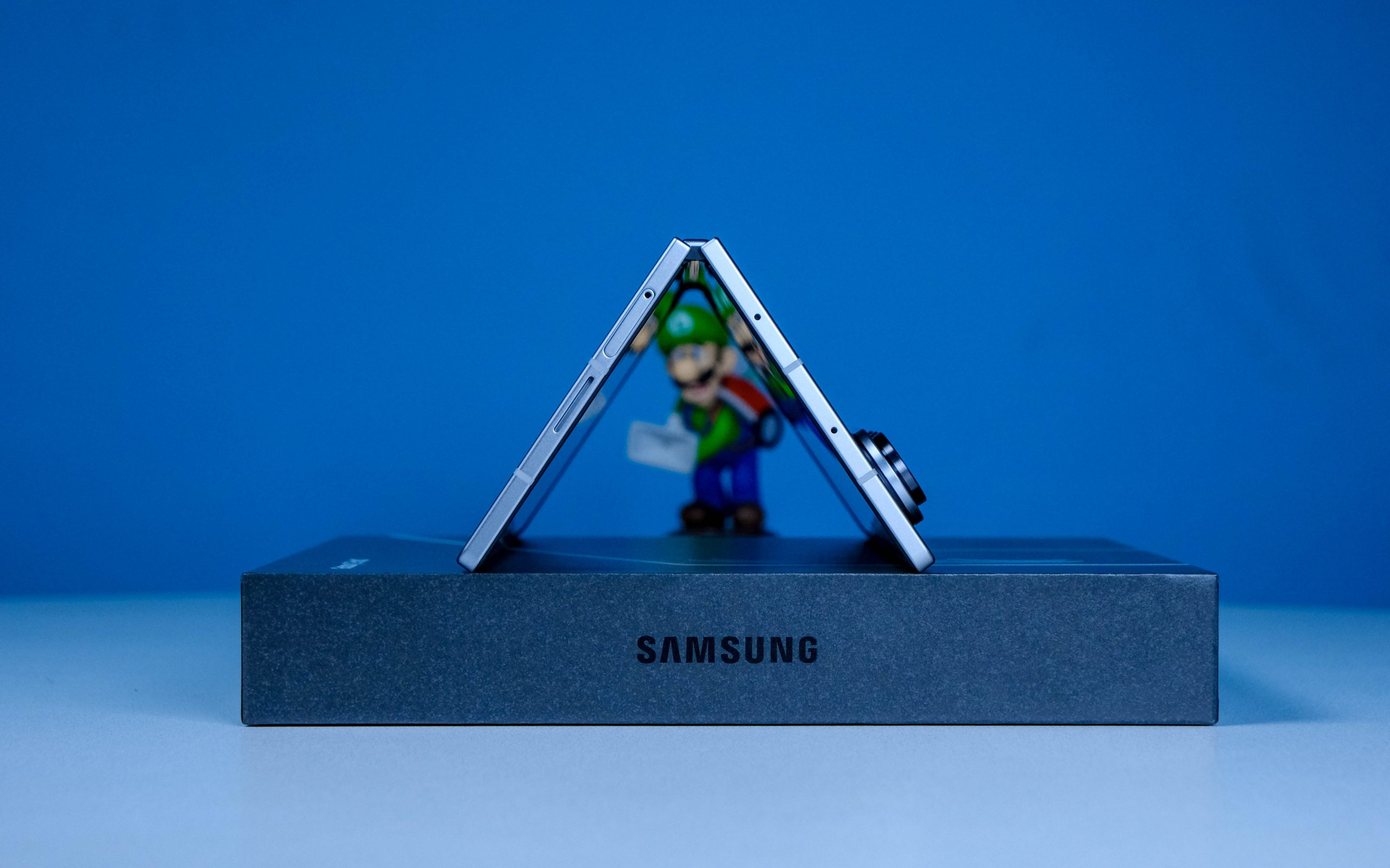 Another area Samsung has put in effort is mostly invisible. The previous hinge was chucked out in favour of a more complex arrangement that better supports the new, thinner chassis. The phone measures just 4.2mm thick when open, a size that should feel flimsy. It, of course, does not. The opposing faces maintain stiffness, helped by the new multi-rail hinge that lets users fold the Fold 7 completely flat.
Weak points, if they exist, are invisible when opening and closing the phone. Just enough effort is required to pry the two faces apart. We were less impressed with the phone’s balance with the Fold 7 used partially open. It’s tempting to use it as a miniature laptop — indeed, most Samsung and Google apps are built around it — but the camera bumps caused rocking (when on the bottom face) or tipped the phone over (when part of the upper section). Samsung reckons that you’ll stick your R50,000 smartphone in a case, which should alleviate the balance issue. We… didn’t do that.
Chasing the (Snap)dragon
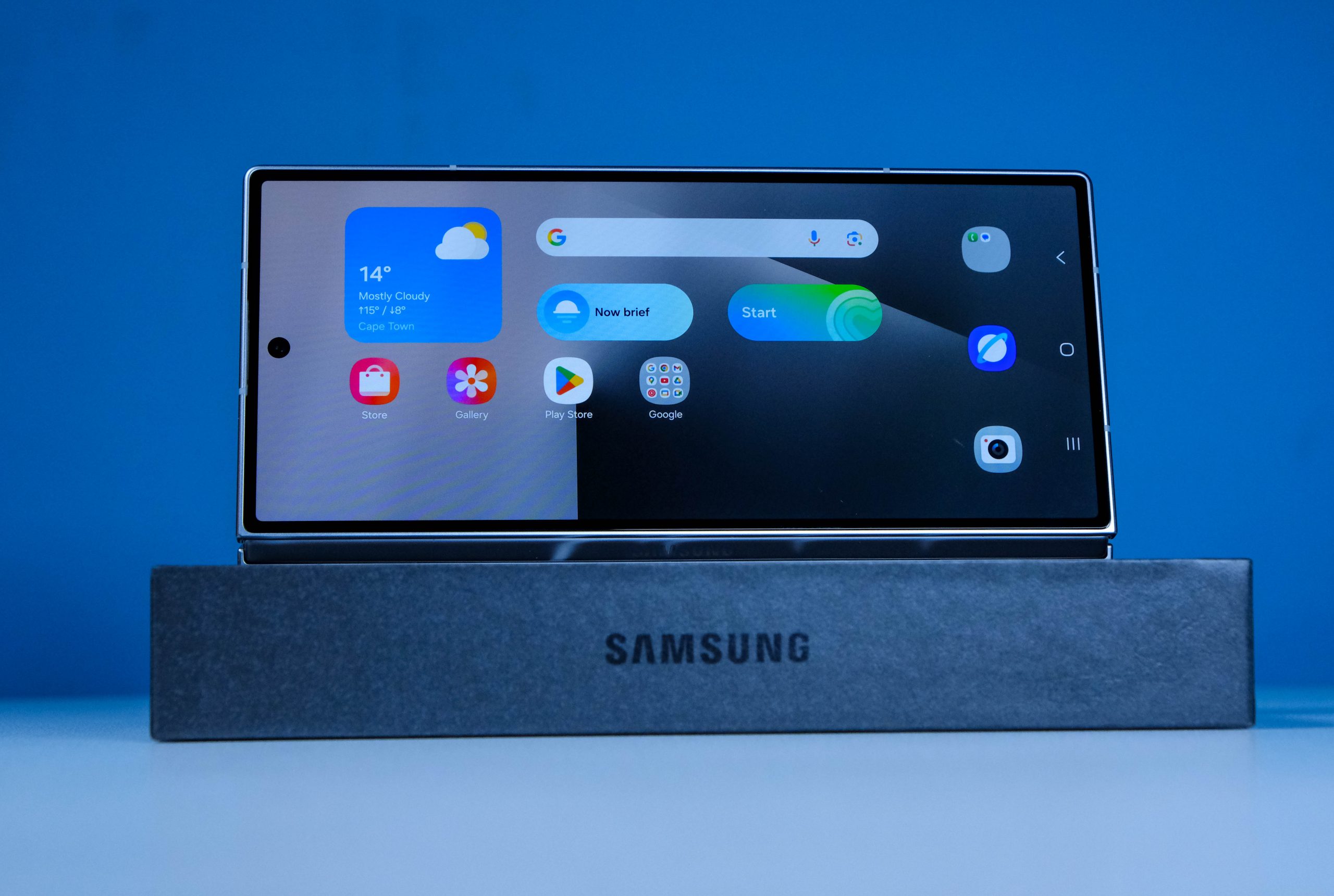 We’re not going to chase down too much of the Galaxy Fold 7’s performance, mostly because you’ve heard it all before. A custom-tuned Snapdragon 8 Elite chipset runs the show, with the 3nm chipset supported — here at home — by at least 12GB of RAM and 256GB of storage. Opt for the priciest version of the phone, and your R52,700 payment will net you 16GB of RAM and a solid terabyte of space. There’s no real need for that, unless you’re a specialist phone user.
Even with the default configuration, apps are snappy and responsive. Anything made by Samsung or Google will jump to attention if you so much as glance at it hard, while multitasking on two screens is similarly speedy. Editing images or social media footage is a breeze, but intensive use will cause the phone to heat up. It’s just over 4mm thick, so this is to be expected. If the 4,400mAh battery starts to bulge, on the other hand…
Hopefully that’ll never happen. It probably won’t. The Note 7 debacle has made Samsung very conservative with its battery tech. That’s handy for preventing issues, but it causes a few non-explosive ones. More frequent trips to the charger are more of an inconvenience than a problem, but more capacity would be nice for a phone this powerful.
Ultra instinct
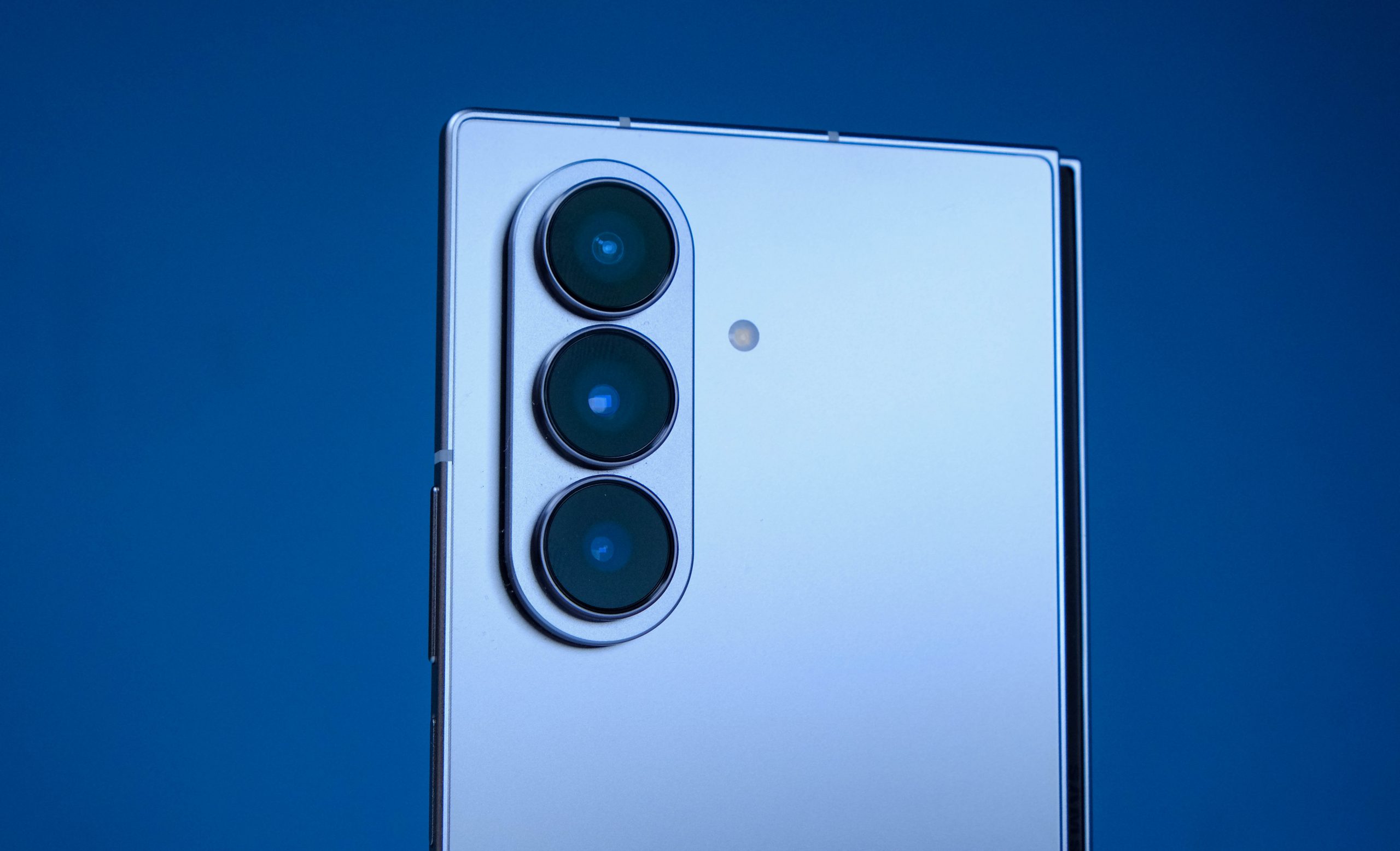 That’s more relevant than ever in 2025, since the Fold 7 has corrected a long-standing issue with Samsung’s folding handsets. Up till now, the range has featured Samsung’s camera sensor B-team. Like walking into a strip club on a Tuesday morning, we were never disappointed with what we saw, but there was always the sense that it could be better.
Well, now it’s better. Almost up to the scale of Samsung’s mainline flagships, thanks to the inclusion of a new 200MP sensor. Optical image stabilisation, multi-direction phase-detect autofocus, and an f/1.7 aperture offer a substantial performance boost over the Galaxy Fold 6, quite aside from the increased megapixel count.
The supporting 10MP telephoto gives users 3x optical zoom, while the 12MP ultrawide is the better performer in terms of visual fidelity. Combined, there’s an impressive range from the Fold 7’s cameras in both day and night conditions. Clarity and sharpness are present in almost every shot (photographer skill depending), while shutter lag has been minimised. There’s sure to be some software assistance in there somewhere. It’s everywhere else, after all.
Exploring the Galaxy AI
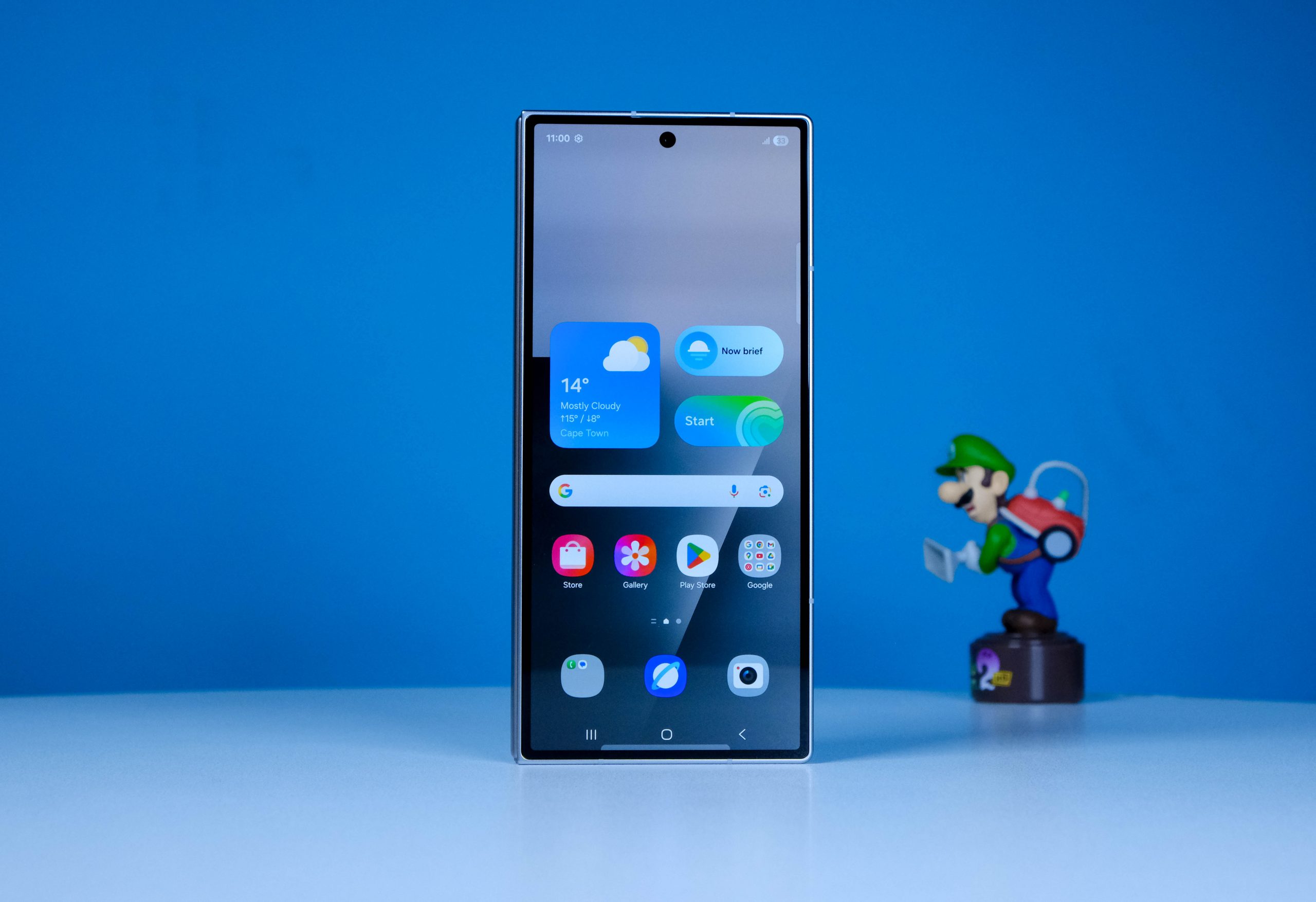 You didn’t think Samsung was backing down from its AI ambitions, did you? The slimmer frame and camera upgrade aside, the rest of the hardware is as incremental as the past few releases. The difference is in the software, which amplifies Google’s efforts in that direction. Even then, though, the differences are iterative.
Nothing especially novel has come to Samsung’s OneUI Android overlay. Translate and recording functions are a touch smarter, and image editing has also seen a slight upgrade. Circle to Search expands to work in more places, including gaming, but the best part of the Fold 7’s software is its handling of multiple app windows. The process is smooth, helped along by the device’s power, but loads of AI-laden apps will also try and snag your attention at least once.
That could get annoying if you’re a regular Samsung user or overwhelming if you’re not. It all depends on whether you’re firmly on the AI bandwagon or not. For multi-screen nous, you could grab the same functions from the company’s Galaxy Tab S range. But we’d like to see you fold that up and slip it into a pocket more than once.
Samsung Galaxy Z Fold 7 verdict
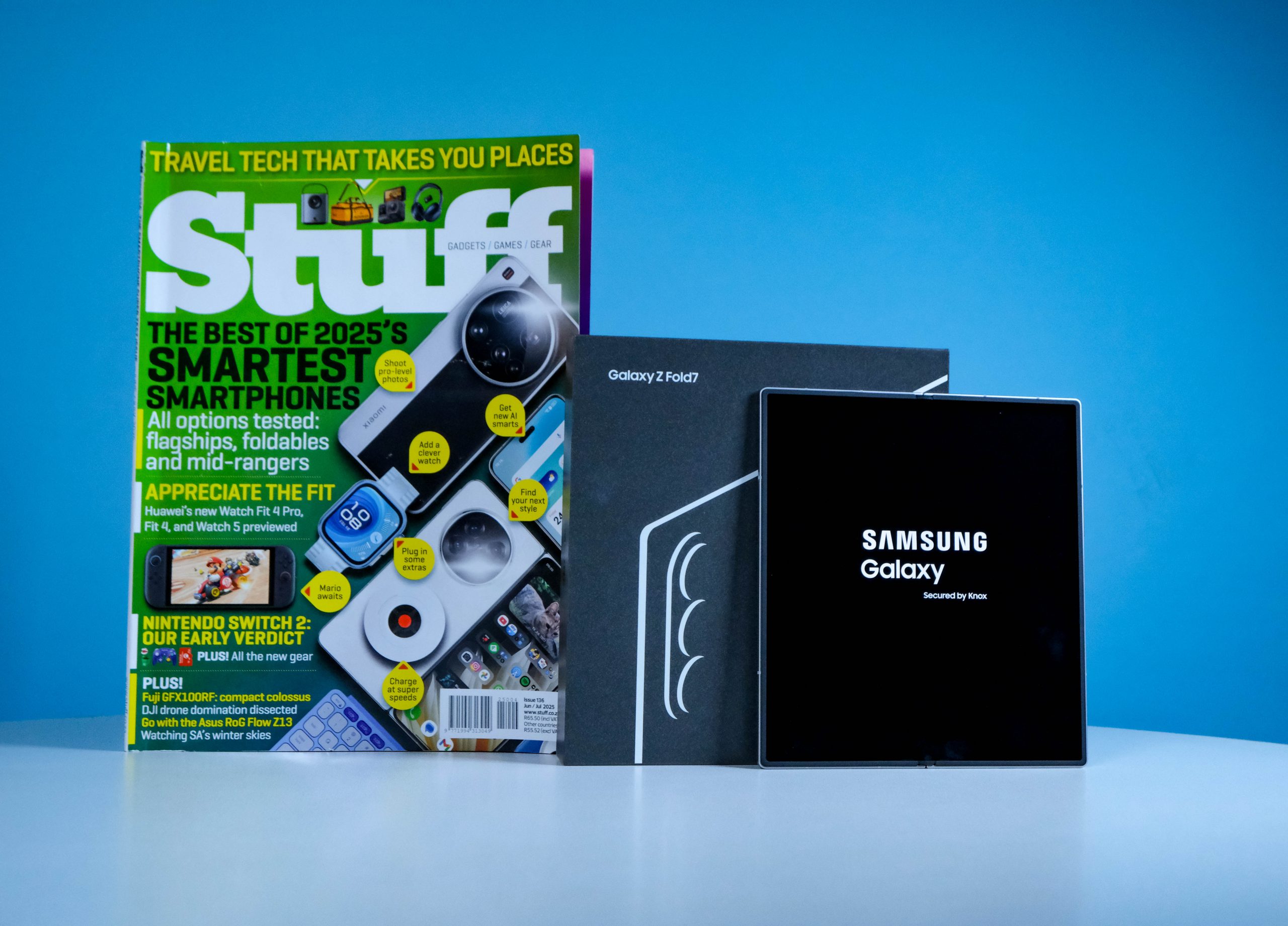 If you’re coming from a Galaxy Fold 4 or earlier, the Fold 7 will feel like a massive upgrade. The change in form factor also makes it easier to handle than the Fold 5 or 6. In those cases, however, performance upgrades feel more incremental, and the software upgrades… well, you’ll probably get those eventually.
When a smartphone starts at R50,000 or thereabouts, it’s got to be something special to convince you to part with the cash or sign that contract. Samsung’s Fold 7 is certainly special enough to make you consider it, at the very least, but it’s a tougher call if you were previously convinced in 2023 or 2024. The major issue fixed this time around is the camera, which constitutes a must-buy upgrade for a certain user. There will be more of those than there will be of folks miffed about the departure of the S Pen. Samsung will probably sell a bunch of these handsets, and rightly so — for the folks who can afford one.