

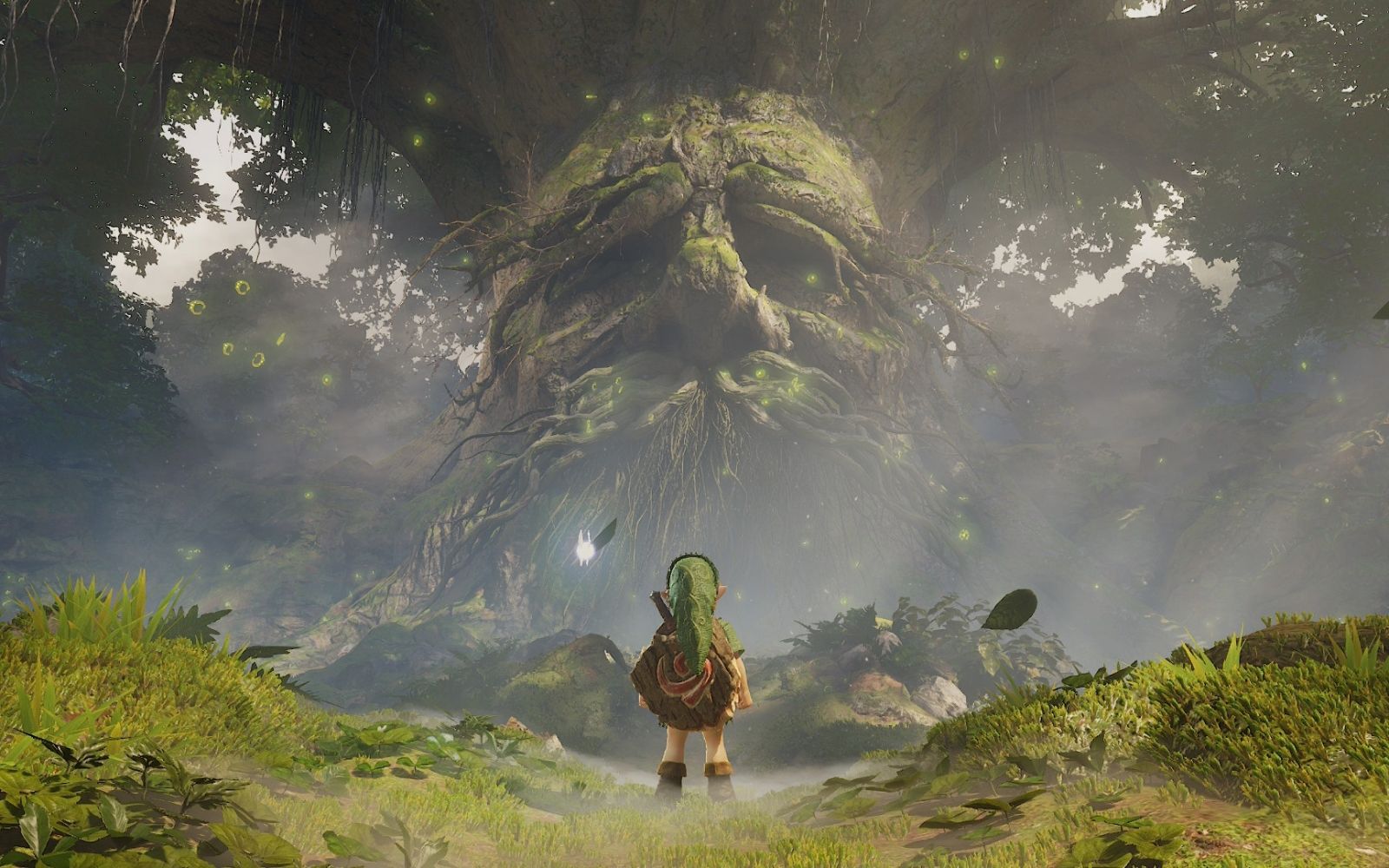
The Legend of Zelda: Ocarina of Time is proof that some games deserve to be revisited. This Switch 2 remake isn't without its quirks, particularly when it comes to the controls and character designs, but there's very little that actually gets in the way of what is truly a timeless adventure. Newcomers are in for a real treat, while returning fans have plenty of reasons to dust off their ocarina.
-
Visuals
-
Gameplay
-
Performance
-
Music
-
Value
The Legend of Zelda: Ocarina of Time is one of those games we always knew we should play, being massive Zelda-heads, but various hardware challenges never quite permitted it. We finally made our way through the original 1998 N64 version through the Classics library on the Switch 2, but put it down once we heard a full-blown remake was on the way. We imagine that rings true for many of you. Let us tell you: the wait is worth it.
Ocarina of Time is peak Zelda. Nothing will ever dethrone our first love, The Wind Waker, but Ocarina comes pretty damn close. This full-price remake has its issues, sure, but they’re few and far between. Whether you’re coming back for another hit of nostalgia or stepping in as a newcomer, you can’t go wrong with this one.
Your favourite game’s favourite game
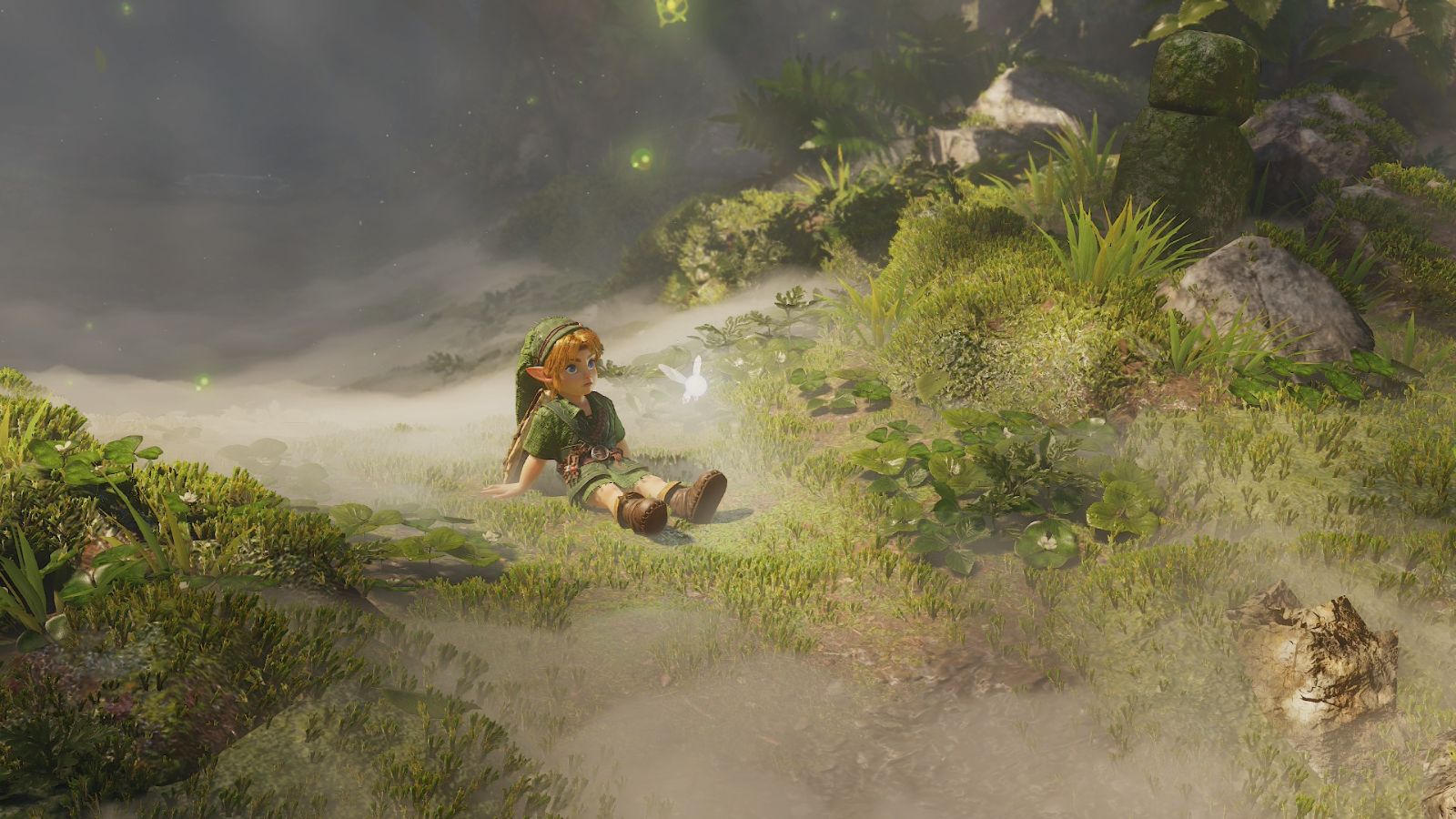
Even nearly thirty years on, Ocarina of Time still feels like a breath of fresh air. It introduced a lot of ‘firsts’, not only for the wider Zelda franchise, but for gaming as a whole. When gamers tell you it’s their favourite game ever, they aren’t lying. Even though their favourite game of all time looked like… this. While Nintendo has focused on breathing new life into this version of Hyrule, it’s left the core gameplay (mostly) untouched.
That’s a testament to how tight Ocarina is from start to finish. It’s the embodiment of Zelda. The Triforce, Zelda, Link, and Ganondorf are all front and centre for an epic hero’s journey. Later Zelda games aren’t too fussed with sticking to that checklist, and are happy to get the general point across. Routine narratives are unavoidable in a Zelda game, though. It clearly hasn’t bothered this game’s five million+ buyers.
The Legend of Zelda series has never had spectacular writing, but Ocarina does its best with a pre-established (in more ways than one) formula. Newcomers gets the most out of the narrative this time around — which is still, somehow, shocking — but don’t discount what a dose of nostalgia can do to a rabid Nintendo fan.
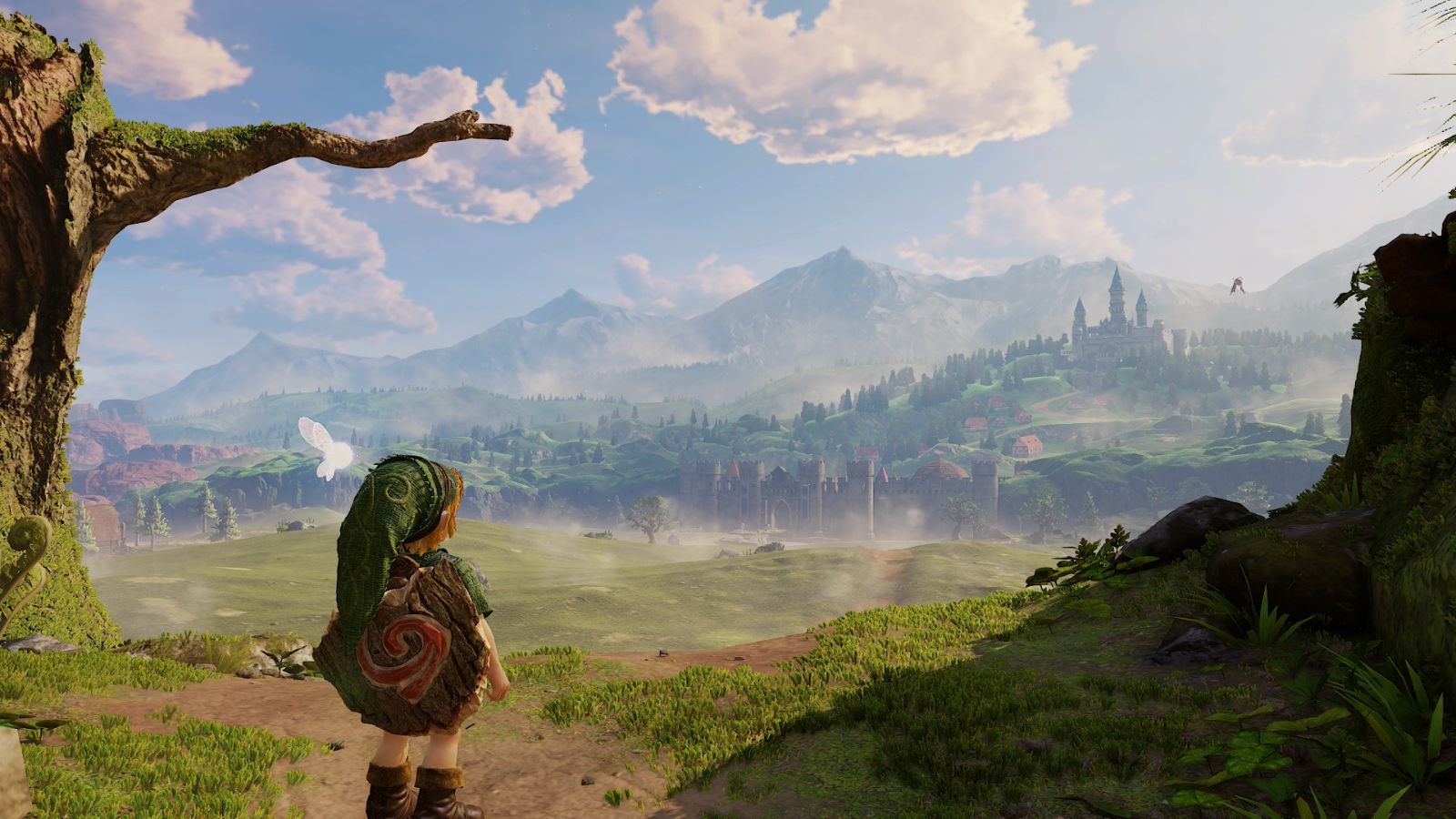
Nintendo hasn’t just dumped new assets and called it a day. It’s a proper overhaul that takes advantage not only of the Switch 2’s hardware but also of modern gaming. Chief among them are dedicated camera controls, something that the original couldn’t handle thanks to the N64 controller’s singular joystick. More on that later.
Something this remake borrows from newer games is fully voice-acted cutscenes. Not every scene gets the treatment, and even the ones you’d expect — like a heart-to-heart between Link and the Great Deku Tree — only voice half the scene. We’re not quite sure why, but we can’t say we minded much. Several of the English voice actors aren’t… very good at their job. Na’vi is particularly grating, but it’s rare that she’ll be in your ear.
Hyrule looks unreal (engine)
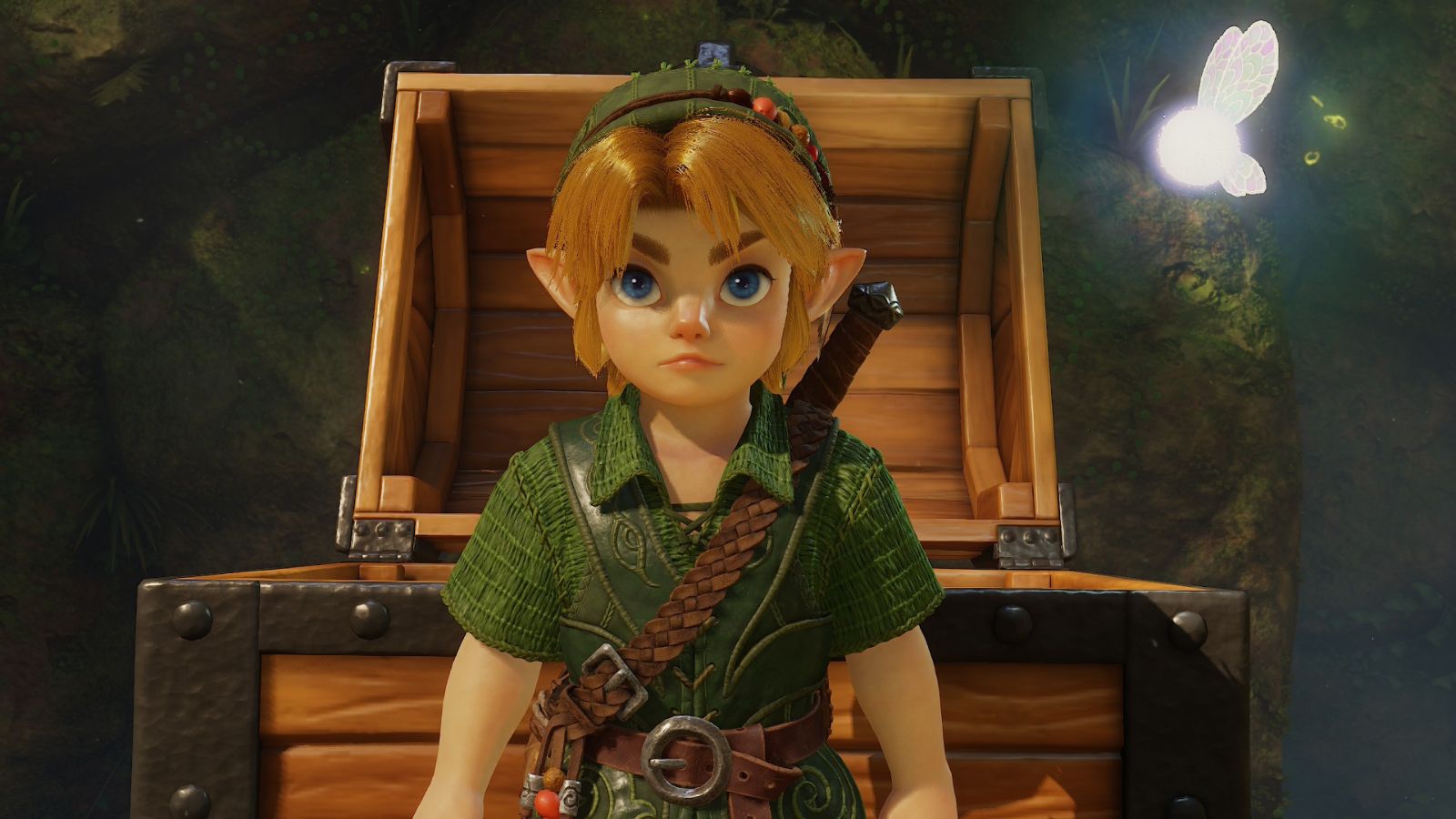
The first thing you’ll notice on booting Ocarina is how smooth everything is. Link included. We take issue with some of the character design choices made here, particularly in the faces. We got over ourselves pretty quickly, but we couldn’t ignore that nagging uncanny valley feeling whenever we looked at porcelain-doll Link.
Fortunately, you’ll mostly be staring at Link’s iconic green tunic from behind. It lets Nintendo’s otherworldly visuals fully breathe, from one gorgeous landscape to the next. Every single thing is detailed to a degree that’s surprising, even for Nintendo. If this Ocarina remake does anything, it has excited us to see where the series goes. Let this serve as yet another reminder that while realism is cool, a daring art style will always be king.
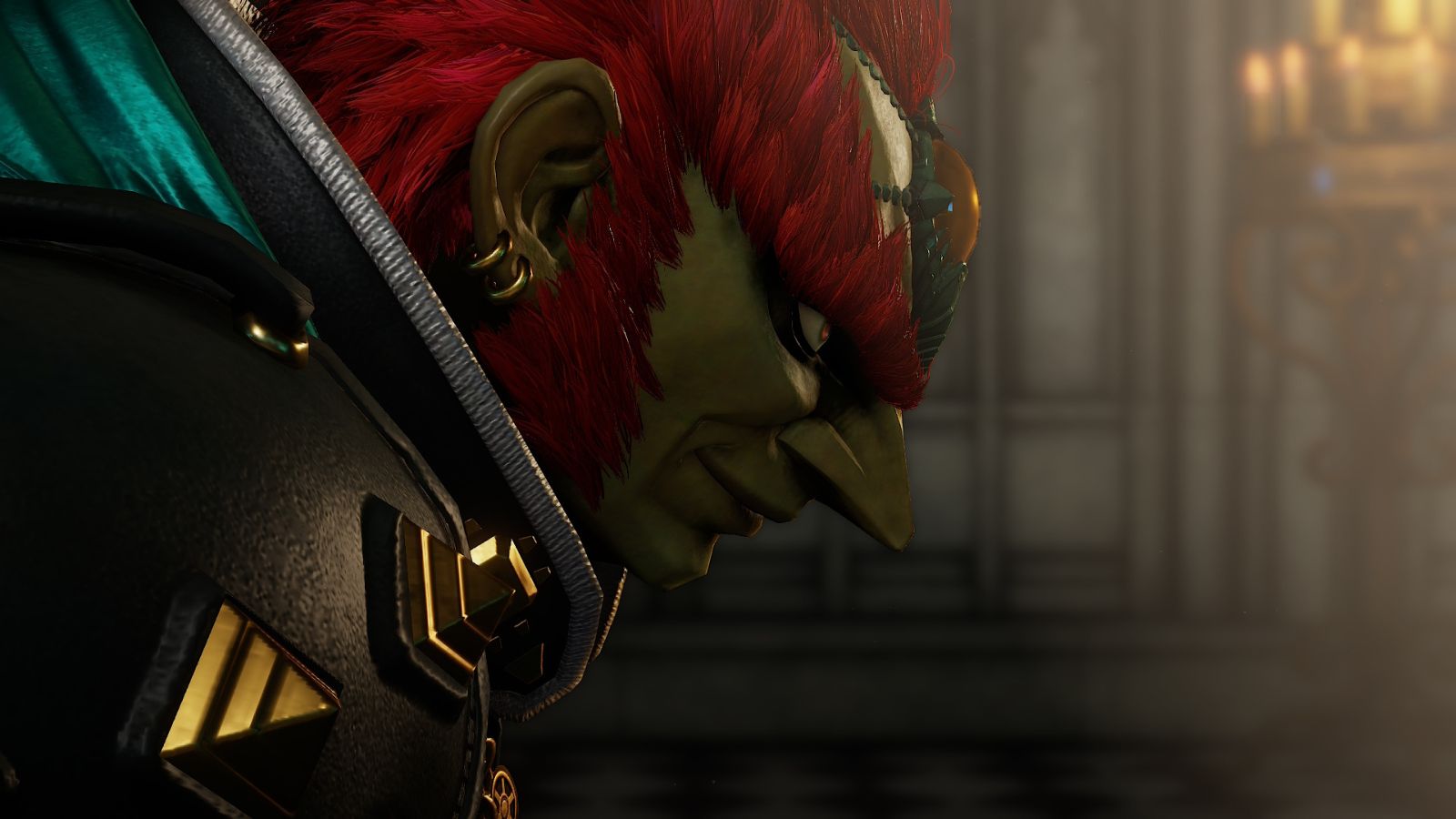
Link’s in-game movement feels about as smooth as his face does. Pretty damn smooth, then. We’ve conquered much of Ocarina with a Switch 2 Pro Controller, but the odd handheld session was just as smooth. Anyone familiar with Breath of the Wild will immediately know what to do with themselves (and even try to glide). Older players who haven’t picked up a Zelda game since 1998…? Not so much. They’ll get the hang of it.
That leads to our biggest (and unavoidable) gripe. Sticking modern controls into a game designed with a single joystick in mind was always going to make things simpler. The new jump button is the biggest culprit, but shoddy aiming controls added another layer of difficulty to the bosses. Don’t get us wrong. The controls are only a fraction of what makes Ocarina of Time a true test, puzzle-wise: the dungeons.
If this is your first time playing an ‘older-era’ Zelda, you’re in for a treat. Linear dungeons — in that you must tackle them somewhat in order — have long been a staple of the franchise, and were only changed when Breath of the Wild rolled around. While those certainly have their moments, they don’t hold a candle to the sauce Ocarina is dishing out by the ladle. They’re still tough enough to have you thinking, even with two joysticks in hand.
The Legend of Zelda: Ocarina of Time verdict
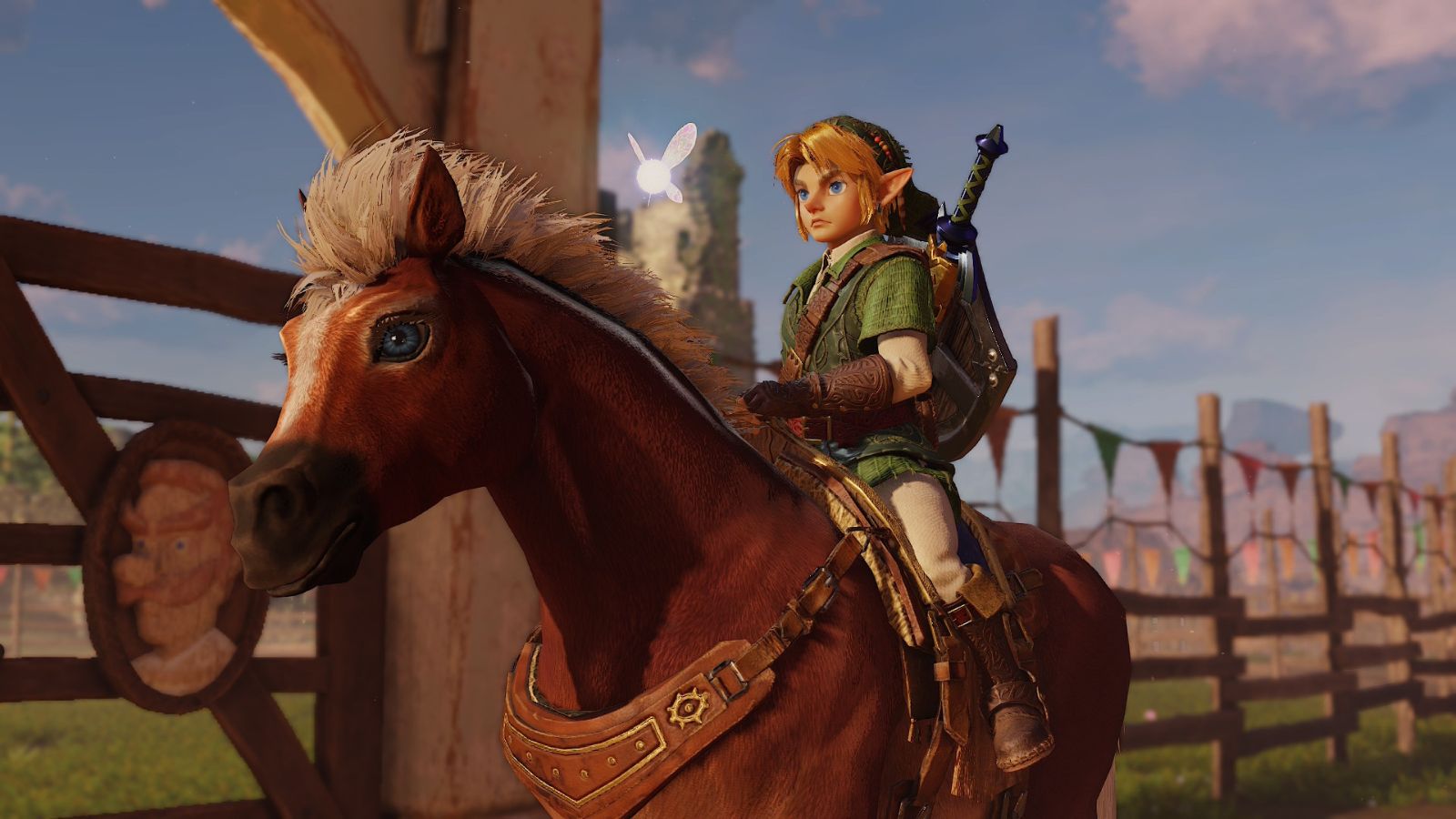
If Nintendo learns anything from the success of this Ocarina of Time remake, it’s that people are still hungry for narrative-driven, dungeon-filled Zelda games. The franchise’s last big outing mixed some of that formula back in, though it couldn’t quite overpower the ‘open-air’ recipe Nintendo perfected with Breath of the Wild.
Is it worth the R1,400 that Nintendo is punting? In a lot of the ways that matter, yes. For newcomers, the Switch 2 version of Ocarina of Time is the definitive way to play. We can’t speak to whether it does enough for every returning player out there, but we think there’s enough tender-lovin’ care in there to make it worth it.